

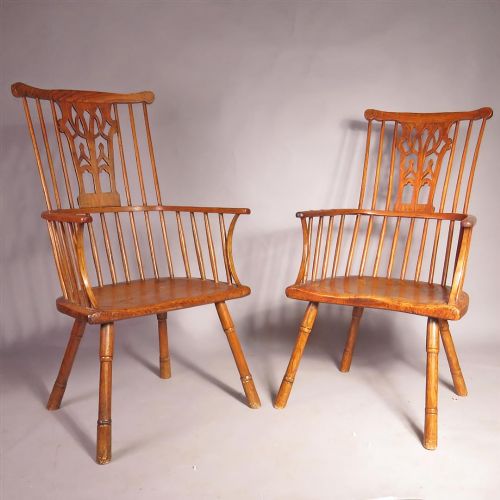
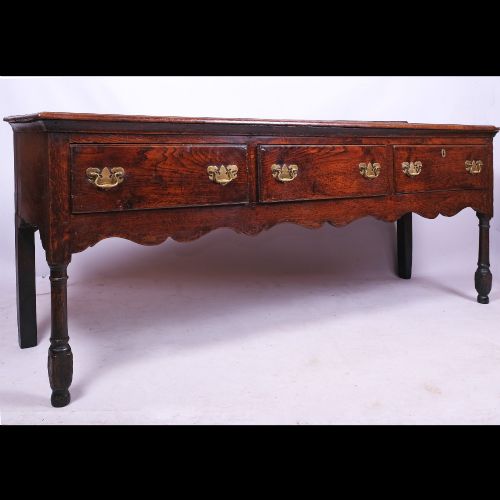
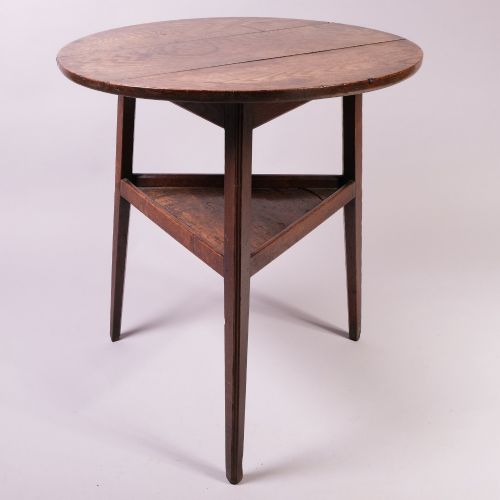
Georgian Period Oak Furniture
Georgian period oak furniture brings together the heavy timber tradition and the domestic refinement of the eighteenth century.
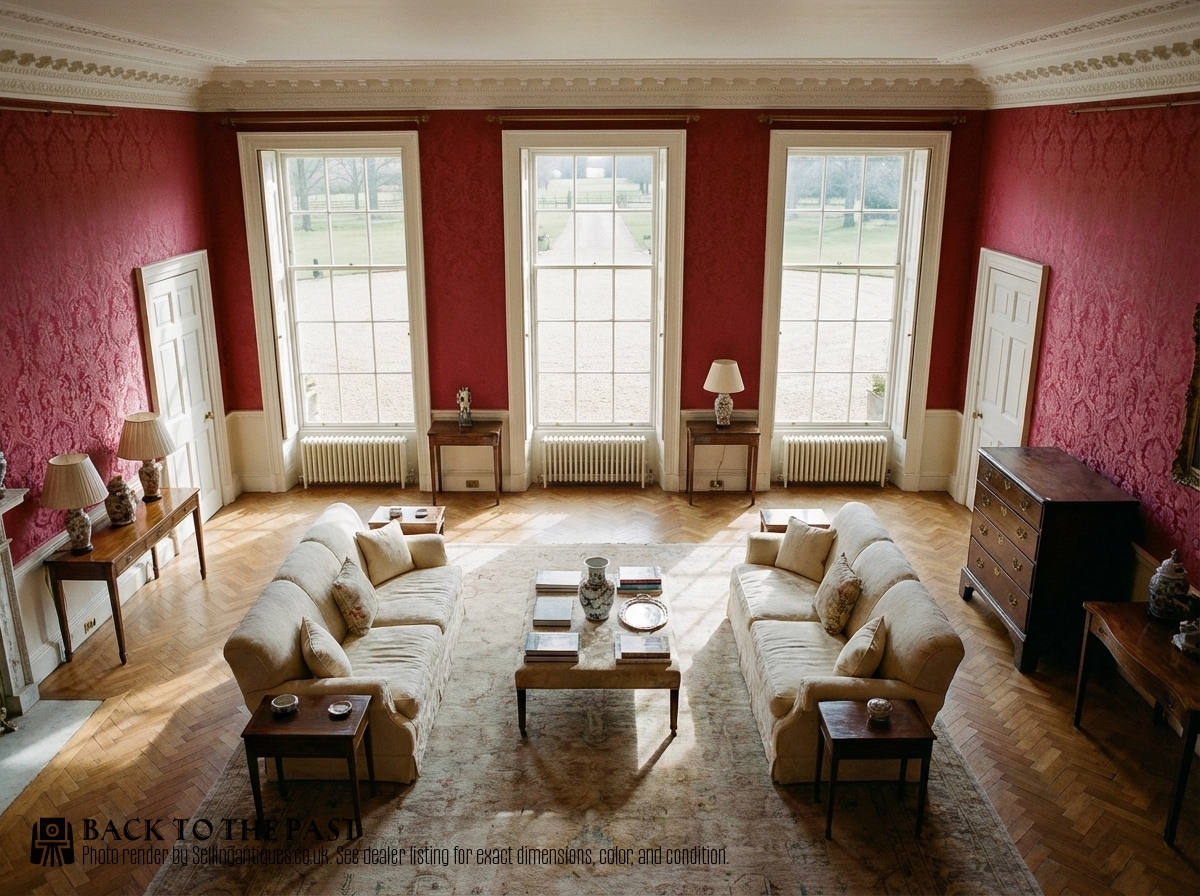
Georgian Period Oak Furniture
When you search for georgian period oak furniture, you encounter practical domestic items from the seventeenth, eighteenth, and early nineteenth centuries. The selection spans utilitarian seating, storage, and small tables made to suit country houses and town residences.
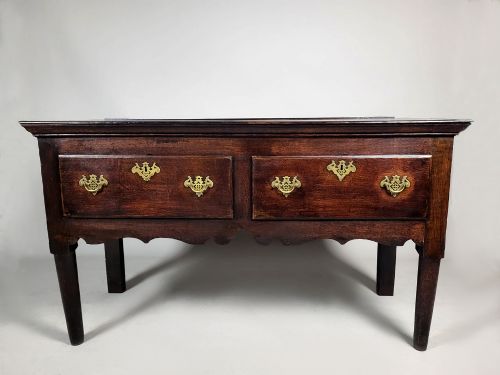
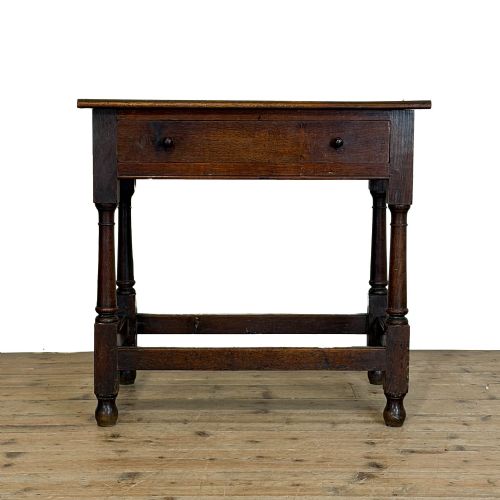
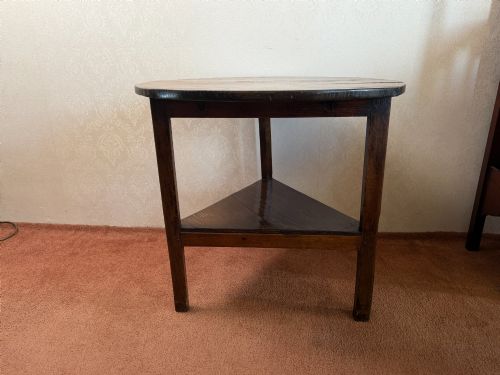
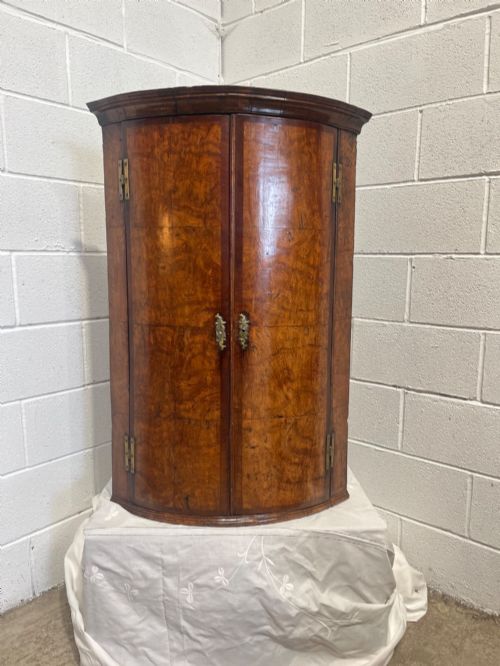
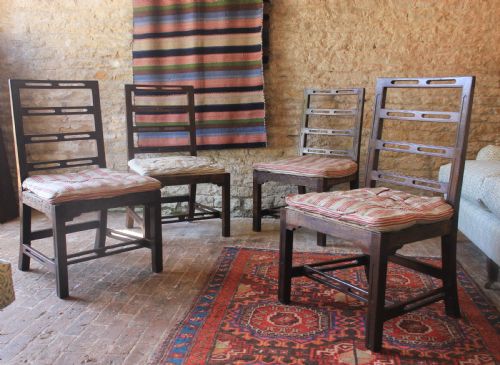
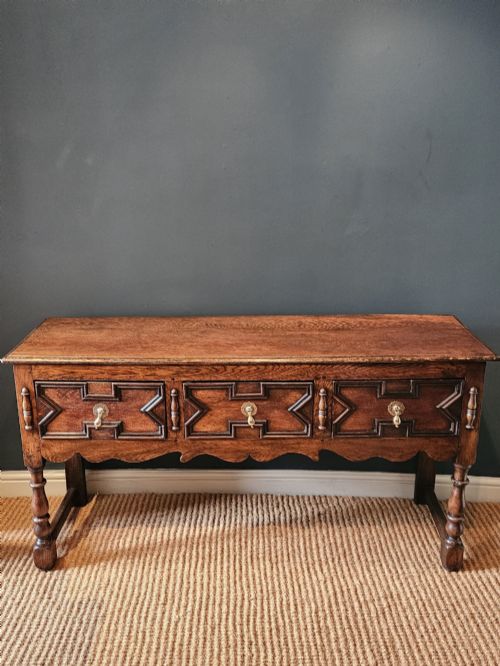
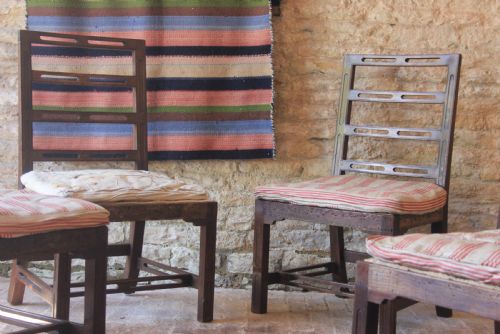
The most common forms on this page include chests of drawers, cricket tables, side tables, and corner cupboards. Dressers, lowboys, and dining chairs also appear frequently, representing the daily domestic life of the era.
Makers utilised local timbers, building functional forms that ranged from vernacular country pieces to refined George III designs. These items served specific household purposes, from storing linens to serving meals.
Materials and construction
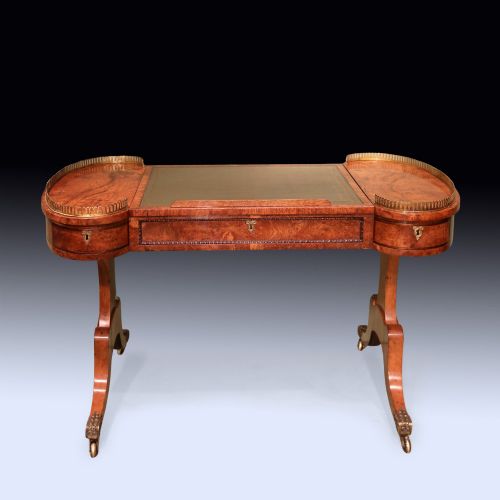
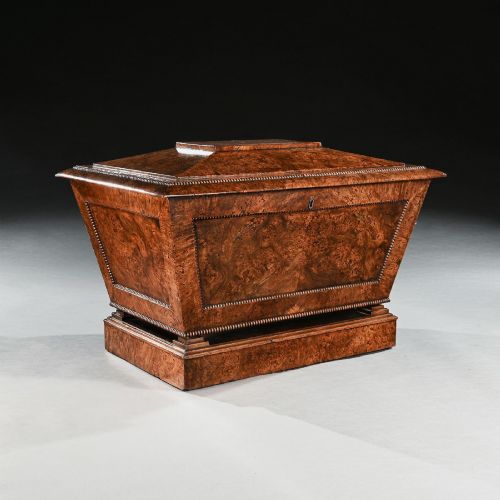
The primary material is solid oak, often paired with secondary woods like elm, ash, and walnut, alongside occasional burr oak or pollard oak veneers. Brass handles, iron hinges, and keyplates provide functional hardware across chests, cupboards, and drawers.
Joinery techniques relied on pegged mortise and tenon joints for structural frames, with dovetails securing drawer boxes. Timber boards were hand-sawn and planed, resulting in surfaces that show the tool marks of the period.
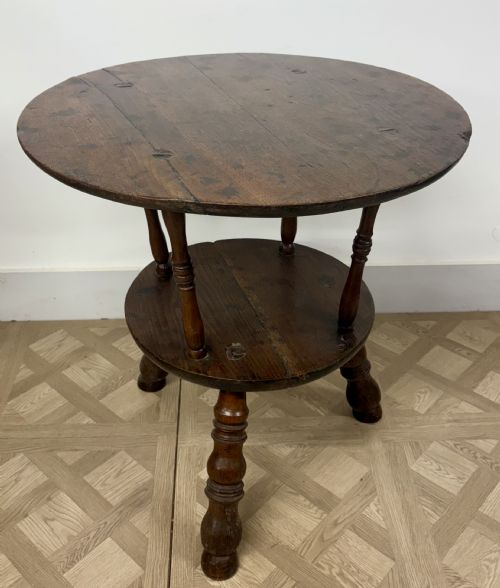
Turned components appear on cricket tables and tripod tables, utilising pole lathes to shape slender columns and legs. Carved geometric mouldings and panel construction add decorative depth to dressers and court cupboards.
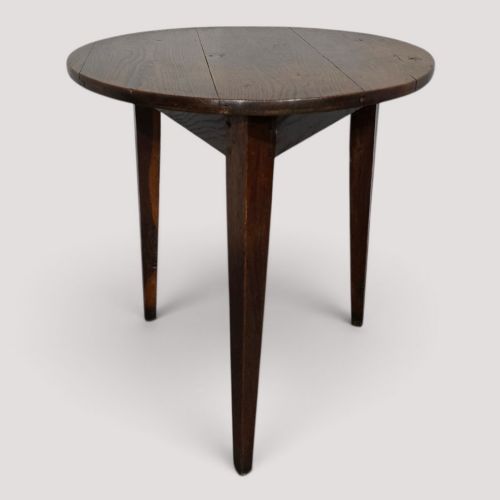
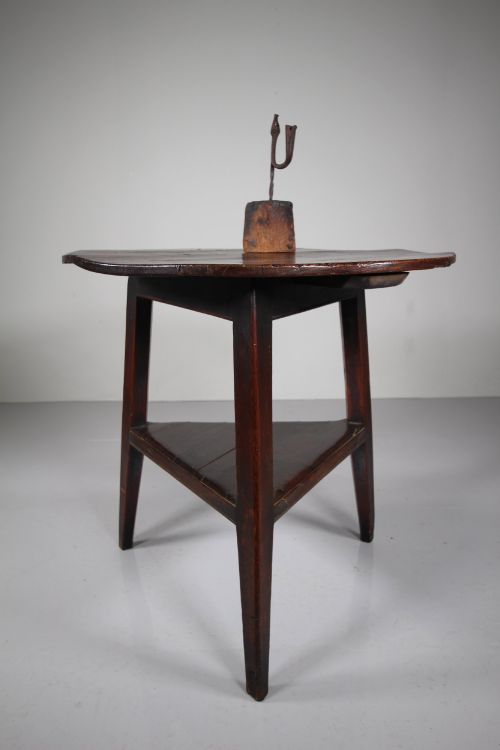
Three-legged cricket tables were cleverly designed to stand steady on the most undulating medieval floorboards without a single rock.
What separates the tiers
The degree of original surface survival and timber figure dictates the standing of a piece. Figured grain, burr oak, and untouched patination elevate side tables and dressers, whereas stripped or heavily restored timber alters the visual weight.
Construction integrity separates standard utility items from finer examples. Hand-cut dovetailing, original brasses, and unaltered interior oak linings on chests of drawers mark the difference between workshop output and ordinary domestic utility.
The Georgian Period Oak Furniture Glossary
- Cricket table
- A small, three-legged occasional table with a round top, often associated with vernacular English manufacture. Its design provided stability on uneven floors.
- Lowboy
- A small side table with one or more rows of drawers beneath the work surface, commonly used as a dressing table or side serving piece.
- Joint stool
- A sturdy wooden stool constructed with pegged mortise and tenon joinery rather than turned legs driven into a seat.
- Tallboy
- A tall chest of drawers featuring a smaller chest stacked upon a larger base chest, popular for vertical storage.
- Corner cupboard
- A fitted or free-standing cabinet designed specifically to occupy the corner of a room, saving valuable floor space.
Georgian Period Oak Furniture: Frequently Asked Questions
How do I identify oak from mahogany furniture?
Oak exhibits prominent medullary rays and an open grain texture, whereas mahogany displays a tighter, redder grain pattern without the distinctive ray flecks found in quartersawn oak.
Craftsmen utilised oak primarily for earlier vernacular and country pieces, while mahogany gained widespread popularity later in the Georgian era for refined urban furniture.
What is a cricket table used for?
A cricket table served as a versatile moveable small table for domestic tasks, holding tea equipment, books, or candles beside a hearth.
Its three-legged construction ensured the table remained steady on flagstone or uneven wooden floorboards common in period houses.
How should I care for antique oak surfaces?
Maintain oak surfaces by applying occasional coats of traditional beeswax to nourish the timber and protect the historic patina.
Avoid placing these items near direct heat sources or in fluctuating humidity to prevent timber splitting and shrinkage.
Are original brass handles important?
Original brasses contribute significantly to the historical integrity and visual harmony of chests of drawers and cupboards.
Replacements are common due to wear, but matching period-appropriate hardware preserves the correct aesthetic balance of the piece.