

Antique Two Over Three
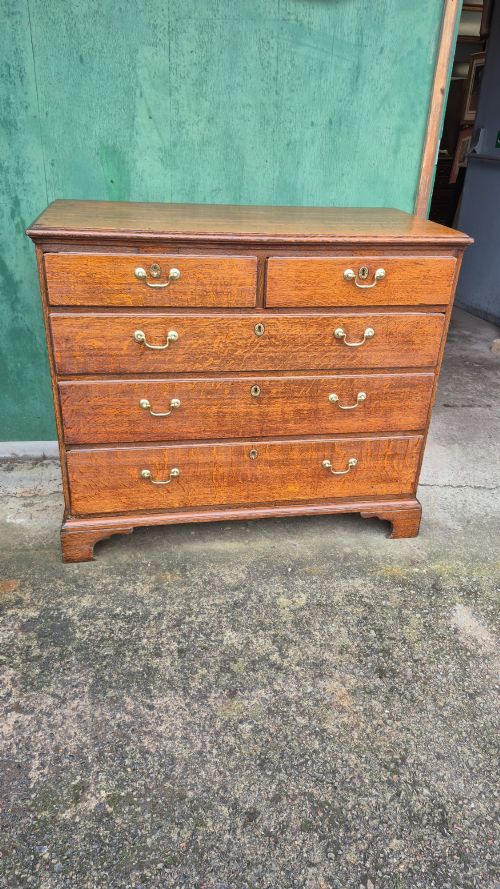
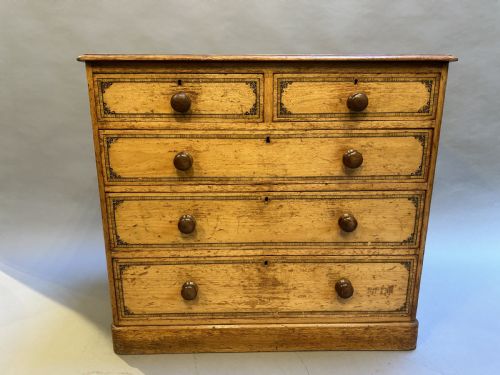
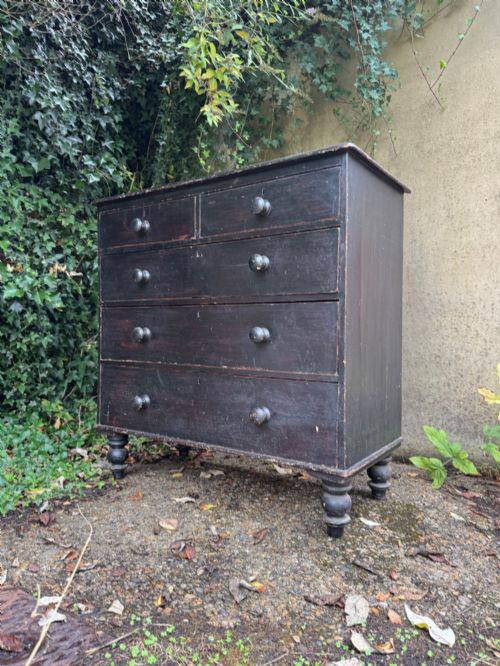
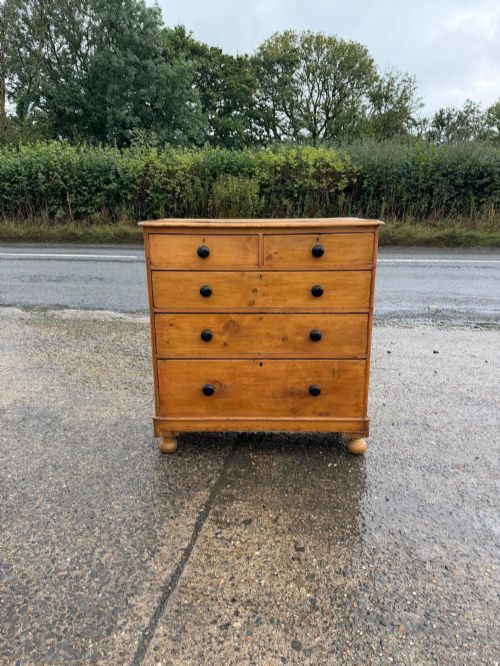
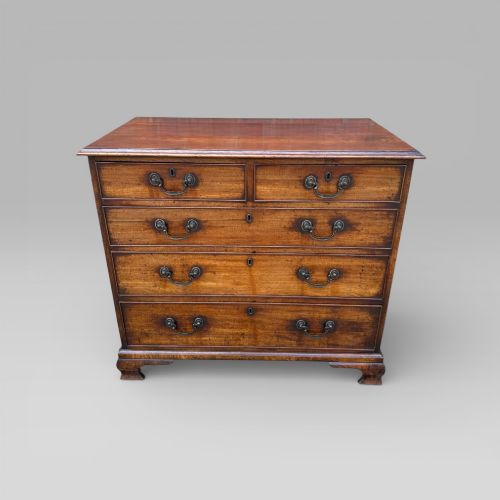
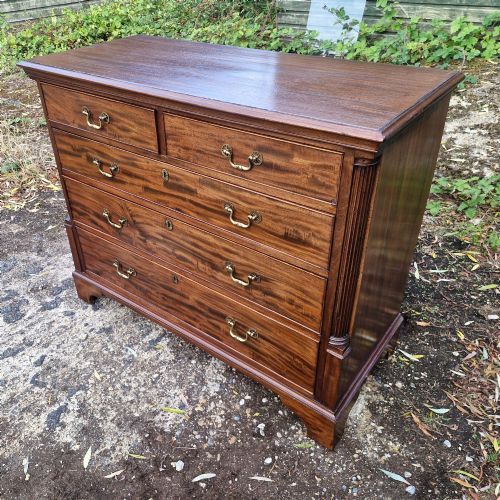
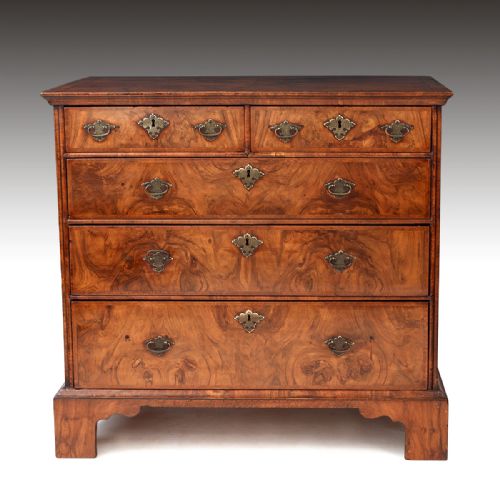
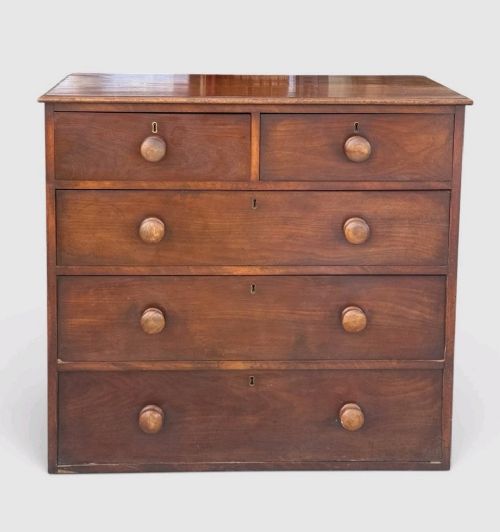
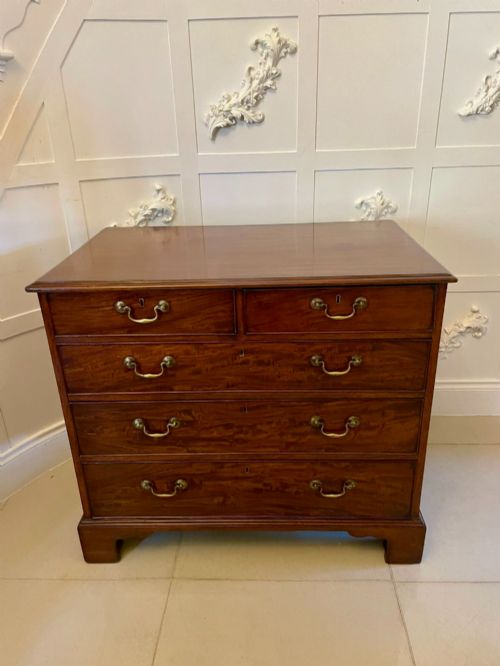
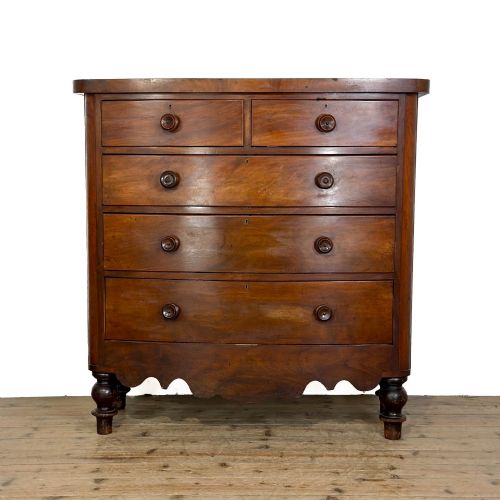
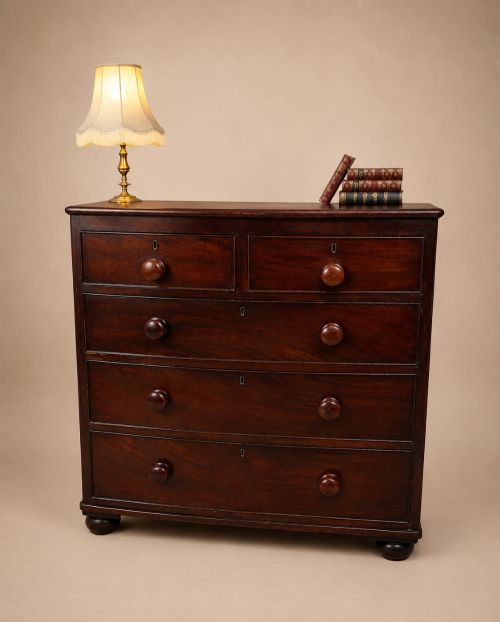
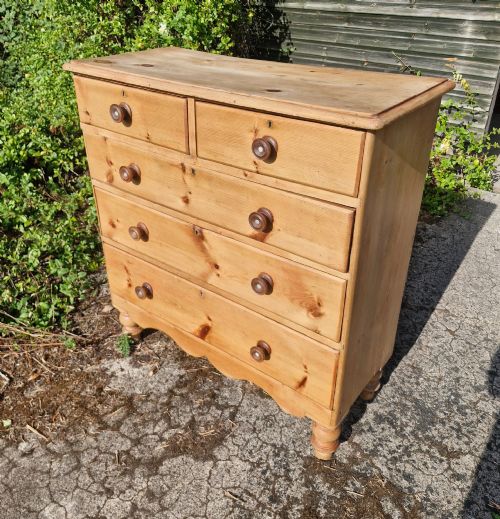
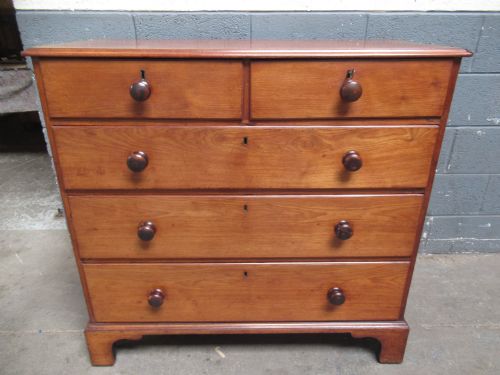
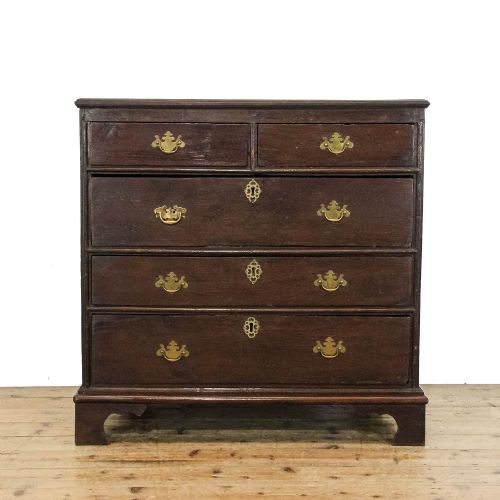
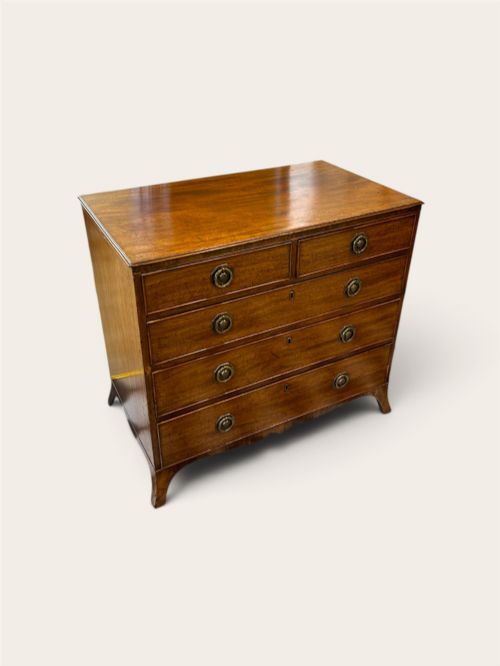
These antique two over three chests of drawers offer a classic arrangement of two short drawers over three long ones, providing sensible proportions and timeless storage.
What these chests are
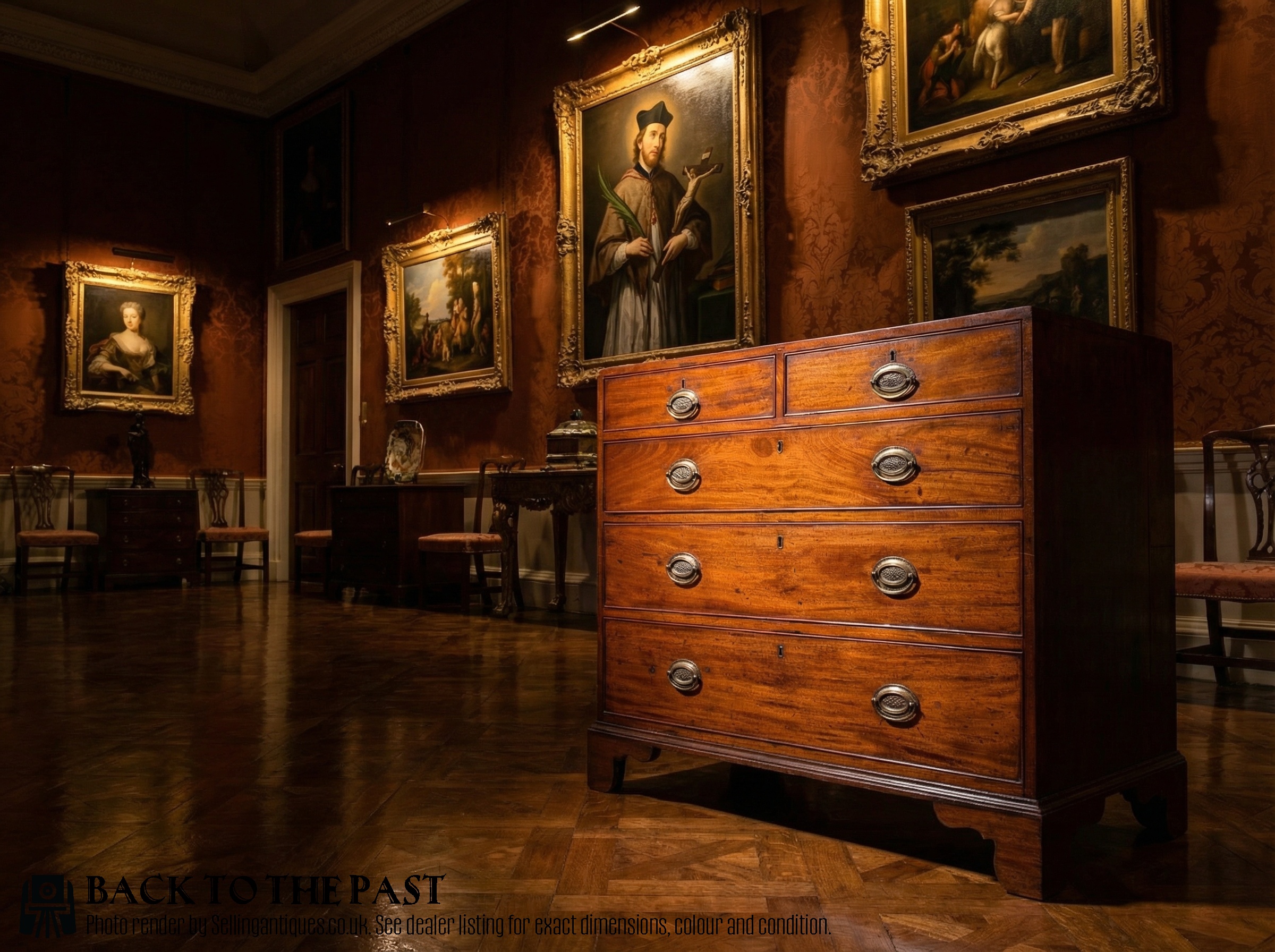
An antique two over three configuration provides two half-width drawers above three full-width ones, balancing smaller compartments with deep storage space below. Pieces of this layout appear across multiple eras, ranging from late seventeenth-century examples up through the Georgian and Edwardian periods.
The forms vary from substantial country house tallboys and hall chests to refined mahogany and burr walnut designs. Buyers frequently encounter regional pieces in pine alongside formal specimens in figured hardwoods.
Origins span distinct stylistic movements including William and Mary, Queen Anne, Georgian, and Victorian country. This diversity means a buyer can find both rustic pine utility and sophisticated inlaid mahogany within the same configuration.
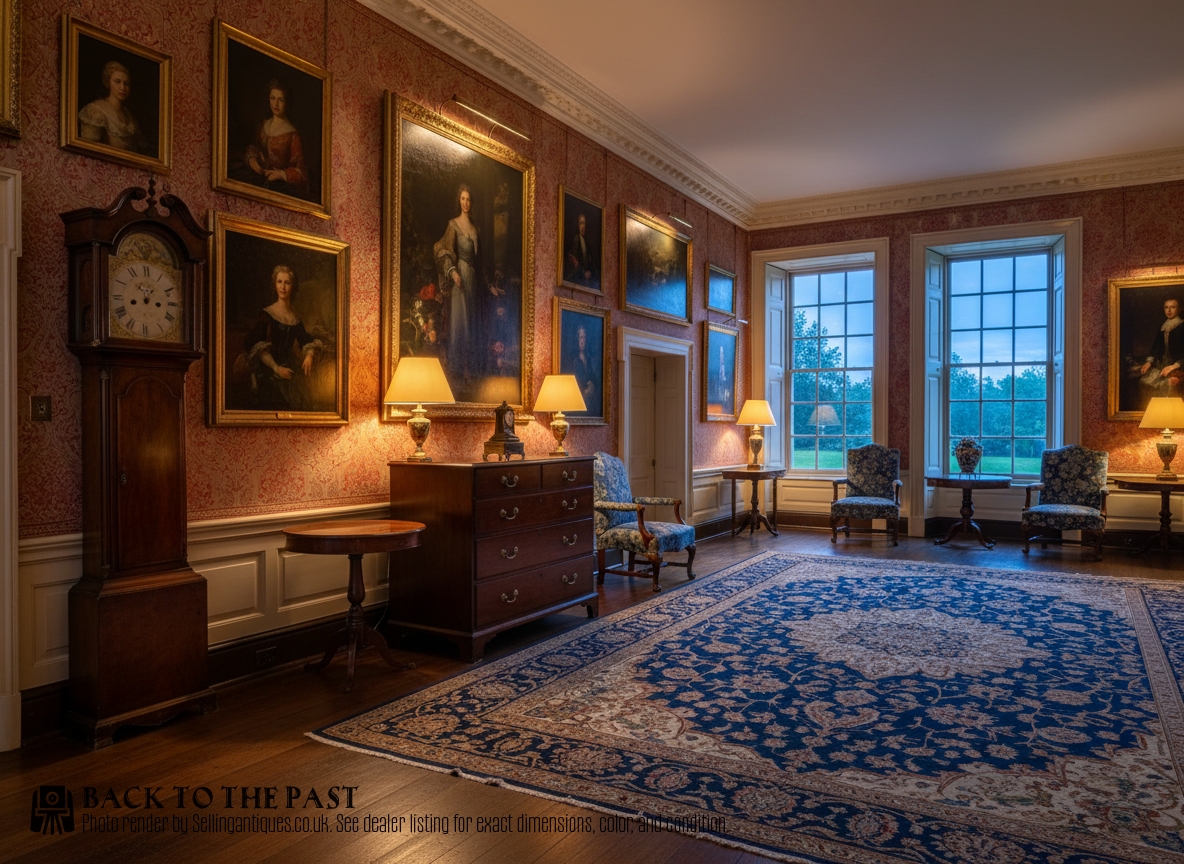
How they were made
Cabinet makers utilised solid timber and choice veneers, constructing carcases in oak, pine, and mahogany. Drawer fronts often display figured grains such as burr walnut or feature decorative stringing and crossbanding.
Hardware typically includes brass drop handles, backplates, and escutcheons secured to dovetailed drawer construction. Iron fittings also appear on utilitarian country pieces.
Retail Price Guide 2026
Typical UK retail prices for two over three, calculated from the Sellingantiques database of over a million retail prices indexed since 2003. This retail price guide relies exclusively on Sellingantiques data; no external sources or auction records are used, so the figures do not describe the wider market.
Gentlemen required tallboys to keep their linen crisp and their stockings outrunning the house mice.
What varies in quality
The grade of timber selection and the precision of the cabinet work dictate the standing of a piece. Finer examples display continuous grain matching across drawer fronts and delicate dovetailing.
Proportion and surface finish separate standard utility furniture from high-status items. Original timber patination and crisp moulding details elevate the execution of the design.
Morison And Co
The Antique Two Over Three Glossary
- Graduated drawers
- Drawers that decrease in depth progressively from bottom to top. This creates balanced visual proportions on the facade.
- Caddy top
- A raised furniture top with moulded edges resembling the lid of a tea caddy. It adds architectural definition to the upper carcase.
- Tallboy
- A chest of drawers built in two stacked sections, placing a chest on top of a larger base chest. This form maximises vertical storage space.
- Hall chest
- A shallow chest of drawers designed for narrow spaces such as corridors. It maintains standard drawer arrangements within a reduced depth.
- Crossbanding
- A narrow strip of veneer laid around the border of a drawer front so the grain runs perpendicular to the main panel. It creates a neat framing effect.
Frequently Asked Questions
What is a two over three chest?
A two over three chest is a drawer unit featuring two smaller upper drawers beside or above three wider lower drawers.
This specific layout provides flexible organisation for smaller garments or items at the top and bulkier storage below.
How do I date an old chest?
Dating relies on observing construction methods, timber choices, and hardware styles across the carcase and drawers.
Earlier pieces often show hand-cut dovetails and native woods like oak or walnut, while later items incorporate mahogany and machine-assisted elements.
Where should I place a hall chest?
A hall chest fits well in narrow entryways or corridors due to its shallow depth.
It provides practical surface space and concealed storage without obstructing walking routes.
Are these chests suitable for daily use?
These chests function well for everyday storage when handled with reasonable care for antique timber.
Drawer runners and internal structures generally withstand regular use if the joints remain stable.