


Vintage Wooden Dresser
A vintage wooden dresser offers practical storage and timeless utility, bringing character and enduring craftsmanship into any home through pieces chosen for daily use.
Vintage Wooden Dresser
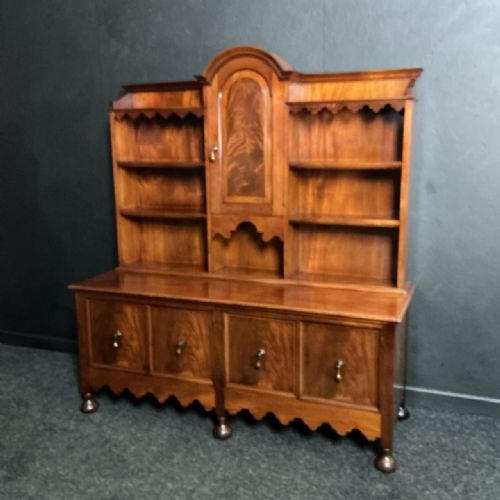
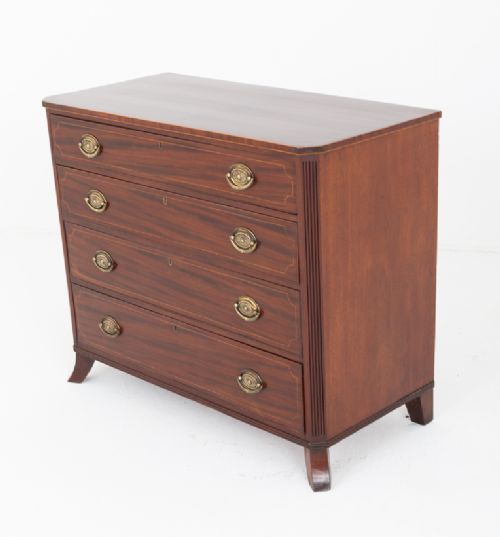
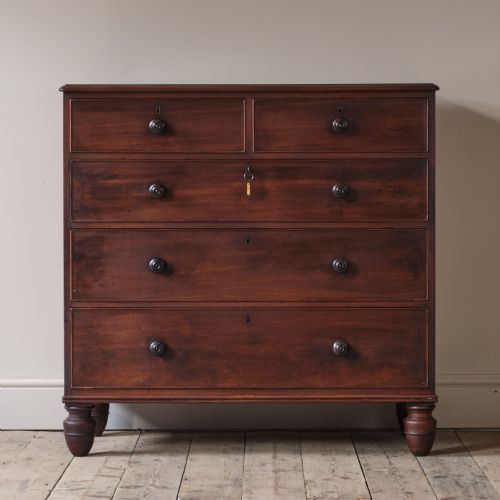
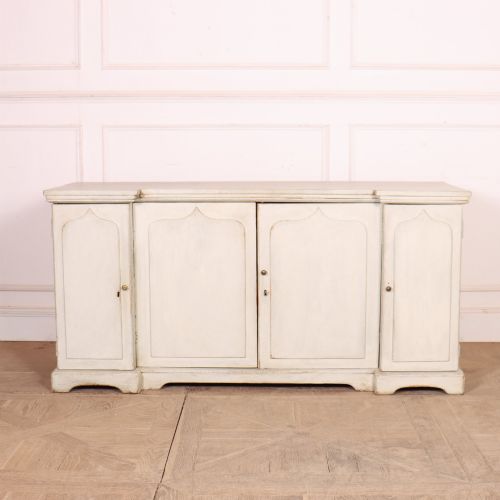
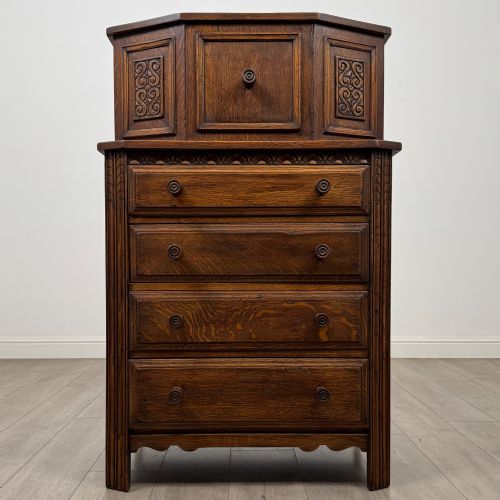
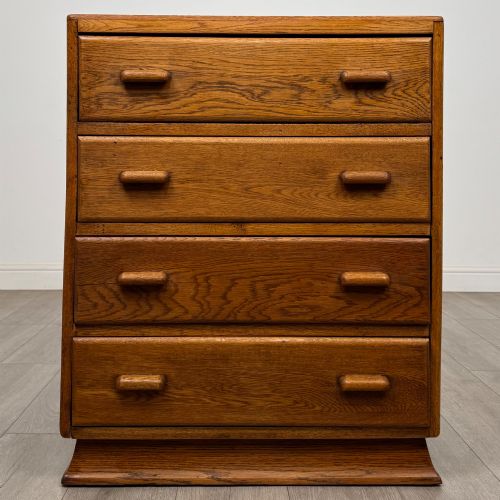
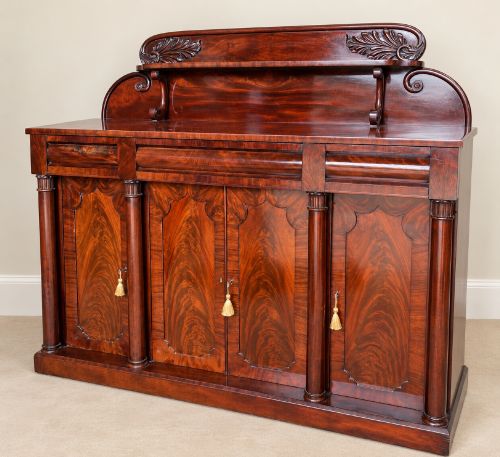
When you search for a vintage wooden dresser, you find a variety of storage furniture including chests of drawers, sideboards, tallboys, and Welsh dressers spanning multiple centuries. These pieces serve as functional storage items that range from grand Georgian proportions to simpler Victorian and Edwardian domestic designs.
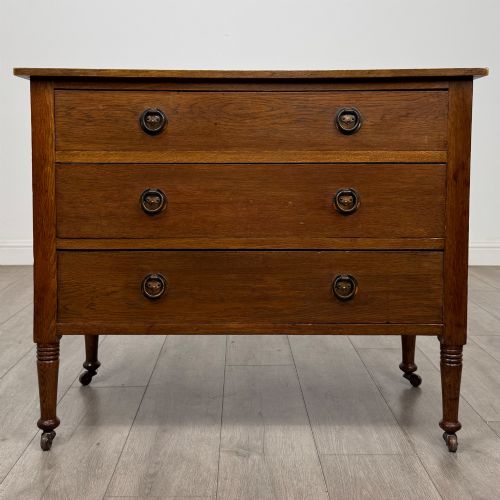
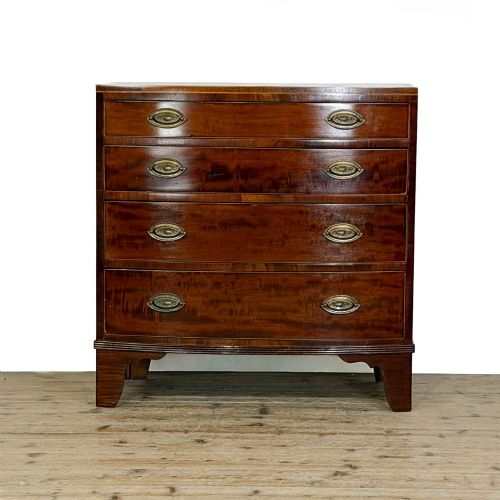
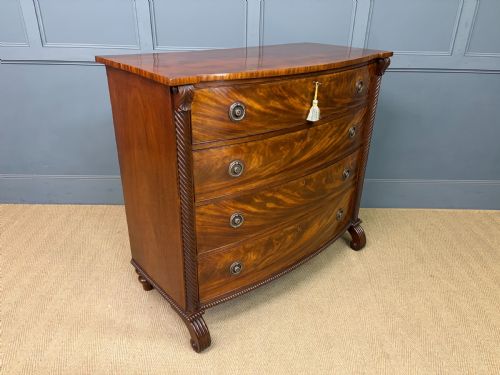
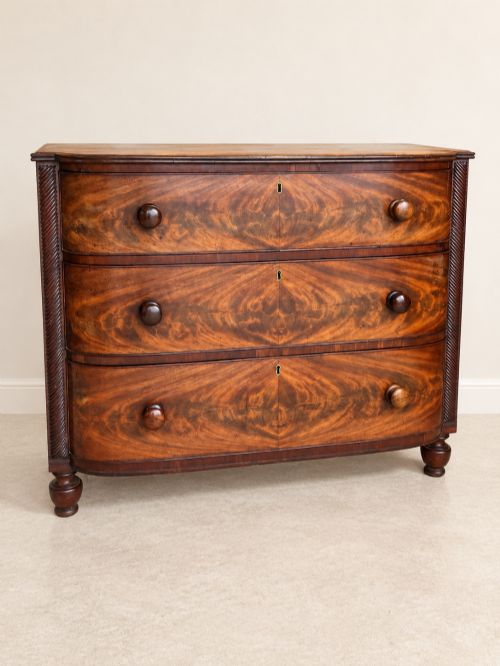
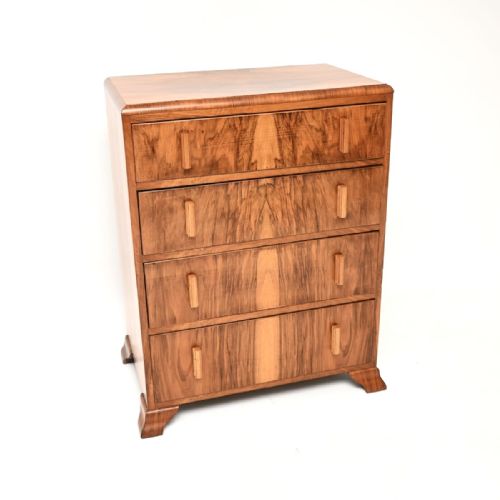
On this page, you are most likely to encounter mahogany and oak chests of drawers alongside pine utility items and occasional walnut or painted finishes. The forms include bow fronts, serpentine shapes, and breakfront sideboard bases reflecting the shifting tastes of the eighteenth, nineteenth, and early twentieth centuries.
How they were made
Cabinet makers utilised solid timbers like oak, mahogany, and pine, frequently applying flame mahogany veneer to prominent drawer fronts for decorative grain patterns. Brass handles and escutcheons provided standard functional hardware across Georgian, Regency, and Victorian workshops.
Construction methods relied on traditional joinery techniques, tongue and groove boards, and dovetailed drawer boxes designed to withstand generations of daily domestic opening and closing.
Vintage Wooden Dresser Retail Price Guide 2026
Typical asking prices for vintage wooden dresser among the pieces listed under this phrase on Sellingantiques today, from the lower quarter to the upper quarter. They describe what is for sale here now, not the wider market.
Some chests retain their original brass handles, having silently witnessed centuries of socks being pulled out in a hurry.
What varies in quality
The distinction between ordinary utility items and superior examples lies in the selection of timber figures, such as matched flame mahogany or figured walnut veneers, and the subtlety of shaping on serpentine or bow fronts. Well-executed proportions and original brass hardware elevate a piece significantly above standard production.
Refined cabinet work shows in the neatness of dovetailing, smooth drawer runners, and balanced timber grain continuity across the entire facade rather than haphazard board matching.
T G Seddon·Sir Clough Williams Ellis
The Vintage Wooden Dresser Glossary
- Bow front
- A convex curved cabinet or drawer front that projects outward in the centre, popular during the Regency and Georgian periods.
- Brushing slide
- A pull-out shelf integrated above the top drawers of a chest, historically used for folding clothes or writing.
- Serpentine front
- A shaped furniture front featuring a concave centre flanked by two convex ends, demanding high skill from the cabinet maker.
- Flame mahogany
- A veneer cut from the fork of a mahogany tree where branches meet the trunk, creating a fiery, undulating grain pattern.
- Tallboy
- A tall chest of drawers consisting of one chest stacked upon another, providing high vertical storage capacity.
Vintage Wooden Dresser: Frequently Asked Questions
What is the difference between a dresser and a chest of drawers?
In historical British usage, a dresser often denotes a Welsh dresser featuring open plate racks above a base of drawers and cupboards. A chest of drawers consists strictly of stacked horizontal drawers designed primarily for clothing and bedroom storage.
Over time, regional terminology began to blur these definitions, leading marketplace listings to group sideboards, commodes, and tall chests under the broad umbrella of dressers and storage cabinets.
How do I date an antique wooden chest?
Dating relies on observing timber choices, hardware styles, construction methods, and overall proportions. Georgian pieces frequently display cockbeading around drawer edges and fine dovetails, while Victorian items often use heavier pine linings and machine-sawn elements.
Secondary woods like deal or oak inside drawer boxes provide further clues to the period of manufacture, helping distinguish eighteenth-century craftsmanship from later Edwardian reproductions.
How do I care for antique mahogany furniture?
Keep wooden furniture away from direct sunlight and strong heat sources such as radiators to prevent timber splitting and veneer lifting. Regular dusting with a soft, dry cloth maintains the surface without the need for heavy silicone polishes.
Applying a traditional beeswax feed periodically helps nourish dry timber and preserves the natural patina built up over centuries of handling.
What woods were commonly used?
Mahogany served as the predominant timber for formal furniture throughout the Georgian, Regency, and Victorian eras, valued for its deep colour and stability. Oak appeared frequently in earlier periods and Edwardian utility pieces, whilst pine formed the sturdy basis for regional country furniture.
Walnut enjoyed specific periods of high fashion during the early eighteenth century and again in the Art Deco era, often finished as decorative veneer.