
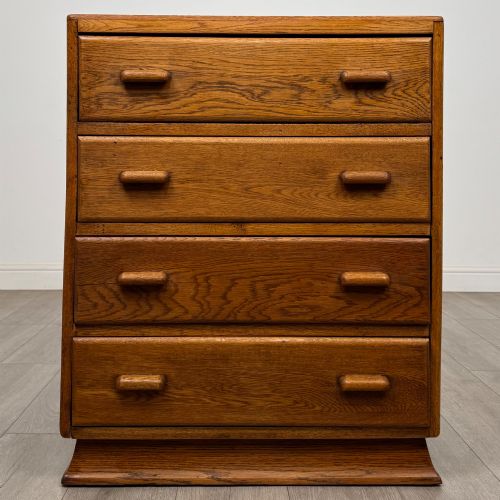
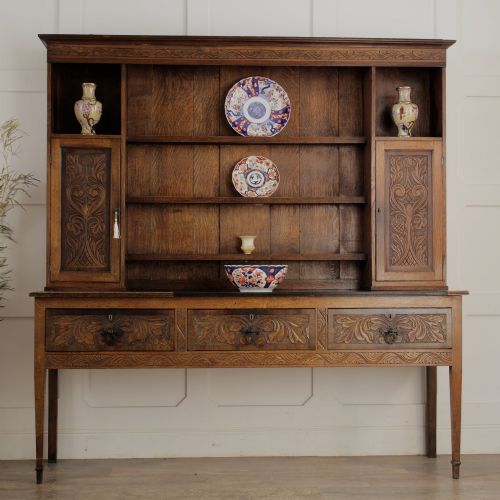
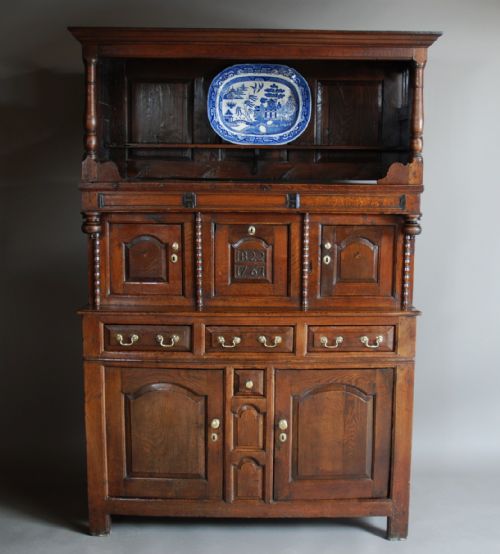
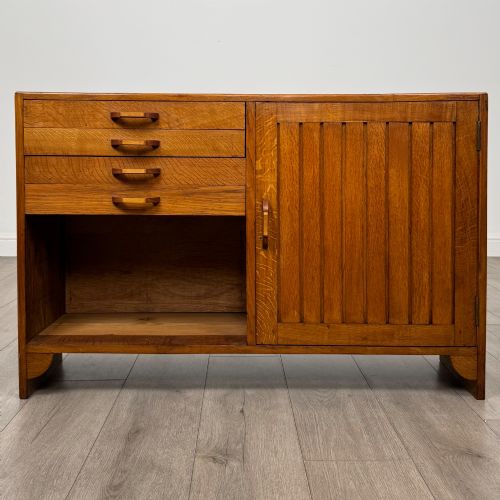

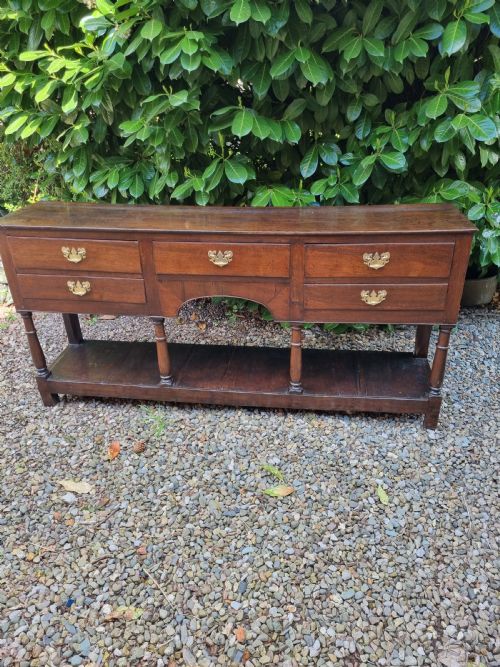


Mid Century Oak Dresser
A mid century oak dresser brings warmth and honest storage to a room, ranging from robust eighteenth-century vernacular bases to compact twentieth-century sideboards.
Mid Century Oak Dresser
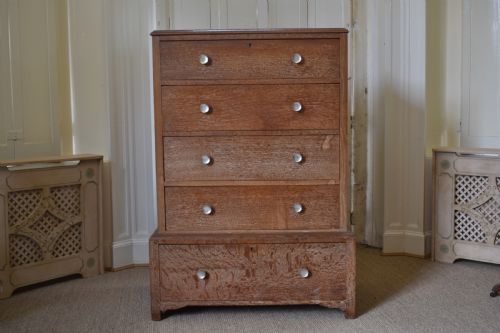
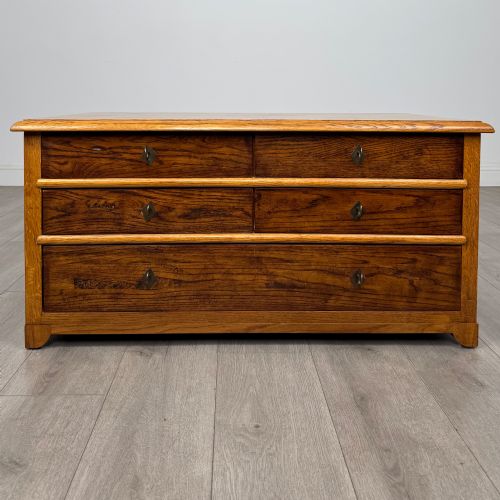
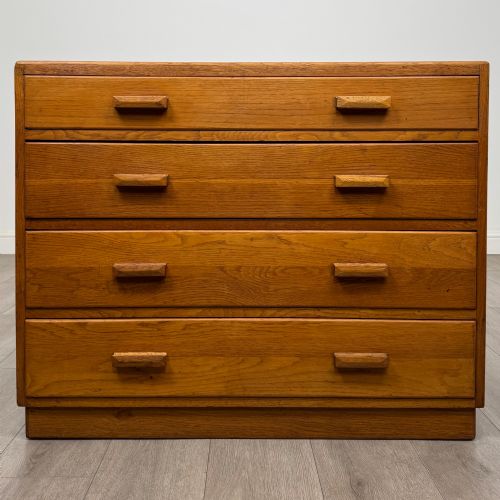
When you search for a mid century oak dresser, you encounter a mix of genuine eighteenth-century Welsh and English country pieces alongside twentieth-century interpretations. Dresser bases, potboards, sideboards, and tall chests all fall within this category, often sharing utilitarian origins in rural homes.
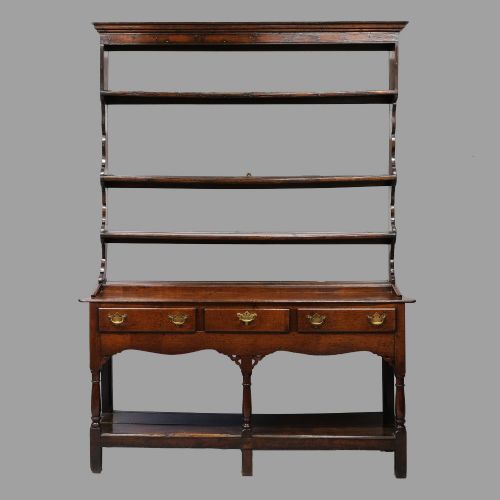
The pieces on this page lean heavily toward eighteenth-century vernacular furniture and Edwardian or later twentieth-century oak adaptations. You meet low server bases, cabriole leg formats, and pieces featuring dog kennel sections alongside simpler chests of drawers.
Origins stretch across Welsh regions like Snowdonia and Anglesey, as well as broader English provincial workshops. This geographic spread dictates the specific local moulding details and timber selections you encounter on individual items.
How they were made
Construction relies heavily on solid oak boards joined with traditional pegged mortise and tenon joints in the earlier examples. Later twentieth-century pieces utilise lighter framing techniques while retaining oak as the primary timber.
Secondary materials include brass drop handles, iron hardware, and occasional metal accents on drawers and cupboards. Limed oak finishes appear on specific twentieth-century items, altering the natural grain tone.
Surfaces achieve character through centuries of wax polishing, developing rich patination on eighteenth-century potboard bases. Carved detailing on mid-nineteenth-century examples shows hand-chiselled depth rather than applied factory ornament.
Listings feature oak, limed oak, brass, iron, and mahogany across Edwardian, Victorian, and eighteenth-century periods.
What varies in quality
Quality separates along the depth of patination and the integrity of the timber surfaces. Pieces retaining their original boards and undisturbed surface colour command higher regard than those stripped and refinished harshly.
Proportion and scale dictate the visual success of a dresser base, with neat, shallow depths and balanced drawer arrangements standing above clumsy proportions. The crispness of hand-carved elements and the snugness of drawer joints further distinguish finer regional workshops.
The Mid Century Oak Dresser Glossary
- Potboard
- An open slatted lower shelf on a dresser base designed originally for storing ceramic pots and heavy kitchenware. It sits just above the floor on sturdy stiles.
- Patina
- The deep, lustrous surface sheen developed on timber through decades of handling, wax application, and ambient light exposure. It cannot be easily replicated by modern chemical treatments.
- Cwpwrdd tridarn
- A traditional Welsh three-tier cupboard featuring enclosed compartments and display sections. These monumental pieces represent the pinnacle of regional vernacular joinery.
- Dog kennel
- A central recessed open compartment located beneath the drawers of certain dresser bases. It often sits flanked by small side cupboards or banks of drawers.
- Limed oak
- A specialist decorative finish created by applying a white pigment into the open pores of oak timber. This technique gained popularity during the twentieth century to lighten dark rooms.
Mid Century Oak Dresser: Frequently Asked Questions
How do I spot an eighteenth-century dresser?
Look for pegged joints, hand-planed board surfaces, and deep patination accumulated over generations of use. These early pieces usually display vernacular construction methods unique to their region of origin.
Examine the drawer interiors for hand-cut dovetails and irregular timber thicknesses. Machine-cut elements and uniform modern screws indicate later manufacturing dates.
What is a potboard base?
A potboard base is a low kitchen or dining table fitted with a lower shelf instead of enclosed cupboards. Rural households used this open shelf for storing heavy earthenware vessels.
Today, this format functions well as a sideboard or a serving station in dining rooms. The open space beneath also allows for baskets or low storage crates.
Where were these dressers made?
Many originate from rural Welsh counties such as Anglesey, Merionethshire, and Snowdonia, where local oak was abundant. English provincial workshops in the North Country also produced distinctive regional variants.
Local timber availability and specific cabinetmaker traditions shaped the distinct regional characteristics found in these items. Vernacular design often reflects the practical domestic needs of these specific communities.
How do I care for oak furniture?
Maintain the surface by applying natural beeswax sparingly and buffing with a soft cloth. Avoid placing oak pieces near direct heat sources or in strong sunlight, which dries out the timber.
Use coasters and felt pads under objects placed on the top surface to prevent water rings and scratches. Regular gentle cleaning preserves the natural patination built up over centuries.