

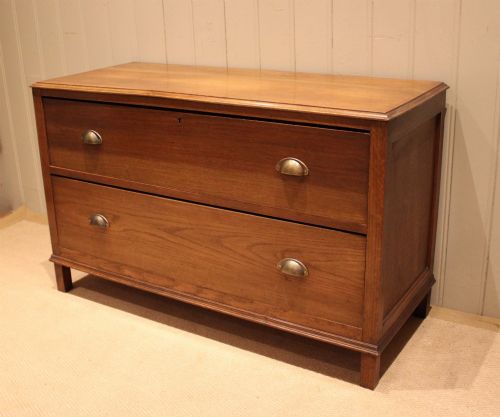
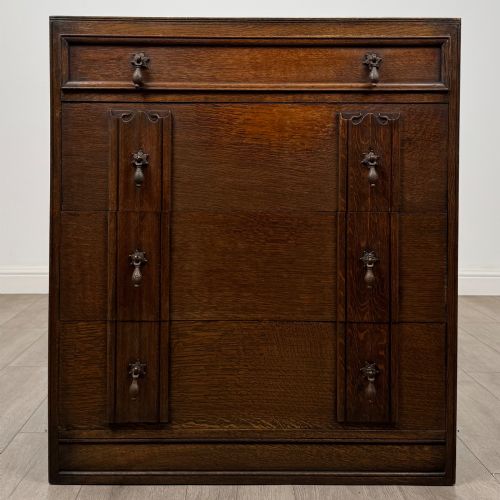
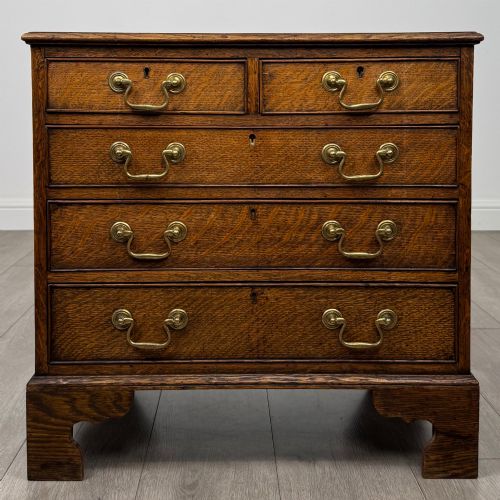
Vintage Oak Dresser Drawers
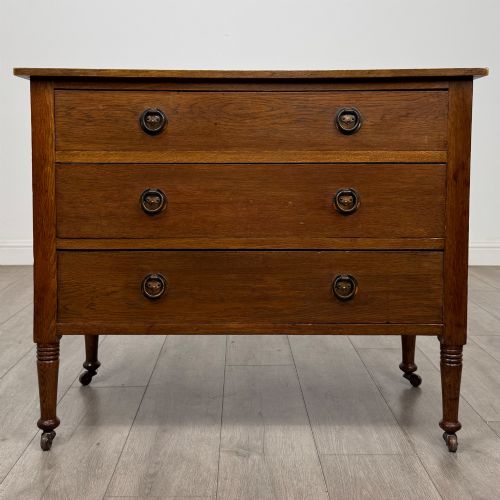
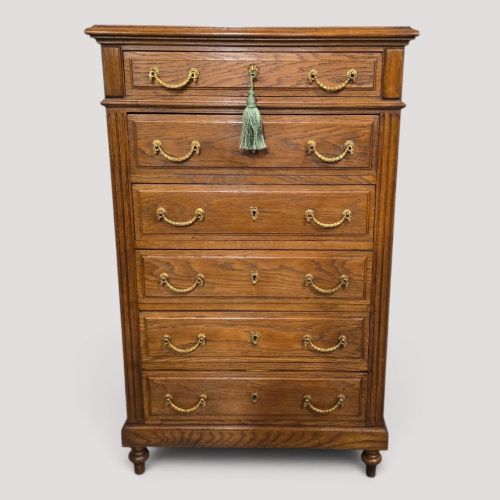
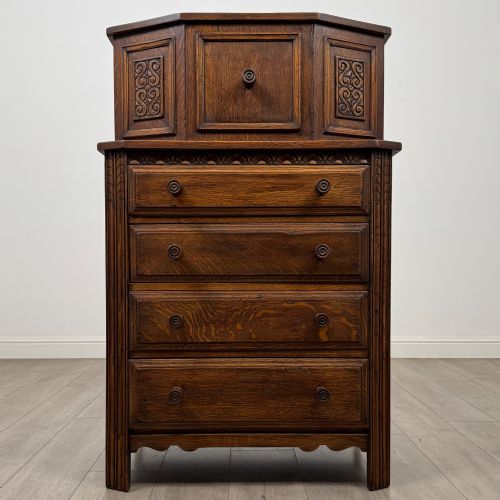
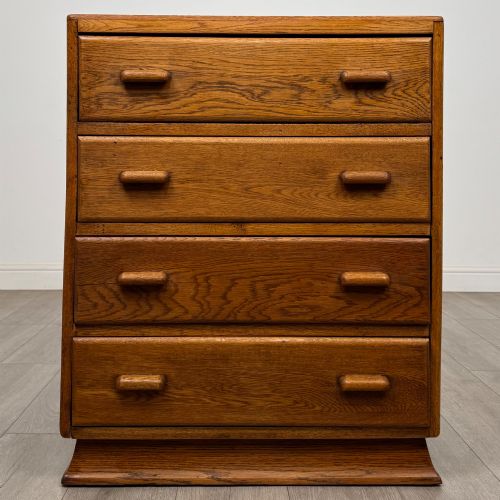
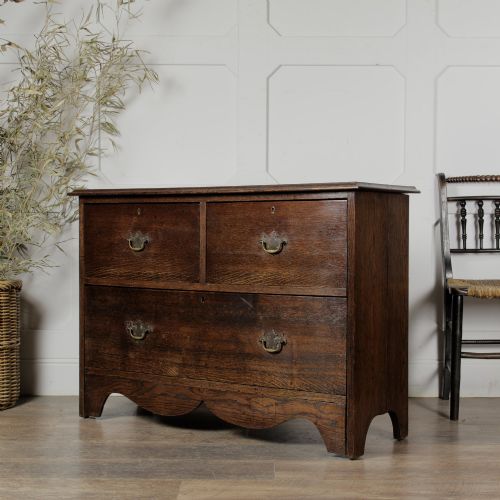
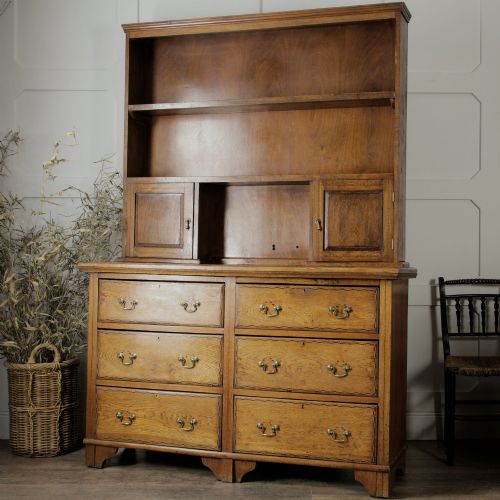
These vintage oak dresser drawers bring honest utility and rich grain to any room, offering the sturdy storage every traditional interior needs.
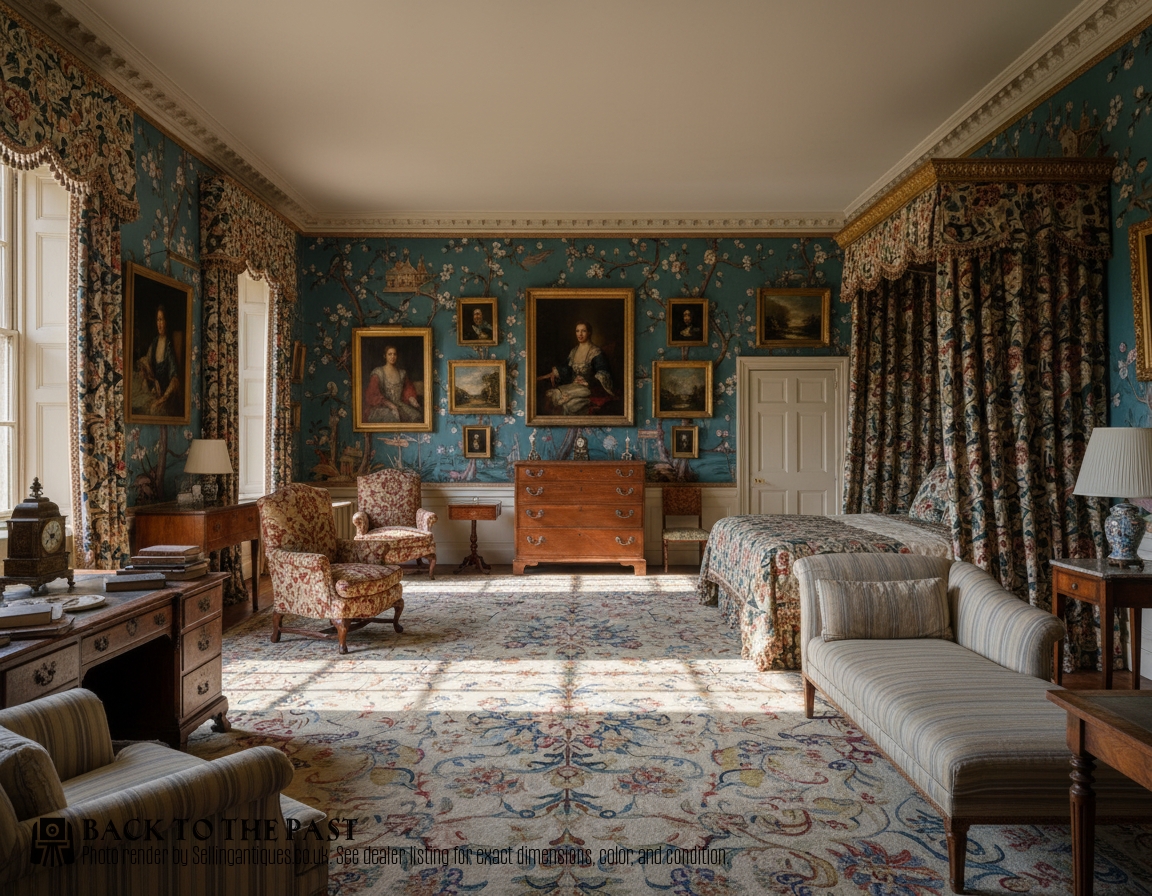
Understanding Vintage Oak Dresser Drawers
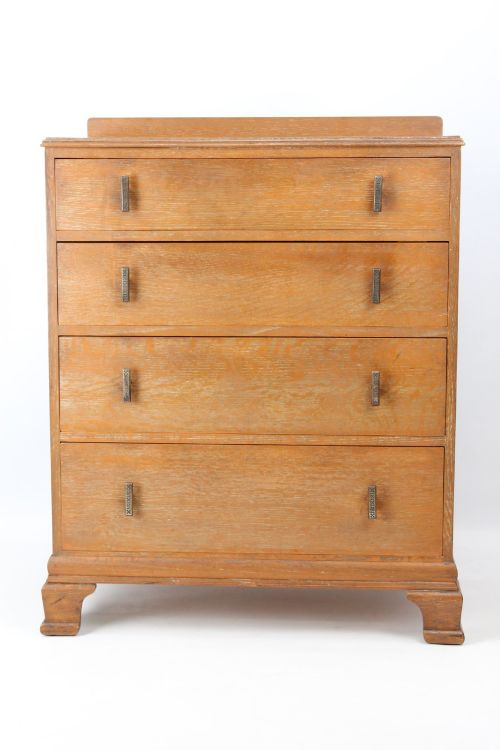
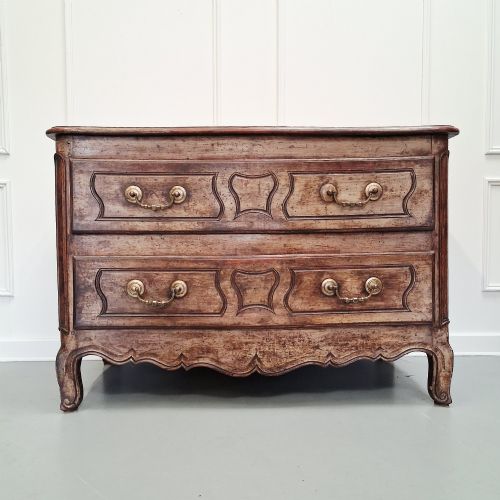
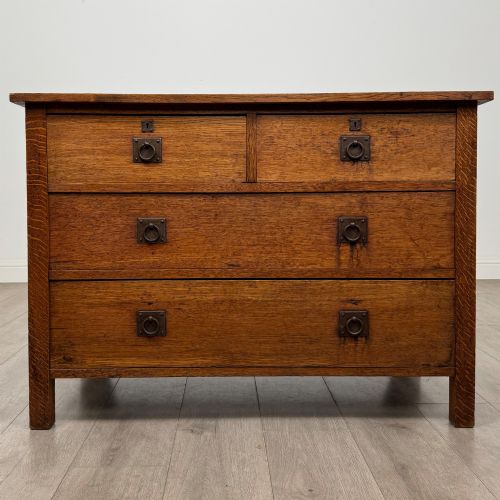
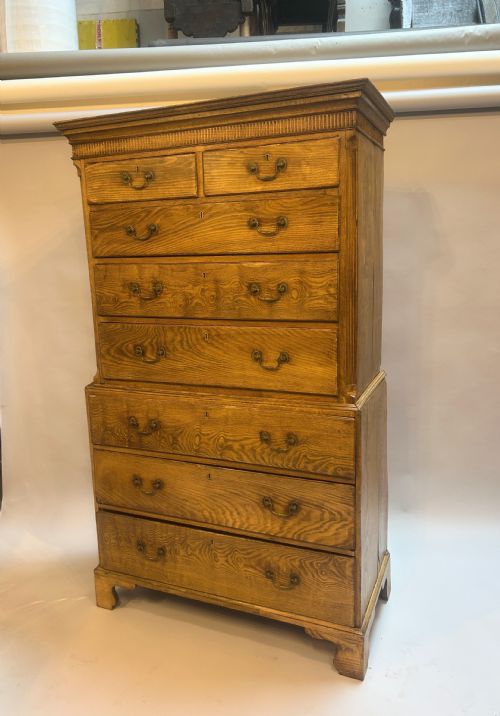
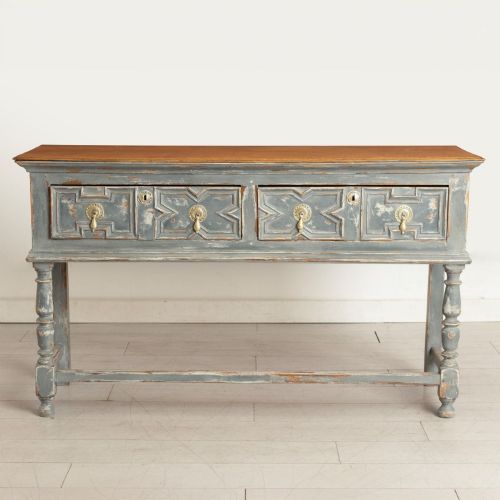
Vintage oak dresser drawers comprise sturdy chests constructed primarily during the eighteenth century and the early twentieth century. These foundational forms appear in Georgian and mid-century modern styles, offering deep storage capacity for domestic spaces.
Buyers frequently encounter examples dating from the seventeen-fifties through to nineteen-twenty. Each piece displays the distinct proportions and functional design characteristic of its specific period of origin.
Materials and Construction
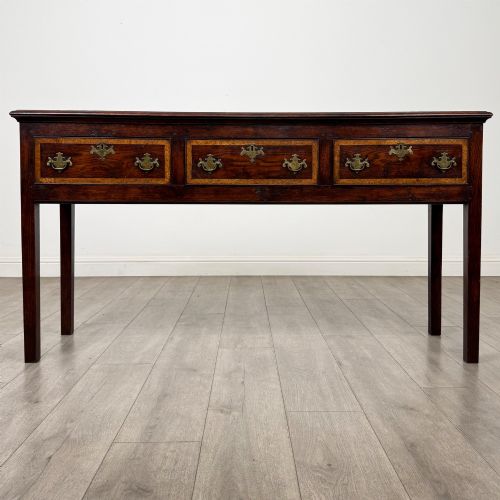
Construction relies upon solid oak timbers, occasionally paired with fruitwood inlay for decorative contrast on drawer fronts and panels. Cabinet makers utilised these durable woods to ensure long-term structural integrity.
Hardware components incorporate brass and iron fixtures for handles and escutcheons. These metal elements secure the drawers and complement the warm tones of the timber.
Current listings span the eighteenth century, seventeen-fifty, and nineteen-twenty, featuring oak, brass, iron, and fruitwood inlay.
Assessing Quality and Character
Quality separates through the subtlety of surface grain and the integration of decorative details such as fruitwood inlay. Finer examples display harmonious proportions across Georgian and eighteenth-century forms.
The selection of cabinet hardware, from brass pulls to iron fittings, distinguishes standard functional pieces from those possessing greater refinement. Timber selection and timber age further define the upper tier of these chests.
The Vintage Oak Dresser Drawers Glossary
- Georgian
- A style spanning the eighteenth century characterised by classical proportions and balanced design. Pieces from this era reflect the architectural ideals of the reigns of the Georges.
- Fruitwood inlay
- A decorative technique where lighter or contrasting fruitwood is inserted into the oak surface to create patterns. This ornamentation enhances the visual appeal of drawer fronts.
- Escutcheon
- A protective plate surrounding the keyhole of a drawer. These brass or iron fixtures prevent the surrounding timber from wearing down through repeated use.
- Mid-century modern
- A style reflecting post-war design principles focusing on clean lines and functional simplicity. Examples in this tradition strip away ornamentation to highlight natural materials.
Frequently Asked Questions
How do I date an oak chest?
Dating relies upon examining construction methods, timber characteristics, and stylistic traits associated with specific periods like the eighteenth century or nineteen-twenty.
Changes in hardware materials such as brass and iron also provide reliable clues to a piece's age.
Where should I place these drawers?
These robust chests suit bedrooms, hallways, or living spaces where deep storage proves practical. Their traditional appearance anchors neutral or historic room schemes effectively.
Ensure adequate clearance for drawer pulls and movement in tighter corridors or alcoves.
How do I care for oak furniture?
Maintain the timber by dusting regularly with a soft, dry cloth and avoiding excessive moisture. Occasional waxing preserves the natural finish of the oak.
Keep pieces away from direct heat sources to prevent the wood from splitting or warping over time.
What defines Georgian oak furniture?
Georgian pieces balance utility with restrained classical ornament, often featuring clean lines and solid proportions. Cabinet makers during this era prioritised structural durability alongside refined appearance.
Subtle details like fruitwood inlay frequently elevate the sophistication of these functional storage items.