
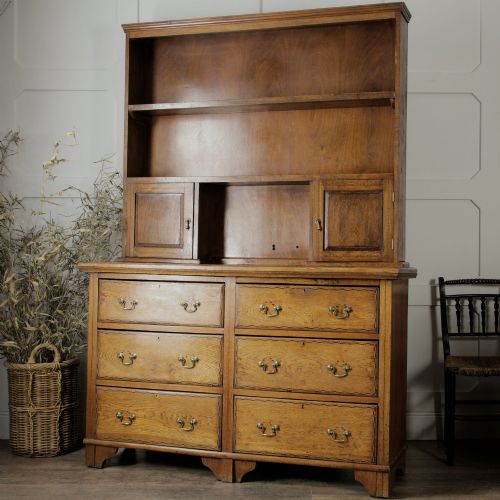
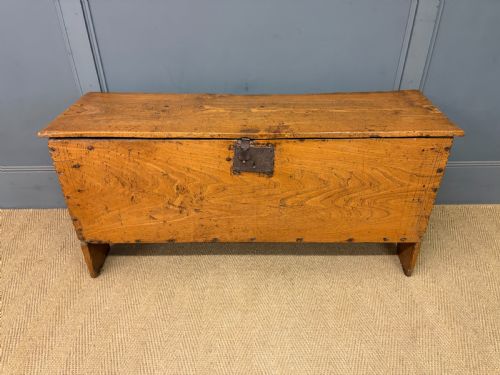
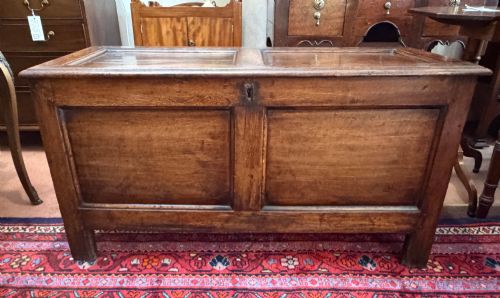
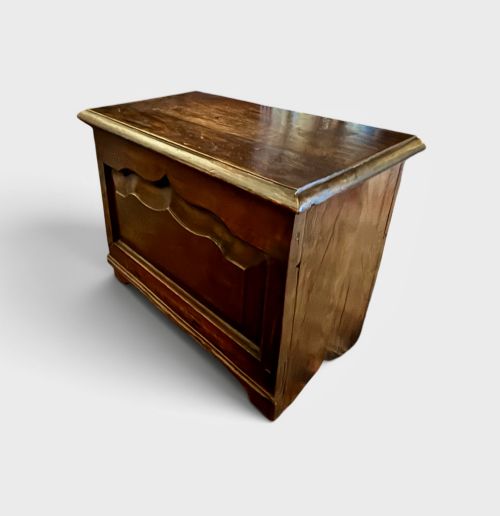
Country Oak Storage Chest
A country oak storage chest is a sturdy domestic box or drawer unit built for utility, offering robust timber construction and centuries of practical charm.
Country Oak Storage Chest
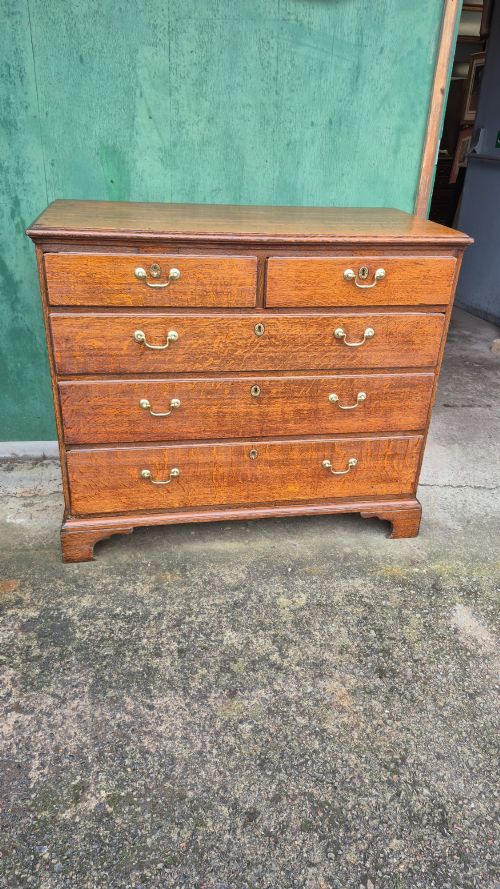
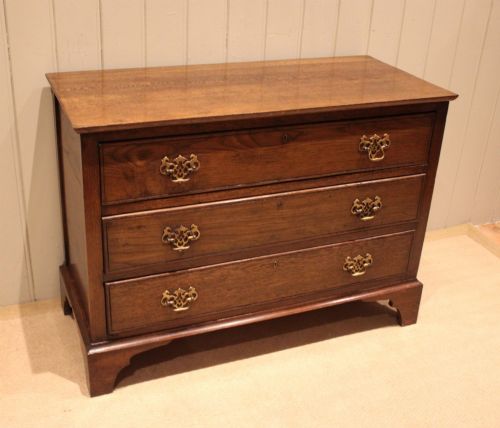
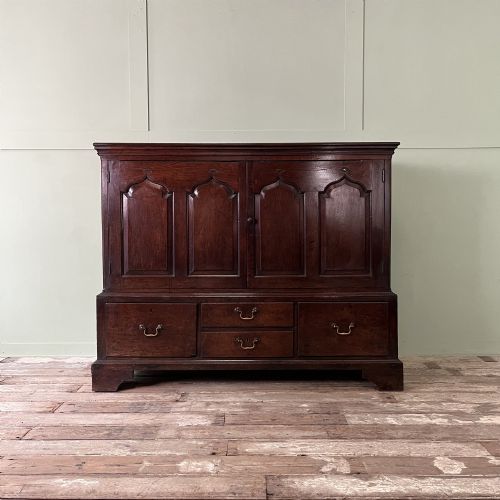
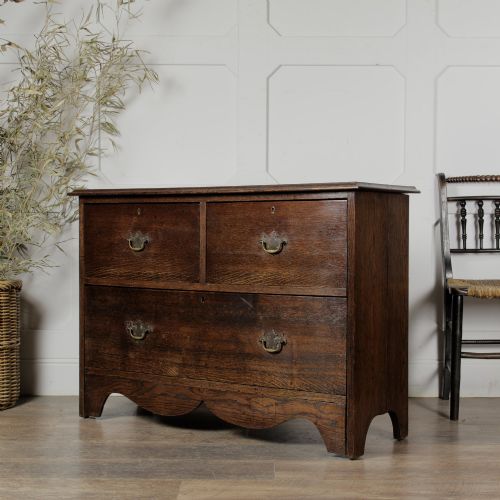
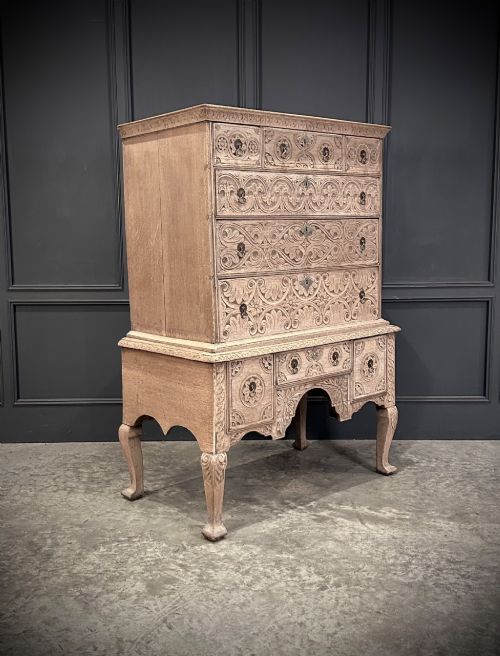
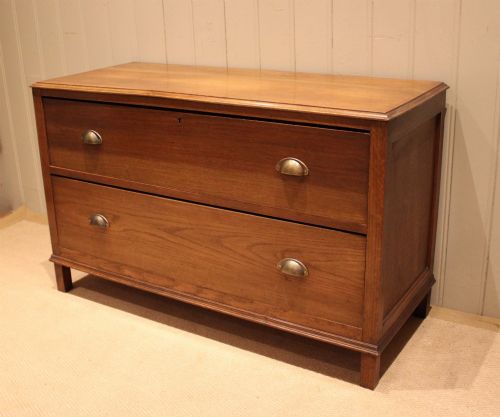
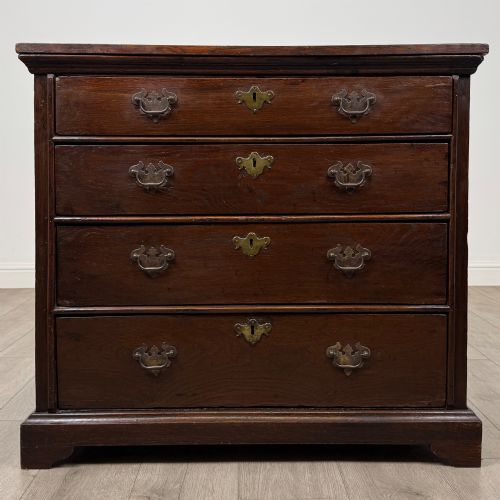
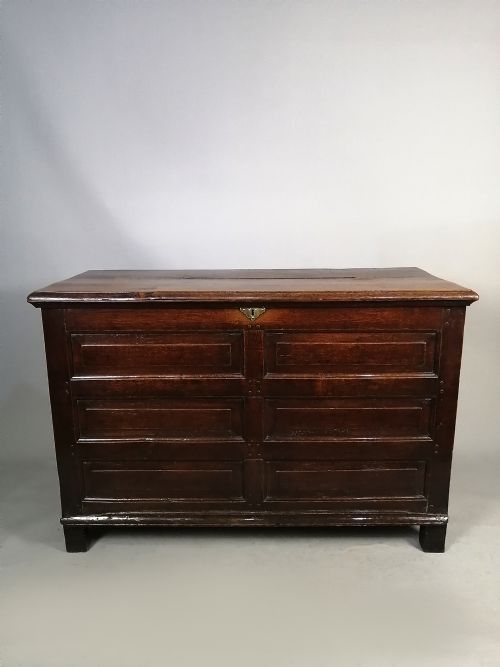
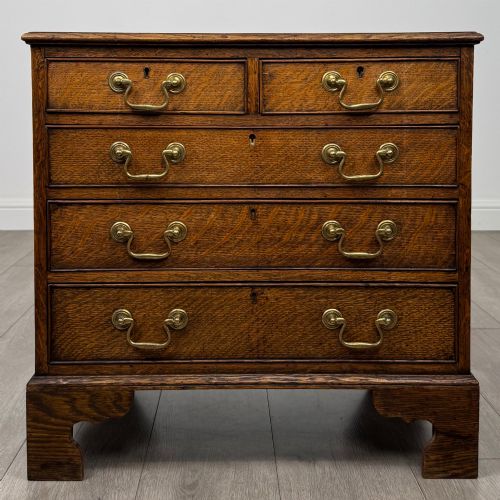
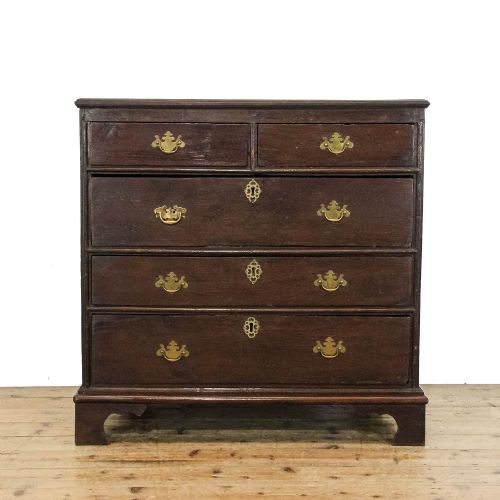
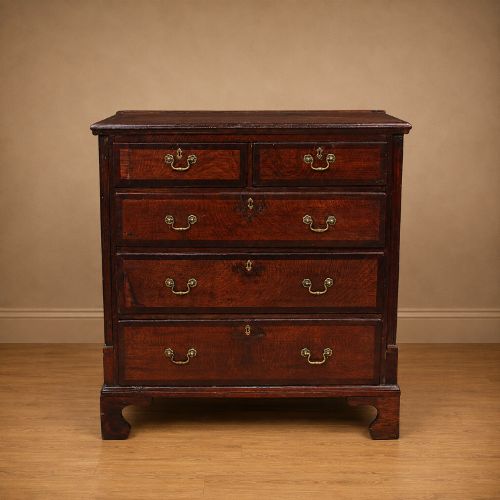
A country oak storage chest brings substantial rural utility into a modern room, serving as a robust repository for household linens, garments, or everyday belongings. When exploring this selection, buyers encounter various functional forms including traditional panelled coffers, mule chests equipped with lower drawers, and classic chests of drawers dating from the seventeenth to the twentieth century.
The regional variety spans English, Welsh, and continental workshops, displaying distinct vernacular traits such as carved panels, plain boarded construction, or added mahogany crossbanding. Pieces range from early seventeenth-century examples to later Georgian and twentieth-century interpretations, each reflecting the domestic requirements of its original rural setting.
Materials and Construction
Makers relied primarily on native oak, frequently supplemented by elm, pine, and mahogany for secondary timbers or decorative details. Structural integrity depended on pegged mortise and tenon joints in early coffers, while later drawer units utilised dovetail joinery for stability.
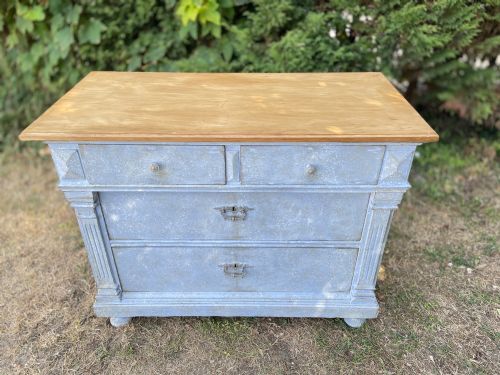
Hardware played an essential functional role, incorporating forged iron hinges, latches, and brass handles or escutcheons. Surfaces were often left unfinished to acquire natural patination through daily use, though occasional examples feature painted finishes or bleached treatments.
Country Oak Storage Chest Retail Price Guide 2026
Typical asking prices for country oak storage chest among the pieces listed under this phrase on Sellingantiques today, from the lower quarter to the upper quarter. They describe what is for sale here now, not the wider market.
Listings span oak, elm, pine, and mahogany across periods from the seventeenth century to the early twentieth century.
Assessing Quality and Character
Quality rests in the integrity of the timber selection and the retention of original structural components, such as unreplaced hinges, feet, and boards. Superior examples exhibit deep, natural surface patina earned through centuries of handling, whereas heavily restored or later pieces lack this depth of age.
The refinement of the joinery and any carved or panelled detailing distinguish provincial work from more polished urban pieces. Proportions and timber figure also dictate the visual weight of the item within an interior space.
The Country Oak Storage Chest Glossary
- Coffer
- A large wooden box with a hinged lid used historically for storing valuables and household goods. These often feature panelled construction and date from the seventeenth and eighteenth centuries.
- Mule chest
- A storage chest that incorporates one or more drawers beneath the main lifting compartment. This form bridges the traditional coffer and the modern chest of drawers.
- Crossbanding
- A decorative border technique where narrow strips of veneer, frequently mahogany, are laid across the grain of the primary timber. This adds a refined contrast to Georgian drawer fronts.
- Linen fold
- A carved wood pattern resembling folded linen cloth, commonly seen on panels of early seventeenth-century coffers. It provides architectural texture to plain surfaces.
- Bible box
- A small tabletop desk or storage box designed to hold sacred texts and writing materials. These portable pieces often share the construction methods of larger chests.
Country Oak Storage Chest: Frequently Asked Questions
How do I distinguish a mule chest?
A mule chest combines the traditional top-opening lid of a coffer with one or more functional drawers built into the base. This hybrid form emerged to provide easier access to stored garments.
Makers frequently added mahogany crossbanding to these lower drawers during the Georgian period.
Where were these chests made?
These pieces originated in rural domestic workshops across England, Wales, and continental Europe. Regional vernacular styles developed depending on local timber availability and woodworking traditions.
Welsh and provincial French examples often display distinct decorative traits compared to standard English pieces.
How should I care for antique oak?
Antique oak benefits from stable indoor humidity and protection from direct heat sources. Regular application of traditional beeswax helps maintain the natural moisture and sheen of the timber.
Avoid modern silicone polishes, which can build up and dull the historic patina.