


Traditional Wooden Coffer
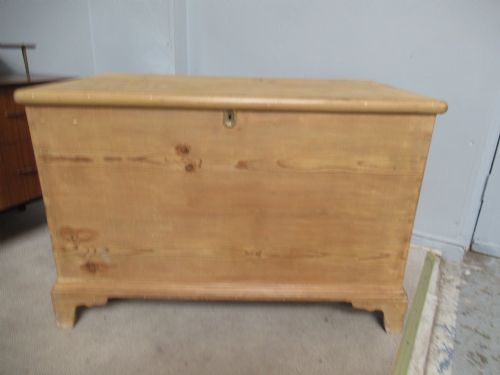
A traditional wooden coffer offers timeless storage, built from sturdy oak or pine to anchor a room with enduring utility.

What these pieces are
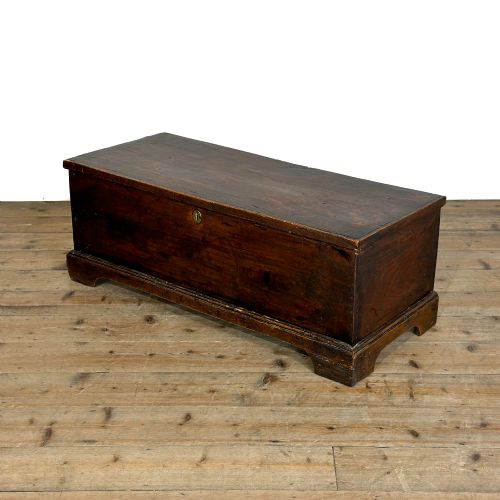
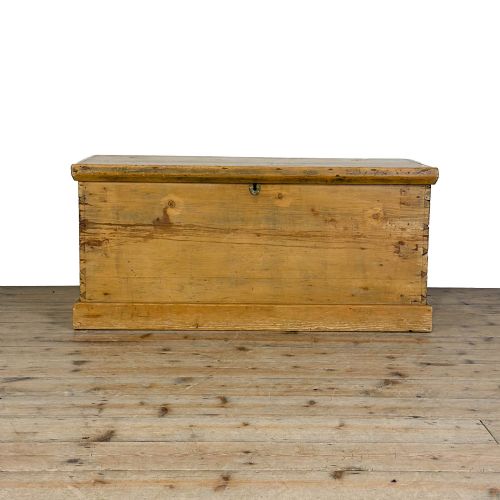
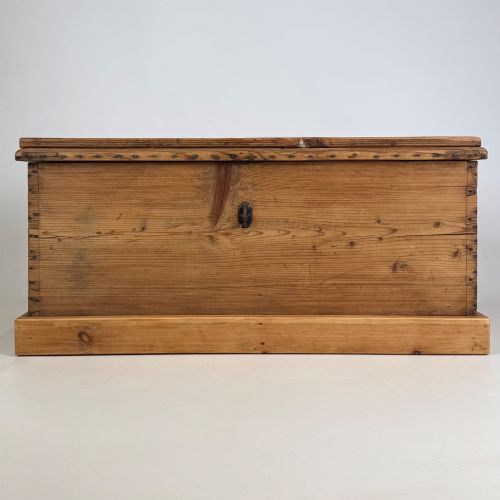
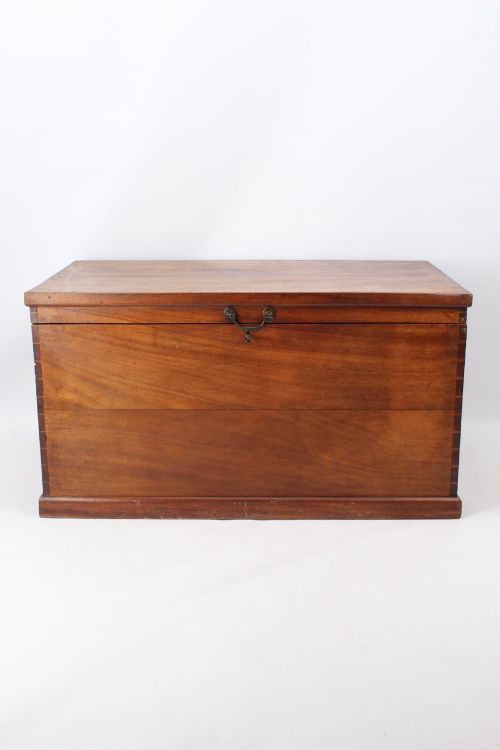
A traditional wooden coffer serves as a robust storage box, frequently utilised as a blanket box or carpenters box. These pieces emerge from periods spanning the seventeenth century through to the Victorian era.
How they were made
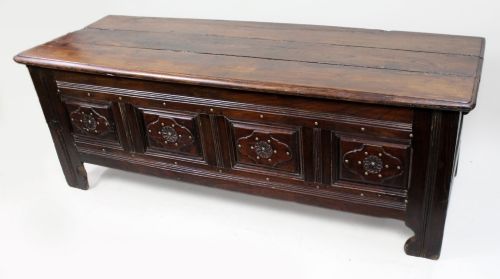
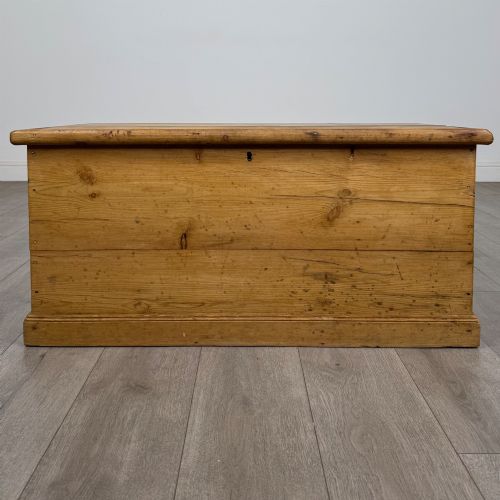
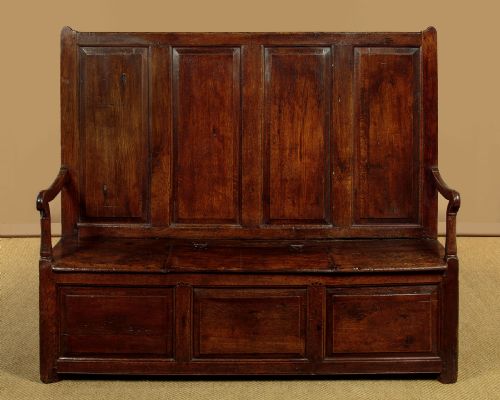
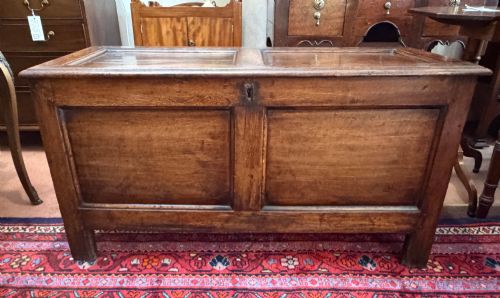
Carpenters constructed these coffers primarily from solid oak and pine timber. Structural reinforcement relied heavily on iron hinges, brackets, and fastenings.
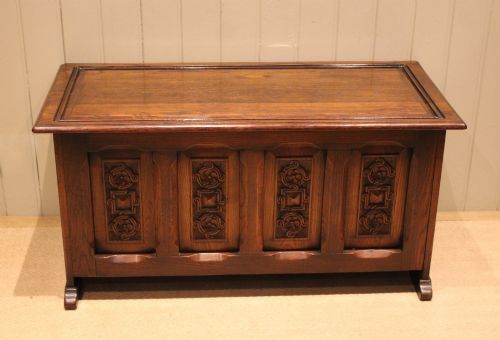
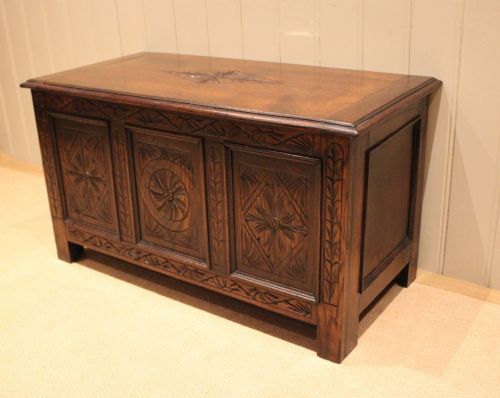
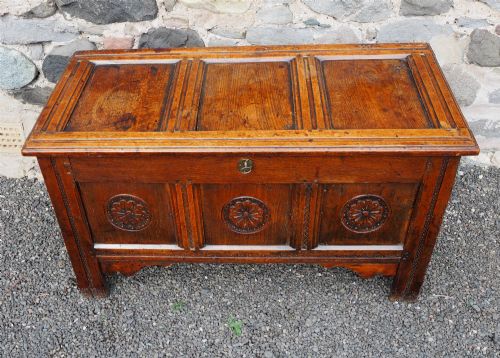
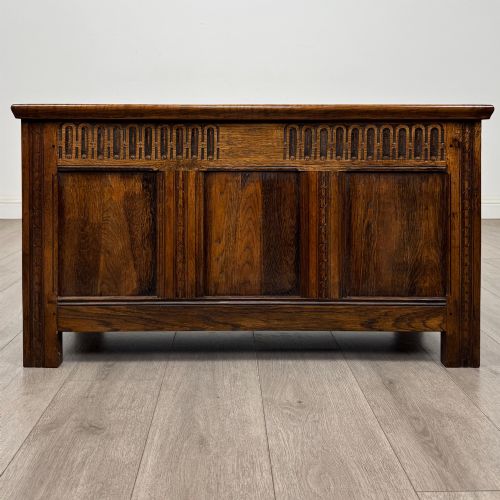
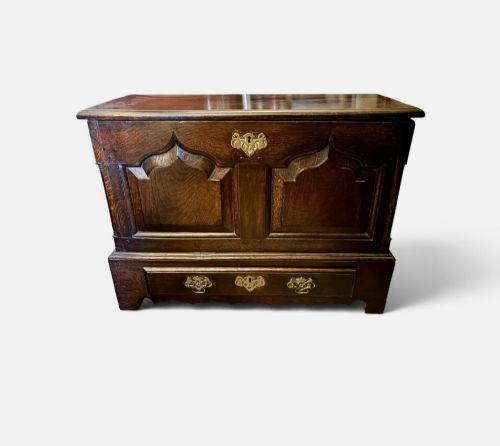
Surface treatment varied from plain waxed oak to applied paint. Panel construction and carved detailing defined the aesthetic of earlier oak examples, while pine pieces often received simple painted finishes.
Retail Price Guide 2026
Typical UK retail prices for traditional wooden coffer, calculated from the Sellingantiques database of over a million retail prices indexed since 2003. This retail price guide relies exclusively on Sellingantiques data; no external sources or auction records are used, so the figures do not describe the wider market.
The listings on this page span several centuries, featuring pieces made from oak, pine, and iron across Victorian, seventeenth century, and eighteenth century periods.
What varies in quality
The distinction between standard utility boxes and finer examples rests upon the quality of the timber and the depth of the cabinetmaker's skill. Early seventeenth century pieces display intricate carving and inlaid details that set them apart from later, more utilitarian pine boxes.
Proportion and construction integrity dictate the overall presence of each coffer. Solid oak framing with well-fitted panels demonstrates superior craftsmanship compared to simpler nailed pine storage chests.
The Traditional Wooden Coffer Glossary
- Panelled
- A method of construction where a central wooden board floats within a grooved frame to allow for natural wood movement. This technique prevents the timber from splitting as humidity changes.
- Mule chest
- A traditional storage chest featuring one or more drawers at the base beneath the main compartment. It bridges the design gap between a simple coffer and a full chest of drawers.
- Jacobean style
- An English design aesthetic spanning the early seventeenth century characterised by heavy proportions and geometric carvings. Reproductions of this style appeared later in revival periods.
- Carpenters box
- A utilitarian wooden chest utilised by tradesmen to transport and store tools. These items prioritize rugged construction over decorative refinement.
Frequently Asked Questions
What is a traditional wooden coffer used for?
These pieces function primarily as sturdy storage vessels for household linens, blankets, and bulky items. Historically, they also served as secure containers for valuables and documents.
In modern interiors, a coffer places easily at the foot of a bed or functions as a coffee table with internal storage. Their robust construction allows them to double as occasional seating.
How do I date an antique coffer?
Dating relies heavily on examining the timber species, construction methods, and tool marks visible on the interior. Seventeenth century examples frequently feature hand-split oak panels and pegged joints.
Later Victorian pieces often utilise machine-sawn pine and standardised iron fixings. Stylistic cues like carved motifs provide additional context for the period of manufacture.
Are pine coffers less durable than oak ones?
Pine is a softer timber than oak, meaning it dents and marks more readily during daily use. However, a well-constructed pine mule chest or carpenters box remains entirely sturdy for domestic storage.
Oak offers greater structural density and resilience, which accounts for its prevalence in formal seventeenth and eighteenth century furniture.
How do I care for a wooden coffer?
Maintenance requires keeping the timber away from direct heat sources and drastic humidity shifts to prevent splitting. Regular application of a quality beeswax preserves the finish and nourishes the wood.
Avoid using modern silicone sprays or harsh chemical cleaners on antique surfaces. Gentle dusting with a dry cloth maintains the natural patina.