

Pine Blanket Chest
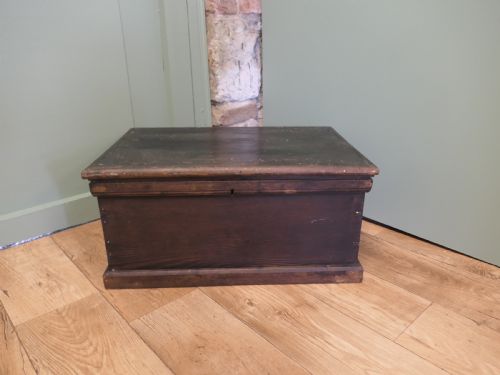
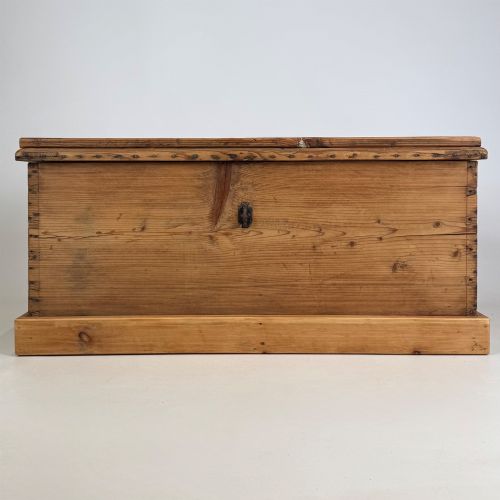
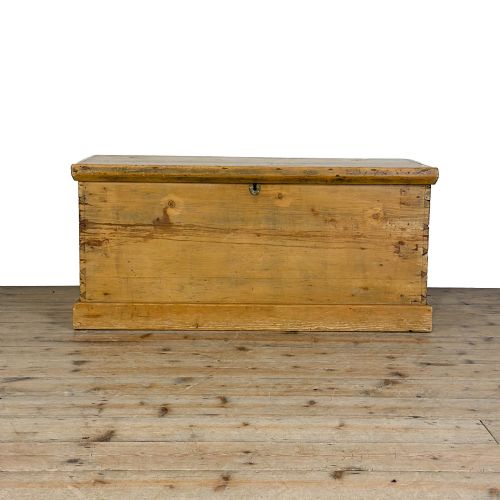
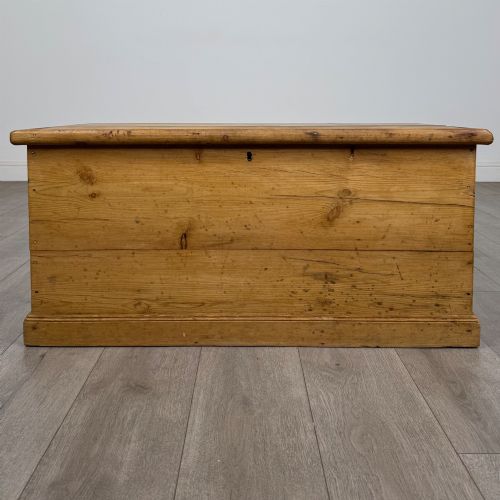
When you search for a pine blanket chest, you look for a sturdy timber storage box that has held household linens, clothes and valuables for generations.

Pine Blanket Chest
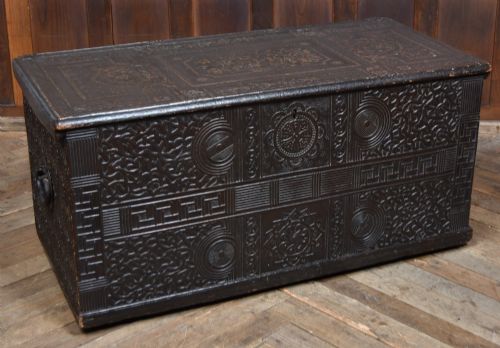
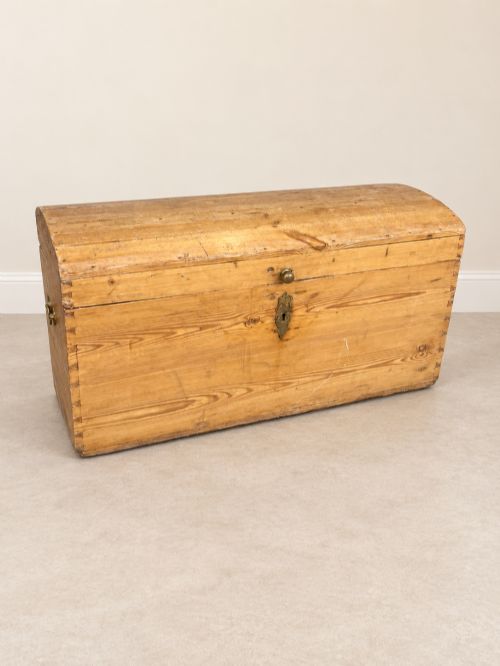
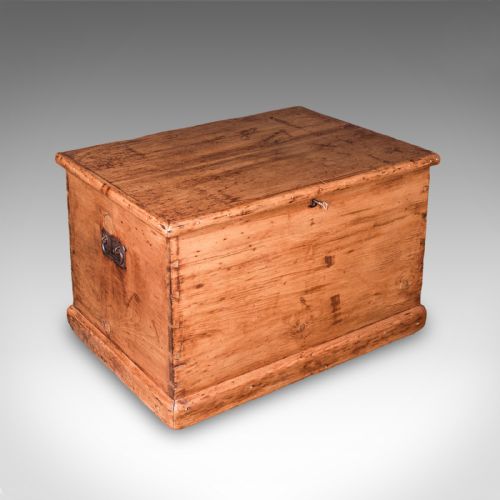
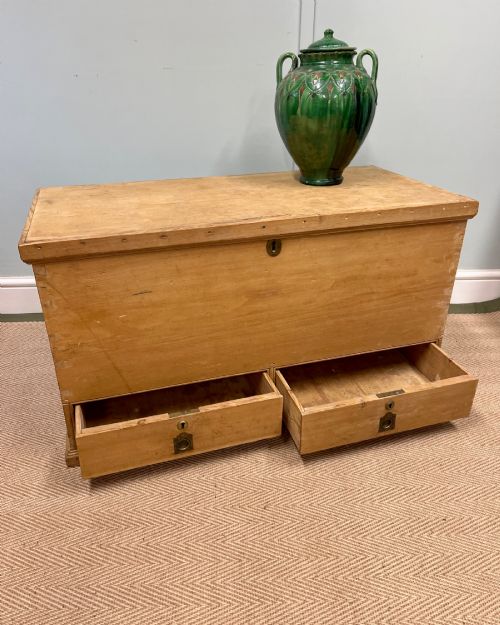
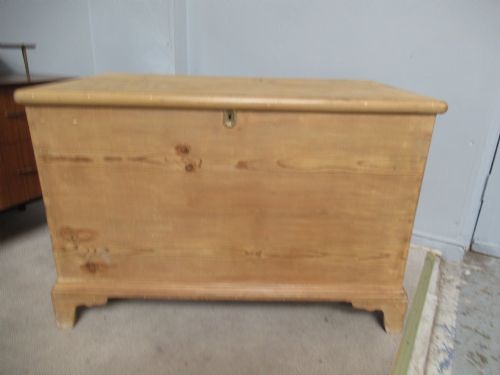
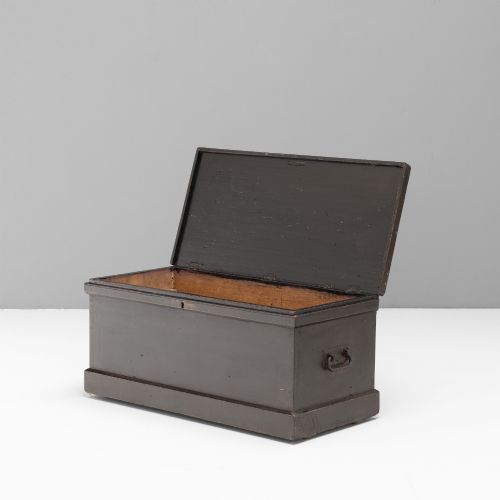
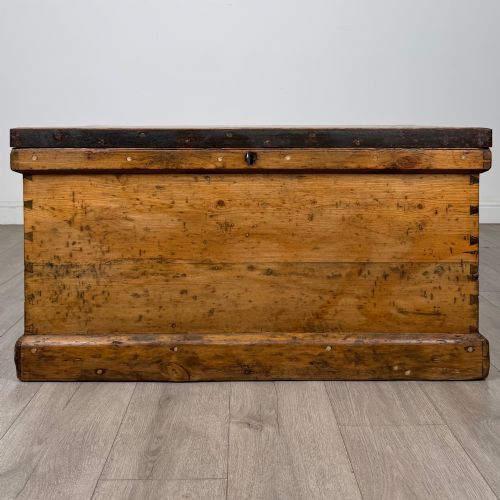
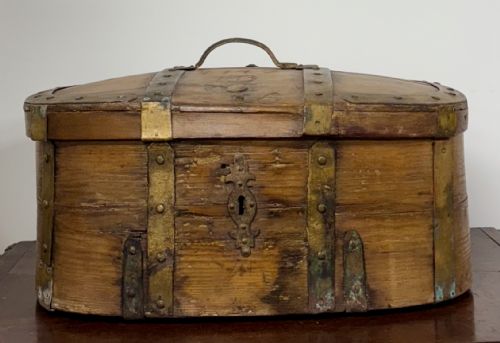
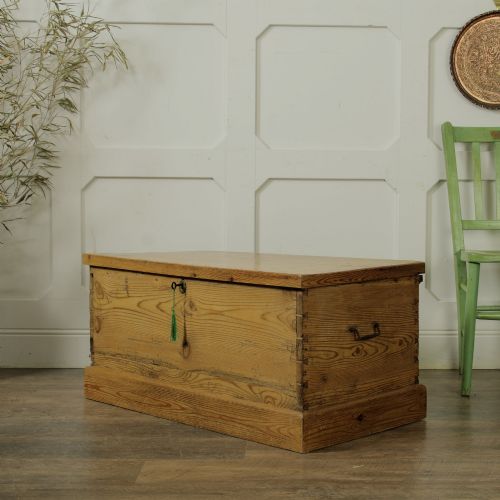
A pine blanket chest provides deep, dependable storage with a hinged lid, serving households across the 18th, 19th and early 20th centuries. These timber boxes appear in vernacular forms such as mule chests with lower drawers, dome-topped travel trunks, and fitted storage boxes with internal compartments.
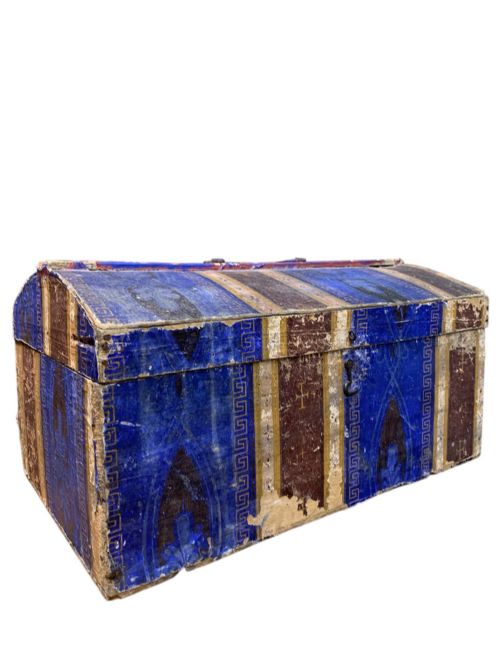
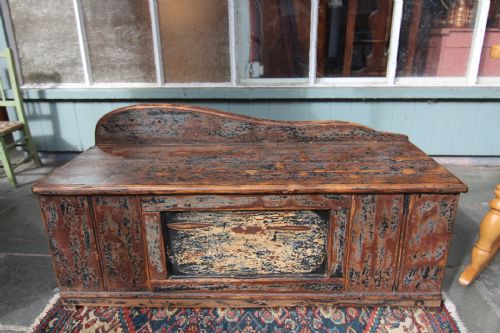
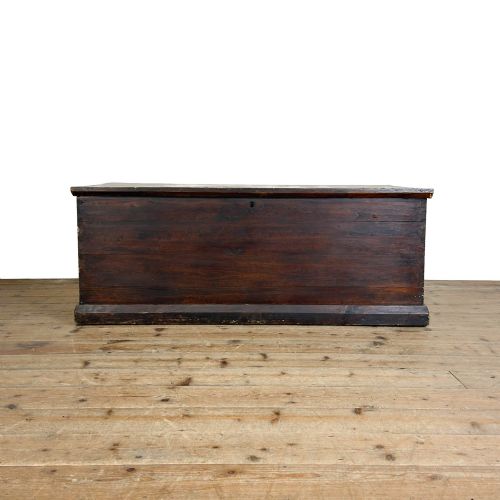
Most examples met on this page date from the Victorian and Georgian eras, constructed in Britain, Scandinavia, and wider Europe. They range from plain, waxed utility boxes to highly decorative painted pieces and iron-bound travel chests.
How they were made
Makers utilised softwoods including standard pine and pitch pine, often pairing them with structural hardwoods like oak where extra strength was required. Iron, brass, and wrought iron supplied hinges, lock plates, and corner straps to reinforce the timber joints.
Surfaces received various treatments depending on origin and function, from simple wax finishes to hand-applied paint, scumble glazes, and intricate folk art decoration.
Pine Blanket Chest Retail Price Guide 2026
Typical asking prices for pine blanket chest among the pieces listed under this phrase on Sellingantiques today, from the lower quarter to the upper quarter. They describe what is for sale here now, not the wider market.
Listings feature regional variations spanning British, Scandinavian, French, and Hungarian workshops in pine, pitch pine, and painted softwood.
What varies in quality
Quality rests in the integrity of construction, the thickness of the timber, and the survival of original surface treatments like paint, wax, or scumble. Dovetail joints, hand-forged iron strapwork, and internal fittings such as candle boxes or secret drawers elevate an ordinary box into a finer piece of regional furniture.
The Pine Blanket Chest Glossary
- Mule chest
- A storage chest featuring one or more drawers built into the base beneath the main compartment. This hybrid form bridges the traditional blanket box and the chest of drawers.
- Scumble
- A decorative painting technique involving a translucent glaze dragged or layered over a base colour to imitate the grain of costlier woods. It creates a mottled, textured surface typical of 19th-century country furniture.
- Pitch pine
- A dense, resinous softwood with a prominent grain pattern utilised for heavy-use items like travel trunks and maritime chests. It offers superior durability compared to standard plantation pine.
- Coffer
- A heavy, robust wooden box traditionally used for storing valuables, documents, or textiles. These pieces often feature sturdy stile construction and substantial iron hardware.
- Candle box
- A small internal compartment fixed inside a chest to hold tallow candles and small sundries away from the main textiles. Its presence indicates a well-preserved original interior.
Pine Blanket Chest: Frequently Asked Questions
What is a mule chest?
A mule chest combines a traditional lift-lid blanket box with one or more drawers built into the base. This design allowed users to access smaller garments without opening the main heavy lid.
Such pieces date predominantly from the Georgian and early 19th-century periods, often constructed from pine or oak.
How do I date an old pine box?
Dating relies on examining construction methods, nail types, hinges, and timber characteristics. Hand-cut dovetails and hand-forged ironwork generally point to 18th-century or earlier origins, whereas machine-sawn boards and brass hinges suggest Victorian manufacture.
Surface treatments, such as original paint or scumble glazes, also provide vital clues to the era of production.
Were these chests painted originally?
Many regional and continental European chests received decorative paint layers, including folk art motifs, marriage decorations, or scumble finishes. British vernacular pieces were frequently left as bare wood, scrubbed, or later waxed to highlight the natural grain.
Surviving early paint adds considerable character and historical context to the piece.
How can I use one at home?
These chests function effectively as living room coffee tables, bedroom end-of-bed storage, or hallway toy boxes. Their flat tops and generous interior volumes provide practical utility alongside historical presence.
Placing them in dry areas preserves the timber and any remaining surface wax or paint.