

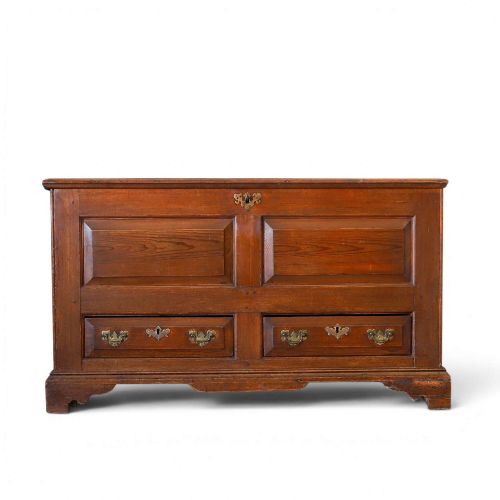
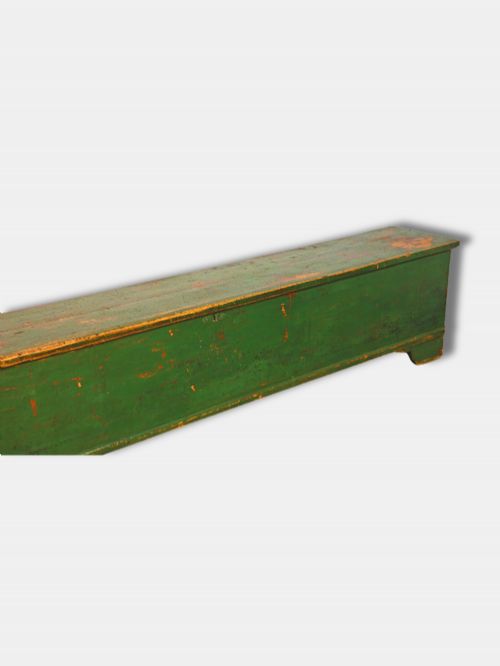
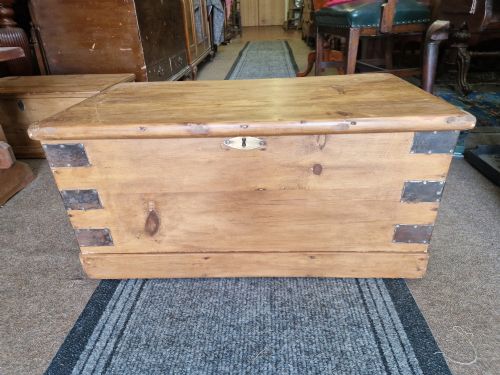
Vintage Pine Coffer
A vintage pine coffer provides sturdy domestic storage, combining utilitarian timber construction with regional painted or waxed finishes.
Vintage Pine Coffer
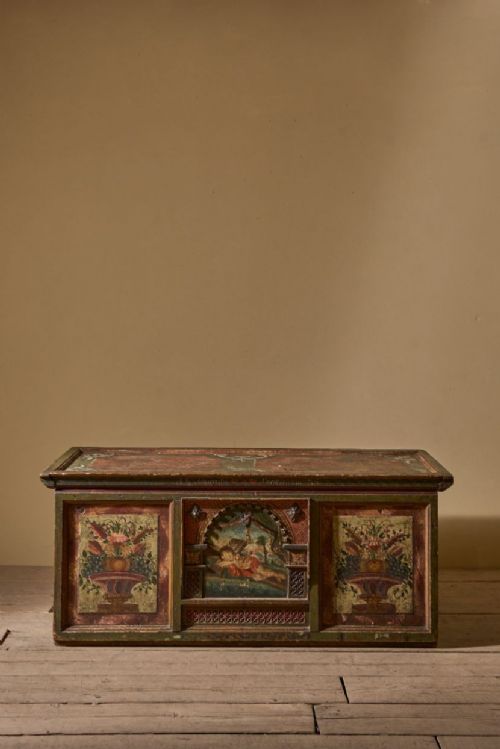
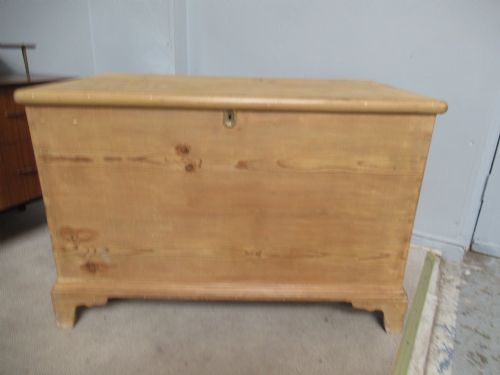
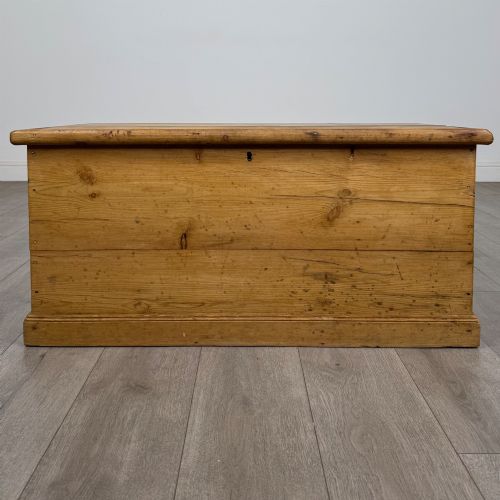
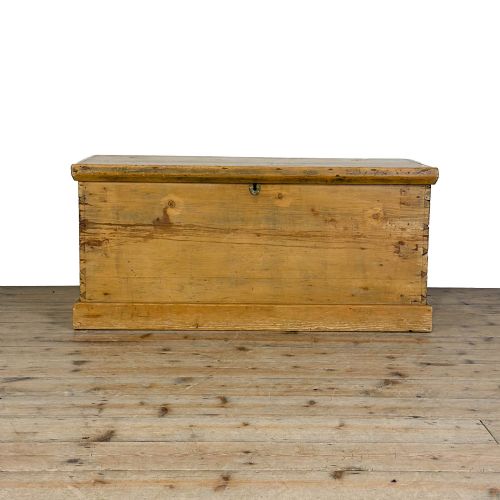
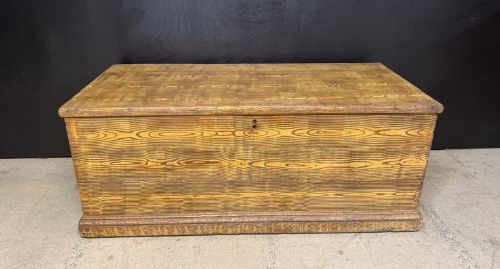
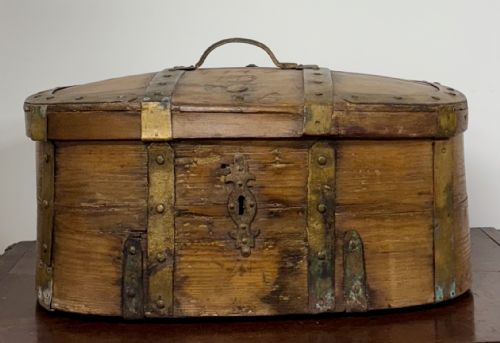
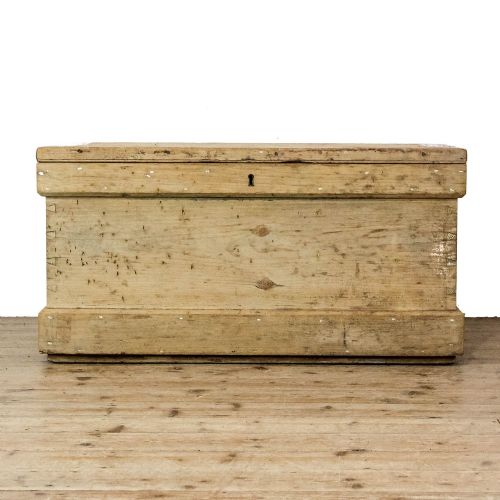
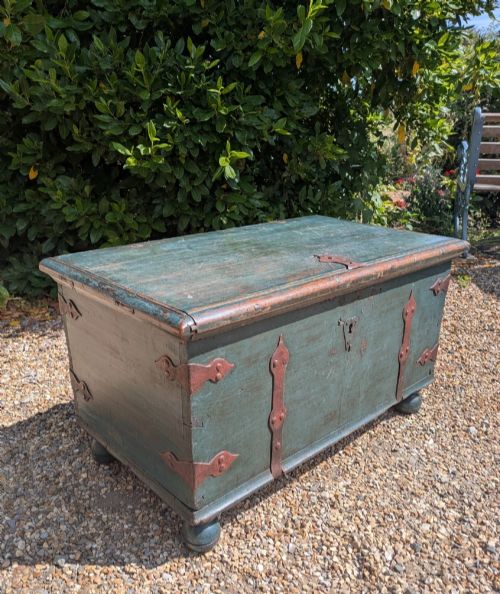
When you search for a vintage pine coffer, you encounter robust storage chests and blanket boxes designed for domestic utility. These pieces originate from various periods including the eighteenth and nineteenth centuries, as well as the Victorian era. The selection spans straightforward utility boxes to painted marriage trunks and regional European examples.
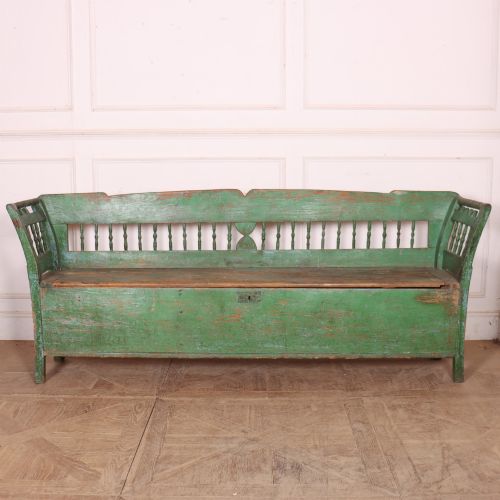
The most common items on this page are nineteenth-century Victorian pine blanket boxes, alongside travel trunks and storage chests. Many examples retain original paint finishes, scumble glaze, or wax treatments. Regional variations include Scandinavian, Austrian, Welsh, and Hungarian pieces in both standard pine and pitch pine.
How they were made
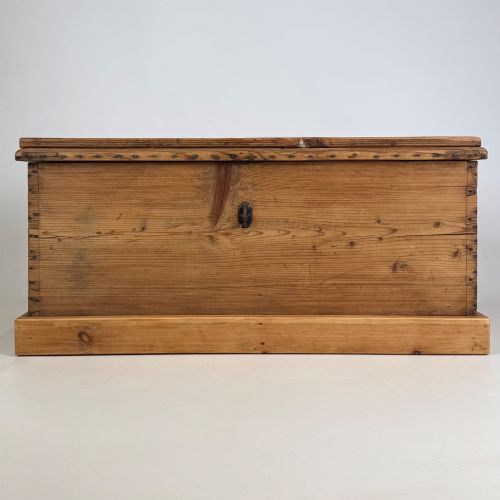
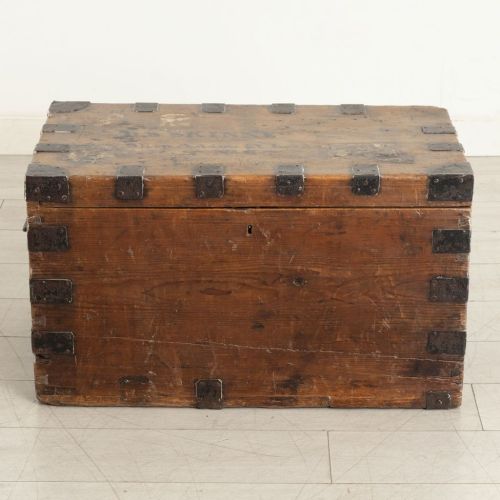
Constructed primarily from pine and pitch pine, these coffers utilise solid timber planks joined to form deep storage cavities. Joinery is reinforced in many instances with hand-forged iron strapwork, brass bindings, and sturdy hinges. Surfaces receive either transparent wax polishes or applications of coloured pigment and paint.
Vintage Pine Coffer Retail Price Guide 2026
Typical asking prices for vintage pine coffer among the pieces listed under this phrase on Sellingantiques today, from the lower quarter to the upper quarter. They describe what is for sale here now, not the wider market.
Listings feature regional pieces from Hungary, Austria, and Scandinavia alongside British Victorian and Georgian examples.
What varies in quality
The standard of a vintage pine coffer depends largely on the survival of its original surface finish, whether decorative paint or patinated wax. Pieces retaining untouched regional pigment or authentic scumble work command greater interest than stripped timber. The integrity of the original hardware, including hand-forged iron straps and hinges, also dictates overall character.
Structural robustness separates utilitarian containers from finer regional pieces. Well-proportioned examples with dovetail or pegged joints reflect careful carpentry. The presence of internal compartments or specific regional traits further distinguishes standard storage boxes from exceptional examples.
The Vintage Pine Coffer Glossary
- Coffer
- A large wooden chest used for storing valuables, linen, or household goods. These containers typically feature hinged lids and sturdy plank construction.
- Scumble
- A decorative painting technique involving a translucent layer of colour dragged over an opaque base. This method creates mottled or aged visual textures on nineteenth-century furniture.
- Pitch pine
- A durable North American and European timber variety characterised by high resin content and prominent grain patterns. Furniture makers utilised this dense wood for heavy-duty travel trunks.
- Strapwork
- Ornamental metal bands or straps applied to chests for reinforcement and visual emphasis. Blacksmiths hand-forged these iron braces to secure corners and lids.
Vintage Pine Coffer: Frequently Asked Questions
How are periods told apart?
Periods are identified through construction methods, hardware styles, and surface treatments like early wax or regional paint. Eighteenth-century examples often display simpler plank joinery and deeper patination.
Victorian and later nineteenth-century pieces frequently incorporate factory-made ironwork, pitch pine construction, or decorative scumble finishes.
Were these painted originally?
Many European and British coffers received protective coats of pigment, blue or green paint, or decorative scumble finishes. These coatings protected the soft pine underneath while adding colour to domestic interiors.
Some pieces retain their original painted surfaces intact, whereas others were stripped down to raw timber during later restorations.
How do I use one?
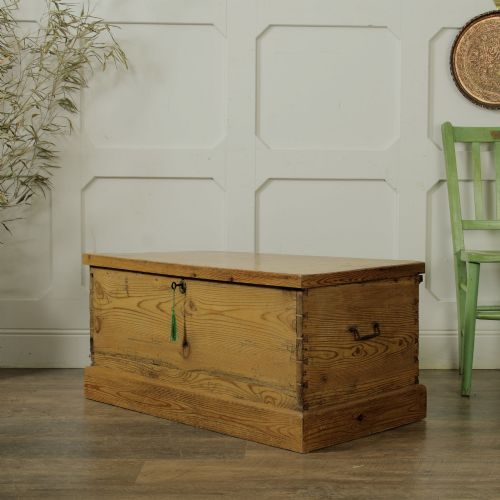
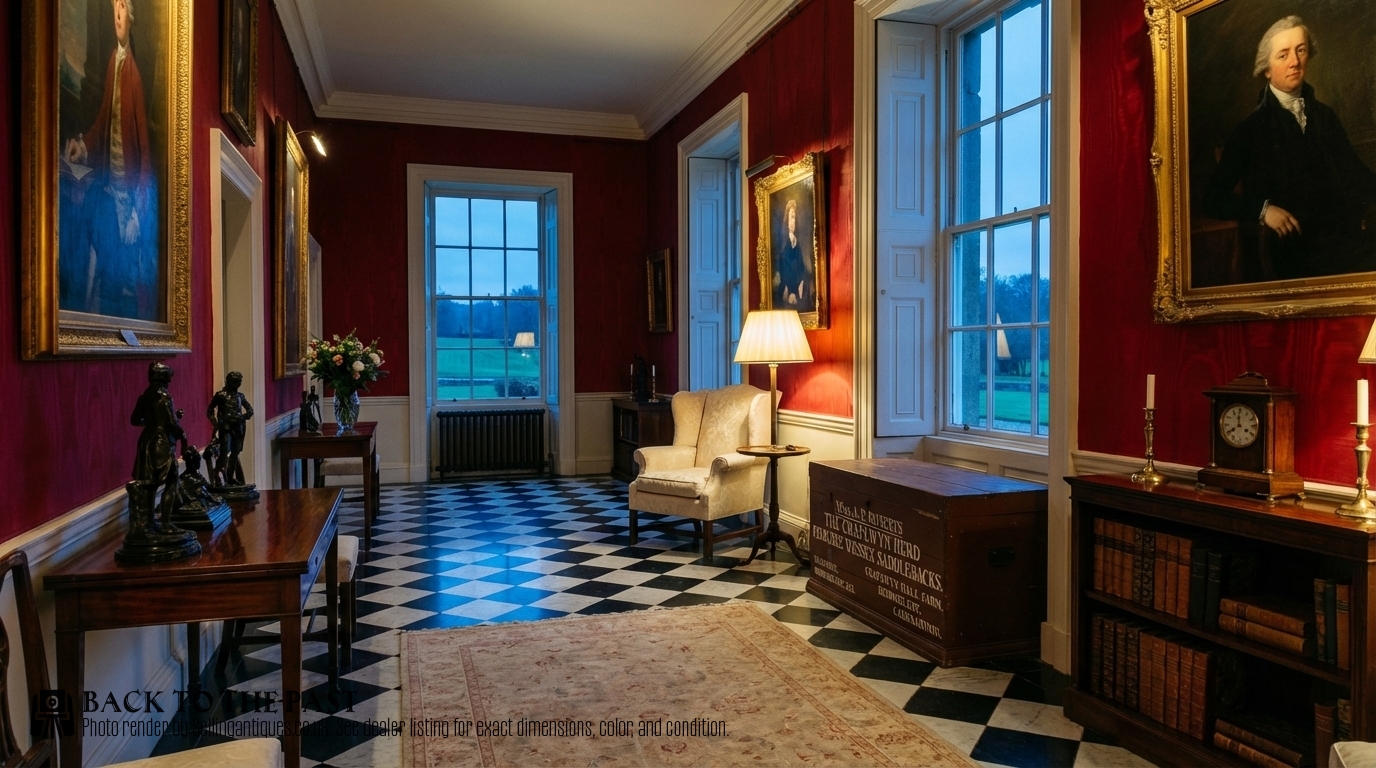
These chests function effectively as living room coffee tables, bedroom blanket boxes, or hallway storage benches. Their deep interiors swallow bulky items while providing a flat surface on top.
Placing them in dry interior spaces preserves the softwood timber and protects any surviving wax or painted decoration.