


Rustic Storage Chest
A rustic storage chest brings practical utility and tactile history to a room through solid timber construction and honest vernacular design.
Rustic Storage Chest
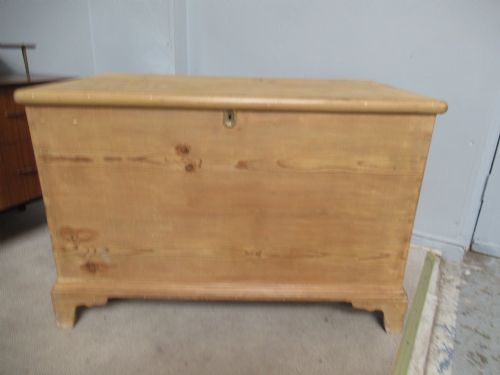
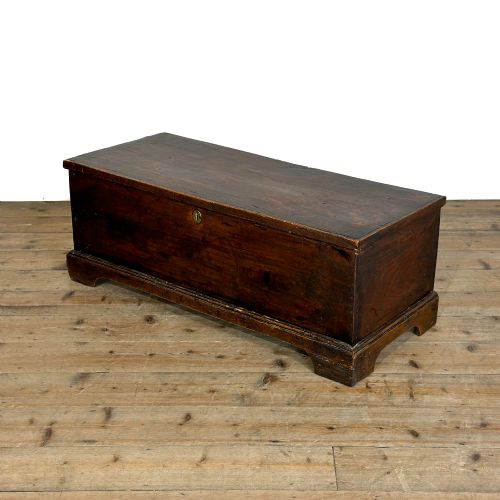
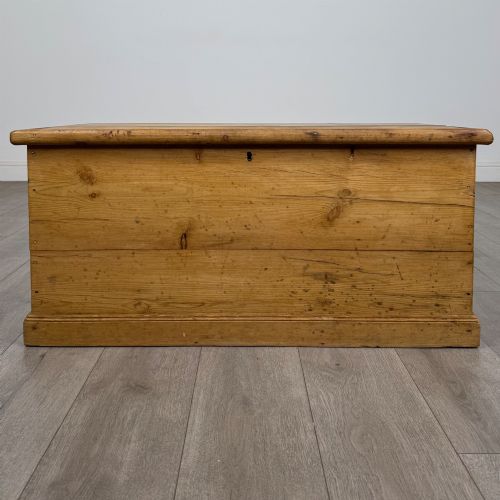
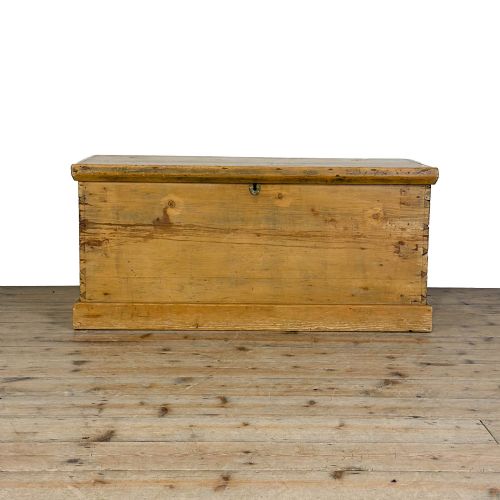
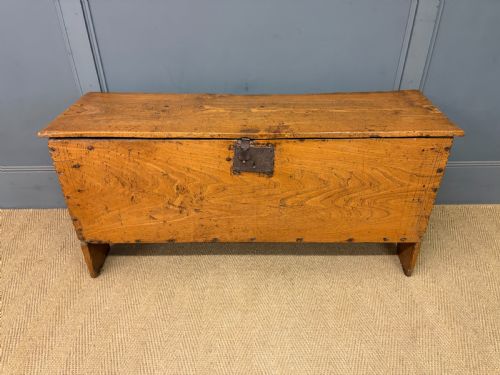
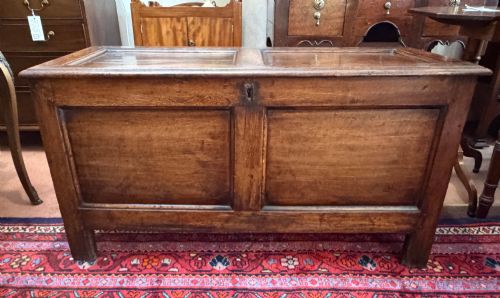
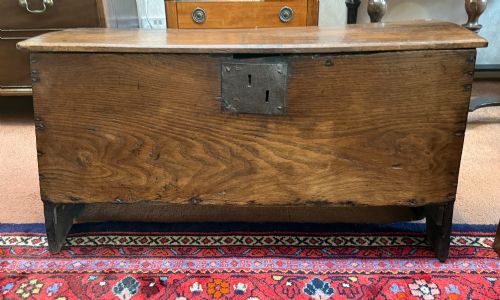
When you search for a rustic storage chest, you encounter solid timber boxes, blanket boxes, coffers, and trunks designed for household storage across several centuries. The most common examples met on this page are pine and oak pieces originating from the seventeenth, eighteenth, and nineteenth centuries.
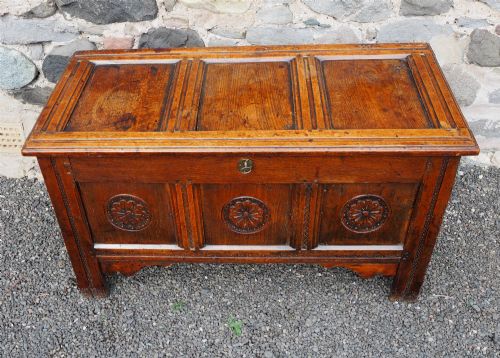
These items take forms ranging from six-plank coffers and panelled oak storage boxes to painted pine blanket boxes and travel trunks fitted with internal compartments. Their utility remains straightforward, offering deep volume for household goods while displaying the simple lines characteristic of country workshops.
How they were made
Makers constructed these chests primarily from native timbers such as pine, oak, elm, and ash, selecting boards for durability and availability rather than ornate grain. Construction methods relied on robust joinery, including dovetails, pegged panels, and six-plank assemblies that could withstand heavy daily use.
Metalwork played a vital structural and protective role, utilising hand-forged iron strapwork, hinges, and brass fittings. Surfaces often received simple finishes of clear wax, traditional paint, or stencilling, leaving the natural texture of the wood visible.
Listings feature storage chests spanning from the 17th century through the Edwardian period, constructed in pine, oak, elm, and iron.
What varies in quality
The standard of a rustic storage chest depends heavily on the integrity of its timber and the retention of its original surfaces. Pieces retaining early paint, undisturbed hand-forged ironwork, and unreplaced floor boards sit at the higher end of the range.
Proportion and regional carpentry traits also distinguish better examples, such as early carved detailing on seventeenth-century oak coffers or the clean lines of eighteenth-century elm pieces. Excessive timber replacement or unsympathetic stripping diminishes the integrity of the object.
The Rustic Storage Chest Glossary
- Cofer
- A heavy wooden chest with a lid, traditionally used for storing valuables or dry goods. Early examples often feature pegged frame-and-panel construction.
- Blanket box
- A deep chest designed specifically for storing bedding and textiles. These often appear in plain pine or fruitwoods.
- Six-plank coffer
- A primitive chest constructed from six broad boards joined at the edges with dovetails or butt joints. This method represents some of the earliest vernacular cabinet making.
- Strapwork
- Flat bands of iron or brass applied across the exterior of a chest to reinforce the joints and protect the wood from splitting. Hand-forged examples display distinct hammer marks.
- Document box
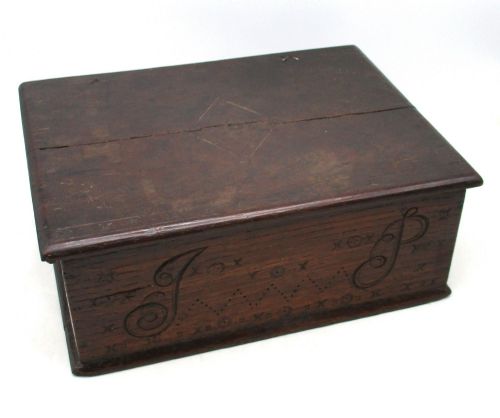
- A small lidded chest intended for keeping papers and legal instruments safe. They frequently feature carved fronts and compact proportions.
Rustic Storage Chest: Frequently Asked Questions
What were rustic storage chests originally used for?
These chests served multiple domestic purposes in homes lacking built-in closets. Families stored heavy woollen blankets, winter clothing, linen, and dry food stores inside them.
In many households, a large chest doubled as a bench for seating or even a sleeping platform when placed near a hearth.
How do I care for an antique wooden chest?
Keep wooden storage chests away from direct heat sources and radiators to prevent the timber from drying out and splitting. Apply a neutral beeswax polish occasionally to nourish dry pine or oak surfaces.
Avoid placing damp items directly inside unlined timber chests to prevent moisture damage to the interior walls.
How can I tell the age of a wooden chest?
Examine the construction marks, nail types, and hinge styles used to assemble the box. Hand-forged iron hinges, pegged joints, and pit-sawn board marks generally point towards seventeenth or eighteenth-century origin.
Machine-cut nails, uniform pine boards, and later applied mouldings usually indicate a nineteenth-century Victorian date.
Are these chests suitable for modern living rooms?
Their sturdy construction and generous internal capacity make them ideal for hiding away modern clutter like toys, extra cushions, or media equipment. Many people use low examples as coffee tables or position them at the end of a bed.
The tactile grain of old pine and oak adds warmth and texture to contemporary or traditional interiors alike.