



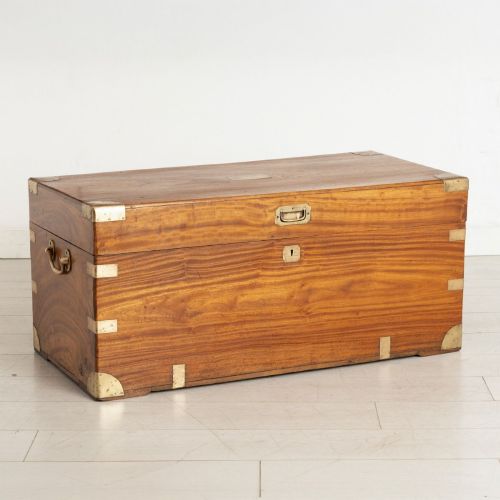
Vintage Sea Chest
A vintage sea chest is a robust travel box built to withstand ocean voyages, prized today for its tactile warmth and practical storage.
Vintage Sea Chest
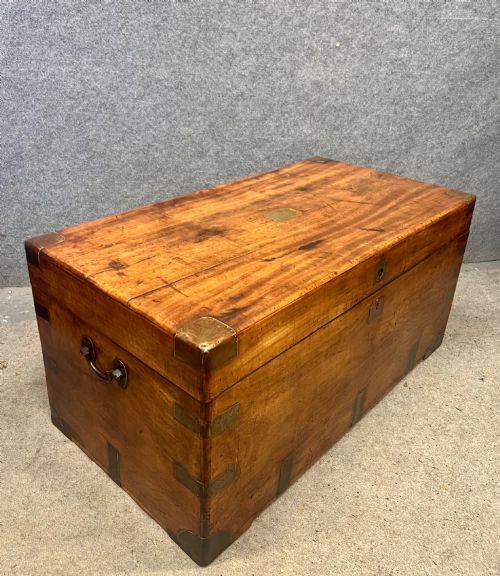
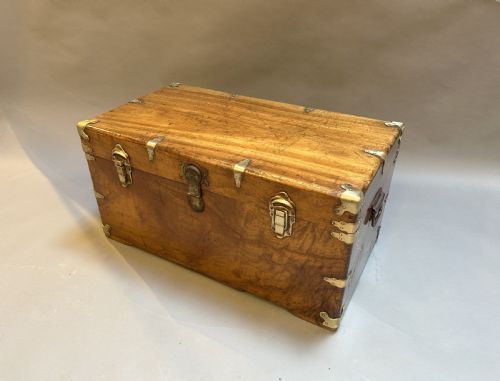
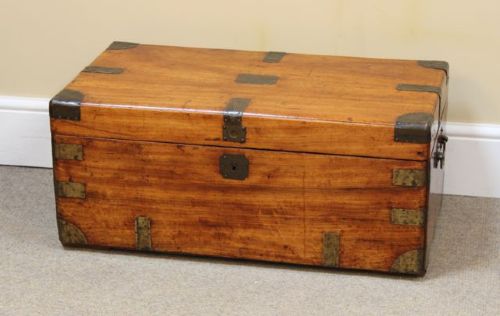
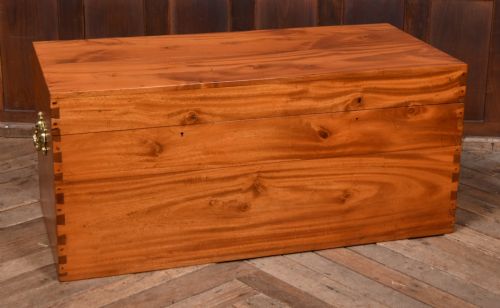
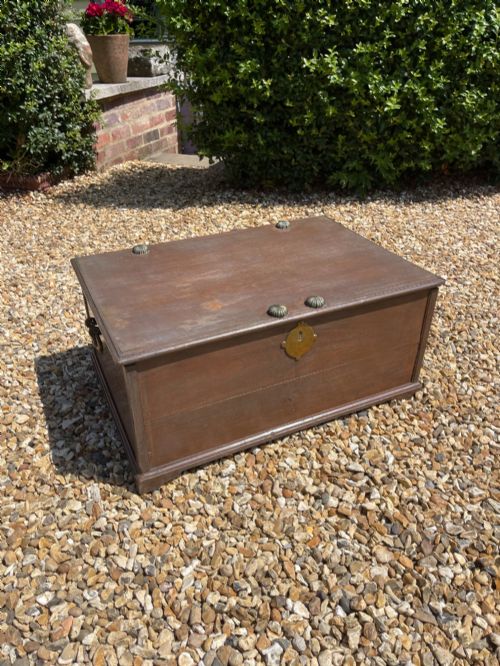
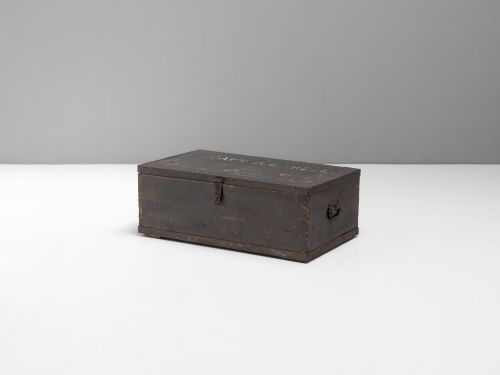
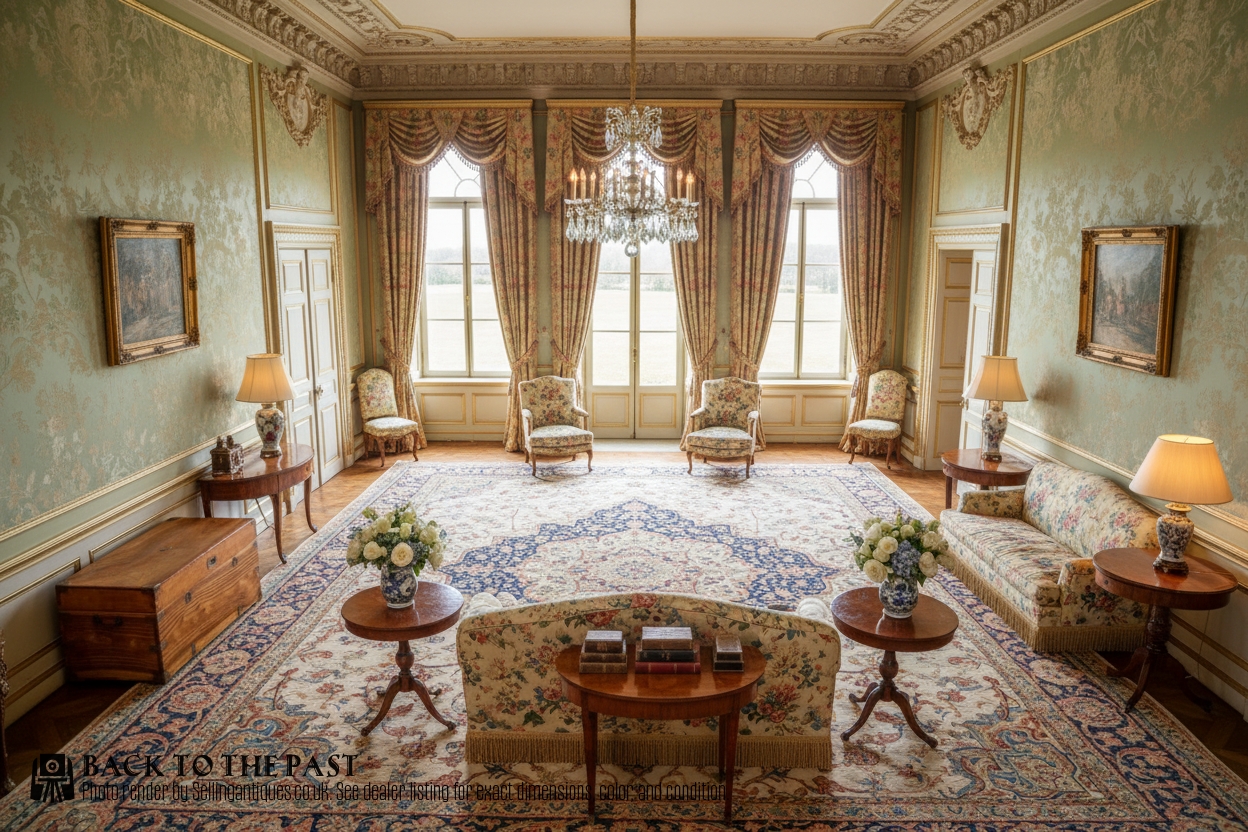
When you search for a vintage sea chest, you encounter sturdy timber storage boxes historically utilised by sailors, officers, and travellers during long maritime journeys. The selections on this page span several distinct eras, notably the nineteenth century, Victorian period, and early twentieth century. These trunks served practical duties aboard ships and in military camps, functioning as secure compartments for personal possessions and uniforms.
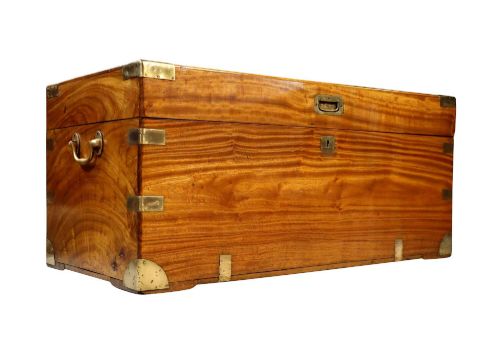
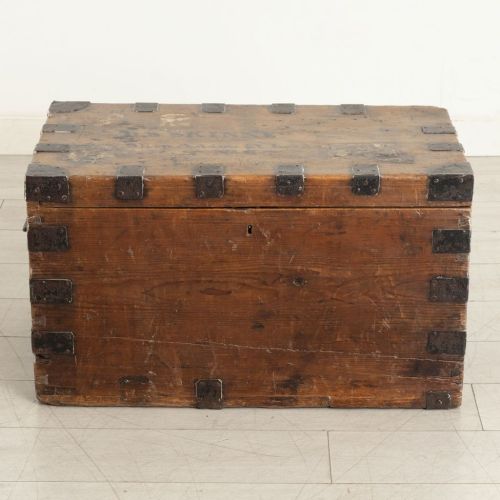
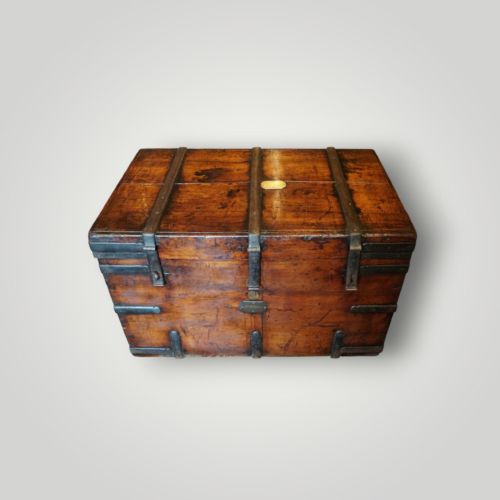
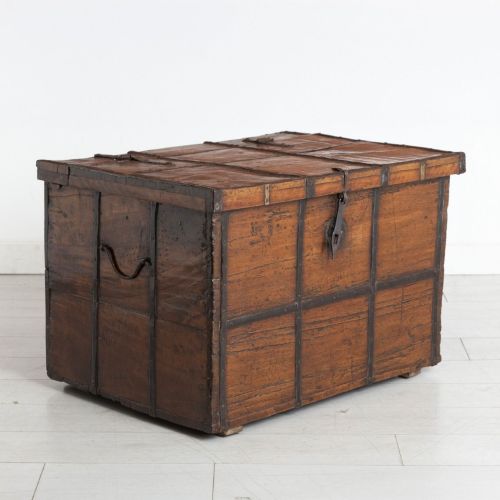
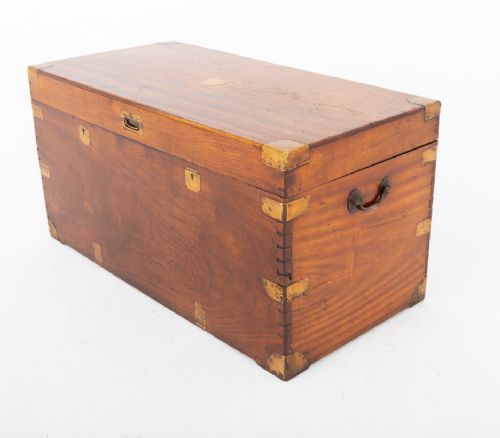
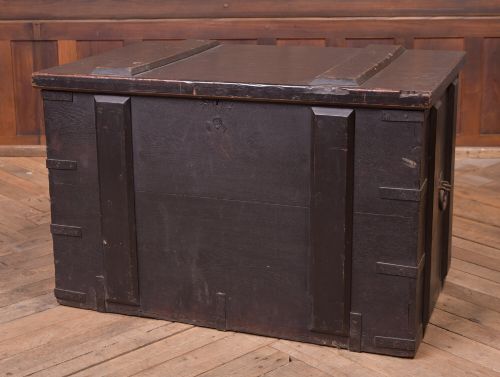
Camphor wood forms a large proportion of the pieces you meet here, often combined with durable hardwoods such as teak, mahogany, and walnut. Alongside exotic timbers, you find pine and pitch pine examples, frequently painted or fitted with protective metalwork. The forms range from plain blanket boxes and dome-top trunks to sophisticated campaign chests outfitted with fitted interiors and drop handles.
Military and maritime styles dominate the selection, reflecting a heritage of global travel and expedition. Pieces associated with specific regiments, campaigns, or named individuals appear alongside utilitarian seaman's chests and steamer trunks. This variety allows a buyer to choose between rustic country painted pine and polished brass-bound camphor wood depending on the intended interior setting.
How They Were Made
Maker construction relies heavily on dense, resilient timbers like camphor wood and teak, chosen for their natural resistance to moisture and insects in tropical climates. Carpenters joined these heavy planks using robust dovetail or tongue-and-groove joints capable of enduring the constant shifting of cargo holds. Lighter secondary woods such as pine appear on domestic travel trunks and rustic country pieces.
Metal hardware provides structural reinforcement and practical utility, utilising brass for corner braces, strap hinges, and recessed carrying handles. Iron bands and straps are bolted across timber lids and bodies to absorb the heavy impacts of transit. Many trunks retain original painted finishes, key escutcheons, and internal compartments that demonstrate period craftsmanship.
Vintage Sea Chest Retail Price Guide 2026
Typical asking prices for vintage sea chest among the pieces listed under this phrase on Sellingantiques today, from the lower quarter to the upper quarter. They describe what is for sale here now, not the wider market.
Opening an untouched nineteenth-century camphor chest still releases the sharp, medicinal scent of the East India trade winds after nearly two hundred years.
What Varies in Quality
The degree of original hardware preservation largely distinguishes standard utilitarian boxes from superior examples. Chests retaining unpolished brass fittings, functional locks with original keys, and secure iron strapping demonstrate greater integrity than those with replaced or missing components. Superior pieces also show minimal timber shrinkage and retain clean, aromatic interiors.
The complexity of the internal configuration further separates the grades of these trunks. Simple single-compartment blanket boxes sit at the accessible end of the scale, while chests featuring multi-tiered fitted interiors, secret drawers, and inscribed brass presentation plaques represent finer craftsmanship. Original painted surfaces with untouched patination hold distinct appeal compared to stripped or heavily restored timber.
The Vintage Sea Chest Glossary
- Campaign chest
- A portable trunk or set of drawers made in sections with recessed brass handles for military officers on the move. These pieces dismantle easily for transport on horseback or ship.
- Camphor wood
- An aromatic timber native to Asia, widely utilised for nineteenth-century sea chests because its strong scent deters moths and insects. It yields a characteristic fragrance when opened.
- Steamer trunk
- A lower-profile travel trunk introduced in the late nineteenth century to fit beneath the cabin berths of ocean liners. They often feature domed or flat lids designed for efficient stacking.
- Escutcheon
- A protective metal plate surrounding a keyhole on a trunk lid or front panel. They are frequently cast in brass and secured with small pins.
- Dovetail joint
- An interlocking corner joint formed by interlocking wedge-shaped fingers of wood. It provides exceptional tensile strength without relying solely on adhesives.
Vintage Sea Chest: Frequently Asked Questions
How were sea chests used historically?
Seamen and military officers packed these trunks with clothing, navigation instruments, and personal valuables for long ocean voyages. The robust construction protected contents from salt spray, shifting cargo, and damp shipboard conditions.
Many chests doubled as furniture inside cramped cabins, serving as seating or a tabletop during transit. Their heavy timber walls and secure locks ensured belongings remained safe across global expeditions.
Where should I place a chest at home?
These versatile trunks fit easily at the foot of a bed, functioning as practical storage for spare blankets, winter woollens, and bulky linens. Their flat tops also allow them to double as coffee tables in a living room.
Smaller examples work well in hallways as shoe storage or occasional seating when fitted with a cushion. Placing camphor wood versions in dry, well-ventilated rooms helps preserve the timber and keeps the natural aroma subtle.
How do I identify a campaign trunk?
Campaign pieces typically feature flush-fitting brass drop handles and reinforced protective corners designed to prevent snagging during transport. They often separate into distinct modular sections or contain intricate internal storage compartments.
Look for inscriptions, regimental stamps, or owner's names marked on brass plaques or painted directly onto the wood. These details connect the trunk directly to its military or naval origins.
Are painted pine trunks authentic?
Painted pine trunks served as standard travelling luggage for domestic and European journeys throughout the nineteenth century. Protective paint layers shielded the soft pine from moisture and wear during transit.
Original painted surfaces often exhibit rich patination, chips, and historical scuffs accumulated over decades of travel. Collectors value these untouched finishes for recording the authentic working life of the piece.