



Heavy Timber Chest
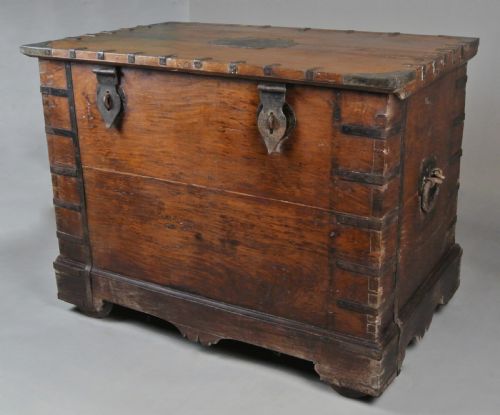
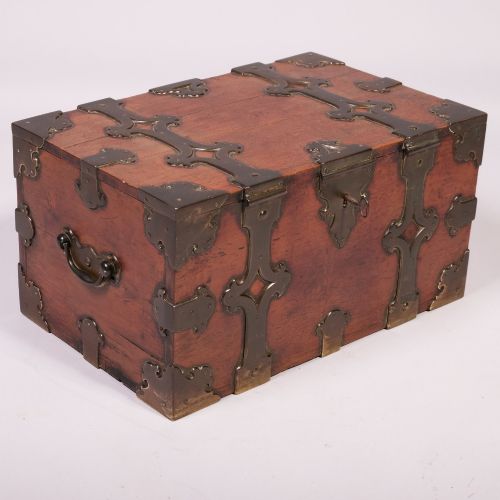
These heavy timber chest examples are robust storage trunks and caskets built for travel and security, offering enduring utility for the modern interior.
Heavy Timber Chest
A heavy timber chest encompasses robust storage pieces designed for travel, domestic safekeeping, and trade across distant regions. When exploring these listings, buyers encounter forms ranging from compact caskets to monumentally large storage vessels and trunks.
The selection on this page draws heavily from global traditions, including colonial campaign furniture, Anglo-Chinese designs, traditional Indian craftsmanship, and Japanese forms. These storage trunks and coffers serve as functional focal points in contemporary interiors, combining substantial storage capacity with distinct historical character.
Origins span the eighteenth, nineteenth, and early twentieth centuries, capturing periods when durable storage was an absolute necessity for transport. Buyers frequently meet pieces constructed from aromatic woods and reinforced with robust metalwork designed to withstand rigorous journeys.
Materials and construction
Construction relies upon resilient timbers such as teak, camphor wood, and dense hardwoods selected for their strength and resistance to humidity. Camphor wood provides a fragrant interior naturally unsuited to pests, making it the preferred choice for blanket boxes and portable trunks.
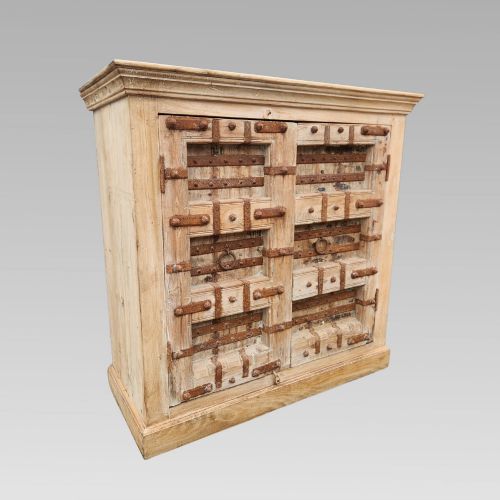
Makers reinforced these heavy timber chests with iron and brass mounts, straps, and corner brackets to protect the joints during transit. Wrought iron bands and hardware secure the heavy wooden panels, ensuring the structural integrity of campaign chests and dowry caskets over centuries of use.
Camphor wood trunks retain their distinct medicinal scent after centuries, silently protecting stored woollens from unwelcome visitors.
Judging quality in construction
Quality reveals itself in the integration of the protective metalwork and the selection of the primary timber. Superior examples feature hand-forged iron or polished brass mounts fitted flush to the wood, demonstrating careful alignment and secure fastening.
The refinement of the joinery distinguishes standard utility trunks from exceptional collector pieces. Well-executed corner joints and cleanly finished interior compartments indicate a higher tier of workmanship in these traditional storage pieces.
The Heavy Timber Chest Glossary
- Campaign chest
- A modular storage chest designed to dismantle or travel easily during military expeditions. These pieces typically feature recessed brass handles and corner protection.
- Dowry chest
- A large ceremonial storage trunk intended to hold household goods and textiles for a marriage. They are often built on a monumental scale with heavy iron reinforcement.
- Camphor wood
- An aromatic hardwood native to Asia prized for its insect-repelling properties and distinctive scent. It is frequently utilised in blanket boxes and travelling trunks.
- Zenibako
- A traditional Japanese merchant money box featuring secure locking mechanisms and heavy timber construction. These compact boxes were used for safeguarding coin and documents.
- Iron bound
- A descriptor for wooden furniture reinforced with straps, brackets, or bands of iron. This technique provides structural strength and security against heavy handling.
Heavy Timber Chest: Frequently Asked Questions
What is a heavy timber chest used for today?
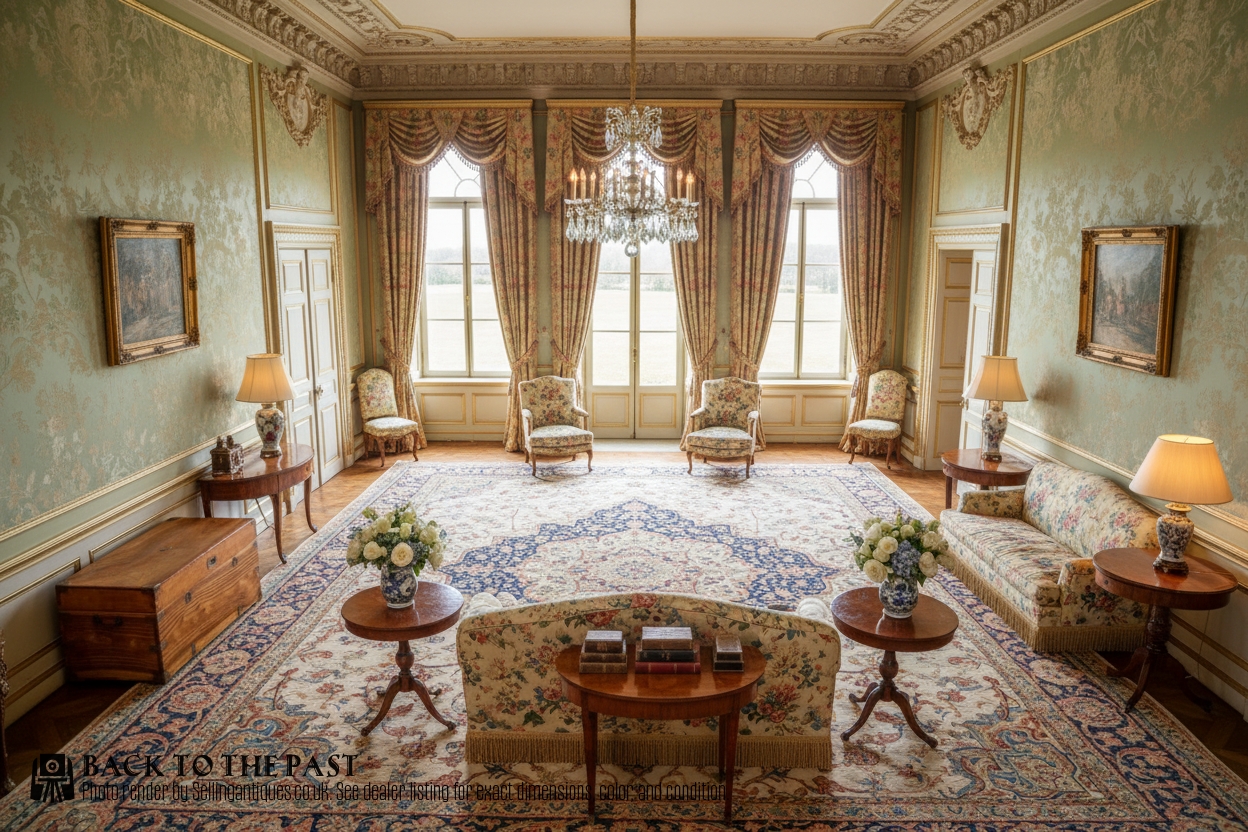
These robust pieces function effectively as coffee tables at the foot of a bed, or as deep storage for blankets and winter linens.
Their substantial construction allows them to anchor a room while concealing everyday household items out of sight.
How do I care for camphor wood and teak?
Keep these timbers away from direct heat sources and sudden humidity changes to prevent the natural wood from splitting.
Apply a traditional wax polish occasionally to nourish the surface and maintain the deep tone of the hardwood.
How can I tell an 18th century chest from a 19th century one?
Early pieces often display hand-forged iron mounts and simpler, heavier joinery dictated by the tools of the period. Later nineteenth-century examples frequently incorporate standardised brass hardware and machine-assisted preparation.
Examining the underside, interior surfaces, and fastener types reveals the manufacturing methods characteristic of each era.
Were campaign chests made for military officers?
Yes, military campaign furniture was commissioned by officers who required durable, portable belongings during extended overseas postings.
The design prioritised maximum storage capacity and protection against rough transport without sacrificing structural stability.