




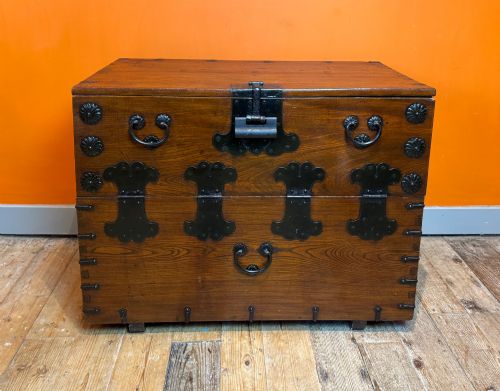
Antique Wood Coffer
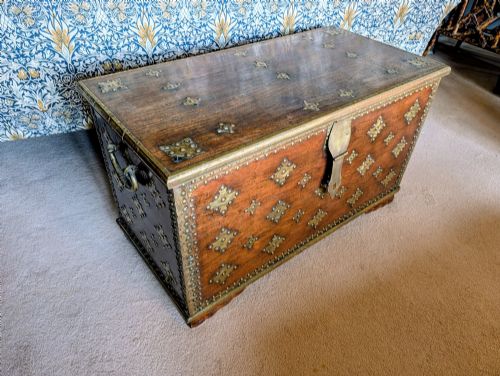
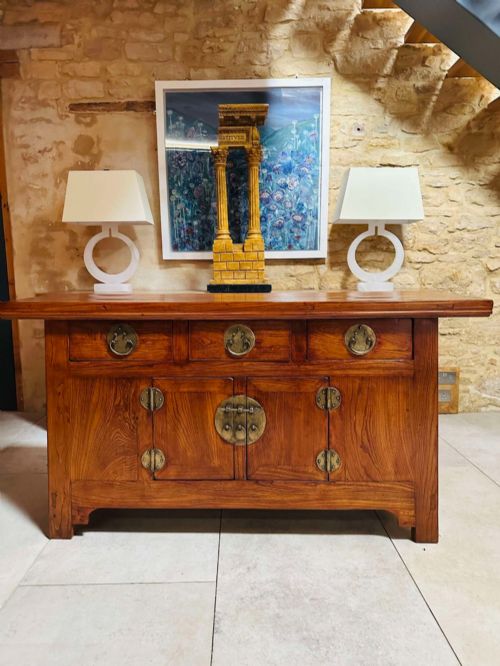
When you search for an antique wood coffer, you are looking at substantial storage chests built from oak, camphor wood, and elm across several centuries.
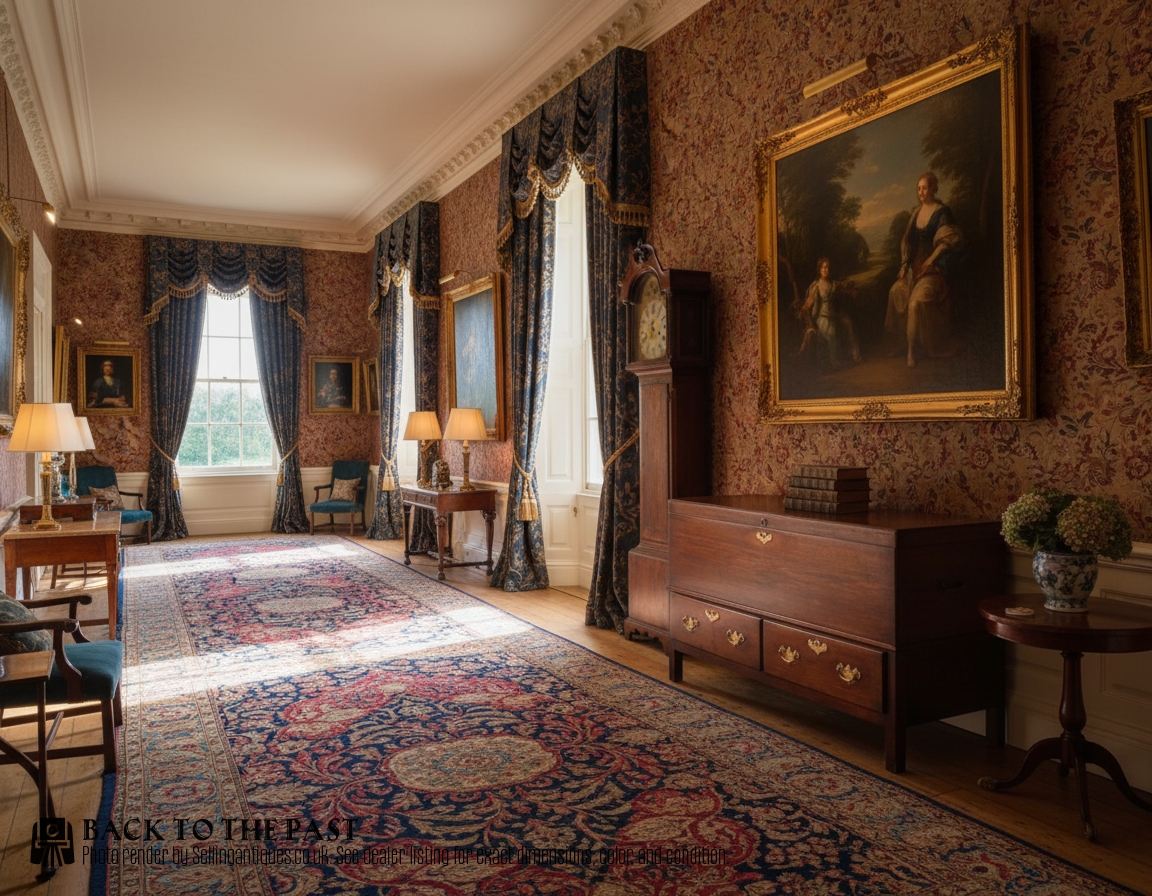
Antique Wood Coffer
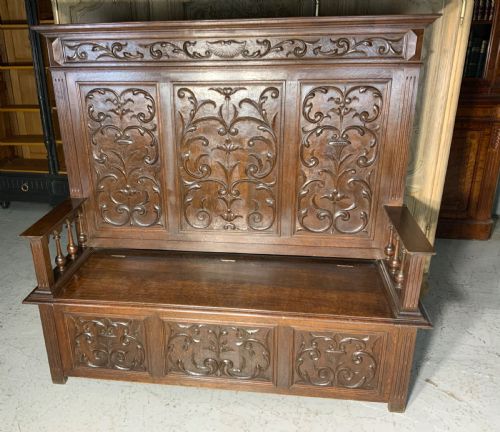
An antique wood coffer is a heavy-duty storage box or chest used historically for securing valuables, textiles, and household goods. The version you are most likely to meet on this page is the solid oak panelled chest originating from the seventeenth or eighteenth century, or the nineteenth-century camphor wood campaign trunk.
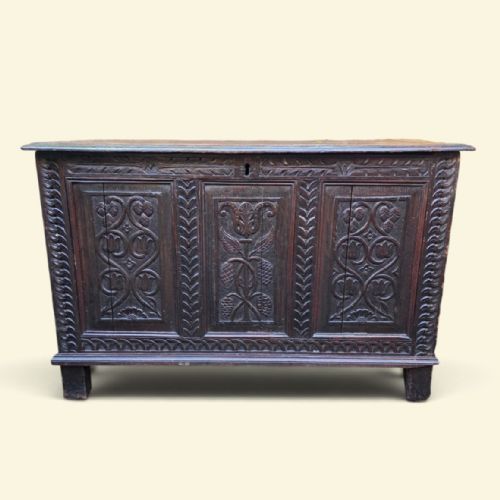
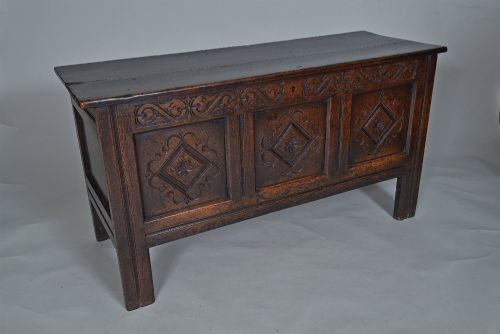
Early examples include the six-plank elm coffer and the heavily carved oak box associated with the Jacobean and Georgian periods. Later pieces shift toward travel and trade, taking the form of brass-bound camphor wood trunks, steamer trunks, and inlaid Middle Eastern or China Trade boxes.
How they were made
Joinery for domestic English pieces relied heavily on solid oak, elm, and fruitwood assembled through mortise and tenon joints, panelled construction, and pegged frames. Surfaces frequently display hand-carved linenfold motifs, geometric strapwork, or high-relief panels executed by local carpenters.
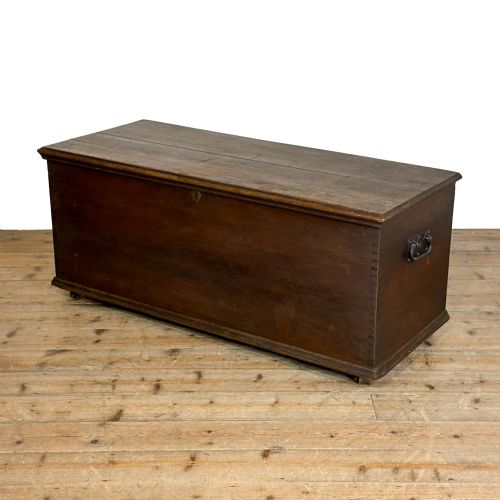
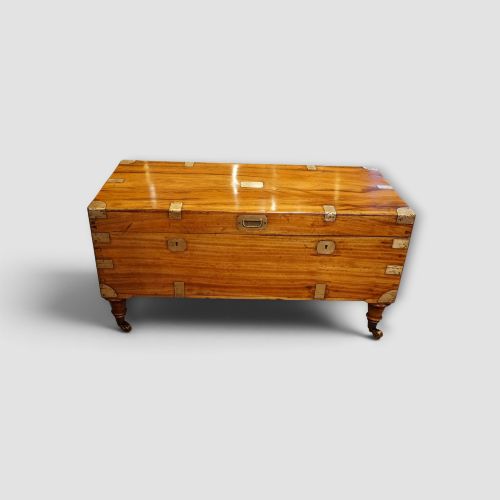
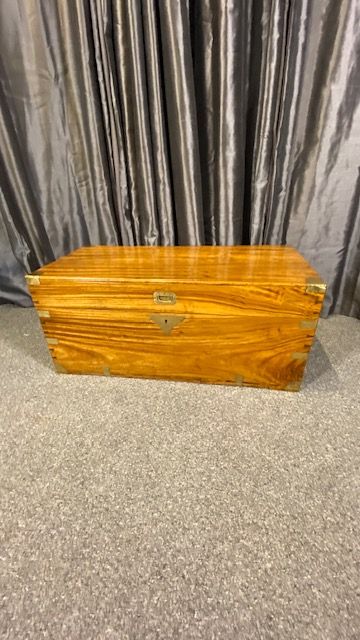
Travel pieces such as campaign chests and trunks utilised lighter timbers like camphor wood, cedar, and mahogany, reinforced with brass corners, straps, and flush-fitting carrying handles to withstand long sea voyages. These military and trade boxes often combined dovetailed joints with leather coverings and iron mounts.
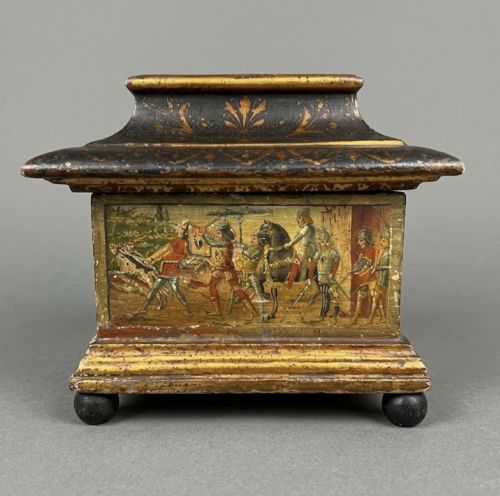
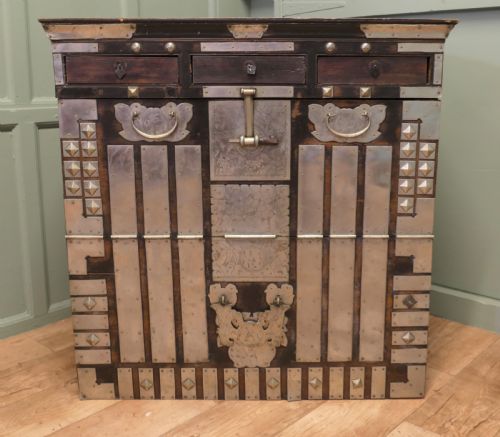
More ornate continental and colonial examples incorporated complex techniques including kingwood veneers, cypress construction, and mother of pearl inlay. Surface treatments ranged from natural wax finishes highlighting the original patina of the timber to painted faux-wood effects on metal steamer trunks.
Antique Wood Coffer Retail Price Guide 2026
Typical asking prices for wood coffer among the pieces listed under this phrase on Sellingantiques today, from the lower quarter to the upper quarter. They describe what is for sale here now, not the wider market.
Listings span oak, elm, camphor wood, mahogany, and pine, reflecting both domestic English country furniture and international trade routes.
What varies in quality
The standard of an antique wood coffer depends heavily on the integrity of its timber, the depth and crispness of its hand-carving, and the survival of original components such as hinges, locks, and feet. Early seventeenth-century oak pieces with undisturbed patination and untouched panel work sit at a different level from later revival items.
Hardware and metalwork dictate the grade of campaign and trade chests. Heavy brass binding, original recessed drop handles, and dovetail precision distinguish high-grade military transport trunks from utilitarian storage boxes.
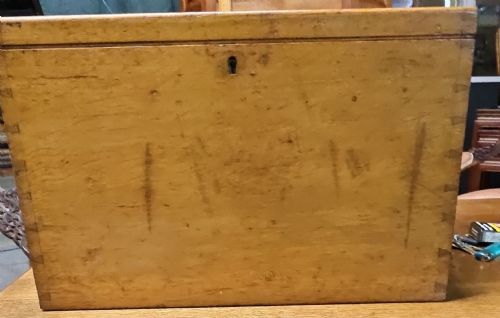
Proportion and domestic utility also separate everyday country furniture from formal cabinetmaker output. Small-proportioned seventeenth-century panelled boxes and sophisticated kingwood veneered coffre fortes represent specialised craftsmanship well beyond standard six-plank utility chests.
The Antique Wood Coffer Glossary
- Coffer
- A heavy wooden box or chest traditionally used for storing valuables, plate, or linen. Unlike standard blanket boxes, coffers often feature more robust frame-and-panel construction and secure locking mechanisms.
- Campaign trunk
- A portable chest designed for military officers on active service during the eighteenth and nineteenth centuries. These pieces were built in two sections with inset brass handles and protective corner brackets for ease of transport.
- Linenfold
- A style of wood carving that imitates folded linen drapery, commonly seen on English oak panels during the sixteenth and early seventeenth centuries.
- Mule chest
- A traditional storage chest featuring one or more drawers built into the base beneath the main lift-top compartment. This form bridges the gap between the simple coffer and the modern chest of drawers.
- Padouk
- A heavy, durable tropical hardwood with a reddish hue used in colonial cabinetmaking and trade chests imported via the Dutch East Indies.
- Patina
- The deep surface sheen and mellow colour developed by aged wood over centuries of handling, polishing, and exposure to light.
Antique Wood Coffer: Frequently Asked Questions
What is the difference between a coffer and a chest?
Historically, a coffer denoted a secure box fitted with a lock for storing valuables and money, while a chest served more general storage purposes. Over time, the terms became largely interchangeable.
Today, collectors use coffer to describe earlier, heavier panelled oak pieces, while chest often covers a broader range of trunk and box forms from later centuries.
Why are so many campaign trunks made of camphor wood?
Camphor wood was selected for military and travel trunks because its natural aromatic oil acts as an effective insect repellent. This protected uniforms and woollens from moths during long sea voyages.
The timber is also relatively stable and lightweight compared to dense European hardwoods, making it practical for transport.
How can I date an oak coffer?
Dating relies on observing construction methods, hinge types, and decorative styles. Seventeenth-century examples typically feature hand-rived oak boards, pegged mortise and tenon joints, and geometric or linenfold carving.
Later nineteenth-century revival pieces often display machine-sawn timber, standardised screws, and softer secondary woods on internal partitions.
How do I care for an antique wood coffer at home?
Maintain the timber by keeping the coffer away from direct heat sources, radiators, and strong sunlight, which can dry out the wood and cause panels to split. Feed the surface periodically with a traditional beeswax polish to preserve the patina.
Avoid modern liquid household cleaners, as they strip the historic wax and finish from the grain.