


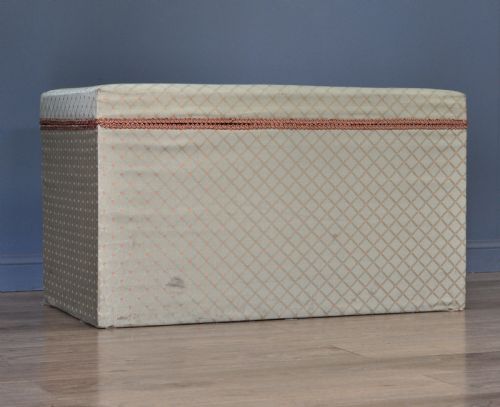
Pine Toy Box
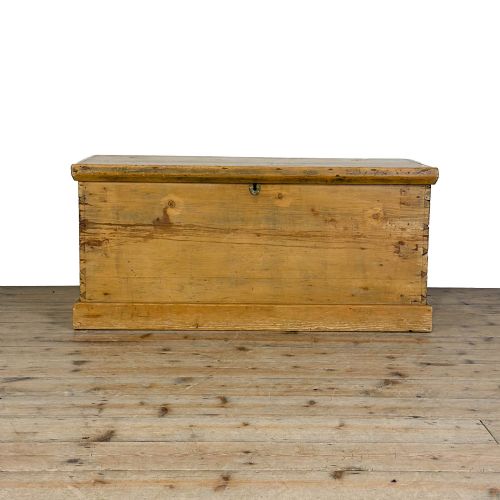
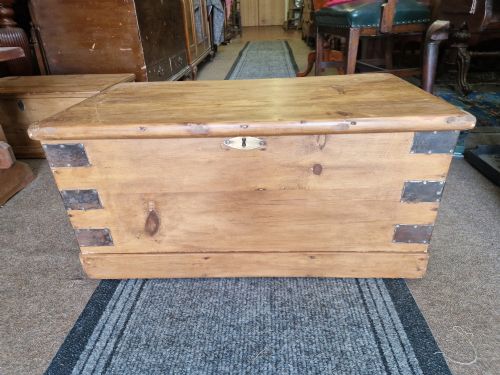
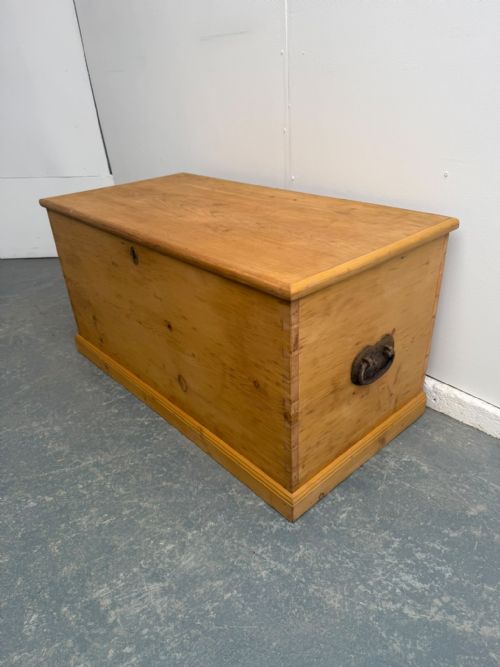
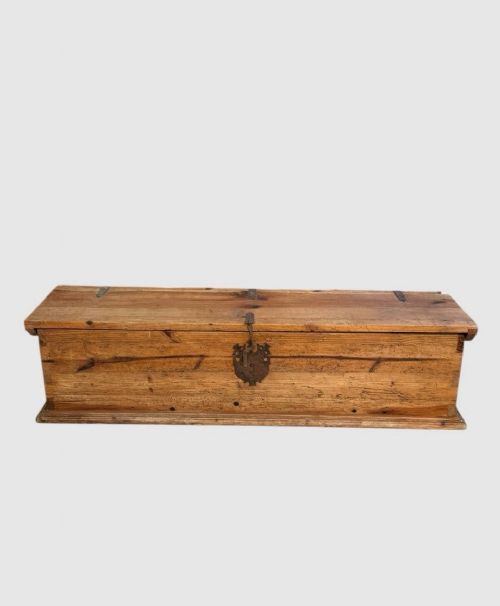
A pine toy box brings honest nineteenth-century utility and warmth into a room, offering sturdy storage built from enduring timber.
Pine Toy Box
A pine toy box serves as a functional storage chest designed for domestic utility and children's playthings across domestic spaces. These pieces emerge predominantly from the Victorian era and nineteenth century, combining simple carpentry with practical home organisation.
The versions most commonly met on this page include stripped pine trunks, waxed blanket boxes, and mule chests with integrated storage compartments. Forms range from rustic country chests to painted folk art examples and educational toy containers.
Makers utilised resilient softwood timbers, often enhancing the natural grain with wax finishes, stripped surfaces, or hand-painted details. Such boxes frequently double as coffee tables or blanket chests in contemporary interiors while retaining their original utilitarian character.
What varies in quality
The quality of a pine toy box rests upon the integrity of its timber, the strength of its joints, and the survival of original hardware. Superior examples display thoughtful proportions, sound dovetail or tongue-and-groove joinery, and well-preserved surfaces.
Pines with rich patination, original painted finishes, or intact interior tills command greater appreciation than heavily altered or stripped alternatives. Minor marks of use demonstrate genuine age, whereas clumsy repairs detract from the piece's integrity.
Pine Toy Box Retail Price Guide 2026
Typical asking prices for pine toy box among the pieces listed under this phrase on Sellingantiques today, from the lower quarter to the upper quarter. They describe what is for sale here now, not the wider market.
Materials recorded across the inventory include pine, iron, brass, paint, upholstery fabric, and braid trim.
The Pine Toy Box Glossary
- Mule chest
- A storage chest featuring one or more drawers beneath the main lift-top compartment, combining the functions of a trunk and a chest of drawers.
- Kist
- A traditional regional term for a heavy wooden chest or trunk used for domestic storage.
- Stripped pine
- Wood from which subsequent layers of paint or dark varnish have been removed down to the raw timber, often finished subsequently with wax.
- Till
- A small internal lidded compartment built inside a larger chest to hold smaller items.
- Folk art
- Decorative or utilitarian items made by self-taught individuals, often featuring vernacular painting or embellishment.
Pine Toy Box: Frequently Asked Questions
How do I date a pine toy box?
Dating relies upon examining construction methods, such as hand-cut dovetails, forged iron hinges, and the nature of any old paint or wax finishes. Victorian examples often show characteristic tool marks and patination distinct from later twentieth-century reproductions.
Secondary clues include the type of locks used, historical labels, and wear patterns around handles and corners that accumulate from decades of domestic service.
Can I use a pine toy box as a coffee table?
These sturdy chests function very well as coffee tables, offering a flat surface alongside generous internal storage for blankets or books. Their robust wooden construction easily supports everyday living room demands.
When positioning a box in this way, consider adding discreet felt pads beneath to protect wooden floors and ensure the lid remains stable for daily use.
How should I clean a waxed pine box?
Maintenance involves gentle dusting with a soft, dry cloth to prevent the accumulation of grit in the grain of the wood. Periodically applying a traditional beeswax polish helps nourish the timber and preserves the soft sheen characteristic of older pine.
Harsh chemical cleaners and modern silicone-based sprays should be avoided, as they strip the historic wax and damage the underlying patination.
What is the difference between a blanket box and a toy box?
While similar in construction, blanket boxes traditionally stored linens, woollens, and clothing in domestic bedchambers, whereas toy boxes were built smaller or adapted specifically for children's playthings. Many surviving examples served multiple household storage purposes over their long histories.
In contemporary cataloguing, terms frequently overlap because owners repurposed these versatile chests according to changing domestic needs.