
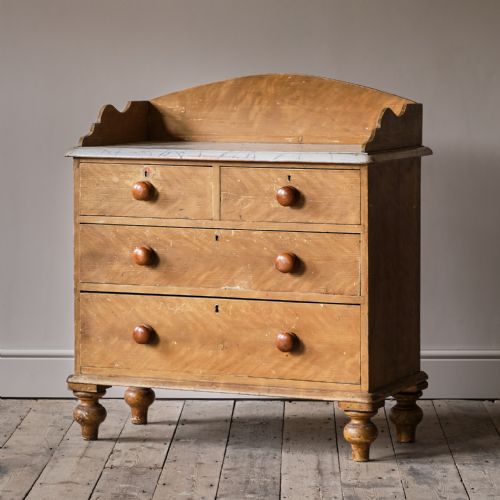

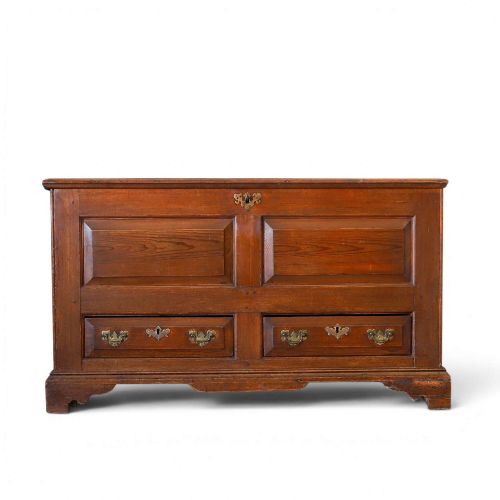
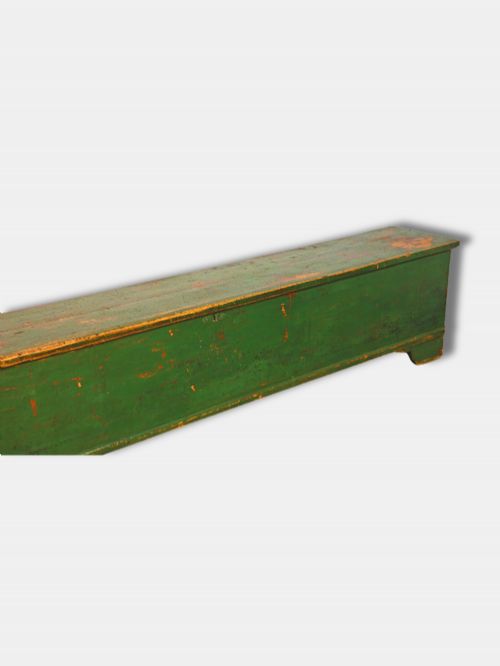
Vintage Pine Blanket Chest
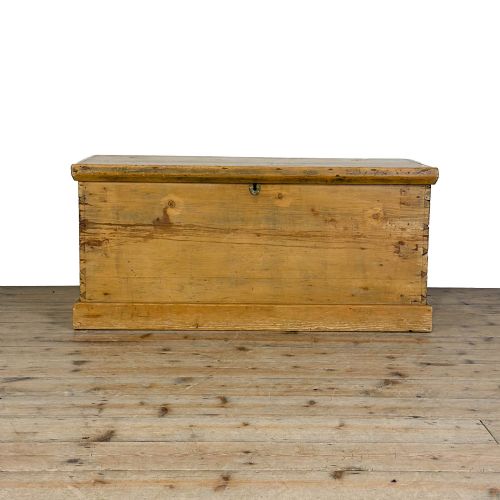
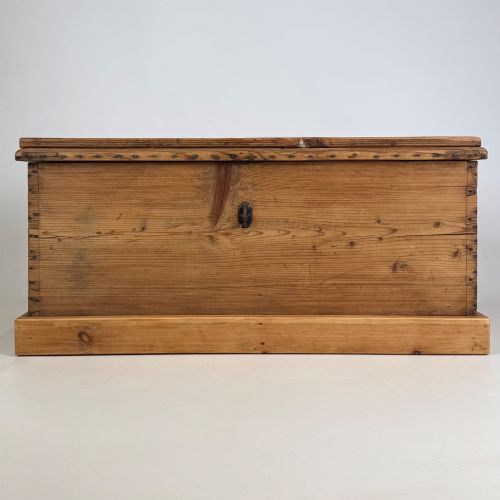
A vintage pine blanket chest brings honest storage and utilitarian history straight from nineteenth-century farmhouses and campaign tents into a modern room.
Vintage Pine Blanket Chest
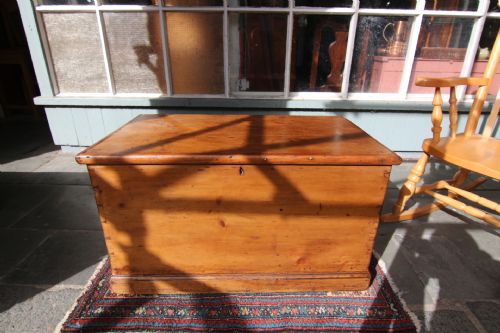
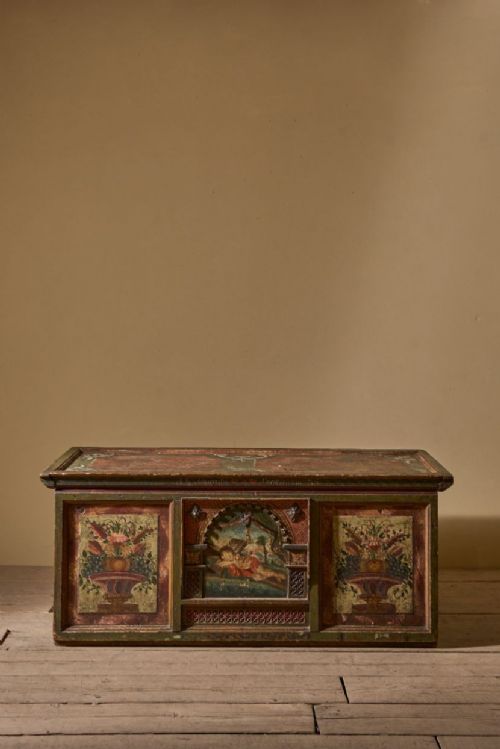
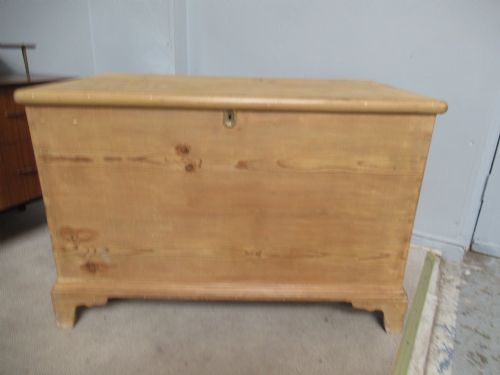
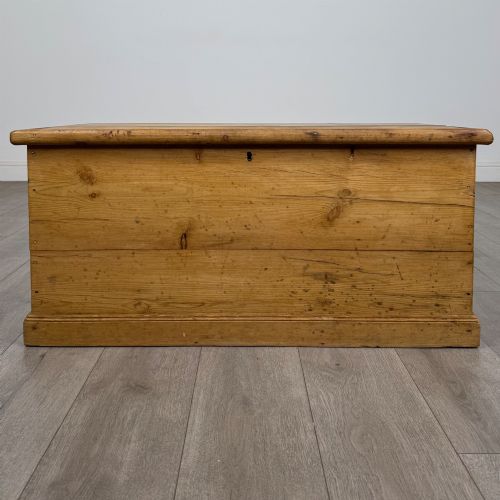
A vintage pine blanket chest serves as a robust storage solution spanning the eighteenth, nineteenth, and early twentieth centuries. Buyers searching for a vintage pine blanket chest encounter forms ranging from simple waxed boxes to large painted marriage trunks and travel trunks.
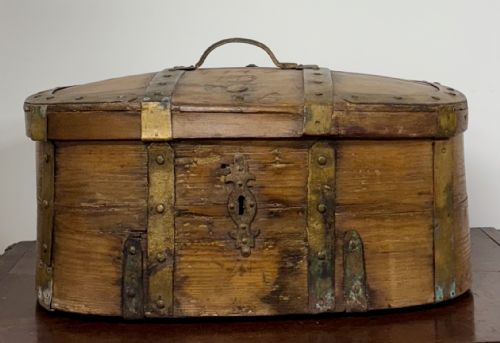
The selection on this page draws heavily from Victorian workshop output, alongside regional European examples including Hungarian painted coffers and Scandinavian trunks. Practical variations include internal drawers, dome tops, and compact boxes designed for specific utility.
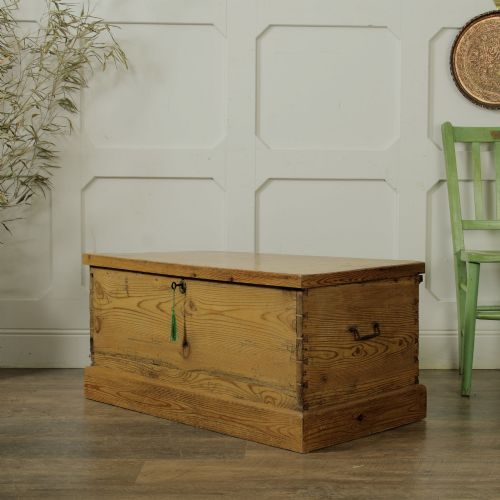
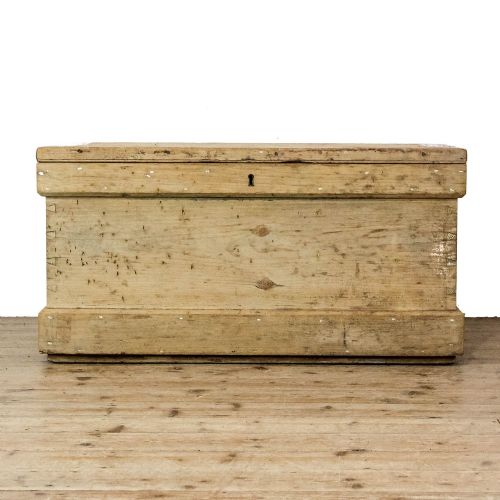
Originating as utilitarian furniture for households, travel, and trade, these chests bridge rustic country aesthetics and functional storage. They function equally well as coffee tables or deep storage repositories at the foot of a bed.
Assessing Quality
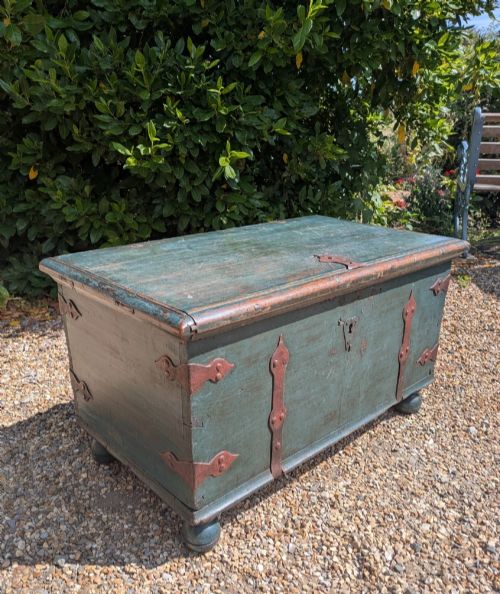
Quality rests in the integrity of the original construction and the survival of untouched surfaces. Chests retaining their original paint, hand-forged iron strapwork, or scumble finishes stand apart from stripped or heavily restored examples.
Structural refinement also dictates distinction, such as interior compartments like internal drawers, dovetailed joints, and robust framing. The depth of the timber's patina and the honesty of the wear mark the journey from utility to antique status.
Vintage Pine Blanket Chest Retail Price Guide 2026
Typical asking prices for vintage pine blanket chest among the pieces listed under this phrase on Sellingantiques today, from the lower quarter to the upper quarter. They describe what is for sale here now, not the wider market.
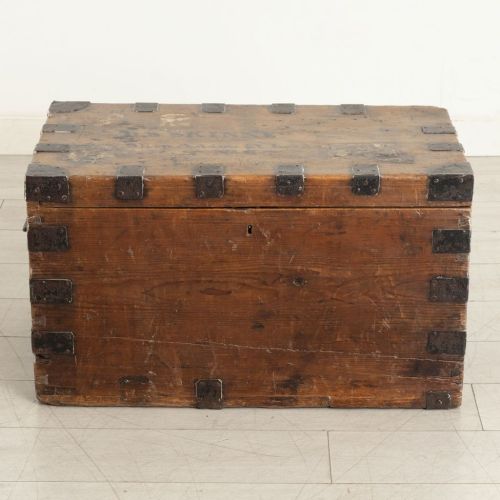
Several trunks bear the literal scars of transit, including old shipping labels and military regiment numbers from long-forgotten journeys.
The Vintage Pine Blanket Chest Glossary
- Scumble pine
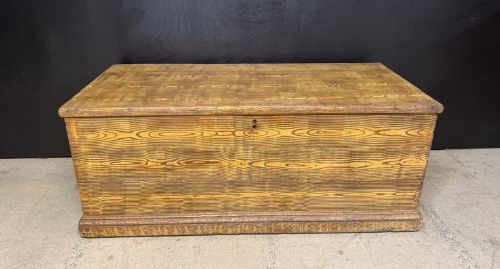
- Pine treated with a translucent glaze manipulated with combs or rags to imitate more expensive grained hardwoods. This decorative technique was popular during the nineteenth century.
- Strapwork
- Flat metal bands of iron or brass affixed across the exterior of a chest to reinforce corners and lids. It provides structural strength alongside decorative contrast.
- Campaign trunk
- A portable storage chest designed for military officers or travellers, typically fitted with robust metal mounts and recessed carrying handles. These pieces were built for rigorous transit.
- Pitch pine
- A dense, resinous variety of pine known for distinctive grain patterns and superior durability. It was frequently utilised for heavy-duty travel trunks and maritime chests.
- Coffer
- A heavy wooden box traditionally used for safekeeping valuables or textiles before the widespread use of fitted wardrobes. They often feature hinged lids and sturdy structural framing.
Vintage Pine Blanket Chest: Frequently Asked Questions
What were pine chests used for?
These chests originally served households and travellers for storing heavy textiles, blankets, clothing, and personal belongings. Their robust construction also made them suitable for military campaigns and long-distance travel.
Over time, owners adapted them to serve various storage needs across domestic settings, moving from utilitarian farmhouses to residential hallways and bedrooms.
How do I style a pine chest?
A pine chest works effectively as a functional focal point at the end of a bed or as a rustic coffee table in a living room. The flat top provides a surface for books, lamps, or decorative objects while the interior conceals clutter.
Pairing a painted or waxed chest with neutral modern interiors lets the aged timber grain and original hardware stand out as natural textures.
How do I date a pine chest?
Dating relies on observing construction methods, hardware types, and surface treatments like original paint or early wax finishes. Eighteenth-century pieces often display hand-cut joinery and simpler regional forms, while Victorian examples frequently incorporate mass-produced ironwork or pitch pine.
Specific clues such as brass campaign mounts, dome tops, or internal till drawers help narrow down the era of manufacture.
Are painted pine chests authentic?
Many regional European and British pieces retain their original painted surfaces, scumble glazes, or folk art decorations applied decades ago. Surviving original paintwork indicates how the piece appeared during its working life rather than recent cosmetic enhancement.
Buyers should examine the integration of the paint with the underlying timber to understand its history.