

19th Century Pine Furniture
These pieces of 19th century pine furniture bring robust utility and honest charm to modern interiors through centuries of practical domestic service.
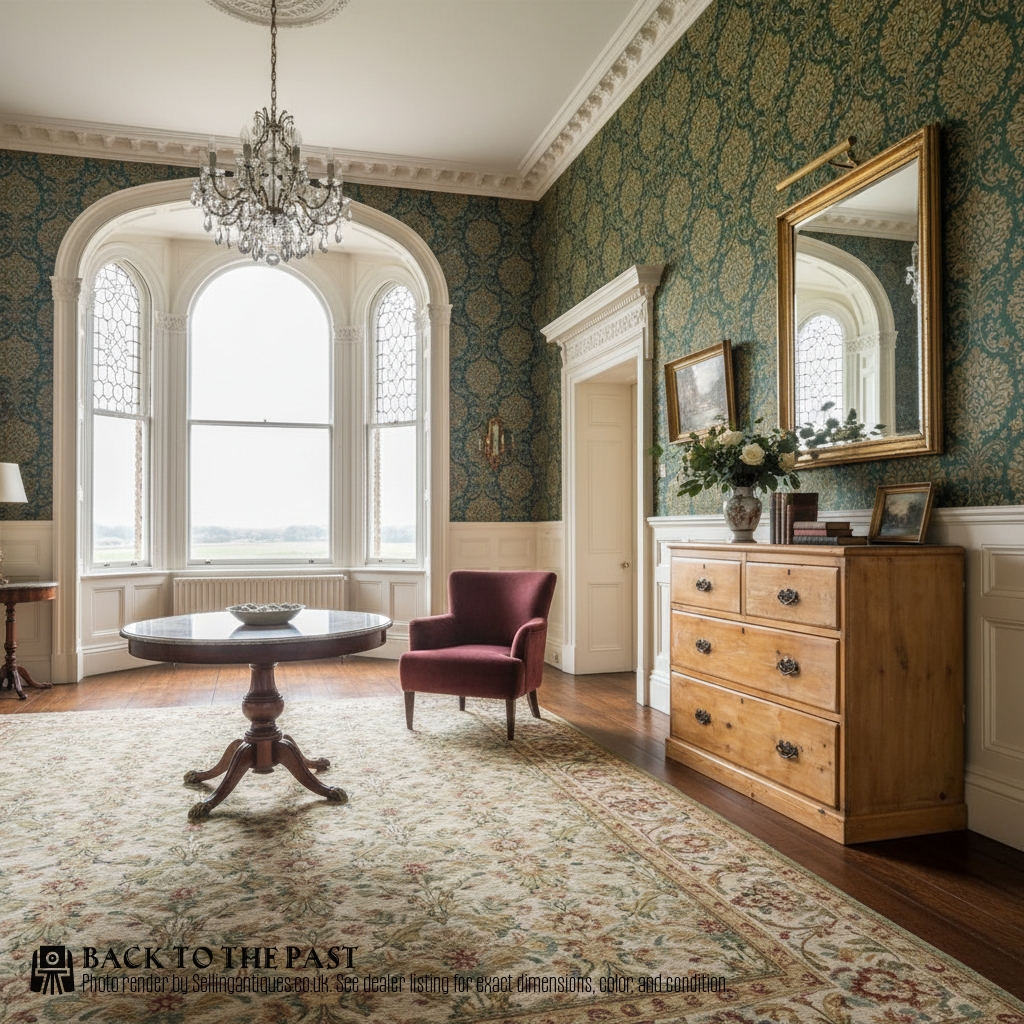
19th Century Pine Furniture
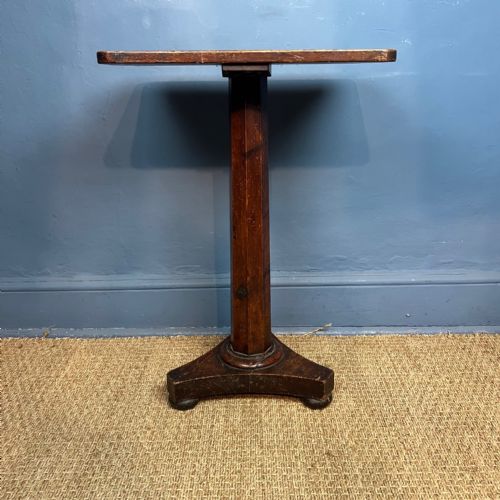
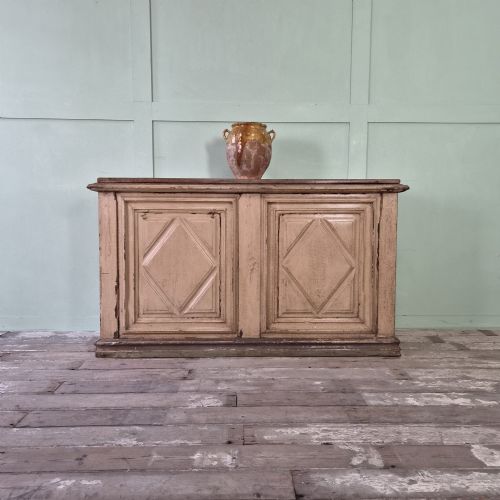
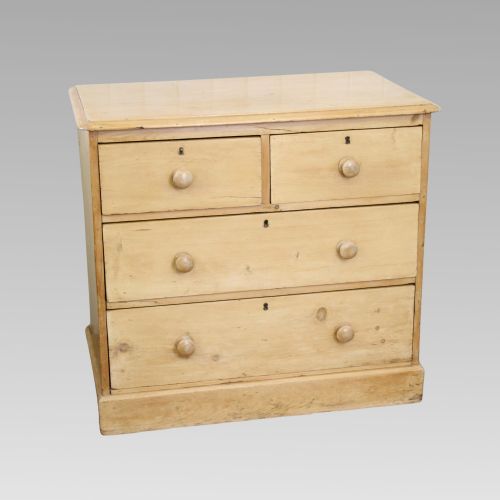
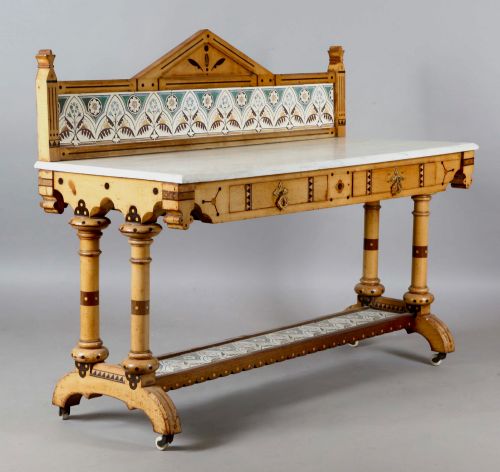
19th century pine furniture encompasses a wide variety of domestic objects built for everyday service across European households. Chests of drawers, cupboards, washstands and benches dominate the pieces found here, originating from English, Scottish, Irish, Welsh, French, Swedish, Spanish and Italian workshops.
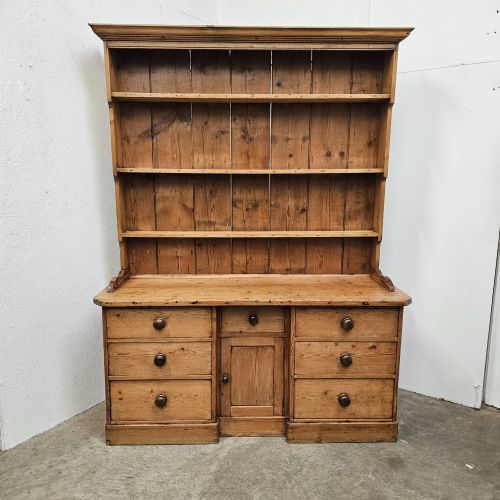
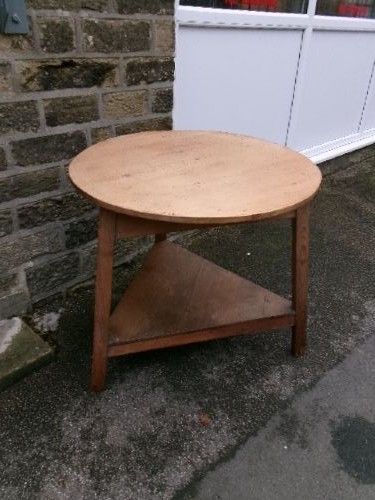
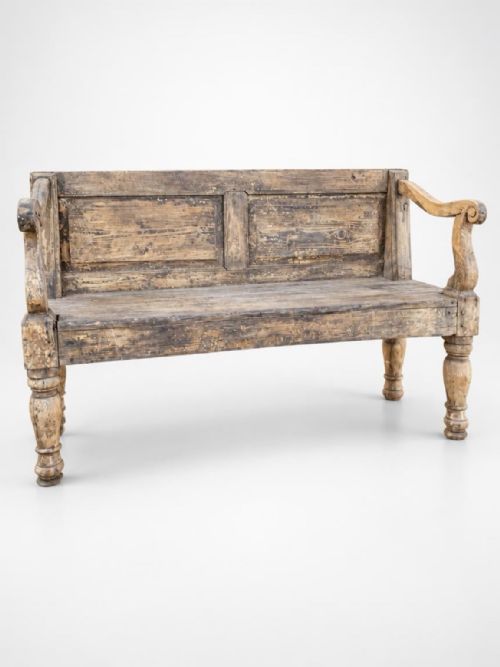
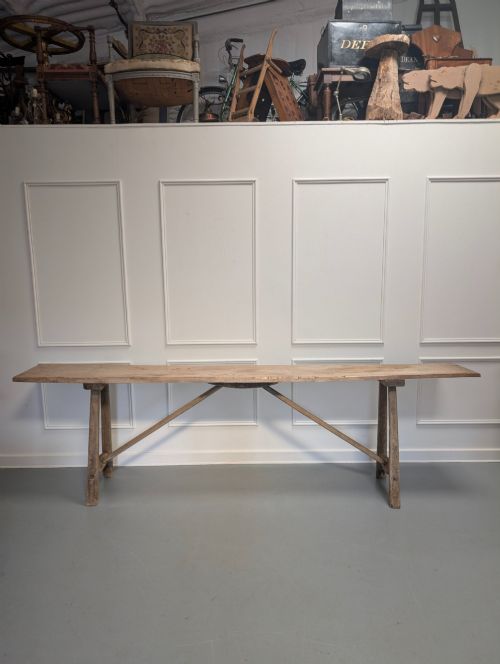
The versions most commonly met on this page are provincial and regional items constructed for practical home storage and seating. Buyers encounter vernacular dressers, settle benches, cricket tables and laundry tables that reflect the specific regional traditions of their makers.
Many items bear the marks of regional country styles, including Victorian Country, Rustic Country, Scandinavian Country and Rustic Farmhouse. These designations point to utilitarian origins where timber selection and construction served immediate domestic needs rather than metropolitan fashion.
Materials and Construction
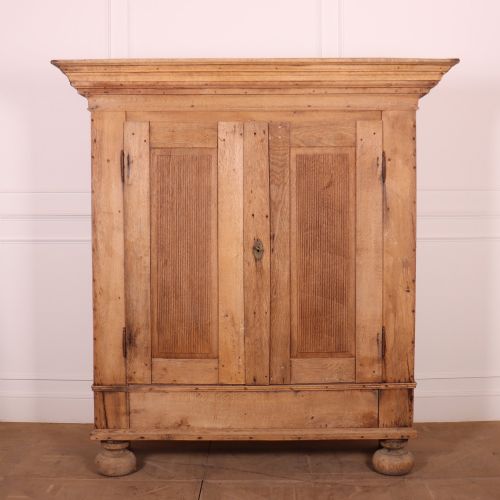
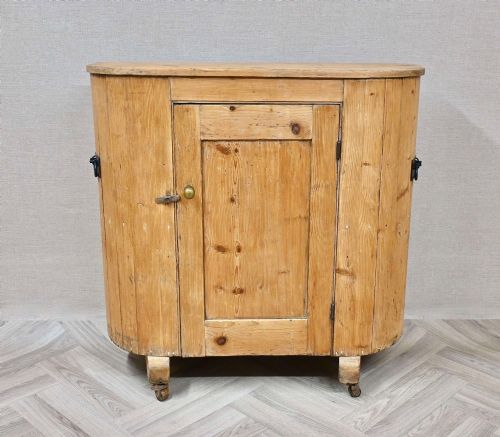
Makers constructed these pieces primarily using solid pine and pitch pine, occasionally combining them with beech, elm, oak or mahogany for structural endurance. Iron and brass hardware, such as hinges, handles and campaign transport fittings, secured doors and drawers for heavy daily use.
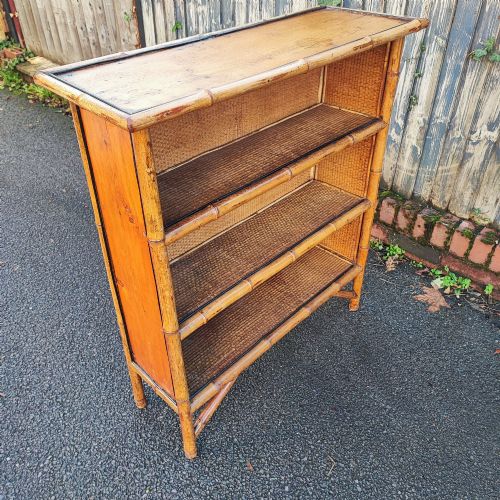
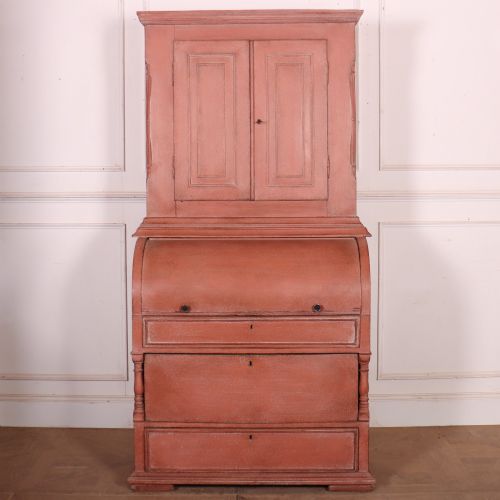
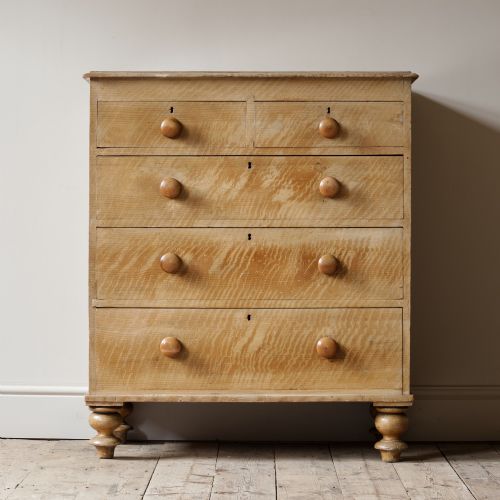
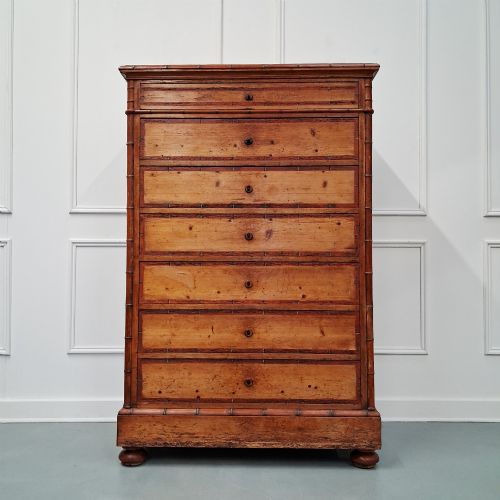
Surfaces frequently display applied finishes like original paint, scumble paint, faux bamboo detailing, and wax or honey brown patina. These treatments protected the softwood timbers while giving the furniture its characteristic visual depth through decades of wear.
19th Century Pine Furniture Retail Price Guide 2026
Typical asking prices for 19th century pine furniture among the pieces listed under this phrase on Sellingantiques today, from the lower quarter to the upper quarter. They describe what is for sale here now, not the wider market.
One milking stool from Eastern European workshops arrives in defiant green paint, ready to supervise the kitchen.
Quality and Character
Quality rests in the integrity of the original construction and the preservation of authentic surface treatments. Pieces retaining their early or original paint layers, scumbling or natural patination command greater interest than those stripped down to bare wood.
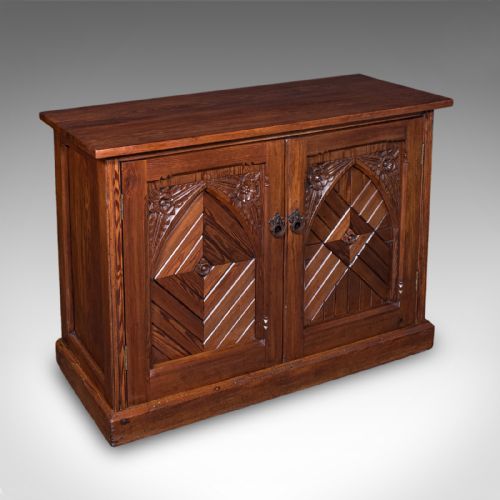
Structural refinement also divides the range, separating straightforward utilitarian items from those displaying regional decorative flourishes like carved grotto work, bonnet tops or faux bamboo turning. The balance between honest proportion and untouched surface defines the better examples.
Johnston’s of London
The 19th Century Pine Furniture Glossary
- Scumble
- A decorative paint technique involving a translucent top layer dragged or combed over a paler ground to simulate the grain of more costly hardwoods. This finish was widely applied to Victorian pine furniture to elevate its appearance.
- Cricket table
- A small, lightweight occasional table typically featuring three splayed legs and a round wooden top. The design provided stability on uneven flagstone floors in country cottages.
- Settle bench
- A high-backed wooden bench with solid arms and an enclosed lower box or seat. These benches offered protection from cold drafts in domestic hallways and kitchens.
- Pitch pine
- A dense, resinous softwood harvested largely from North America and utilised for heavy-duty furniture and interior fittings. Its high pitch content gave the timber durability and a pronounced grain pattern.
19th Century Pine Furniture: Frequently Asked Questions
How do I clean antique pine?
Dust surfaces regularly with a soft, dry cloth to prevent dirt accumulation on the timber or painted finish. Avoid harsh chemical cleaners and excessive water, which can damage original wax or paint layers.
Feed waxed surfaces occasionally with a suitable beeswax polish applied sparingly. This maintains the patina without creating a heavy buildup.
What is scumbled pine?
Scumbled pine refers to softwood furniture finished with a translucent glaze dragged over a lighter base colour. This decorative treatment imitated expensive timbers like oak or mahogany during the Victorian era.
Surfaces finished this way show distinctive brush or comb marks beneath the protective top coat. They offer a vivid record of period decorative tastes.
Where were these pieces used?
These items served functional roles in kitchens, bedrooms, hallways and sculleries across European country houses and farmhouses. Cupboards stored provisions, washstands held basins, and settles kept residents warm near the hearth.
Their practical origins mean construction prioritised utility over ornament. Today, they transition easily into modern living spaces as storage units and display surfaces.
How do I spot original paint?
Original paint exhibits natural craquelure, soft wear around handling areas, and consistent layering beneath subsequent cleaning residue. Inspect joints and hidden interiors for matching pigment continuity.
Later repainting often feels flat or lacks the subtle tonal variations accumulated through age. Genuine early paint finishes contribute significantly to a piece's historic character.