






Pine Cricket Table
A pine cricket table offers compact three-legged utility rooted in centuries of vernacular domestic life.
Pine Cricket Table
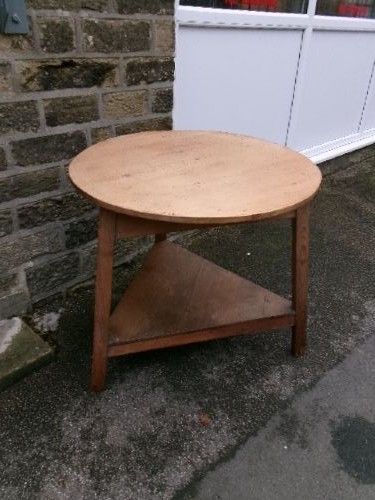
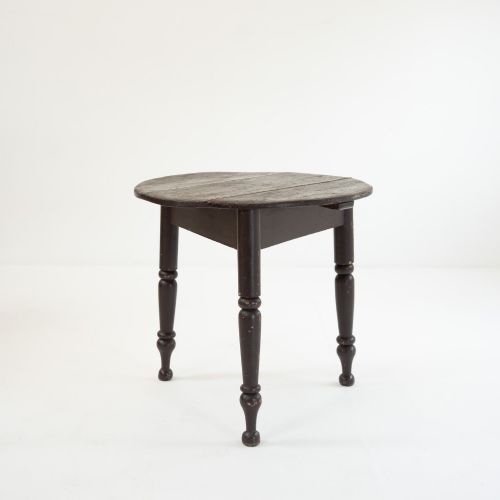
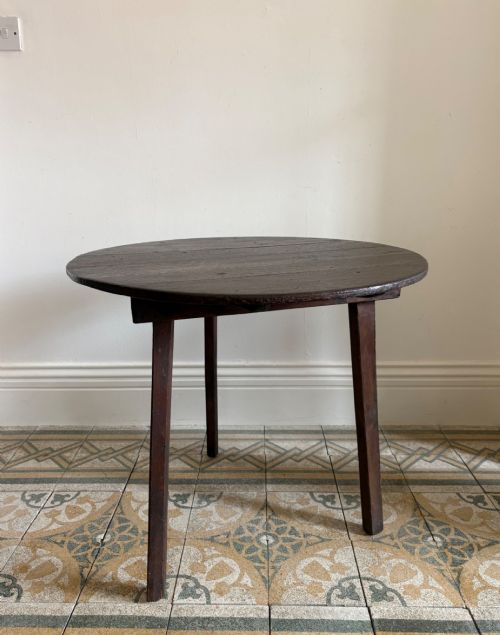
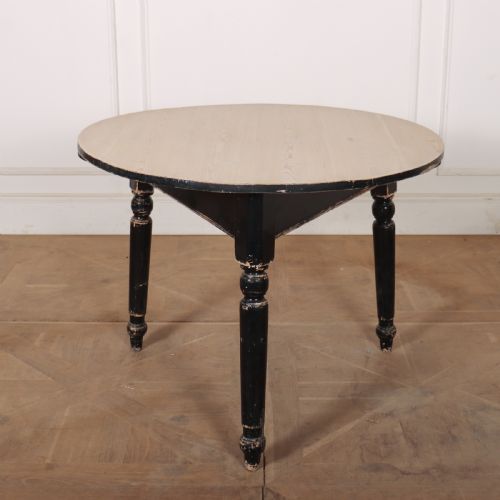
A pine cricket table provides a sturdy, circular surface supported by three splayed legs designed for uneven stone floors. When you examine a pine cricket table on this page, you mostly encounter nineteenth-century examples alongside occasional eighteenth-century pieces. These items serve primarily as side tables or occasional tables within rustic country and vernacular settings.
Most pieces combine a solid pine top with turned or tapered uprights, though variants incorporating oak plank tops or elm elements appear in the record. Regional variations span English and Welsh workshops, reflecting local woodworking traditions. The resulting forms range from low primitive tavern tables to large scrubbed-top examples.
Materials and construction
Makers utilised straight-grained softwoods, predominantly pine, joined to sturdy hardwood or softwood bases using traditional carpentry methods. Many surviving examples retain layers of original paint, while others display scrubbed or bleached finishes resulting from decades of scrubbing.
Structural support relies heavily on three legs pegged directly into the underside of the tabletop or joined via stretchers. Details such as bobbin turned legs or ebonised accents occasionally supplement the simpler vernacular frameworks.
Pine Cricket Table Retail Price Guide 2026
Typical asking prices for pine cricket table among the pieces listed under this phrase on Sellingantiques today, from the lower quarter to the upper quarter. They describe what is for sale here now, not the wider market.
Regional styles recorded across the archive include Welsh vernacular, English country, and the Aesthetic Movement.
Distinctions in quality
Quality rests upon the integrity of the original surfaces and the balance of the three-legged frame. Tables retaining honest, early layers of paint command greater interest than those stripped down to bare timber in later years.
Proportion and scale also dictate distinction, where larger diameters or unusually low heights paired with well-turned legs elevate a simple utility object into a refined piece of country furniture.
The Pine Cricket Table Glossary
- Cricket table
- A small circular table supported by three legs. This design prevents rocking on uneven floors.
- Scrubbed top
- A tabletop cleaned repeatedly with water and sand. This process leaves the timber pale and deeply textured.
- Vernacular
- Everyday objects made by local tradesmen for practical use. These pieces reflect regional styles rather than academic design.
- Plank top
- A surface constructed from solid boards joined edge to edge. They frequently display visible grain and historical wear.
- Bobbin turned
- Legs shaped on a lathe to resemble a string of rounded wooden beads. This decorative turning appears on nineteenth-century joinery.
Pine Cricket Table: Frequently Asked Questions
What is a cricket table?
A cricket table is a traditional small table featuring a circular top and three splayed legs. The design originated to provide stability on uneven stone floors in cottages and taverns.
Most examples found here date from the eighteenth and nineteenth centuries, constructed primarily from pine with simple vernacular framing.
How were these tables used?
These tables served multiple everyday purposes in domestic spaces, functioning as light work tables, bedside stands, or tavern drinking surfaces.
Their lightweight three-legged construction allowed them to be easily moved near a hearth or window as needed.
How do I date a pine table?
Dating relies on observing construction methods, tool marks, and timber characteristics. Hand-cut peg joints and original paint layers typically indicate eighteenth or early nineteenth-century origins.
Later Victorian pieces often display machine-sawn components and different turning styles on the legs.
Are painted finishes original?
Many tables retain early or original painted surfaces, often in single coats of historic colour. Paint analysis or surface wear helps distinguish genuine early finishes from later decorative overpainting.
Unpainted examples usually show scrubbed or bleached pine surfaces resulting from historical cleaning.