

Antique Three Legged Table
An antique three legged table provides a sturdy, balanced surface on uneven floors, making it a practical addition to period rooms.
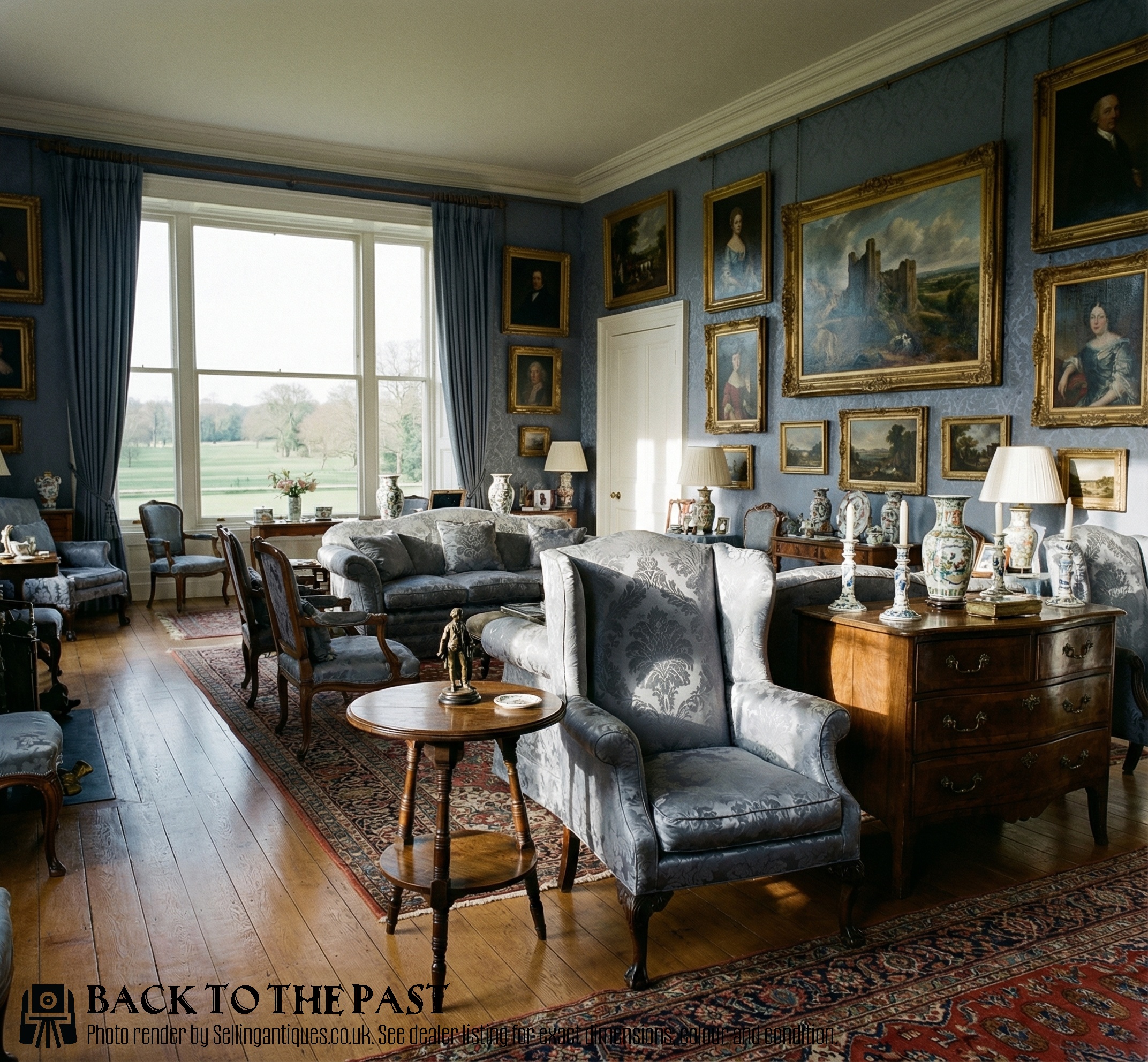
Antique Three Legged Table
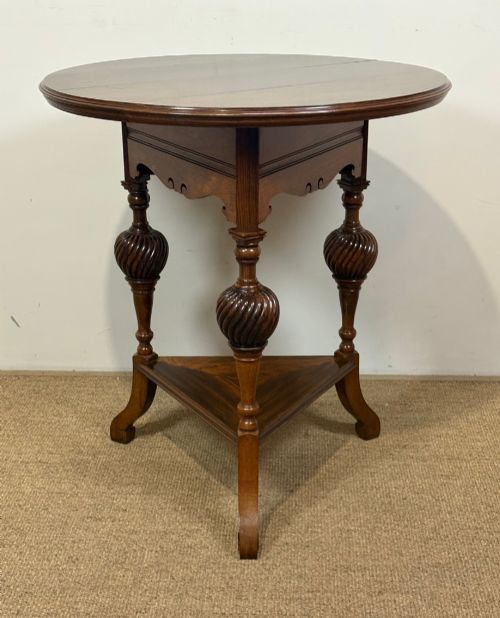
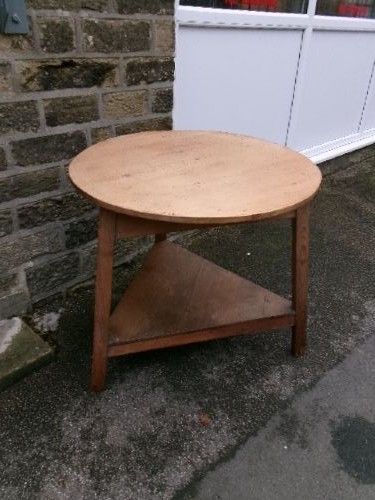
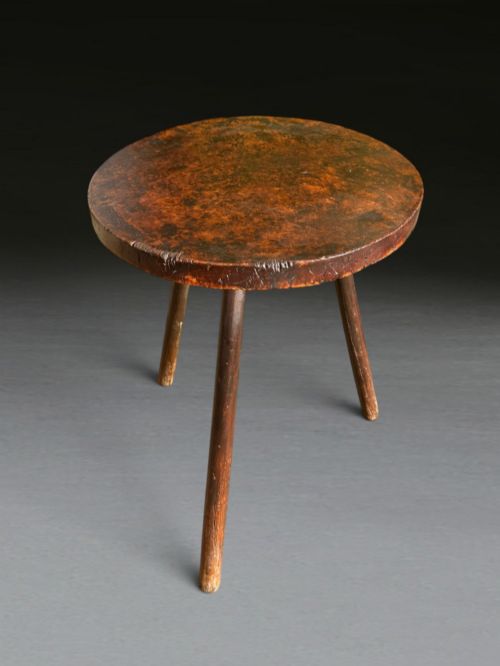
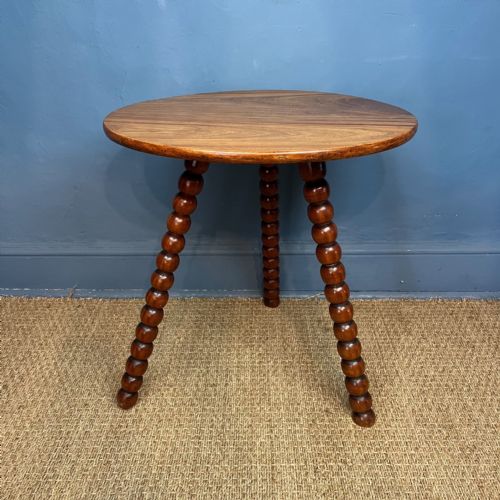
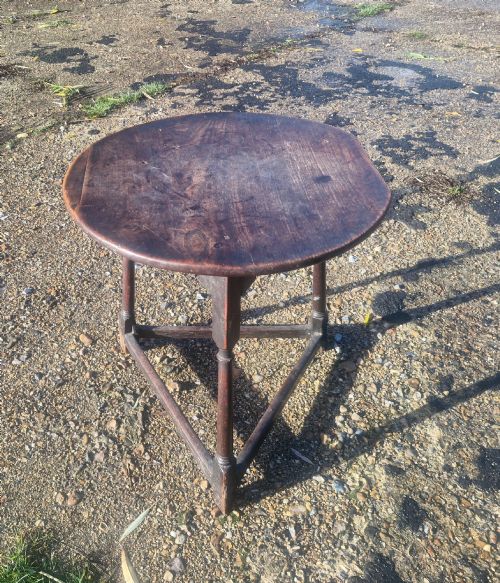
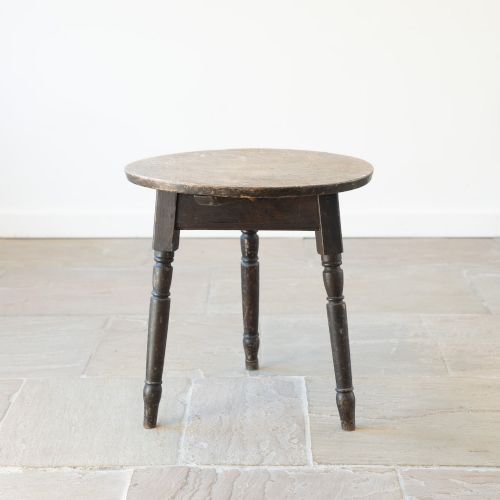
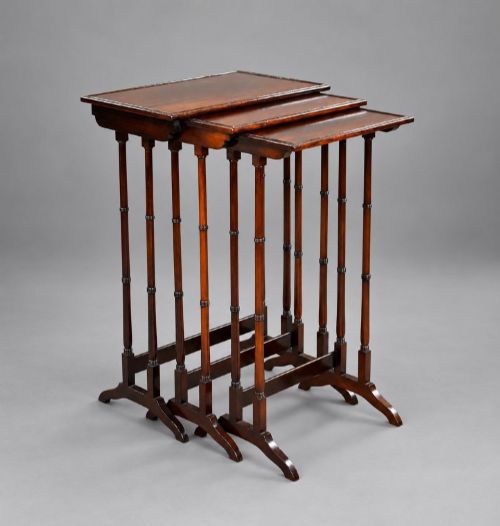
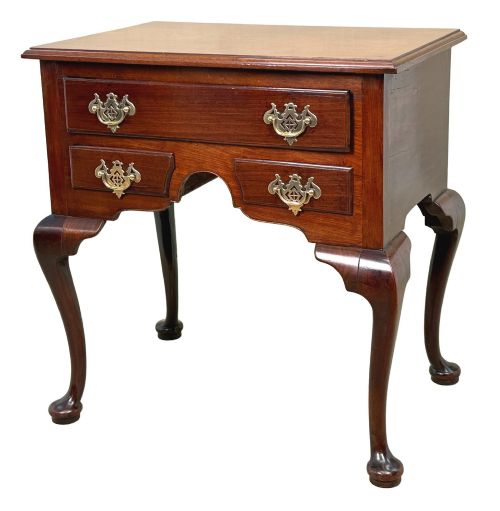
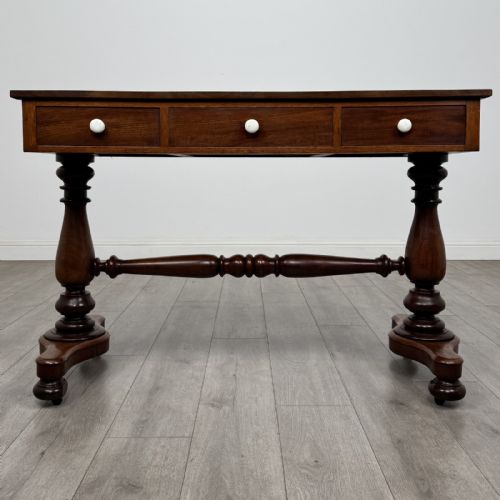
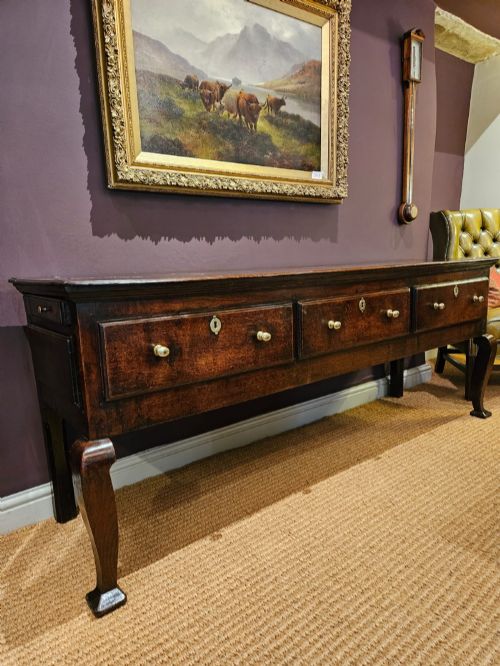
An antique three legged table typically appears as a traditional cricket table, an occasional piece, or a tilt-top design rooted in Georgian, Victorian, and Edwardian eras. These domestic items serve varied roles from small bedside stands to sturdy kitchen furniture.
The materials span native timbers such as oak and pine alongside finer imported woods like mahogany and walnut. Examples frequently display simple circular tops supported by three splayed legs to prevent rocking.
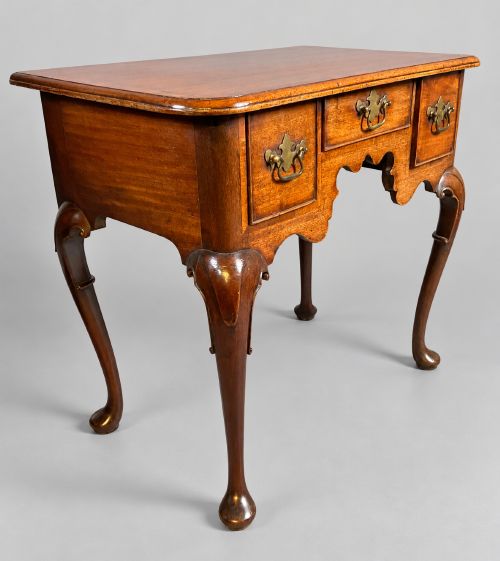
Makers ranged from country carpenters working with local conifers and hardwoods to metropolitan cabinet makers handling figured veneers. Their construction reflects the functional demands of 18th, 19th, and early 20th century households.
Materials and construction
Joinery on these tables relies on traditional methods such as pegged mortise and tenon joints or robust dowelling to secure the legs to the underside of the top. Solid timbers like oak and pine dominate the earlier country pieces, often showing visible grain and tool marks from manual shaping.
Finer reception pieces utilise mahogany and walnut veneers applied to secondary woods, sometimes finished with ebonising or subtle brass mounts. Turning lathes shape the central pillars and legs of occasional tables, while cricket tables maintain straightforward tapered or pegged uprights.
Antique Three Legged Table Retail Price Guide 2026
Typical asking prices for three legged table among the pieces listed under this phrase on Sellingantiques today, from the lower quarter to the upper quarter. They describe what is for sale here now, not the wider market.
Early farmhouse tables often gained their third leg simply because three points make a stool or table steady on a lumpy cottage floor.
Craftsmanship and integrity
Quality rests in the selection of timber and the tightness of the leg joints, which determine the structural stability of a three-point base. Superior examples maintain original surface patination and unwarped solid wood tops.
Finer decorative choices display crisp hand-carving, balanced proportions, and carefully matched timber veneers rather than rushed machine finishing.
The Antique Three Legged Table Glossary
- Cricket table
- A small wooden table with three splayed legs, traditionally built with a round top for stability on uneven farmhouse floors.
- Tilt top
- A tabletop hinged to its central pillar so it can pivot vertically and store flat against a wall when not in use.
- Trefoil
- A three-lobed decorative shape reminiscent of a clover leaf, often describing the outline of a tabletop.
- Pollard oak
- Timber taken from trees that have been pollarded, producing a dense wood marked by clustered knots and rich grain patterns.
- Ebonised
- Wood stained or painted black to imitate expensive ebony, a technique popular during the Victorian and Arts and Crafts periods.
Antique Three Legged Table: Frequently Asked Questions
What is a cricket table?
A cricket table is a traditional three-legged wooden table, typically built with a circular top and pegged joints designed to stand firmly on uneven stone or flagged floors.
These pieces date back to the 18th century and earlier, serving practical roles in rural homes before evolving into decorative household furnishings.
Why do these tables have three legs?
Three legs naturally rest flat on any surface without wobbling, making them exceptionally practical for older homes with uneven floorboards.
This structural simplicity also allows makers to create light, balanced occasional furniture that remains stable under everyday use.
How do I date an old wooden table?
Dating relies on examining the timber species, construction tool marks, joinery methods, and hardware style. Hand-sawn boards and pegged joints usually indicate 18th-century or earlier origins.
Later Victorian and Edwardian examples often incorporate machine-turned components, standardised screws, and denser mahogany or walnut veneers.
Where should I place a tripod table?
Tripod tables fit neatly into corners, beside armchairs, or as lamp stands in reception rooms where space is limited. Their compact footprint and balanced shape make them versatile accents in both traditional and modern interiors.