





Country Cricket Table
A country cricket table offers sturdy three-legged utility with vernacular charm, making it a compact centrepiece for any traditional interior.
Country Cricket Table
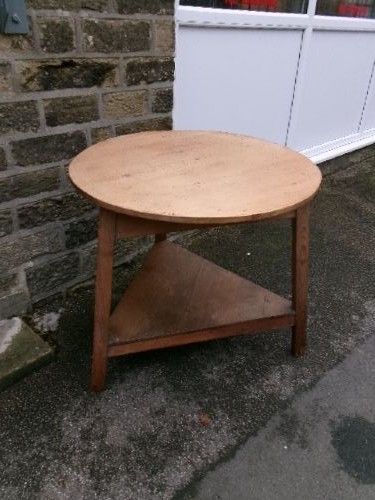
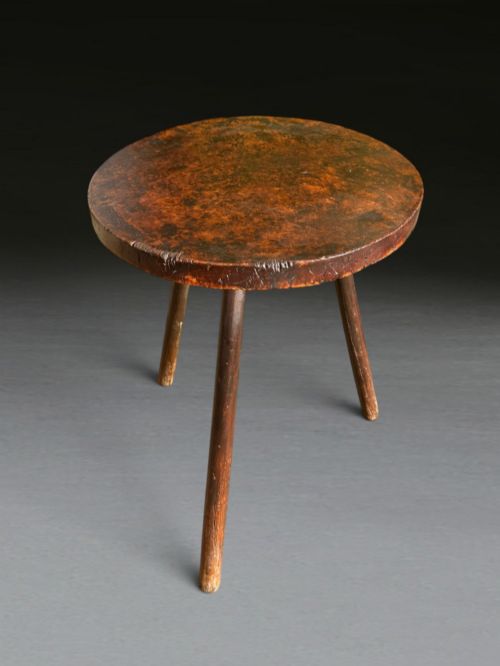
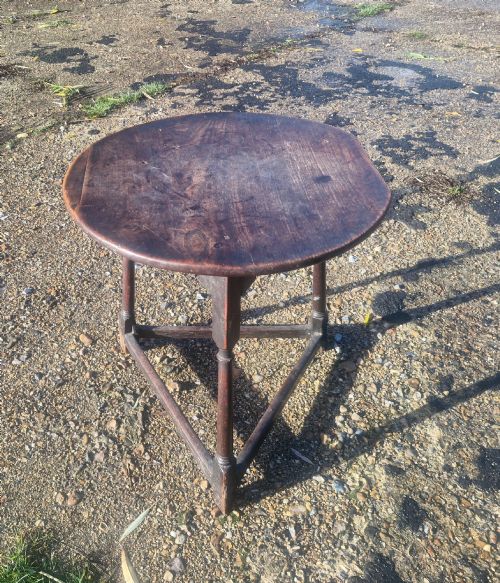
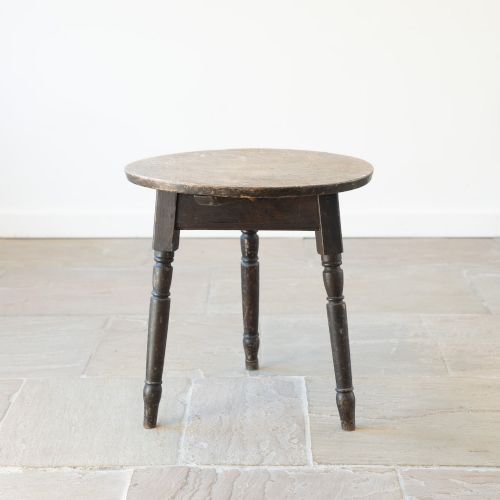
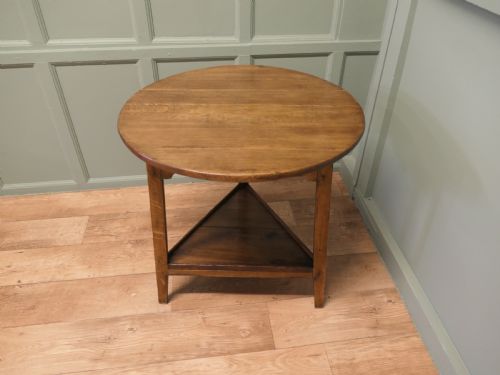
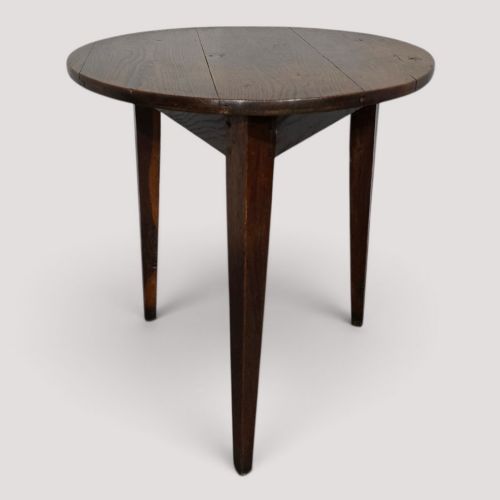
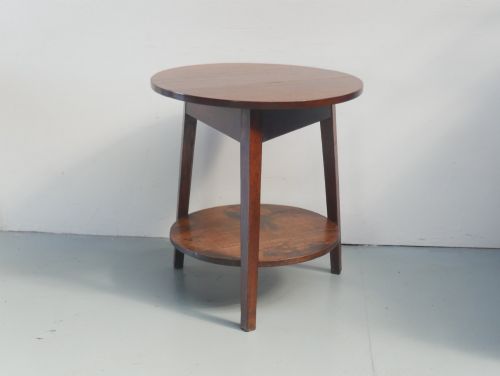
A country cricket table provides a stable circular surface supported by three legs, designed for uneven floors in domestic interiors. When searching for a country cricket table, buyers encounter examples originating primarily from the eighteenth and nineteenth centuries, reflecting Georgian and Victorian vernacular traditions.
Most pieces span utilitarian oak, pine, elm, and ash construction, occasionally featuring painted finishes or polished hardwood tops. These tables function as flexible side or occasional furniture, bridging utilitarian farmhouse needs and regional craftsmanship across England and Wales.
Materials and Construction
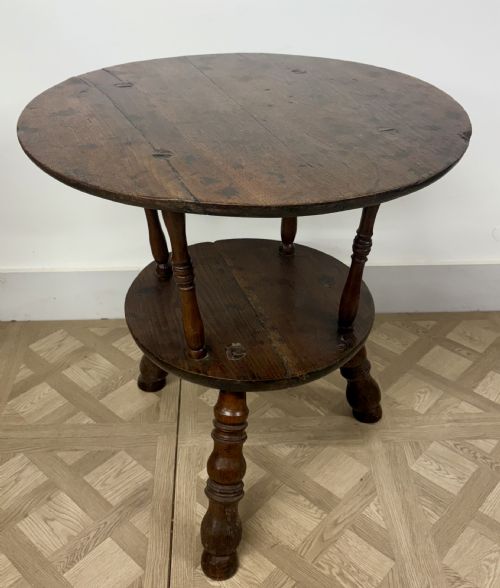
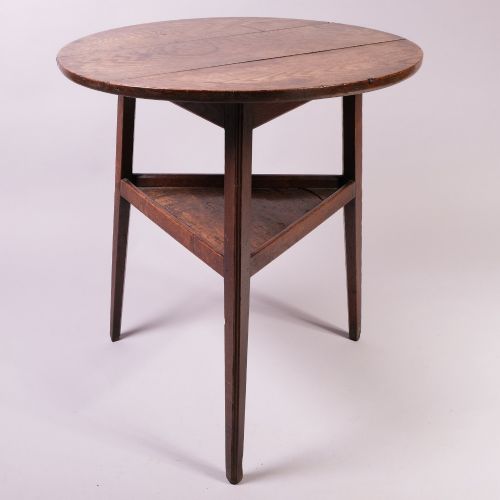
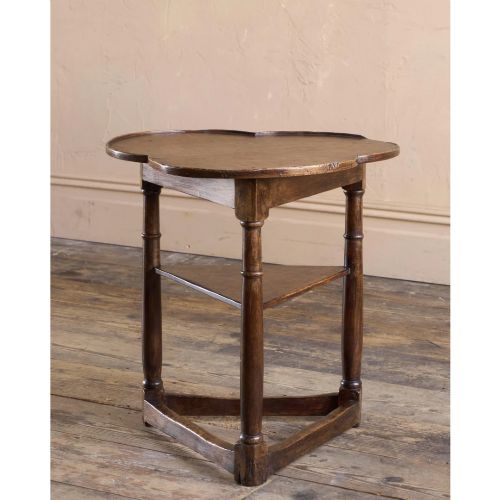
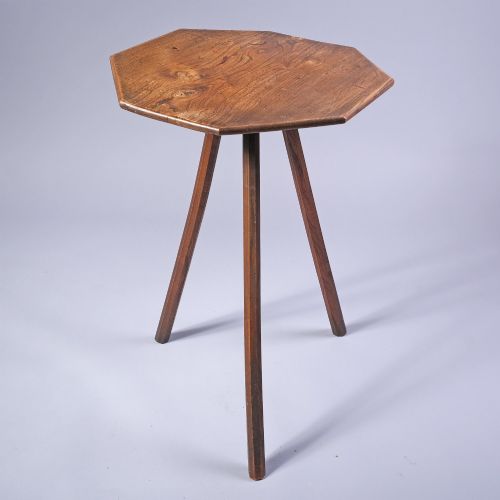
Joiners built these tables utilising native timbers such as oak, elm, pine, and ash, selecting woods based on local availability and structural strength. Plank tops, sometimes shaped with trefoil designs, connect directly to three splayed legs using traditional pegging or socket joints.
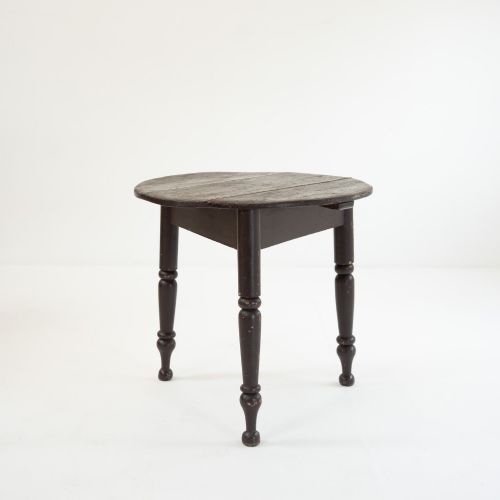
Surface treatments range from bare scrubbed deal and polished pollard oak to historic painted pine finishes. Turnery varies from simple tapered spindles to bobbin-turned legs and pad feet, depending on regional workshop practices.
Country Cricket Table Retail Price Guide 2026
Typical asking prices for country cricket table among the pieces listed under this phrase on Sellingantiques today, from the lower quarter to the upper quarter. They describe what is for sale here now, not the wider market.
Some tabletops are shaped into trefoil outlines, giving the impression of a giant clover leaf holding your tea.
Quality and Proportion
Quality rests in timber selection and the harmony of the tripod proportions relative to the top diameter. Higher quality pieces display tight grain matching in native oak or elm, alongside crisp original turnery on the legs.
The integrity of the structural joints between the circular top and the splayed underframe dictates the firmness of the piece. Retained original surfaces, such as undisturbed historic paint or patinated scrubbed pine, elevate the standing of the table.
The Country Cricket Table Glossary
- Tripod table
- A freestanding table supported by three legs arranged around a central axis. This configuration ensures stability on uneven flagstone or timber floors.
- Trefoil top
- A circular tabletop shaped with three lobes resembling a clover leaf. This uncommon geometric variation adds decorative distinction to the domestic surface.
- Vernacular furniture
- Domestic objects made by local tradesmen using regional materials and traditional methods rather than high-style metropolitan designs. These pieces serve immediate everyday purposes in farmhouses and taverns.
- Pad foot
- A rounded, slightly expanded foot shape found at the base of cabriole or straight legs. It distributes weight evenly and protects domestic flooring.
Country Cricket Table: Frequently Asked Questions
What is a country cricket table?
A country cricket table is a small round domestic table supported by three legs, traditionally utilised in farmhouses and rural cottages for everyday tasks.
The three-legged design prevents rocking on uneven stone or timber floors, making the form both stable and portable for various domestic rooms.
How do I date a cricket table?
Dating relies on observing timber choices, construction methods, and leg turnery styles associated with Georgian and Victorian periods.
Eighteenth-century examples often feature joined oak or elm with pegged underframes, while later nineteenth-century pieces frequently utilise pine or ash with simpler turned spindles.
Where were these tables made?
These tables originate from regional workshops across England and Wales, with notable numbers emerging from West Country makers.
Local joiners utilised native timbers readily available in their immediate districts, resulting in distinct regional variations in proportion and finish.
How can I use a cricket table at home?
These pieces function ideally as side or occasional tables in living spaces, hallways, or beside armchairs for holding lamps and books.
Their compact circular footprints allow them to fit into tight corners where standard four-legged rectangular tables would prove too cumbersome.