

Rustic Occasional Table
A rustic occasional table brings useful surface space and honest character to a room through solid timber construction and simple vernacular forms.
Rustic Occasional Table
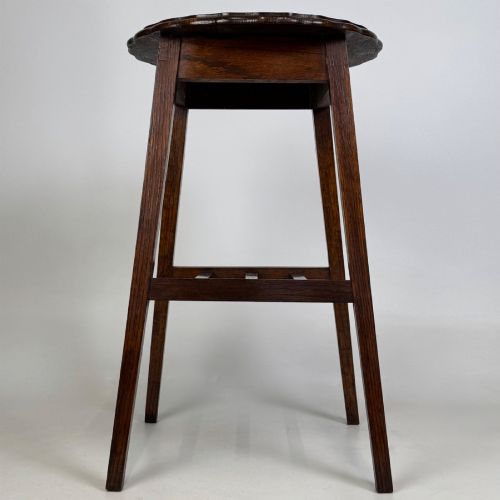
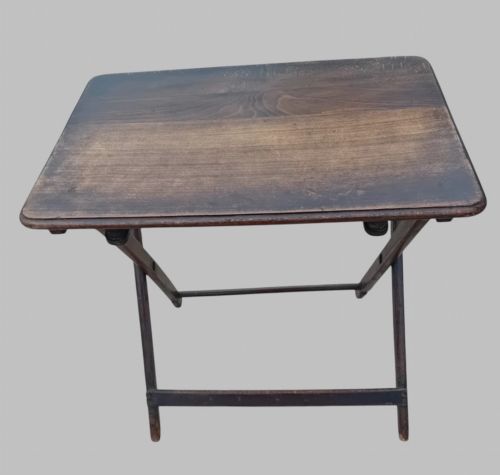
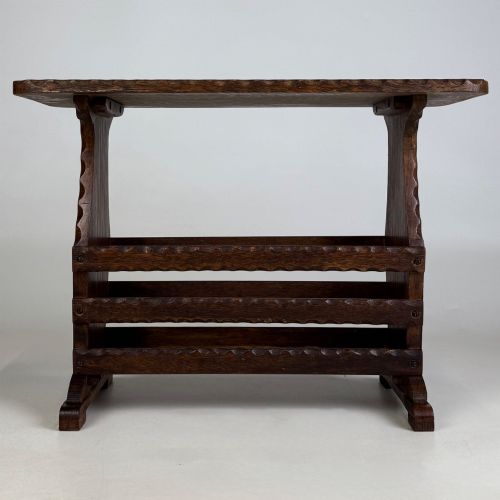
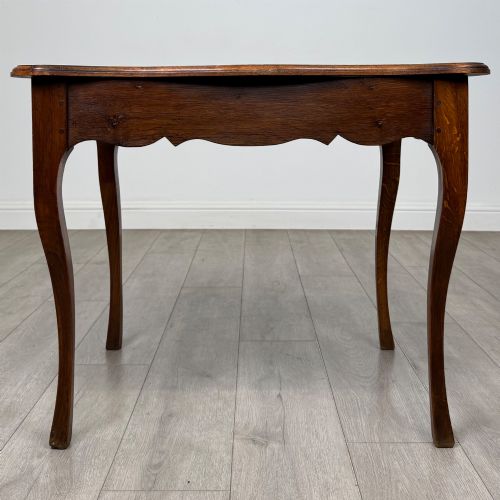
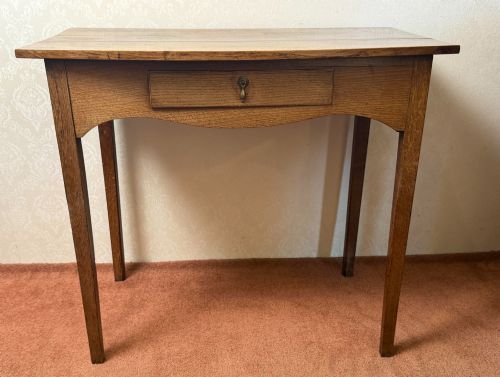
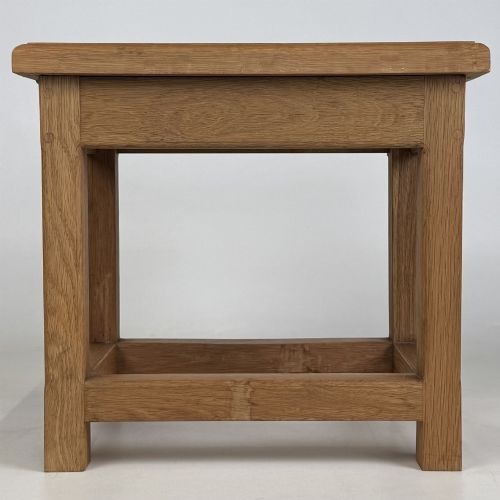
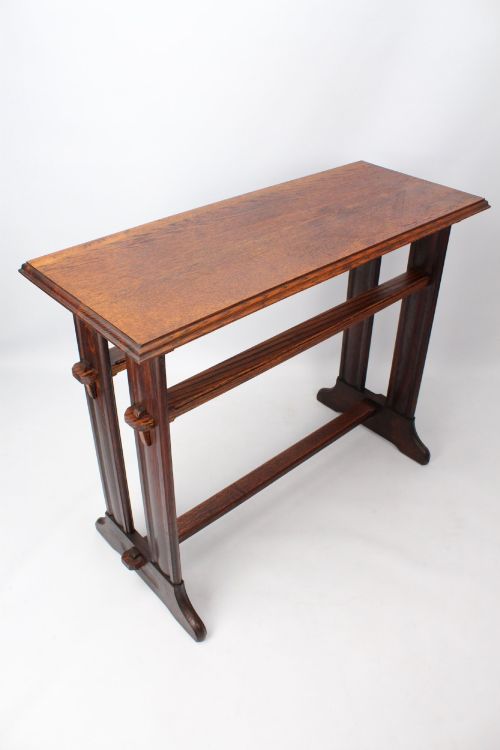
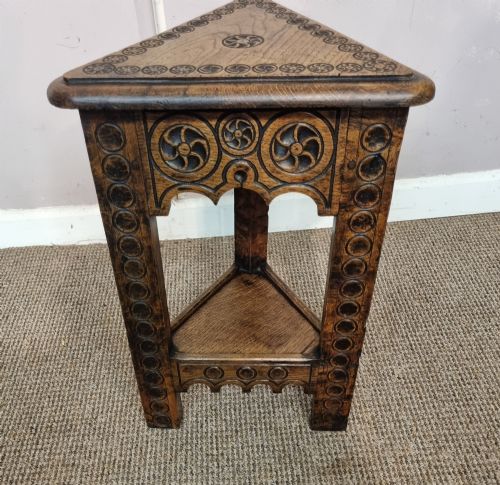
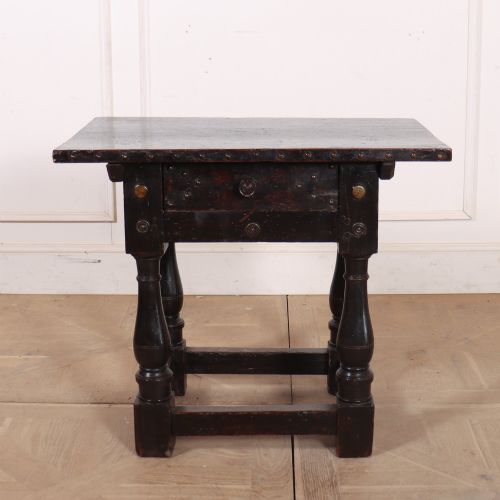
A rustic occasional table serves as a compact surface for lamps, drinks, or books, taking the form of side tables, cricket tables, low tables, and small tripods. These pieces emerge from domestic and provincial workshops rather than grand urban cabinet makers.
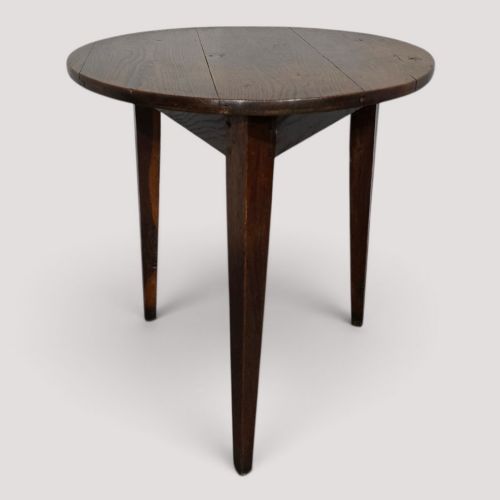
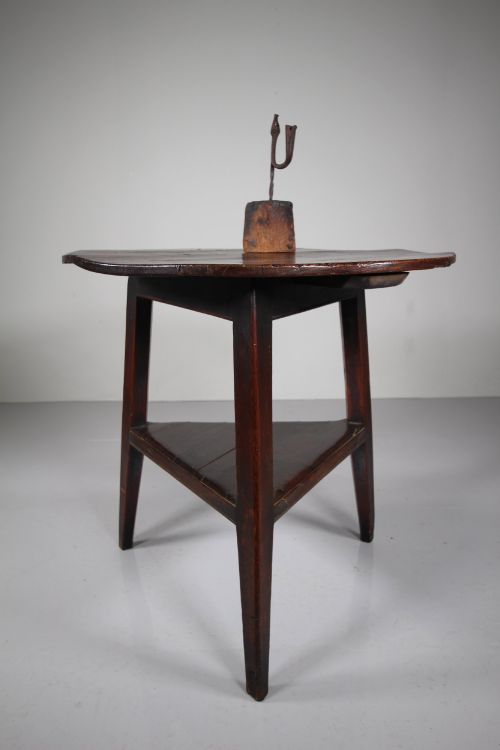
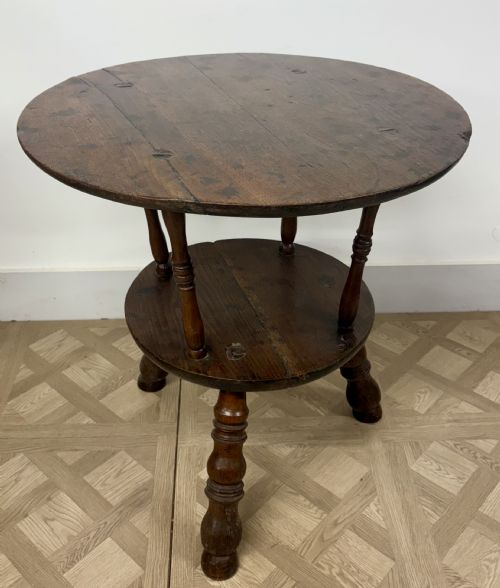
The version most commonly met on this page is the oak cricket table, featuring three splayed legs and a round top designed to stand steady on uneven floors. Alongside these appear fruitwood, pine, and elm examples spanning the eighteenth, nineteenth, and early twentieth centuries.
Origins stretch across English country houses, French provincial farmhouses, and Italian workshops, resulting in pieces shaped by local materials and daily utility. Their forms remain unpretentious, prioritising sturdy construction and practical proportions over formal ornamentation.
Materials and construction
Makers relied primarily on native timbers such as oak, pine, elm, ash, and fruitwood, selecting planks for durability and strength. Surfaces often retain visible grain, tool marks, and patination accumulated through decades of domestic service.
Joinery methods reflect traditional vernacular woodworking, utilising pegged mortise and tenon joints, through-tenled legs, and tripod bases secured directly into the underside of the top. Iron brackets or brass fittings appear selectively where extra reinforcement is required.
Finishes range from bare scrubbed timber and traditional wax to remnants of early paint, showing how these tables were maintained and adapted by their owners over generations.
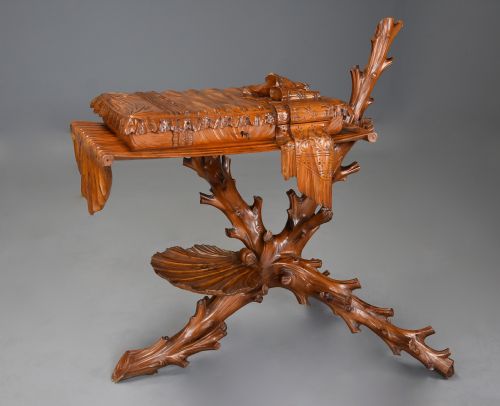
Cow horn and taxidermy antlers occasionally substitute for timber legs, proving that historical makers enjoyed surprising their guests.
Assessing quality and character
Quality in a rustic occasional table rests upon the integrity of the timber and the balance of its proportions. Tables fashioned from thick, well-figured oak or Burr elm with substantial tops display a superior presence compared to lighter, thinned-down variants.
The relationship between the legs and the top dictates structural success, where splayed tripod legs offer both stability and visual lightness. Subtle details, such as pegged joints executed with care and timber selected for rich colour, separate standard utility pieces from those possessing genuine vernacular distinction.
The Rustic Occasional Table Glossary
- Cricket table
- A small round table supported by three legs, historically designed with splayed feet to remain stable on flagged or uneven floors. This form is particularly common in eighteenth-century English oak.
- Tripod table
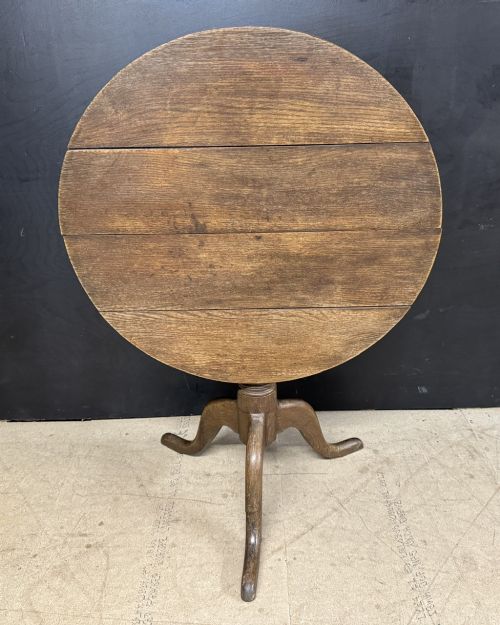
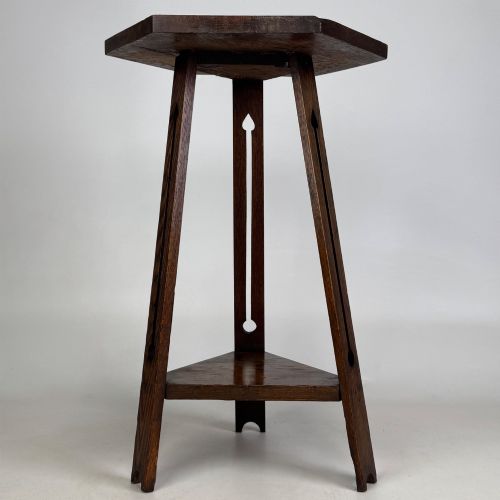
- A small freestanding table resting on a central pillar supported by three legs. These versatile pieces frequently feature tilt-top mechanisms for convenient storage.
- Vernacular furniture
- Domestic pieces made by local craftsmen for everyday use, following regional traditions rather than formal architectural styles. These items often employ locally available timbers.
- Gateleg table
- A drop-leaf table where the leaves are supported by hinged legs that swing out like a gate. This construction allows the surface area to expand or contract as needed.
Rustic Occasional Table: Frequently Asked Questions
What is a cricket table?
A cricket table is a traditional small table featuring a round wooden top supported by three splayed legs. The design allows the table to stand firmly on uneven stone or timber floors without rocking.
These pieces were used extensively in English homes for dining, reading, or holding household items, and they remain one of the most recognisable forms of vernacular furniture.
How do I style a rustic table?
A rustic occasional table functions well beside seating or as a bedside stand, offering a surface for a lamp or books. Its honest timber textures contrast effectively against plain walls and modern upholstery.
Allowing the wood to remain the focal point avoids clutter, letting the grain, tool marks, and age patination show clearly within the room.
What woods are used most often?
Oak appears most frequently in these listings, valued for its strength and rich ageing process. Pine, elm, ash, and various fruitwoods also feature across English, French, and Italian examples.
Each timber brings distinct qualities to the piece, influencing both the weight of the table and the tone of the surface finish.
How can I tell the age?
Dating relies upon observing the construction methods, tool marks, and the natural wear accumulated on the timber over centuries. Hand-sawn boards, pegged joints, and dry patinated surfaces indicate earlier periods of manufacture.
Comparing the timber shrinkage and the style of the legs against dated examples helps narrow down the century of origin.