




Scrubbed Pine Top Table
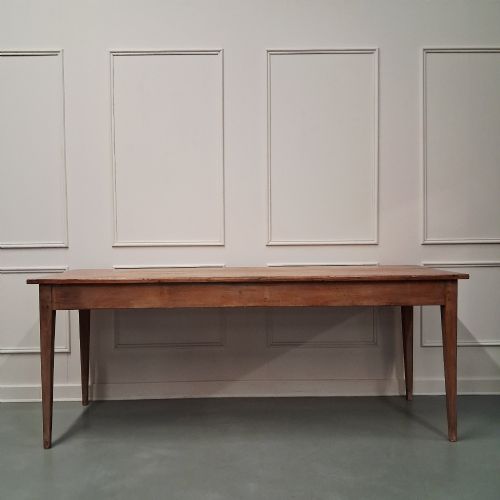
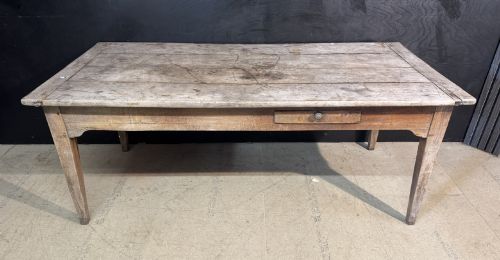
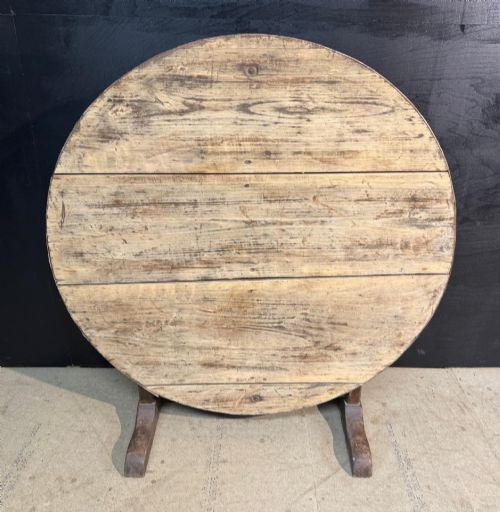
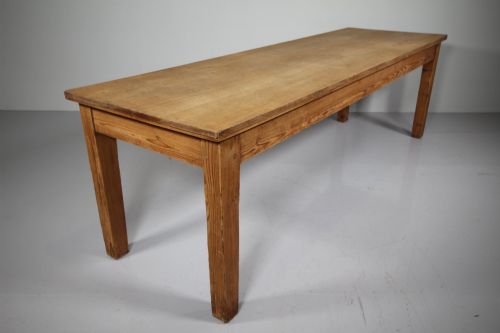
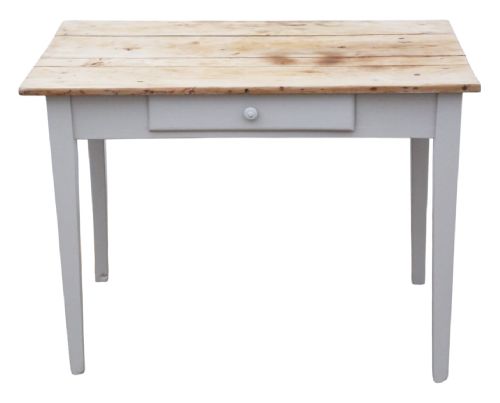
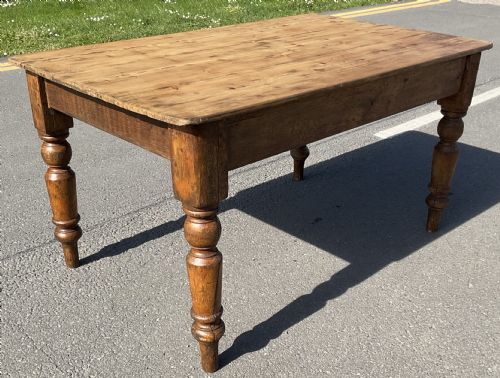
A scrubbed pine top table brings honest utility to a room, offering the pale, scrubbed surface that generations of kitchens and dairies relied upon.
Scrubbed Pine Top Table
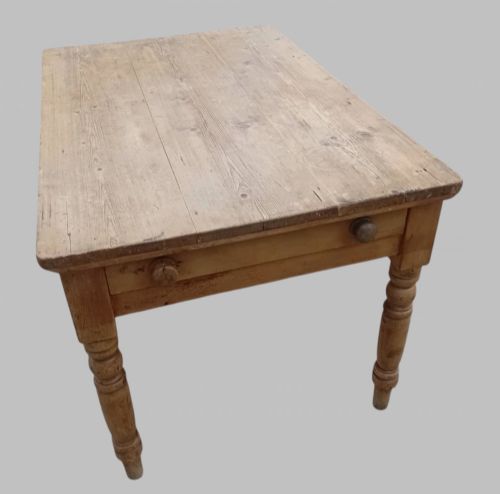
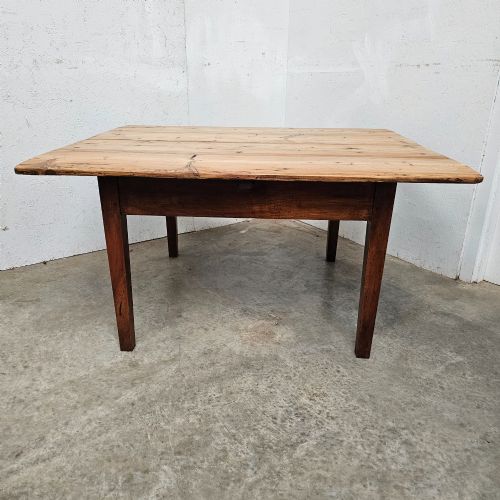
A scrubbed pine top table is a practical piece of domestic furniture designed for heavy daily use in kitchens, dairies, and pantries. These tables combine a resilient wooden top, scrubbed clean over decades of use, with sturdy timber frames.
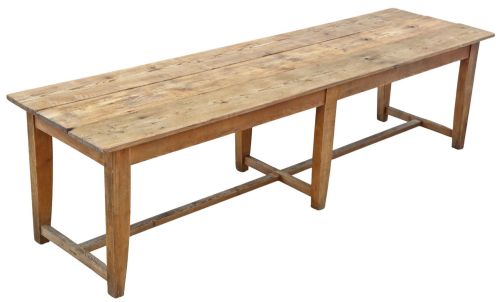
The versions most commonly found here originate from the nineteenth century, including Victorian examples and pieces from regional workshops in England, Wales, France, and Sweden. They appear in forms ranging from simple kitchen dining tables to prep tables, tavern tables, and refectory styles.
Buyers look for these tables to anchor a rustic or country interior, valuing the honest construction and the practical heritage evident in every board. The surface shows the marks of actual labour, making each piece entirely individual.
How they were made
Construction relies primarily on solid pine for the main structure, frequently paired with secondary woods like oak, sycamore, elm, or fruitwood for stability and strength in legs and stretchers. Joinery is straightforward and robust, designed to withstand daily scrubbing and heavy weight.
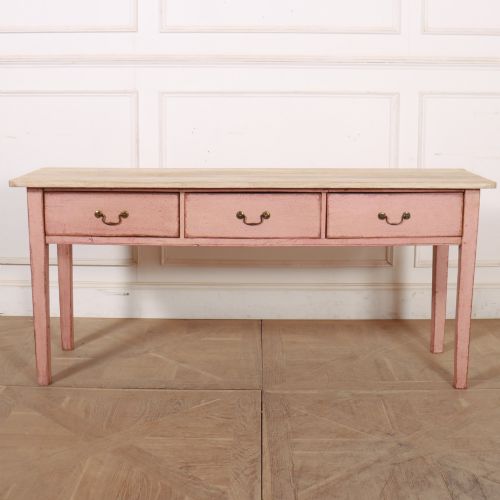
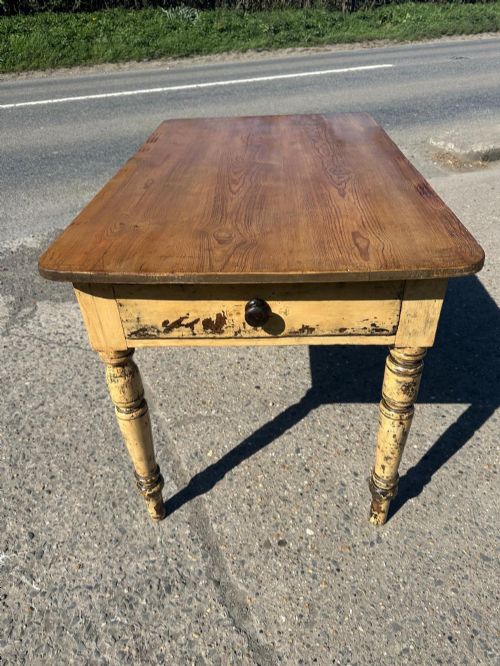
Many bases retain traces of their history through layers of old or later paint, often in red, blue, or neutral tones applied to the timber frame while the top remained bare wood. Carpenters built these tables for endurance rather than decoration, utilising thick planks joined securely at the aprons.
Scrubbed Pine Top Table Retail Price Guide 2026
Typical asking prices for scrubbed pine top table among the pieces listed under this phrase on Sellingantiques today, from the lower quarter to the upper quarter. They describe what is for sale here now, not the wider market.
Listings feature nineteenth-century pine, oak, sycamore, and elm, spanning Victorian farmhouse, French provincial, and Scandinavian country styles.
What varies in quality
Quality in a scrubbed pine top table rests upon the integrity of the timber and the balance of proportions between the scrubbed top and the supporting base. Tables retaining their original painted legs or structural drawers carry greater character and authenticity than heavily restored counterparts.
The thickness of the top boards and the depth of the grain achieved through historical scrubbing dictate the visual weight of the piece. Well-proportioned framing, such as X-frames or trestle designs, separates standard utilitarian pieces from those with regional vernacular distinction.
The Scrubbed Pine Top Table Glossary
- Scrubbed top
- A wooden table top cleaned repeatedly with water and a stiff brush, leaving the grain raised and pale. This process removes surface grime while recording the history of preparation and use.
- Refectory table
- A long, narrow dining table traditionally used for communal meals. Examples here often feature substantial length and sturdy stretchers supporting the pine top.
- Trestle table
- A table consisting of two or more supports connected by a horizontal beam or stretcher. This design provides steady footing for large working surfaces.
- Cricket table
- A small, light three-legged table originating in British vernacular traditions. They offer stable placement on uneven floors through their tripod construction.
Scrubbed Pine Top Table: Frequently Asked Questions
How do I clean a scrubbed pine top?
Clean the surface simply with a damp cloth and mild soap, avoiding harsh chemical treatments that strip the grain. Regular dry dusting preserves the pale, dry finish characteristic of these utility tables.
Allow any accidental spills to dry naturally rather than scrubbing aggressively. Maintaining the soft patina requires minimal intervention and preserves the historical character.
Are these tables suitable for daily kitchen use?
These tables were built specifically for heavy kitchen and dairy work, making them well-suited for everyday dining and food preparation today. The robust construction handles active household environments with ease.
Using placemats and boards protects the soft pine from excessive moisture or deep staining while letting you enjoy the historic surface daily.
What is the difference between a dairy table and a prep table?
Dairy tables historically featured lower surfaces or specific ventilation considerations for handling milk and cheese production in cool larders. Prep tables focused on general kitchen tasks, often incorporating drawers for utensils.
Both types share the durable scrubbed pine top suited to wet working conditions, though their frame heights and proportions reflect their original tasks.
How can I tell if the paint on the base is old?
Original or early paint finishes display natural wear, subtle crazing, and multiple thin layers visible around edges and joints. These signs indicate decades of gentle ageing rather than a recent decorative application.
Examining the interface between the painted base and the scrubbed top helps reveal whether the two elements share a consistent history.