

Vintage Serving Table
These vintage serving table designs unite timber and tier to bring practical surface space to dining rooms.
Vintage Serving Table
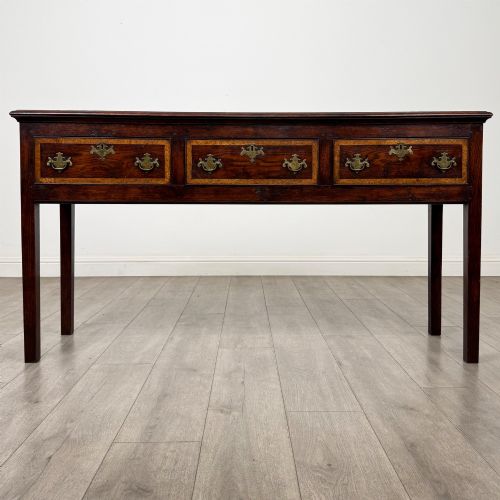
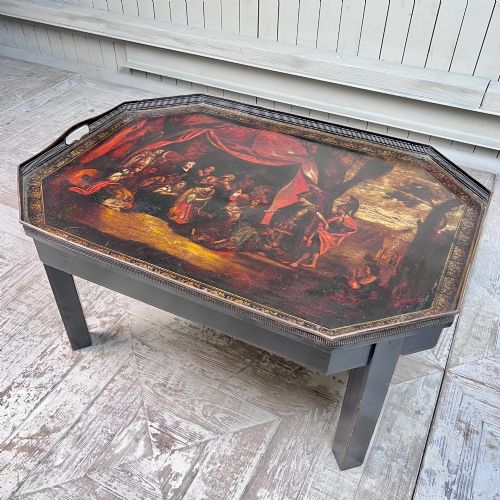
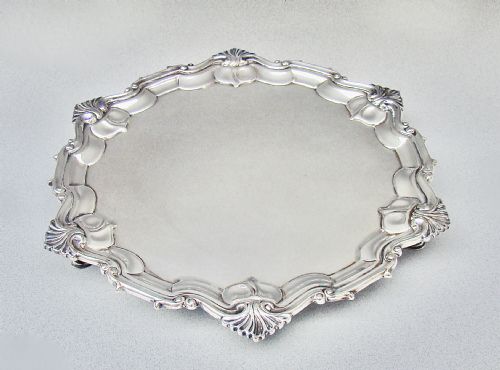
When you search for a vintage serving table, you encounter a practical surface designed for dining rooms and entertaining, spanning console tables, sideboards, and multi-tiered trolleys. The pieces available on this page lean heavily towards mahogany and oak constructions from the Georgian, Victorian, and Edwardian periods.
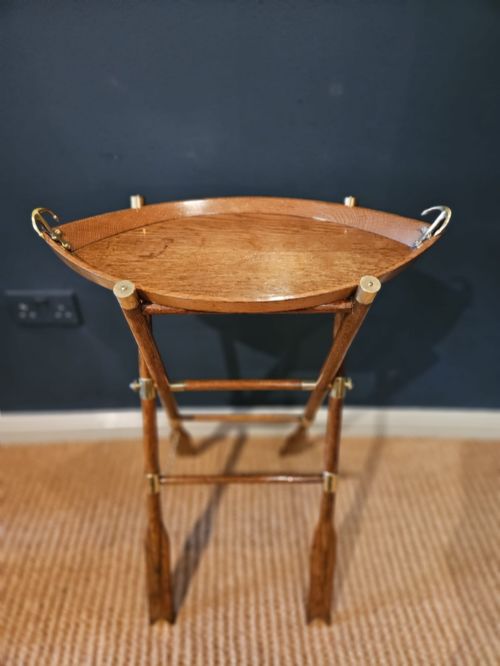
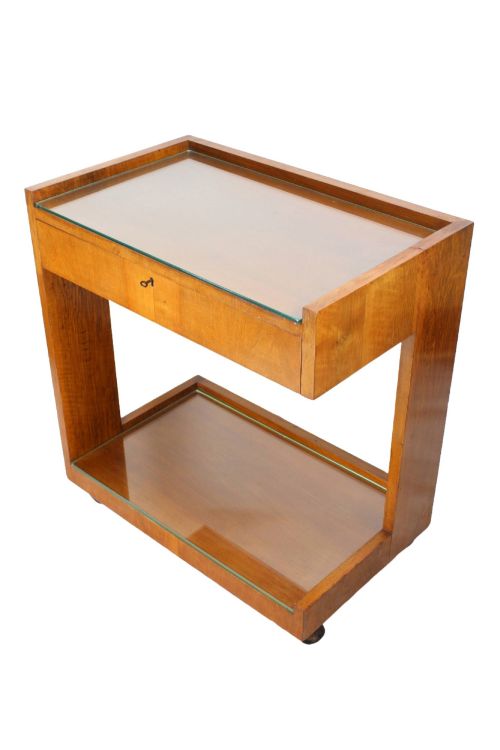
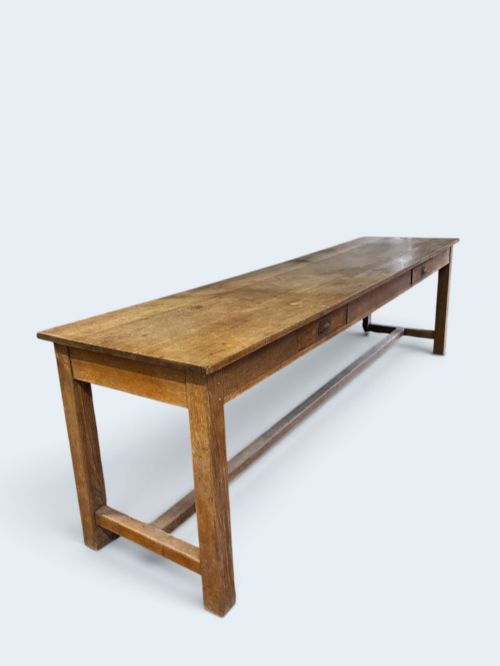
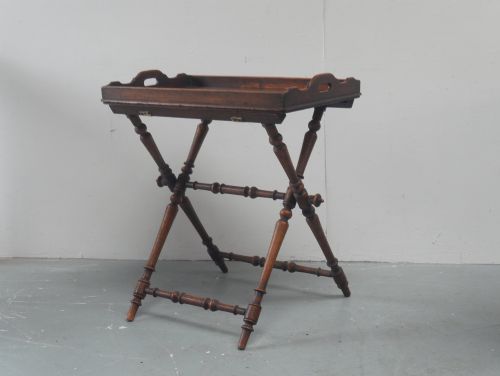
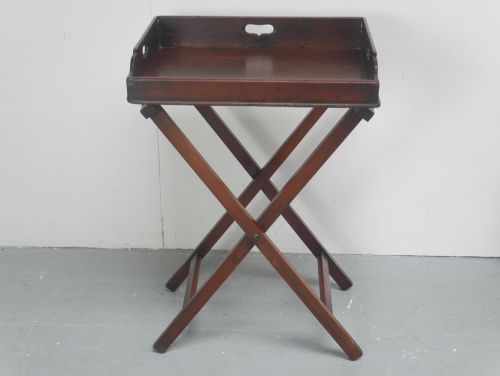
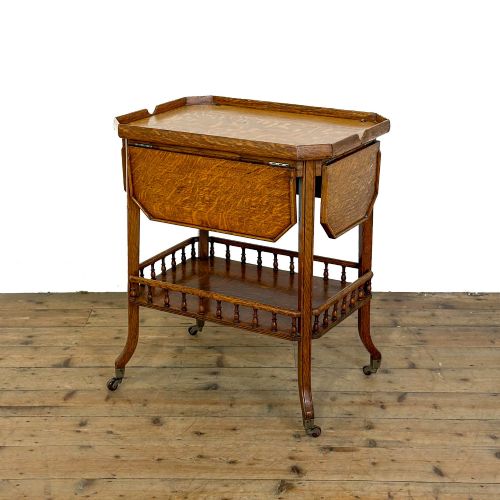
The form stretches from substantial mahogany sideboards with multiple drawers to compact folding butler trays on stands and two-tier serving trolleys. Oak examples often display rustic farmhouse or Jacobean revival characteristics, while walnut and painted finishes appear in twentieth-century iterations.
You are most likely to meet sturdy oak dresser bases and mahogany side serving tables equipped to hold dishes, beverages, and silverware. These functional items reflect the changing domestic service requirements of the nineteenth and early twentieth centuries.
Determinants of quality
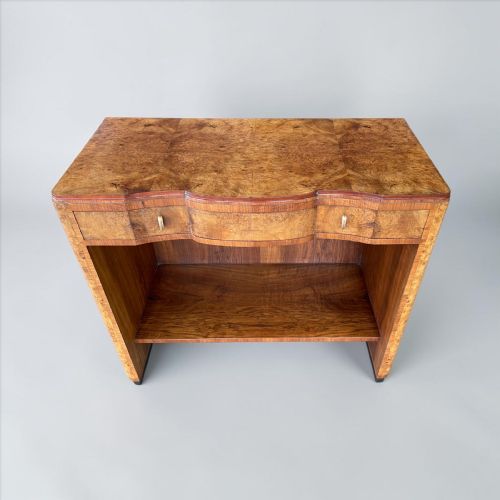
The selection of timber grain and the precision of the cabinetwork dictate the distinction between standard utilitarian furniture and superior examples. Well-figured mahogany and burr walnut display depth and movement in the grain that plain timber lacks.
The integration of functional mechanisms, such as smooth-running drawers, stable drop-leaves, and original brass castors, separates better-engineered pieces from lesser ones. Proportions and the crispness of carved details, whether restrained Georgian mouldings or Edwardian turned legs, reveal the maker's competence.
Vintage Serving Table Retail Price Guide 2026
Typical asking prices for vintage serving table among the pieces listed under this phrase on Sellingantiques today, from the lower quarter to the upper quarter. They describe what is for sale here now, not the wider market.
Early nineteenth-century dining rooms relied on a revolving wooden lazy susan to pass condiments without servants lingering.
Maurice Adams·William Hutton & Sons·Beresford & Hicks London·Mappin & Webb
The Vintage Serving Table Glossary
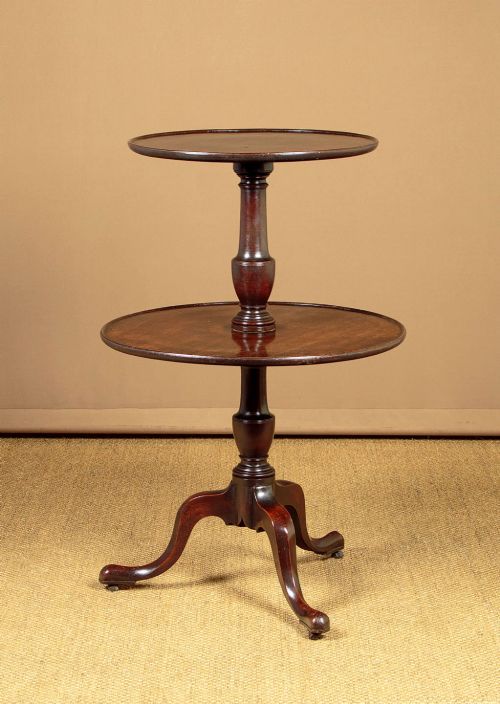
- Dumb Waiter
- A tiered serving stand, often revolving, used to hold dishes without domestic staff present. These pieces typically feature graduated circular trays supported by a central pillar.
- Sideboard
- A large dining room cabinet fitted with drawers and cupboards for storing cutlery and serving dishes. They provide an extended top surface ideal for food presentation.
- Butler Tray
- A removable wooden tray with handles, designed to sit upon a folding wooden stand. They originated for portable tea and meal service.
- Trolley
- A wheeled table with two or more tiers used for transporting food and drinks. Many vintage versions incorporate rubber tyres or brass castors.
- Dresser Base
- A low wooden sideboard featuring rows of drawers beneath a wide flat top. These heavy oak pieces stem from country house traditions.
Vintage Serving Table: Frequently Asked Questions
What is a vintage serving table used for?
These tables served primarily to hold dishes, drinks, and silverware during large meals when dining room storage or surface space ran short. They functioned as staging areas for food before it reached the main dining table.
In modern homes, they operate effectively as side consoles, drinks stations, or hallway display surfaces while retaining their original utility for hosting guests.
How do I identify a Georgian serving table?
Georgian pieces typically feature rich mahogany timbers, understated classical proportions, and clean lines with minimal fuss. Drawer linings often show hand-cut dovetails and solid secondary woods like oak or pine.
Look for architectural mouldings, brass drop handles, and tapered or cabriole legs that reflect eighteenth-century cabinetmaking standards.
What is the difference between a sideboard and a serving table?
Sideboards generally incorporate enclosed cupboards alongside drawers, offering substantial storage capacity for dinner services and linens. They are heavier, more permanent fixtures in a dining room.
Serving tables and console variants focus more on open surface space or tiered shelving, often lacking deep cupboards in favour of a lighter, more portable frame.
Are tea trolleys considered serving tables?
Tea trolleys and two-tier service carts belong to the broader family of serving furniture designed for mobile entertaining. They fulfil the same practical role of food and drink presentation on a smaller, wheeled scale.
Edwardian and Art Deco iterations brought these pieces into domestic daily life for afternoon tea and cocktail service.