



19th Century Swedish Table
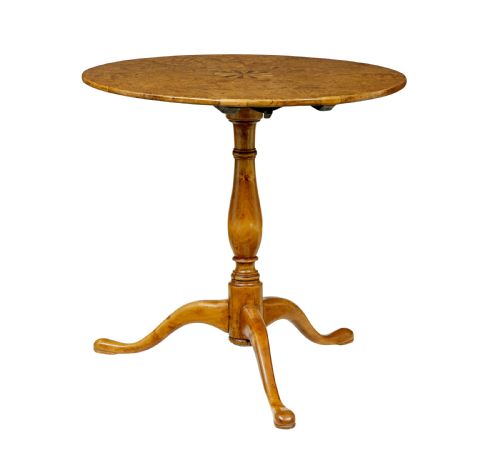
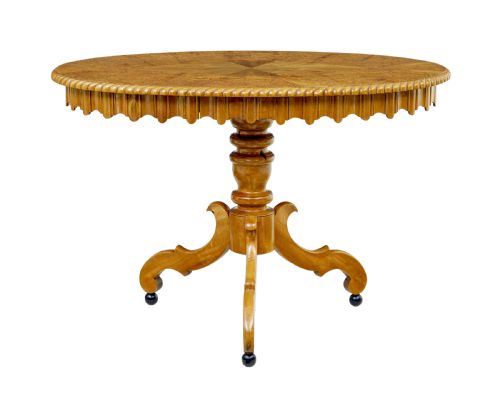
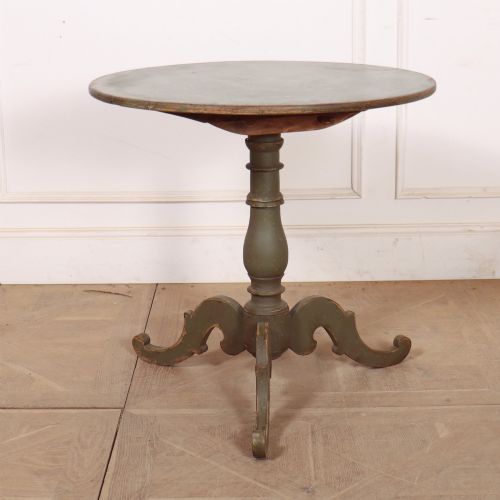
When sourcing a 19th century swedish table, collectors seek timber grain and painted surfaces that anchor a room with distinct northern European character.
19th Century Swedish Table
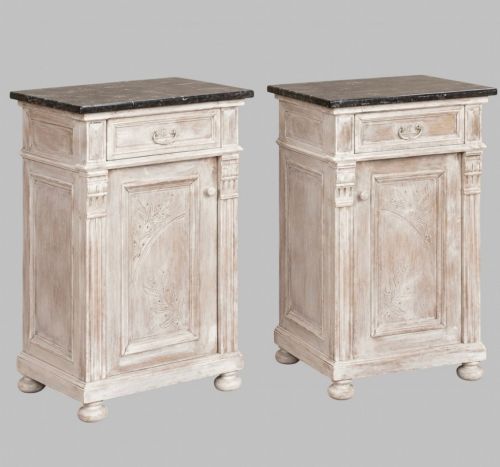
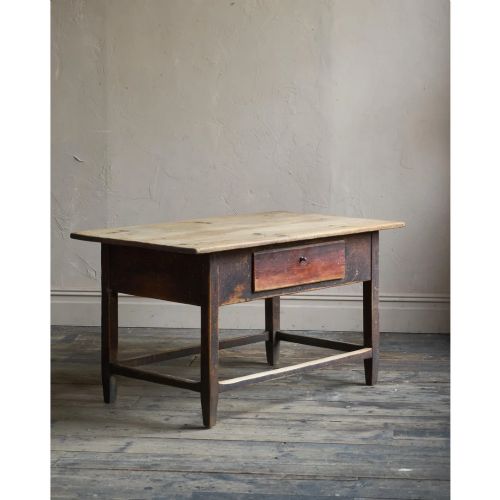
A 19th century swedish table encompasses practical dining furniture, architectural console tables, and small occasional pieces designed for domestic utility. The inventory shows a strong representation of occasional, centre, and side tables alongside robust pine trestle and kitchen variants.
The aesthetic bridges rural Scandinavian country traditions and refined urban styles like Gustavian and Biedermeier. Buyers frequently encounter painted pine surfaces or richly figured birch timbers reflecting the distinct periods of the nineteenth century.
Materials and Technique
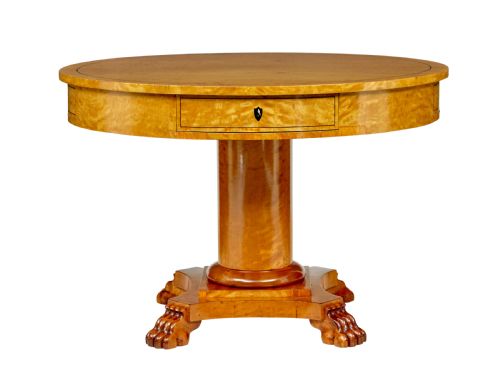
Cabinetmakers utilised native softwoods and hardwoods, predominantly building carcasses and structural frames from pine, while applying decorative veneers of burr birch and satin birch to visible surfaces. Ebonised wood and brass details occasionally accent the primary timbers.
Surface finishes range from transparent polishes that highlight intricate wood grain to layered hand-applied paint in pale or dark hues. Joinery techniques support the functional demands of drop-leaf mechanisms, trestle supports, and box stretchers.
19th Century Swedish Table Retail Price Guide 2026
Typical asking prices for 19th century swedish table among the pieces listed under this phrase on Sellingantiques today, from the lower quarter to the upper quarter. They describe what is for sale here now, not the wider market.
Listings feature extensive use of burr birch alongside painted pine across various side, centre, and occasional table formats.
Evaluating the Pieces
The hierarchy among these pieces rests upon the selection of timber veneers and the preservation of original painted finishes. Burr and satin birch examples rely on dramatic grain configuration and precise inlay work to distinguish finer workshop output from simpler domestic furniture.
Proportion and stylistic attribution elevate certain consoles and centre tables, particularly those bearing neoclassical Gustavian or Empire influences. Surviving original paintwork without modern intervention commands distinct appreciation among purists.
Jonas Frisk
The 19th Century Swedish Table Glossary
- Burr Birch
- A timber harvested from birch tree growths containing swirling, knotty grain patterns. This wood was sliced into decorative veneers for table tops.
- Slagbord
- A traditional Scandinavian dropleaf table supported by swinging wooden gates or legs. This form maximises floor space in smaller rooms.
- Ormolu
- Gilt bronze mounts applied to furniture for decorative effect. The technique appears on select neoclassical and Biedermeier pieces.
- Trestle Table
- A sturdy form comprising two or more supports holding a horizontal top. Examples in the records utilise pine for kitchen and bakers' use.
19th Century Swedish Table: Frequently Asked Questions
What is a Slagbord?
A Slagbord is a traditional Scandinavian dropleaf dining table featuring hinged flaps supported by swing legs. These tables offered flexible surface space in historic Swedish homes.
Today, they function well in modern kitchens or dining rooms where space management is useful. The folding mechanism remains a defining characteristic of the form.
How do I identify Gustavian style?
Gustavian pieces display restrained neoclassical design inspired by French Versailles but filtered through a Scandinavian lens. Look for fluted legs, carved rosettes, and light grey or white painted finishes.
This aesthetic emerged in the late eighteenth century and persisted well into the nineteenth. The focus remains on symmetry, proportion, and understated elegance.
Where should I place an occasional table?
An occasional table works effectively beside seating arrangements or as a small accent piece in a hallway. Their compact dimensions allow them to fit into corners where larger furniture cannot go.
Consider pairing a birch or painted lamp table with a neutral interior backdrop. This highlights the natural grain or historic paint surface.
Are painted tables original?
Many nineteenth-century tables retain their historic painted finishes, which vary from simple rural applications to refined decorative schemes. Examining the surface wear helps determine the age of the paint.
Original painted pine and commodes show distinct patination acquired through decades of domestic use. Preservation of this surface is central to historical integrity.