

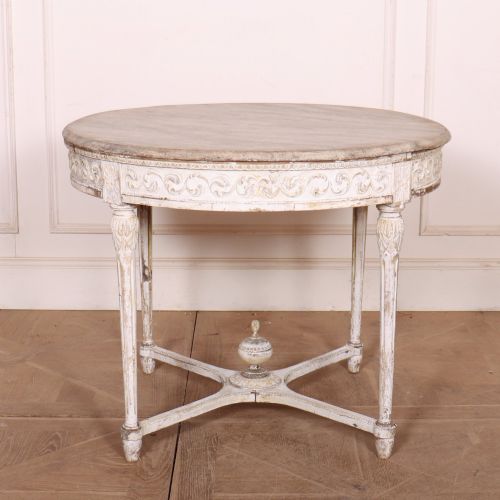

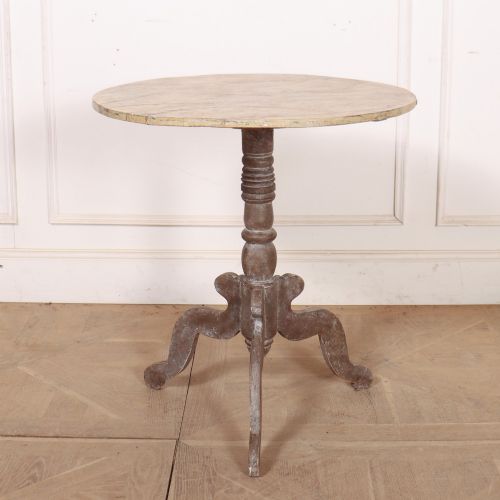
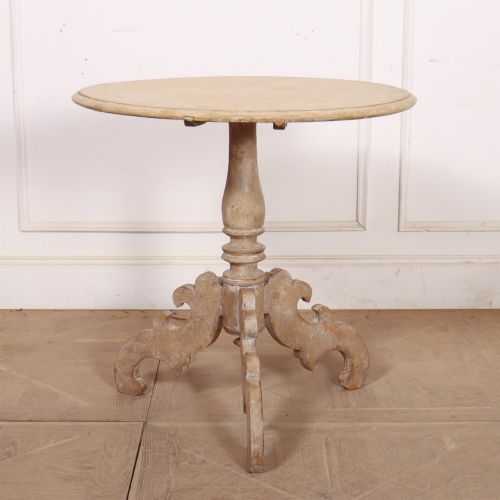
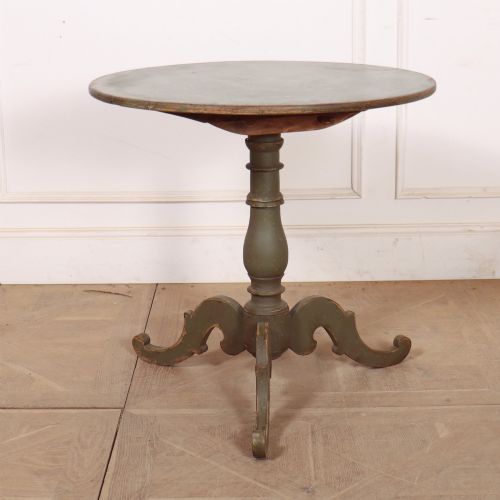


Swedish Country Side Table
A Swedish country side table brings practical Scandinavian utility and painted charm into any room.
Swedish Country Side Table
The nineteenth century yields the highest volume of examples, supplemented by pieces dated around nineteen hundred, nineteen twenty, and eighteen eighty. These utilitarian and decorative objects reflect distinct regional aesthetics ranging from folk made constructions to refined revival styles.
Makers utilised local resources to produce versatile furniture suited for domestic interiors and preparation tasks. Buyers frequently encounter painted surfaces and traditional forms that anchor a room with understated character.
How they were made
Makers constructed these tables primarily using pine and general wood, incorporating unusual organic elements such as tree bark on specific items. Traditional joinery methods ensured durability for everyday domestic tasks and dining preparation.
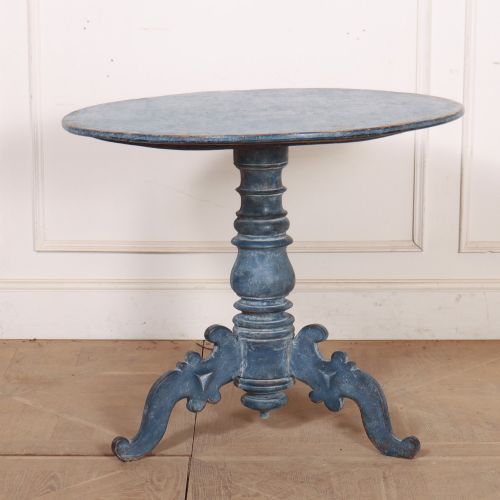
Surfaces received protective and decorative coatings of paint, defining the visual identity of Scandinavian country and folk art styles. This painted finish ranges from simple monochrome applications to decorative schemes associated with rococo revival pieces.
Swedish Country Side Table Retail Price Guide 2026
Typical asking prices for swedish country side table among the pieces listed under this phrase on Sellingantiques today, from the lower quarter to the upper quarter. They describe what is for sale here now, not the wider market.
Some makers incorporated actual tree bark into their furniture, bringing raw forest textures directly into the domestic parlour.
What varies in quality
Quality differences lie in the sophistication of the carpentry and the execution of the painted finish. Refined rococo revival proportions contrast with simpler folk made items, showing varying degrees of artisan skill.
The integrity of the original pine structure and the survival of early paint surfaces distinguish standard utilitarian items from more decorative examples. Material choices, such as the inclusion of tree bark, reflect idiosyncratic workshop decisions rather than uniform standards.
The Swedish Country Side Table Glossary
- Pine
- A softwood commonly utilised throughout Scandinavian furniture making for its accessibility and workability. It forms the structural core of most pieces in this category.
- Folk Art
- Decorative and utilitarian objects created within a traditional community culture rather than a formal academic tradition. These pieces often display idiosyncratic local design choices.
- Rococo Revival
- A nineteenth-century style drawing inspiration from the asymmetrical curves and ornamentation of the eighteenth-century French rococo movement. Scandinavian interpretations adapt these motifs into local wood and paint traditions.
- Preparation Table
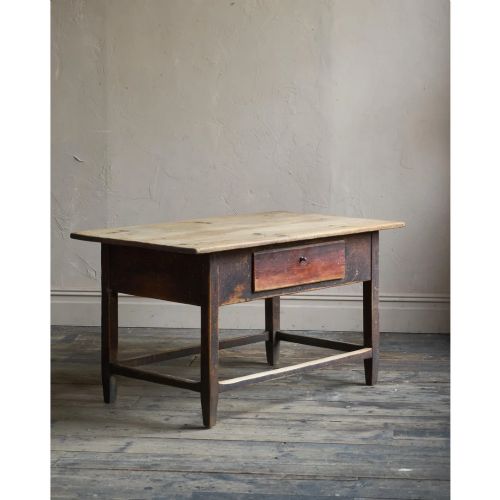
- A sturdy utilitarian table originally designed for culinary or domestic preparation tasks. These items emphasise robust construction and practical surface areas.
Swedish Country Side Table: Frequently Asked Questions
What is a Swedish country side table?
A swedish country side table is a domestic wooden table originating from Scandinavia, typically dating from the nineteenth or early twentieth century. These items include lamp tables, occasional tables, and consoles.
Most examples are constructed from pine and finished with traditional paint. They serve as functional furniture with distinct regional decorative characteristics.
How do I date a painted pine table?
Dating involves examining the construction methods, nail types, and the composition of the painted surface. Nineteenth-century examples often display hand-planed timbers and older pigment formulations.
Stylistic indicators such as rococo revival details or simpler folk-made construction provide further chronological clues. Comparing joinery to known period examples helps confirm the age.
Where were these tables used originally?
These tables functioned within domestic Scandinavian interiors as practical surfaces for lamps, occasional use, or food preparation. Their sturdy pine construction suited daily household demands.
Preparation tables worked in kitchens, while lamp and pedestal tables occupied living spaces. Their versatility allowed them to move easily between different rooms.
How do I care for an antique painted surface?
Preserving an old painted finish requires keeping the table away from direct sunlight and excessive humidity. Dusting with a dry, soft cloth prevents surface accumulation without harming the pigment.
Avoid chemical cleaners and abrasive materials that can strip or soften historic paint layers. Maintaining stable indoor temperatures protects both the pine wood and the decorative coating.