

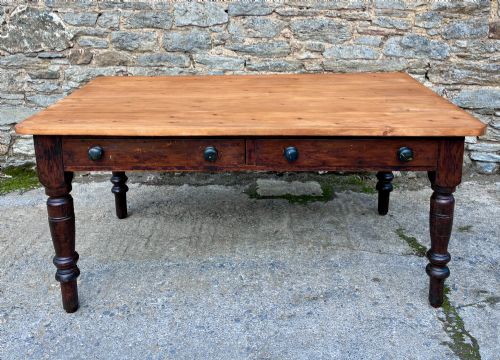
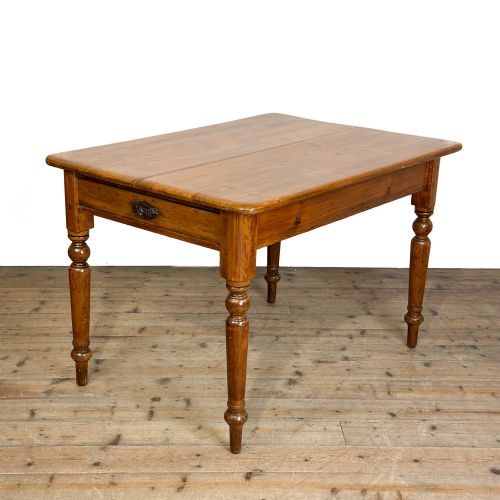
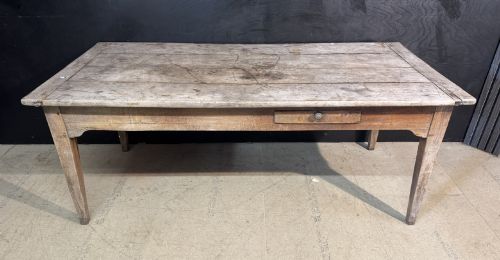
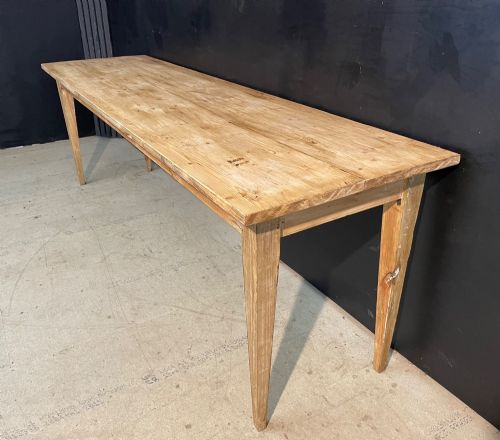
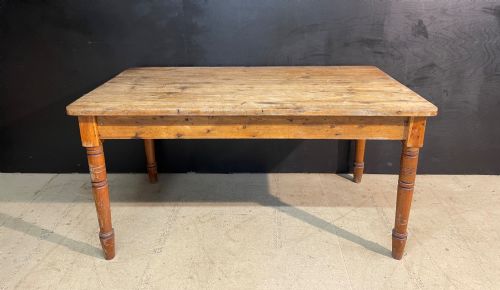
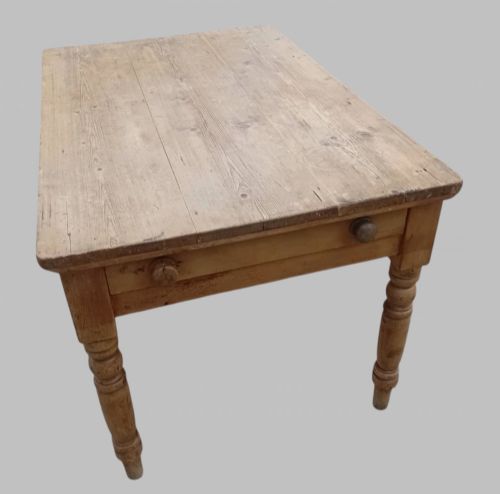
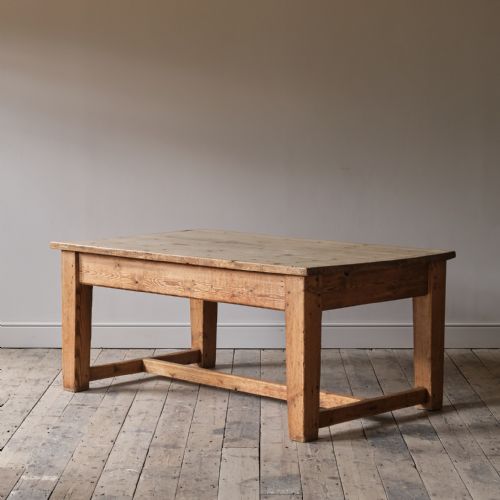
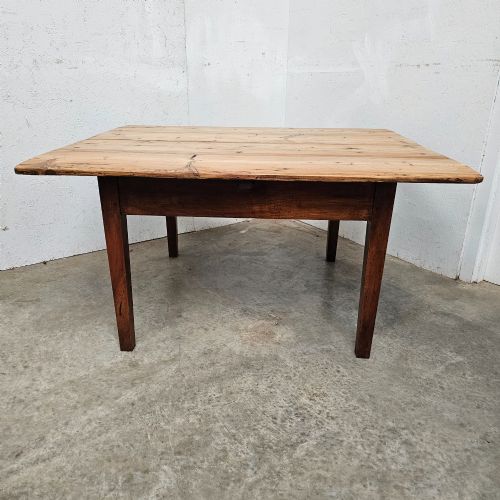




Scrubbed Pine Prep Table
A scrubbed pine prep table brings honest, hard-working utility and centuries of kitchen history straight into a modern home.
Scrubbed Pine Prep Table
When you search for a scrubbed pine prep table, you encounter robust utility surfaces built for heavy domestic labour in kitchens, sculleries, and pantries. The listings on this page span the nineteenth century, including specific dates around eighteen hundred, eighteen seventy, eighteen eighty, and eighteen ninety.
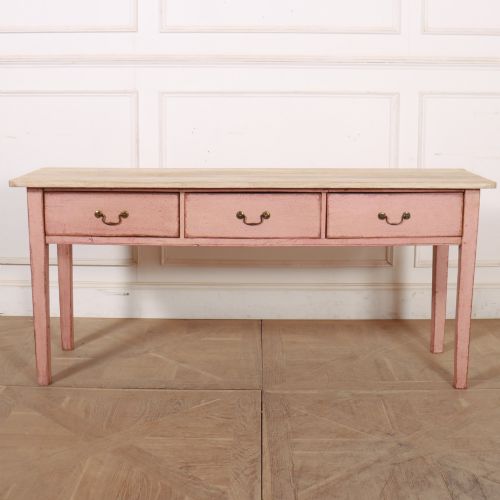
The forms encompass kitchen tables, preparation tables, work tables, and dining tables, alongside functional hybrid pieces like a dresser desk or low pantry table. Origins range from traditional English country houses and farmhouses to Swedish country workshops.
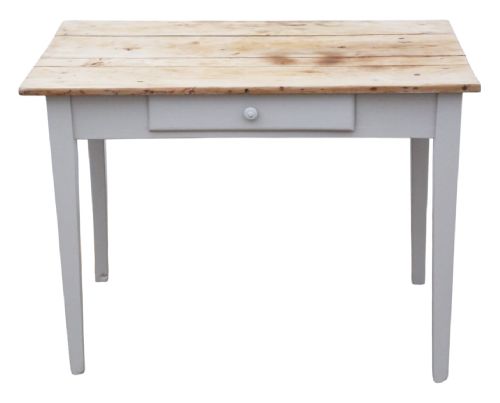
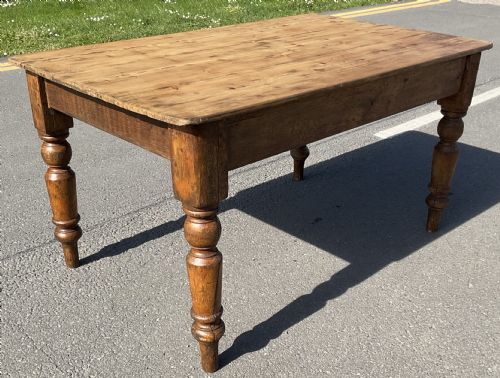
Buyers most frequently meet nineteenth-century examples that display the unpainted, scoured softwood boards characteristic of intensive daily food preparation. These pieces merge utilitarian design with rustic country, rustic farmhouse, and Scandinavian country styles.
How they were made
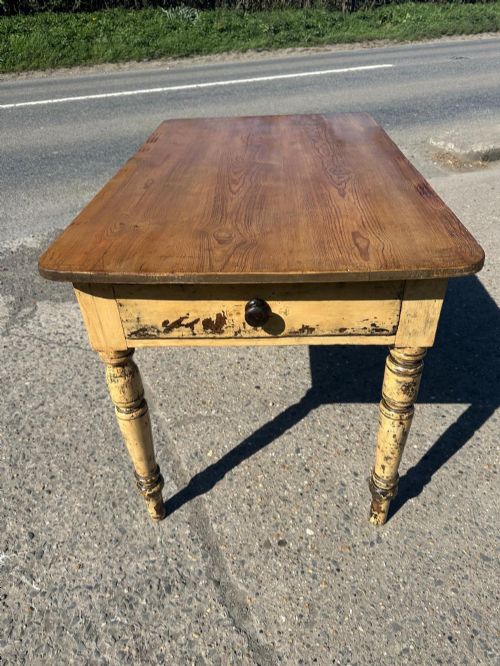
Construction relies primarily on solid pine timber for the main carcass and structural elements, frequently paired with harder woods such as sycamore and fruitwood for high-wear components. Some items incorporate metal fittings or retain remnants of later paintwork on their lower sections.
Surfaces were subjected to rigorous scrubbing with water and abrasives to maintain hygiene, which bleached the pine and raised the grain around the harder growth rings. This physical process created the distinct tactile boards that define the category.
Scrubbed Pine Prep Table Retail Price Guide 2026
Typical asking prices for scrubbed pine prep table among the pieces listed under this phrase on Sellingantiques today, from the lower quarter to the upper quarter. They describe what is for sale here now, not the wider market.
Several tables show traces of later paint, proving that even hardworking scullery furniture occasionally suffered from an enthusiastic interior makeover.
What varies in quality
Quality separates ordinary utility furniture from exceptional survivals through the integrity of the timber selection and the honesty of the surface wear. Superior examples feature dense, well-figured pine scrub tops supported by robust framing without excessive structural replacement.
The sophistication of regional vernacular design also distinguishes the range, where refined Georgian proportions contrast with robust Victorian country or Scandinavian execution. Furthermore, the retention of original structural joinery elevates a piece above those with extensive later alterations.
The Scrubbed Pine Prep Table Glossary
- Scrub top
- A wooden tabletop repeatedly scoured with water and stiff brushes to keep it clean for food preparation. This process removes soft summer growth and leaves a pale, undulating surface.
- Scullery
- A domestic room attached to a kitchen where heavy chores, washing up, and food cleaning took place. Tables designed for these spaces prioritized durability over refined appearance.
- Pantry
- A cool storage room for provisions where low tables were utilised for sorting and storing food. These surfaces generally sat lower than standard dining heights.
- Fruitwood
- Dense hardwood such as pear or apple occasionally utilised alongside pine for working parts or trim. It offered superior resistance to denting and splitting under pressure.
- Sycamore
- A light-coloured hardwood frequently chosen for kitchen surfaces due to its clean appearance and resistance to splitting. It provided a contrasting tone to the softer pine boards.
Scrubbed Pine Prep Table: Frequently Asked Questions
What is a scrubbed pine prep table?
A scrubbed pine prep table is a utilitarian nineteenth-century work surface originally built for kitchens, sculleries, and pantries. These tables were designed for heavy domestic food preparation rather than formal dining.
Today, they function as central kitchen islands or dining tables that bring texture and history into domestic spaces. Their defining feature is the pale, washed timber top resulting from decades of vigorous cleaning.
Where were these tables made?
The pieces originate primarily from English country houses and farmhouses, as well as Swedish rural workshops. Regional carpentry traditions dictated the specific joinery details and timber combinations found in each item.
English examples often reflect Georgian or Victorian country aesthetics, while Swedish pieces showcase distinct Scandinavian country painted finishes or minimalist construction.
How do I care for a scrubbed top?
Maintaining a historic scrub top involves gentle cleaning with mild soap and water, avoiding harsh modern chemical sealants. Allowing the wood to breathe preserves its dry, tactile character.
Regular use actually enhances the patina of the pine, as historical surfaces respond well to light, careful household application.
How can I tell the period?
Dating relies on examining the construction methods, tool marks, and overall proportions of the piece. Nineteenth-century examples often display hand-sawn timber and traditional joinery techniques distinct from later manufacturing.
Comparing the wear patterns and secondary woods like sycamore or fruitwood helps confirm the age and regional origin of the table.