
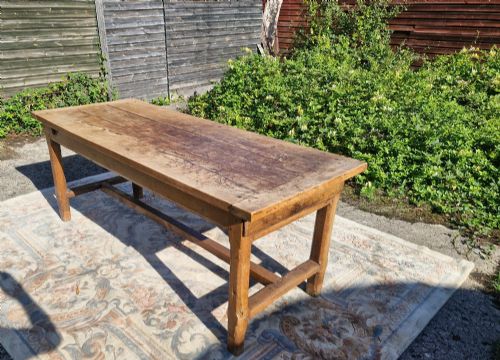
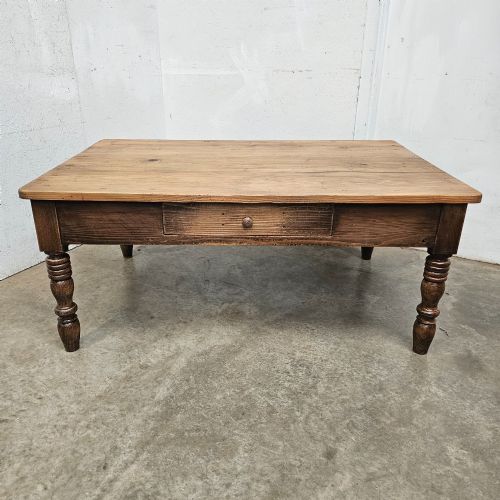
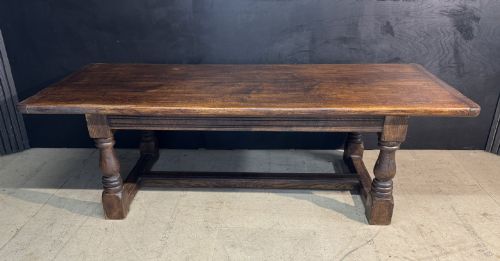
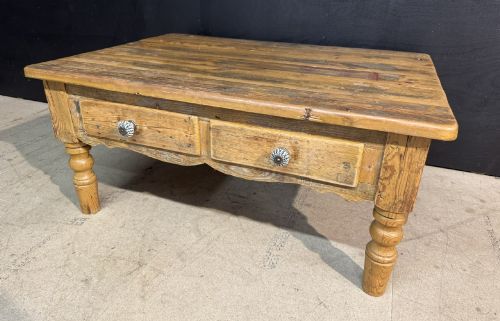
Vintage Farmhouse Table
A vintage farmhouse table brings immediate warmth to a room, offering sturdy utility and honest character built to last through decades of daily family use.
Vintage Farmhouse Table
When searching for a vintage farmhouse table, buyers encounter practical workhorses originally designed for kitchens, sculleries, and dairies rather than formal dining rooms. These pieces span the nineteenth and early twentieth centuries, encompassing Victorian, Edwardian, and country styles.
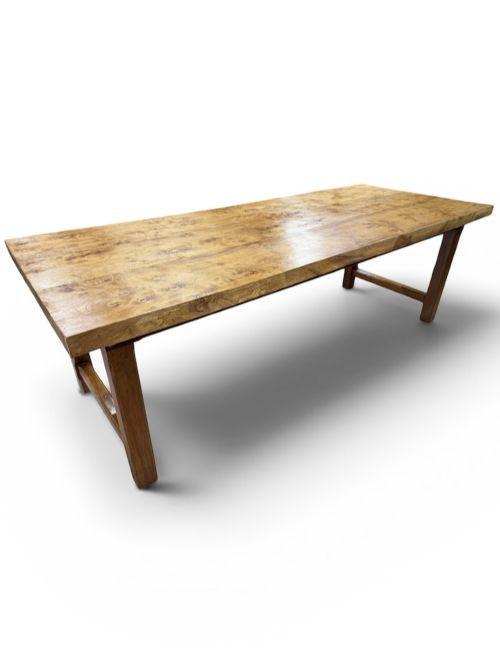
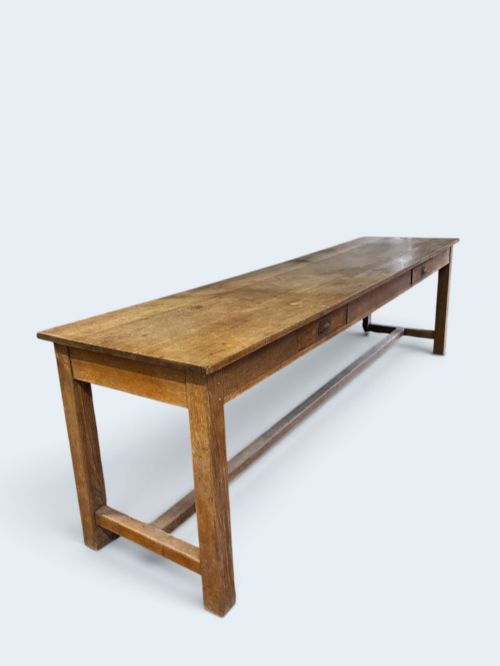
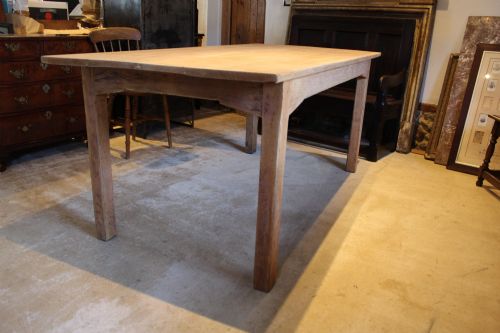
Origins vary between English workshops and French provincial settings, resulting in diverse forms like refectory tables, harvest tables, and trestle designs. Buyers select them for their generous proportions and ability to seat large numbers of people comfortably.
How they were made
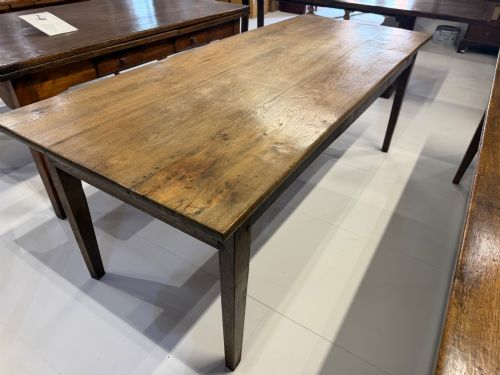
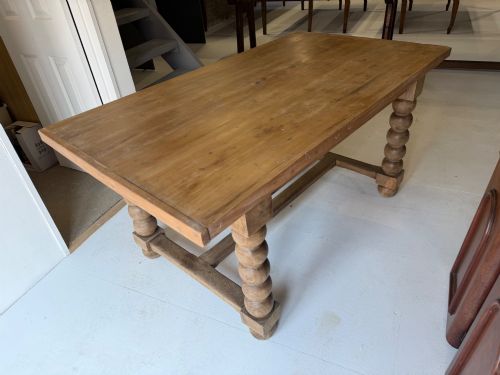
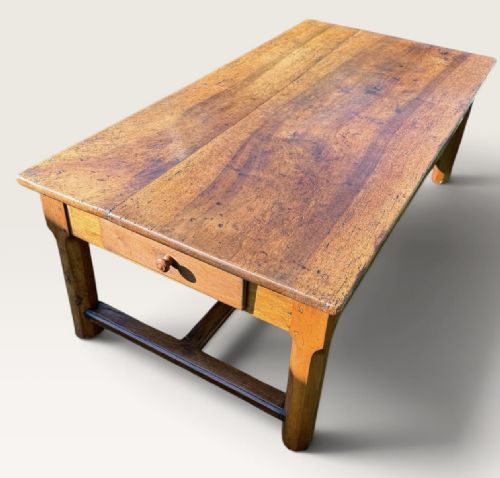
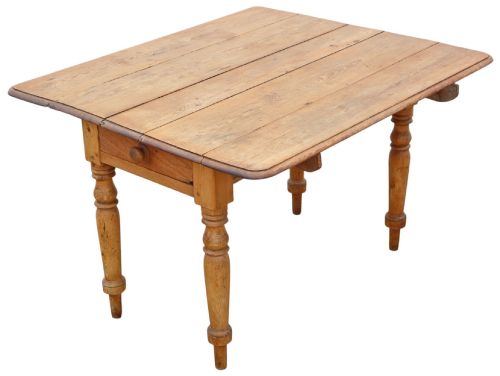
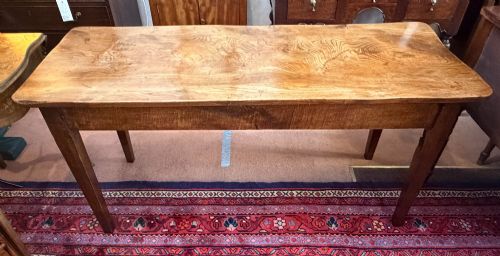
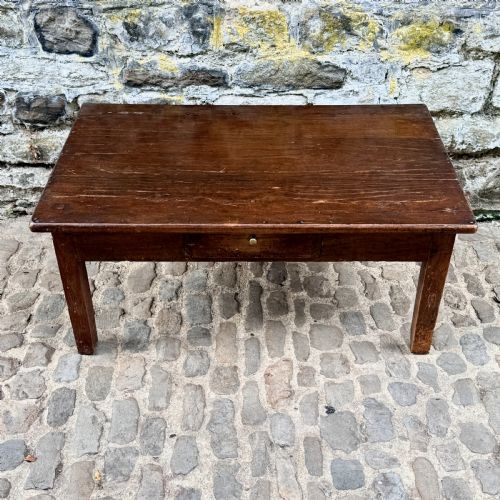
Makers relied primarily on solid timbers such as oak, pine, elm, fruitwood, and chestnut, often pairing different woods for the top and base. Scrubbed pine tops sat atop sturdy hardwood frames, while select pieces utilised walnut or pitch pine for greater visual grain depth.
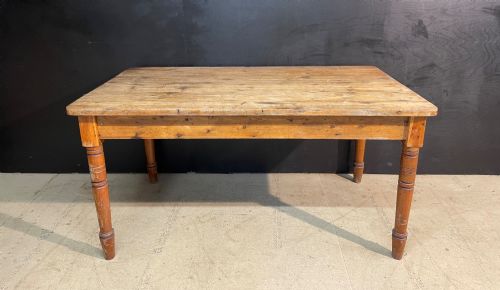
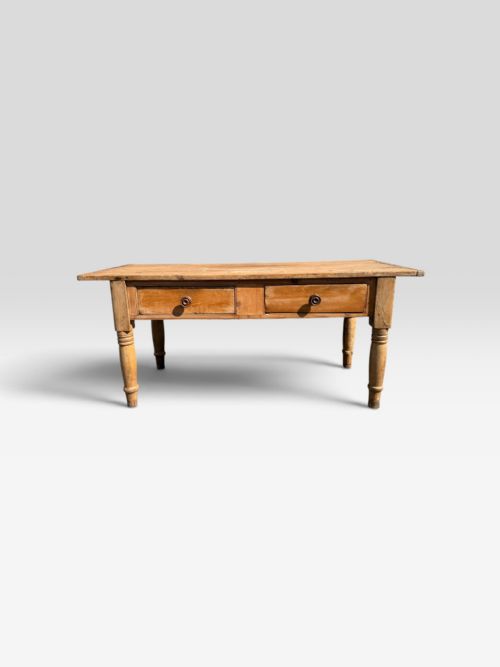
Construction techniques prioritized durability, utilising substantial stretcher bases, tapered or turned legs like bobbin turnings, and dovetailed drawers. Joinery was built to endure heavy daily labour in domestic or agricultural kitchens without losing structural integrity.
What varies in quality
Quality rests primarily on the integrity of the timber and the honesty of the surface patination accumulated over generations of use. Tables featuring thicker two-board tops and well-proportioned turned or tapered legs demonstrate superior craftsmanship compared to simpler utility items.
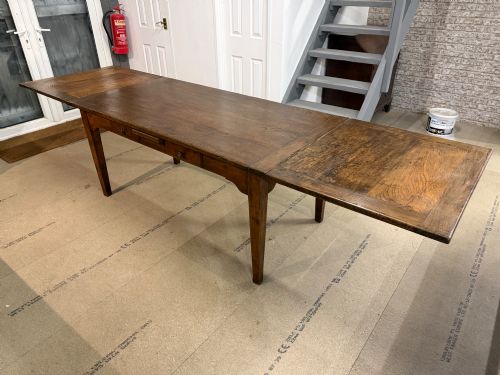
The presence of original working elements, such as fitted drawers with hand-cut dovetails, elevates a piece significantly. Furthermore, timber selection dictates longevity, with dense mature oak and seasoned fruitwood representing the higher end of the range.
The Vintage Farmhouse Table Glossary
- Scrub top
- A bare wooden tabletop designed to be repeatedly scrubbed clean with water and a stiff brush. This process leaves the grain raised and pale.
- Refectory table
- A long, narrow dining table traditionally used in communal dining halls and characterised by long longitudinal stretchers connecting the legs.
- Drop leaf
- A hinged section of tabletop that folds down to save space or lifts up to extend the surface area.
- Harvest table
- A long, narrow table traditionally used during seasonal gatherings, often featuring slender legs to maximise legroom for seated guests.
- Dovetail
- A traditional wood joint formed by interlocking wedge-shaped fingers, prized for its exceptional tensile strength in drawer construction.
Vintage Farmhouse Table: Frequently Asked Questions
What is a vintage farmhouse table?
A vintage farmhouse table is a robust wooden table originating from the nineteenth or early twentieth centuries, built primarily for practical kitchen and domestic tasks.
Over decades of use, these tables have transitioned from working spaces into central gathering points for modern dining rooms and kitchens.
How do I care for a wooden tabletop?
Wooden tabletops benefit from regular cleaning with a damp cloth and mild soap, avoiding harsh chemical sprays that strip natural oils.
Applying occasional beeswax helps nourish the timber and maintains a soft protective sheen against everyday moisture.
Can these tables be used daily?
These tables were originally engineered for heavy daily labour in kitchens and sculleries, making them exceptionally well-suited for modern family life.
Their solid oak, pine, and fruitwood construction easily withstands the rigours of daily meals, homework sessions, and gatherings.
How do I tell pine from oak?
Pine is a softwood with a lighter colour and softer grain pattern, often showing knots and a paler overall tone as seen in Victorian kitchen tables.
Oak is a dense hardwood featuring prominent medullary rays and a heavier weight, offering greater resistance to dents and knocks.