



Pine Scrub Top Table
A pine scrub top table brings the honest utility of 19th-century domestic work into modern rooms.
Pine Scrub Top Table
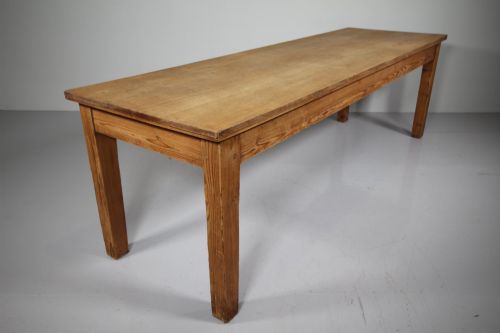
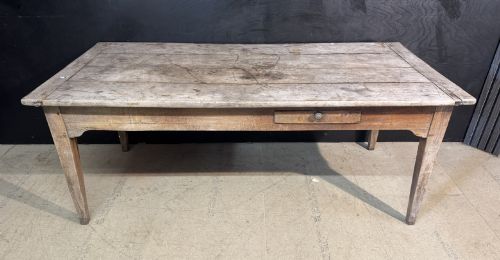
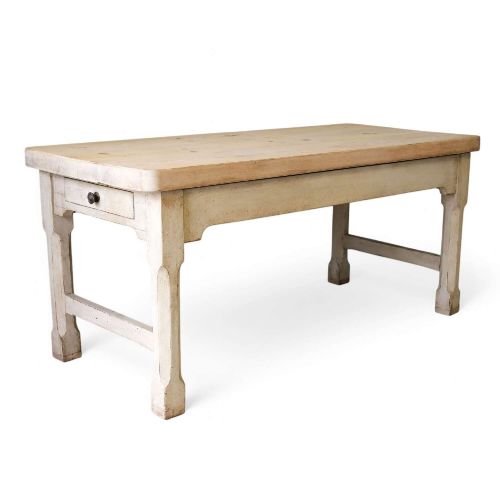
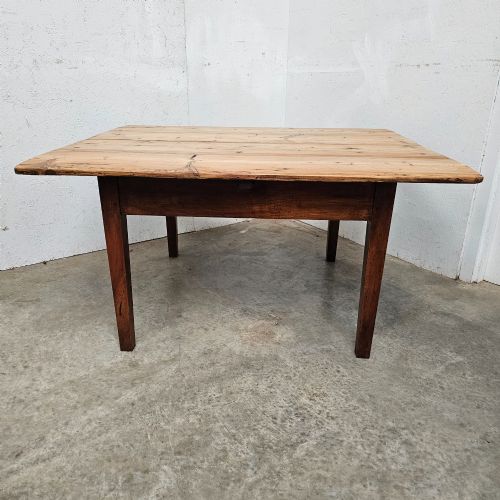
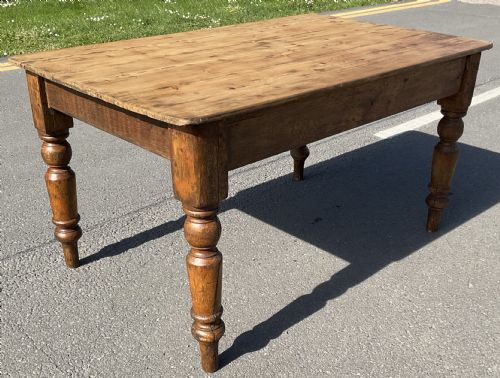
A pine scrub top table functions primarily as a sturdy workspace, emerging from centuries of practical use in dairies, kitchens, and pantries. Buyers searching for a pine scrub top table encounter dining tables, prep tables, and kitchen tables spanning the nineteenth century and the Edwardian period, often reflecting English, French, Welsh, and Swedish country origins.
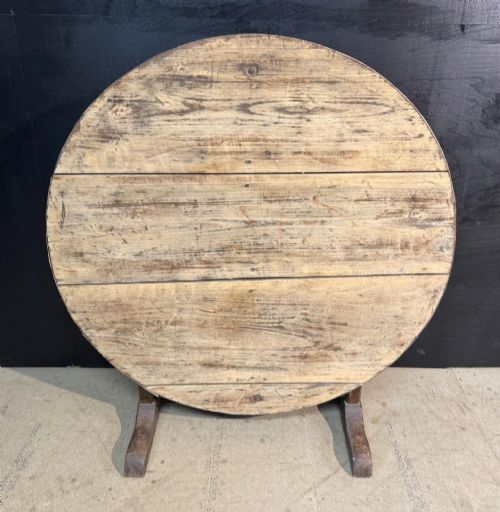
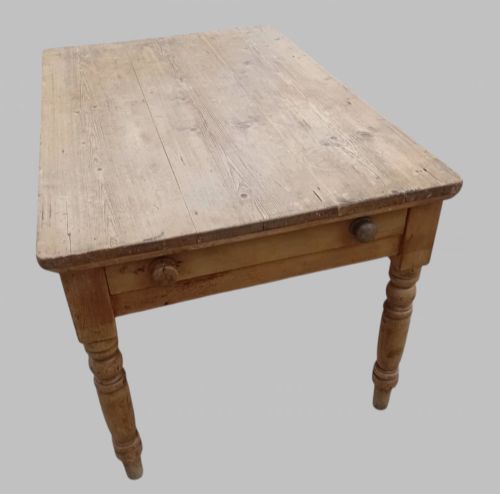
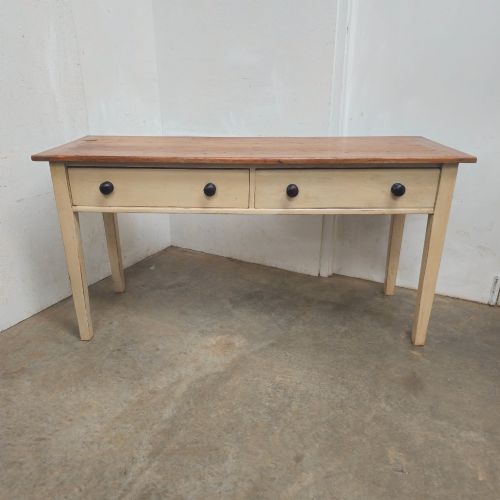
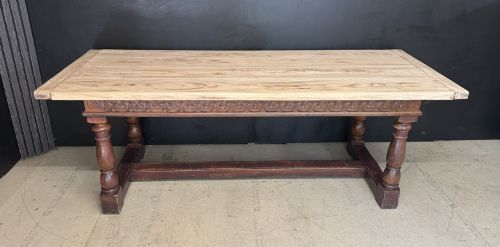
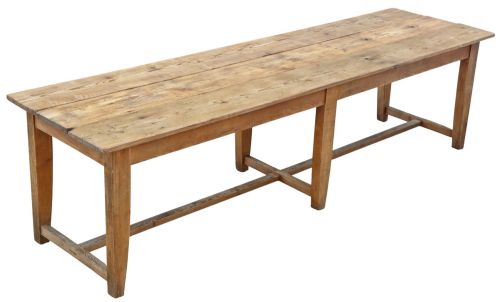
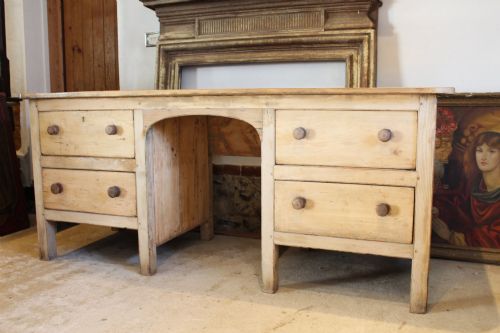
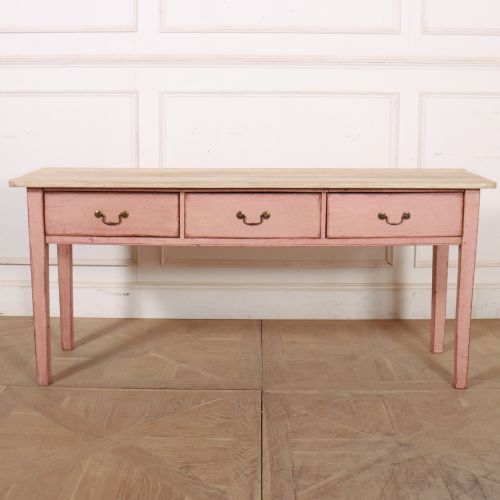
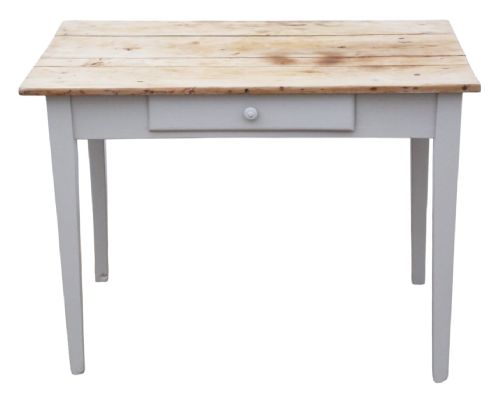
The most common examples on this page are generous farmhouse and kitchen tables built from solid pine, frequently featuring scrubbed tops designed for heavy daily scouring. Regional variations appear in forms like tavern tables, trestle tables, and dairy tables, incorporating practical additions such as single or double drawers for storage.
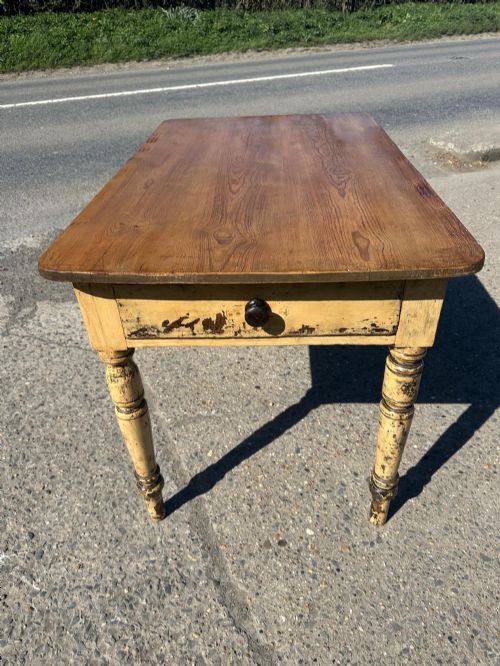
Construction relies heavily on robust framing, with some pieces displaying original painted legs or later coats of paint over the timber. These surfaces bear the authentic marks of daily domestic labour, offering a utilitarian character distinct from formal parlour furniture.
Materials and Technique
Makers built these pieces using durable softwood timber, predominantly pine, paired frequently with harder woods like sycamore, fruitwood, elm, or oak for surfaces that required greater resistance to wear. Carpenters utilised solid timber construction, employing pegged joints, sturdy aprons, and substantial legs to support the heavy loads demanded by kitchen preparation and tavern service.
Surfaces destined for food preparation were left bare to endure frequent scrubbing with water and sand or stone, producing a pale, smooth grain. Conversely, bases and skirts often received protective coats of paint, ranging from simple early pigments to layers of subsequent colour that survive on the timber today.
Pine Scrub Top Table Retail Price Guide 2026
Typical asking prices for pine scrub top table among the pieces listed under this phrase on Sellingantiques today, from the lower quarter to the upper quarter. They describe what is for sale here now, not the wider market.
Listings feature 19th-century pine, painted wood, sycamore, and oak across kitchen, prep, and tavern table forms.
Evaluating the Build
Quality rests upon the integrity of the original construction and the depth of natural patination accumulated through decades of domestic use. Pieces retaining their original proportions, untrimmed legs, and untouched structural joinery stand apart from those altered or heavily restored over time.
The relationship between the scrubbed top and its base dictates the visual harmony of the piece, with well-proportioned stretchers and tight joints indicating superior carpentry. Retained surface treatments, such as genuine early paint on the base or untouched timber grain on the top, elevate the character of an individual table.
The Pine Scrub Top Table Glossary
- Scrub top
- A wooden table surface left unsealed and repeatedly scoured clean with water and abrasive minerals. This process wears away the softer summer growth rings, leaving a raised, textured grain.
- Farmhouse table
- A large, utilitarian wooden table built for domestic labour and family meals in rural kitchens. These pieces typically feature robust pine construction and straightforward joinery.
- Trestle table
- A table comprising two or more support frames connected by a longitudinal beam or stretcher, holding a loose or fixed top. This design allows for maximum legroom along the length of the board.
- Dairy table
- A specialised work table used in milk processing and cheese making, traditionally featuring an unsealed top to withstand damp conditions and frequent washing.
- Patina
- The surface sheen and colour variation developed through age, handling, and repeated cleaning. It records the history of the object's use.
Pine Scrub Top Table: Frequently Asked Questions
What is a scrub top?
A scrub top is an unsealed wooden table surface designed to be vigorously cleaned with water and abrasive materials after food preparation. This traditional maintenance lightens the pine and creates a distinctively textured grain.
Over decades of upkeep, the softer portions of the wood wear down more quickly than the harder rings. This leaves the surface smooth, pale, and thoroughly hardened against further moisture.
How were these tables used?
These tables served as the central workspace for heavy domestic tasks, including kneading bread, preparing vegetables, and sorting dairy produce. They stood in kitchens, sculleries, and farmhouses where durability mattered far more than polish.
Many examples incorporate drawers for storing utensils or linens close at hand. Their robust construction allowed them to withstand constant pressure from daily labour.
Are the painted bases original?
Some bases retain their early or original paint, while others display subsequent layers applied by successive generations of owners. Painted finishes were common on the legs and skirts to protect the softwood from damp flagstone floors.
Inspectters look for craquelure, wear around the footings, and pigment composition beneath later coats to understand the history of the surface. Surviving early paint adds considerable character to the piece.
How do I care for a scrub top?
Maintaining a scrub top involves gentle cleaning with mild soap and warm water, followed by thorough drying to prevent the wood from splitting. Harsh chemical cleaners strip the natural oils and damage the historic surface.
Some owners apply occasional coats of neutral wax or oil to nourish the dry pine, though many prefer to keep the wood entirely raw. Regular use and careful wiping help maintain the pale tone of the timber.