







Painted Pine Kitchen Table
A painted pine kitchen table brings genuine rustic character and everyday utility to the heart of the home.
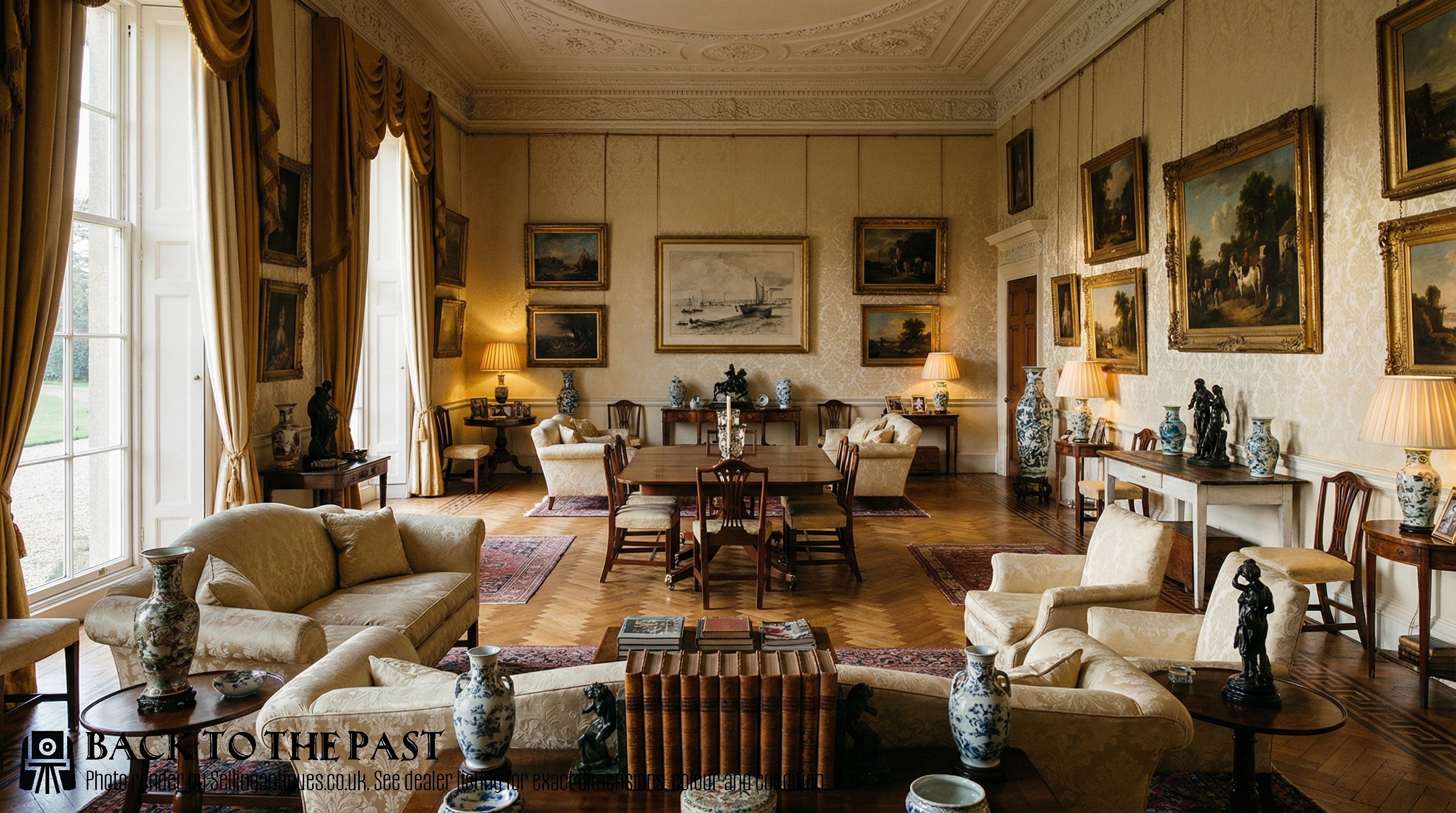
Painted Pine Kitchen Table
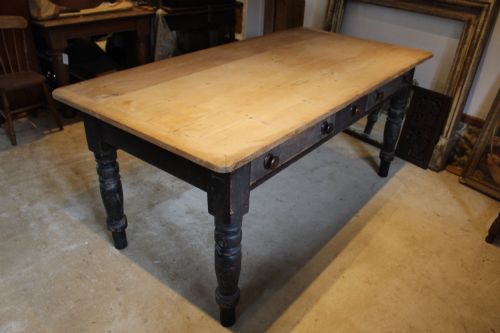
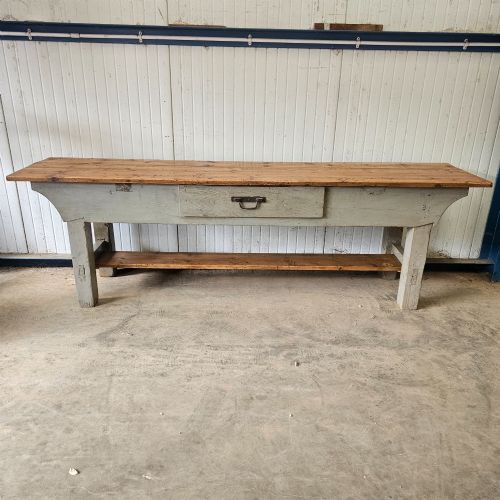
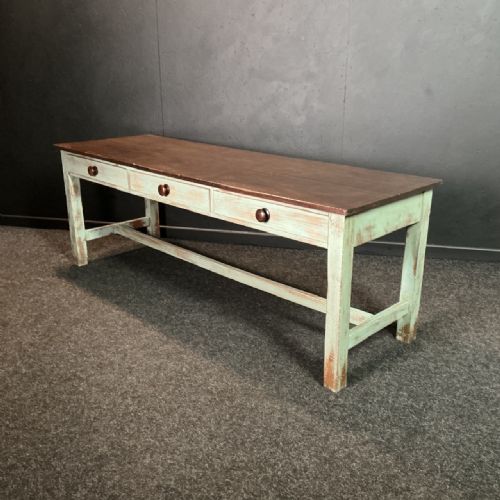
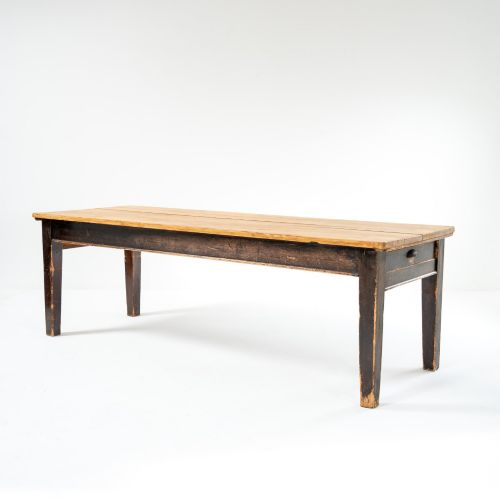
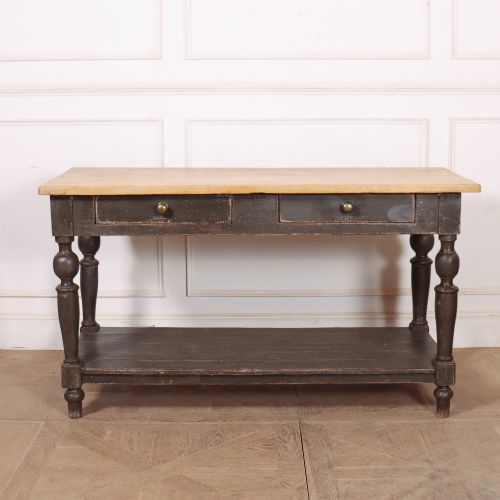
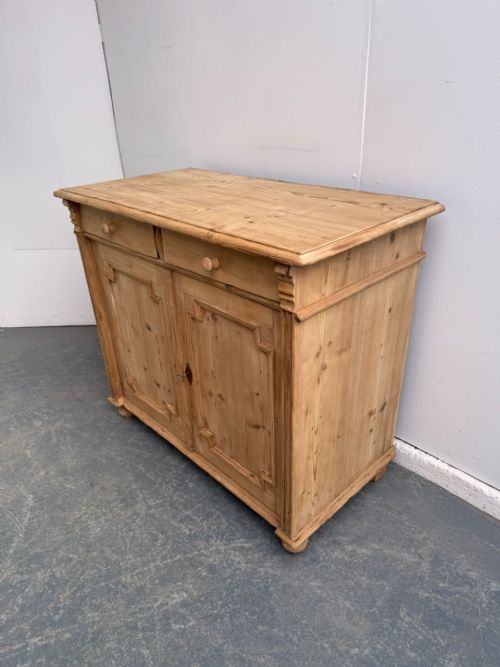
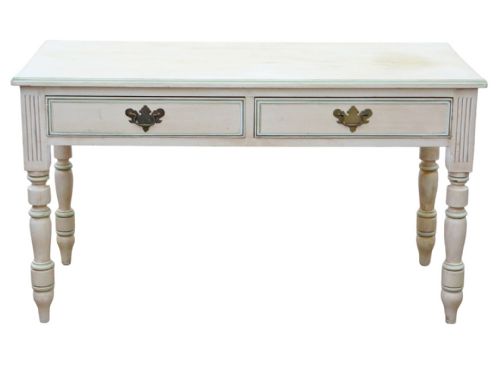
A painted pine kitchen table is a utilitarian domestic surface built from softwood and finished with pigment, designed for hard work in the heart of the home. These items range from compact drop-leaf formats seating two to four people up to large dining and prep surfaces suitable for busy country kitchens.
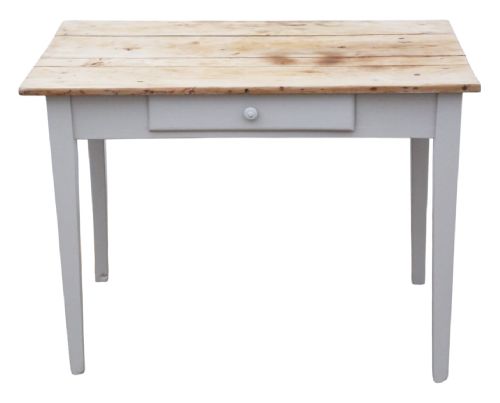
The examples gathered here span the nineteenth century and the early twentieth century, taking in Scandinavian, Victorian, and French provincial traditions. You will encounter scrub-top variants alongside tables bearing accumulated layers of historic paint and single-drawer storage configurations.
Makers utilised humble softwood timber to create robust furniture that sat comfortably in farmhouses and country schools. Their appeal lies in the honest construction and the appealing patination that develops across decades of daily domestic use.
Materials and construction methods
Construction relies upon solid pine and pitch pine timbers, chosen for availability and ease of working by country joiners and provincial workshops. Joinery is straightforward and functional, typically uniting plank tops with sturdy underframes, turned legs, or tapered supports.
Surfaces were frequently finished with oil-based or water-based paints applied in single coats or accumulated layers over time. Many surfaces also feature unpainted scrub tops designed to be scoured clean after food preparation.
Painted Pine Kitchen Table Retail Price Guide 2026
Typical asking prices for painted pine kitchen table among the pieces listed under this phrase on Sellingantiques today, from the lower quarter to the upper quarter. They describe what is for sale here now, not the wider market.
The listings feature nineteenth-century and early twentieth-century examples constructed from pine and painted wood, originating from Scandinavian and British traditions.
Judging quality and character
Quality in these domestic pieces rests in the integrity of the original construction and the visual depth of the surface finish. Tables displaying genuine historic layers of paint or untouched original painted bases command greater interest from collectors.
Proportion and scale also dictate desirability, particularly when large dimensions or practical additions such as drawers are present. The balance between the natural timber top and the painted elements determines the overall decorative success of the piece.
The Painted Pine Kitchen Table Glossary
- Scrub top
- An unpainted wooden tabletop left bare so that it could be vigorously scrubbed clean with water and sand after meal preparation. This treatment created a pale, smooth surface texture through decades of abrasion.
- Drop leaf
- A table featuring hinged flaps on one or both sides that can be raised to expand the surface area or dropped down to save space. This mechanism proved especially popular in smaller Victorian domestic settings.
- Pitch pine
- A dense, resinous variety of pine timber known for durability and prominent grain patterns. It provided extra strength for heavy-use farmhouse and kitchen tables.
- Provincial
- Describing furniture made in the regions rather than the capital, often reflecting local traditions and practical requirements. These items prioritize utility and direct construction over courtly ornament.
Painted Pine Kitchen Table: Frequently Asked Questions
How do I clean a painted pine table?
Wipe the painted surfaces gently with a damp cloth and mild soap to preserve the historic finish. Avoid harsh chemical cleaners that might strip away the layers of old paint.
For unpainted scrub tops, traditional maintenance involved light scrubbing along the grain. Keep moisture exposure controlled to protect the underlying pine timber.
Can I use these tables for daily dining?
These tables were originally built for heavy daily use in kitchens, farmhouses, and schools. Their sturdy softwood construction handles everyday family meals with ease.
Use protective mats under hot dishes and liquids to prevent marking the historic surfaces. Embracing minor operational wear adds to the ongoing story of the piece.
How do I date a pine table?
Examine the construction methods, tool marks, and hardware such as nails and hinges for clues to the period of manufacture. Hand-sawn boards and early fixings often point towards nineteenth-century origins.
Paint analysis also helps, as accumulated layers frequently reveal the chronological history of the object. Look for wear patterns that align with authentic domestic use over generations.