

Antique Farmhouse Dining Table
When you search for an antique farmhouse dining table, you are looking for a sturdy working surface carrying the marks of daily domestic life.
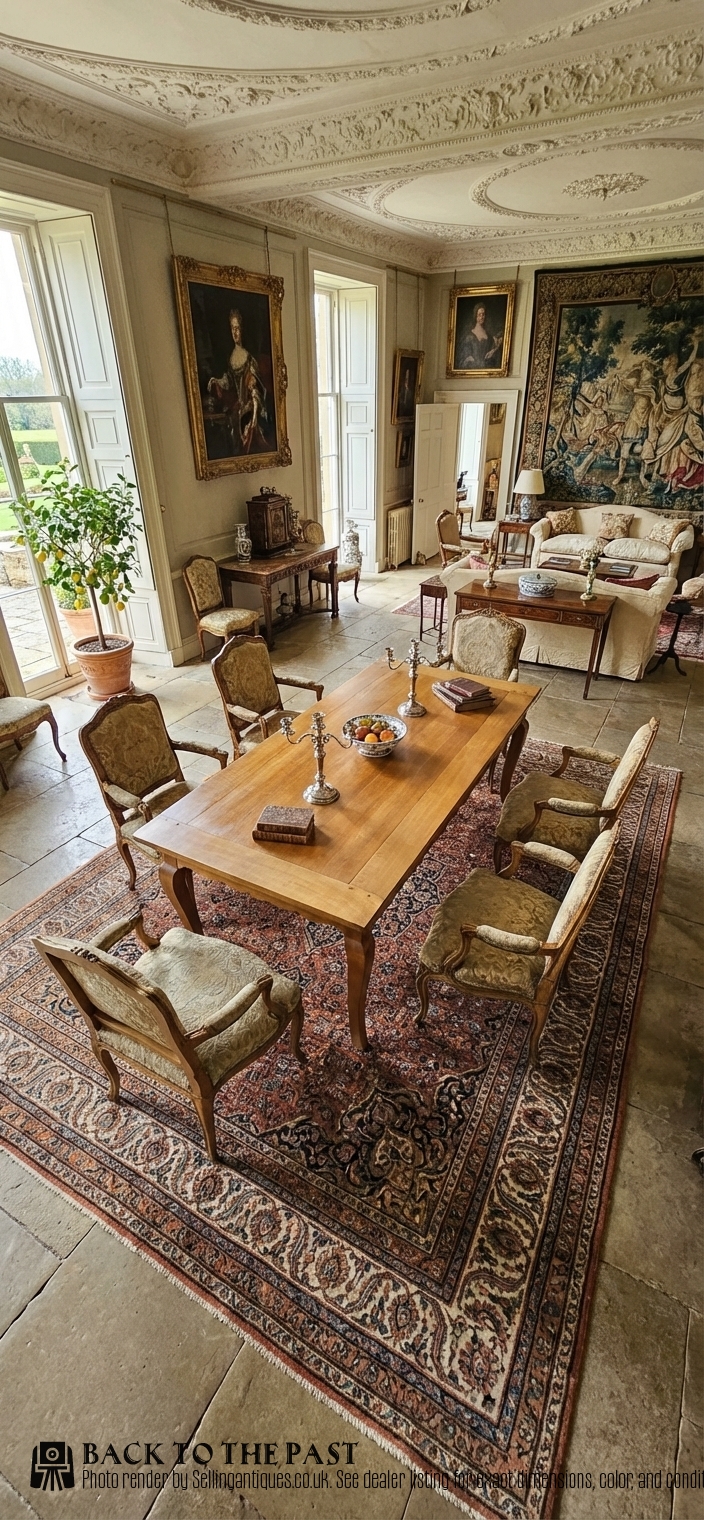
Antique Farmhouse Dining Table
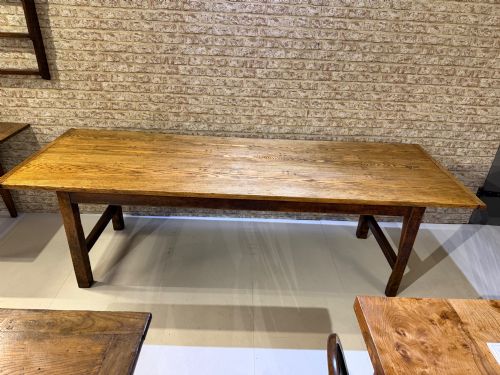
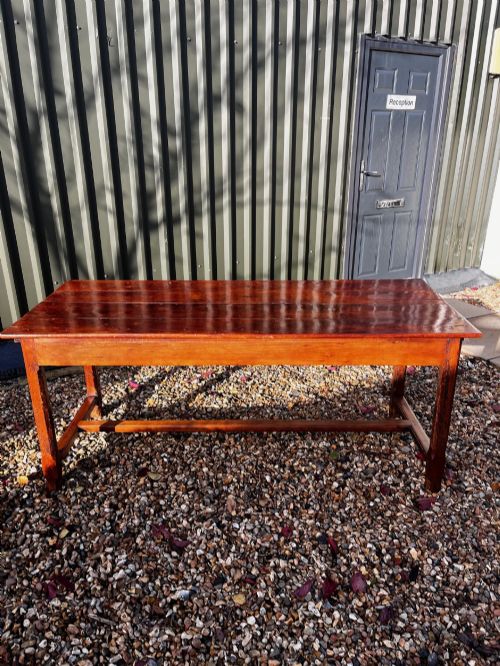
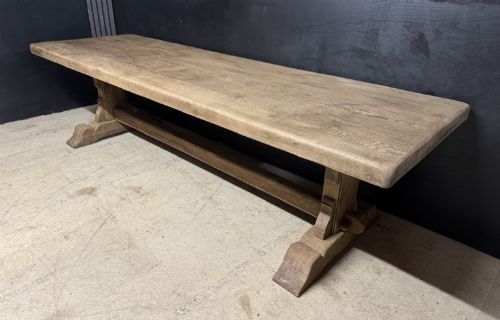
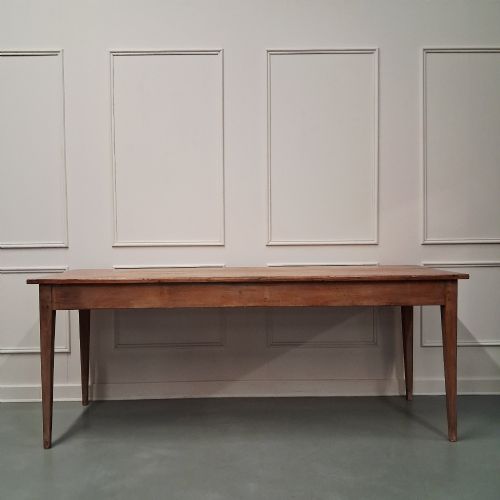
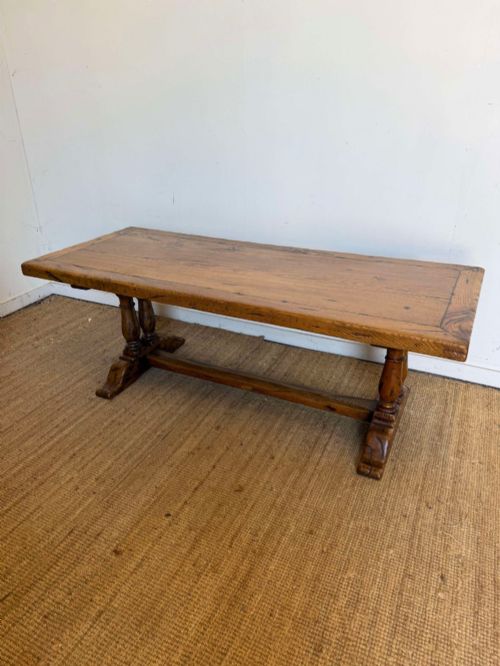
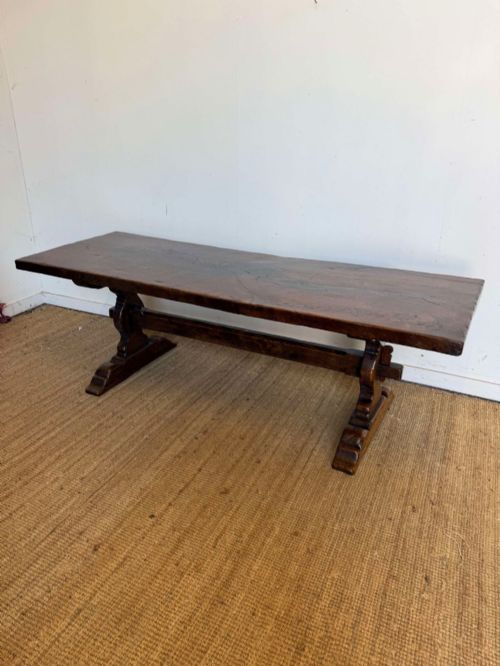
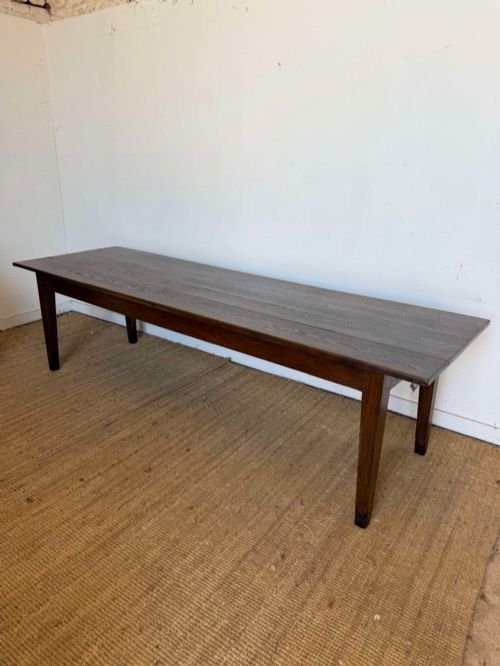
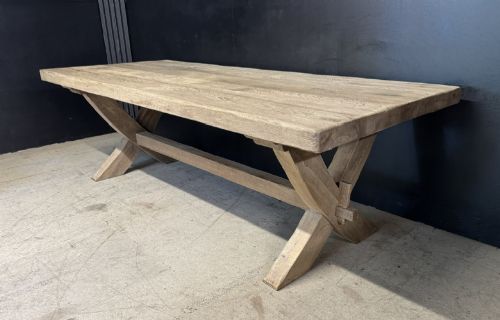
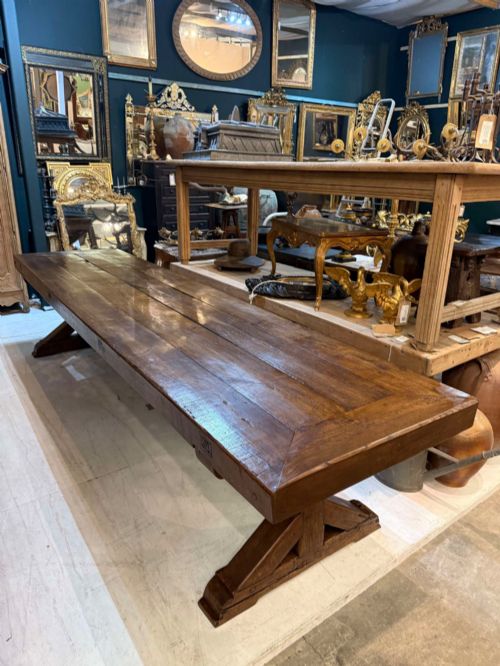
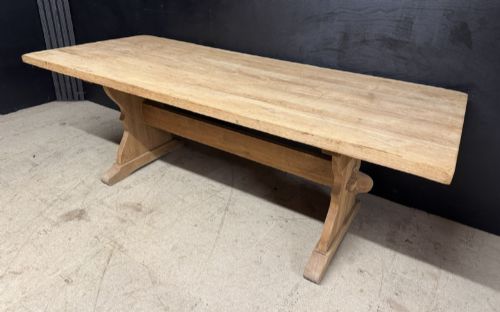
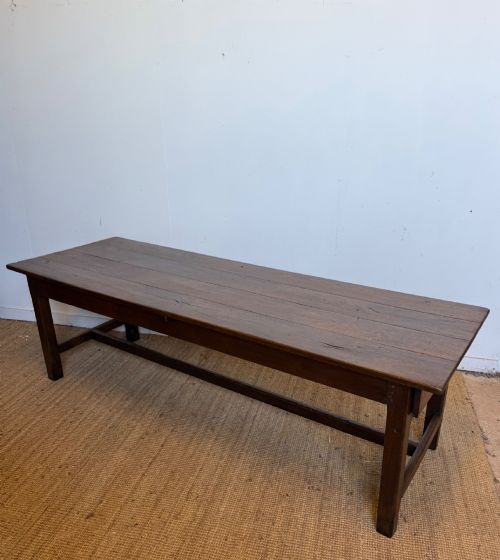
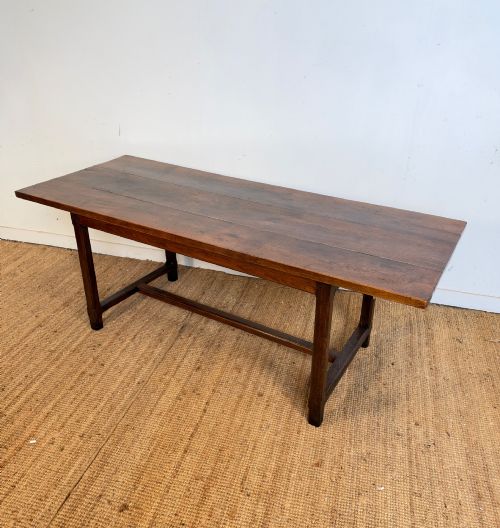
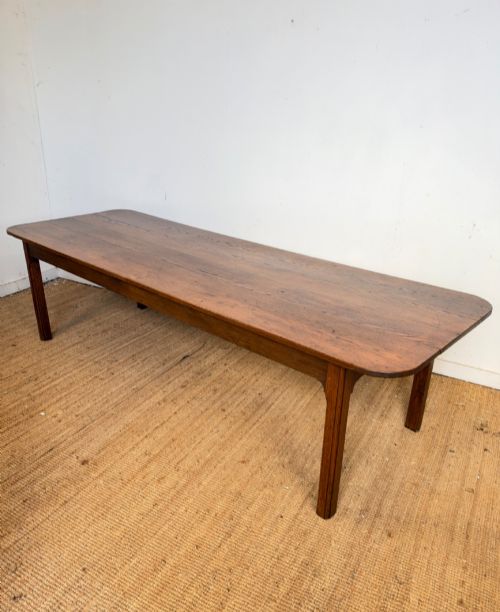
An antique farmhouse dining table is a heavy utility table originally built for country kitchens, farmhouses, and domestic workrooms. When you search this phrase, you encounter large timber boards intended for food preparation, family meals, and heavy daily labour.
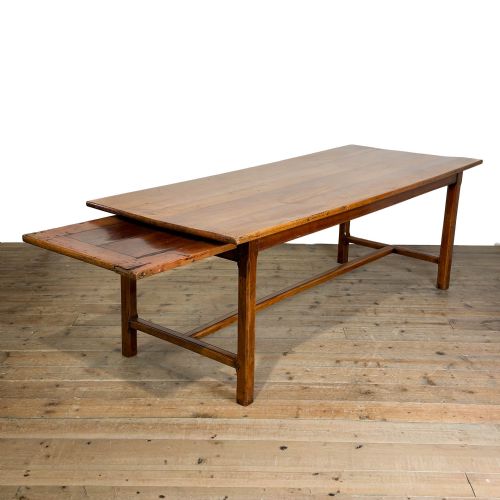
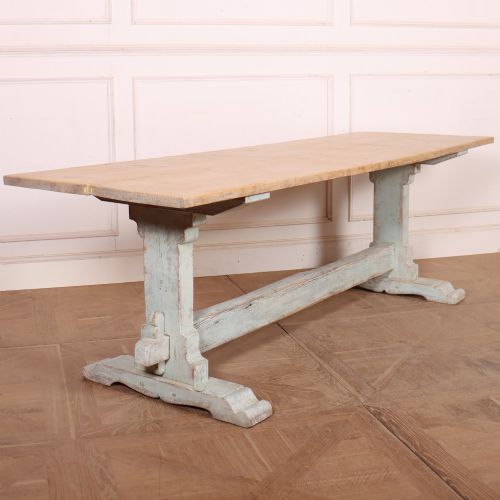
The pieces on this page span the eighteenth, nineteenth, and early twentieth centuries, appearing in regional British, French, and European styles. You will find rectangular refectory proportions, scrub-top surfaces, and occasional end drawers designed to hold utensils.
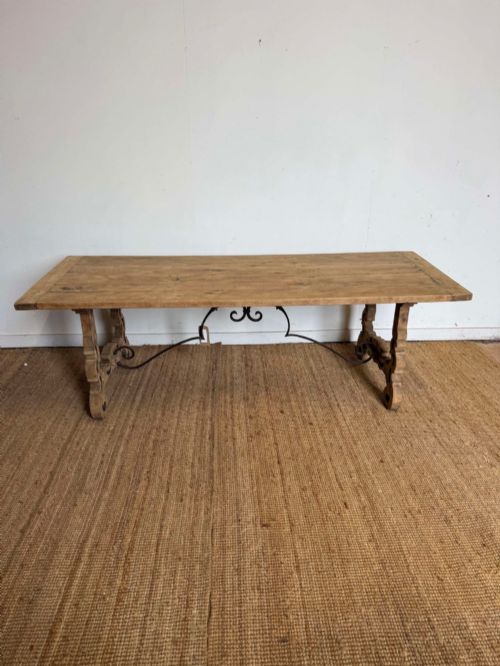
Most examples belong to the Victorian era or the nineteenth century, constructed in practical formats that seat anywhere from six to ten people. Regional variations include French provincial fruitwood designs, Spanish elm boards, and English pine harvest tables.

How They Were Made
These tables were constructed primarily from native hardwoods and softwoods like oak, pine, elm, and fruitwood, selected for availability and structural strength. Joinery relied on traditional pegged mortise and tenon frames designed to withstand heavy downward pressure without swaying.
Makers utilised solid timber planks for the tabletops, often securing them across sturdy stretchers and tapered, bobbin, or square legs. Surfaces were left natural, scrubbed clean, or treated simply with wax and oil rather than heavy modern lacquers.
Antique Farmhouse Dining Table Retail Price Guide 2026
Typical asking prices for farmhouse dining table among the pieces listed under this phrase on Sellingantiques today, from the lower quarter to the upper quarter. They describe what is for sale here now, not the wider market.
Some tables retain flour dust and bread knife scars lodged deep within the grain from centuries of kitchen work.
What Varies in Quality
Quality rests upon the integrity of the original timber and the structural honesty of the frame. Tables built from dense, old-growth oak or heavy pitch pine retain their rigidity better than lighter secondary woods.
Proportion and execution distinguish standard utility pieces from finer examples. Well-turned legs, cleanly integrated storage drawers, and minimal past alterations separate the most desirable regional pieces from heavily modified work.
The Antique Farmhouse Dining Table Glossary
- Refectory table
- A long, narrow dining table originally built for communal dining halls. These forms feature substantial length and supportive side stretchers.
- Scrub top
- A tabletop left unpolished so it could be scrubbed repeatedly with water and sand to keep the wood clean. This treatment creates a pale, textured surface.
- Drop leaf
- A table featuring hinged flaps on the sides that fold down to save space. These flaps lift up on swinging brackets when extra dining room is required.
- Stretchers
- Horizontal wooden beams connecting the legs near the base to provide rigidity. They prevent the heavy frame from wobbling under daily weight.
Antique Farmhouse Dining Table: Frequently Asked Questions
What is an antique farmhouse dining table?
These tables are sturdy timber surfaces built for everyday domestic labour, food preparation, and family meals in rural homes.
They combine heavy plank tops with durable frames designed to withstand heavy daily use over centuries.
How were farmhouse tables used originally?
Families gathered around these large surfaces for daily meals, while cooks used the timber boards for kneading bread and preparing ingredients.
Built-in drawers often held cutlery, linens, and small kitchen tools close to hand.
How do I care for a wood farmhouse table?
Protect the dry timber surface by applying natural wax periodically to nourish the grain and repel moisture.
Avoid placing hot dishes directly onto untreated antique wood to prevent permanent staining.
How can I tell pine from oak tables?
Pine is a softer softwood showing a lighter, paler grain with frequent knots, common in Victorian kitchen tables.
Oak is a dense hardwood displaying prominent medullary rays and a deeper, heavier structure built for longevity.