

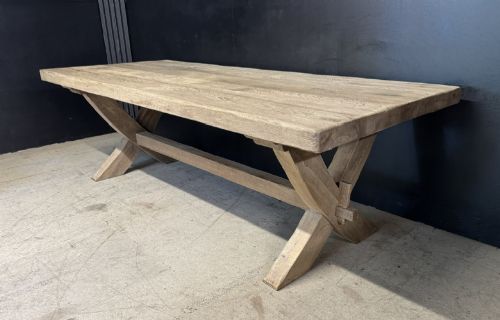
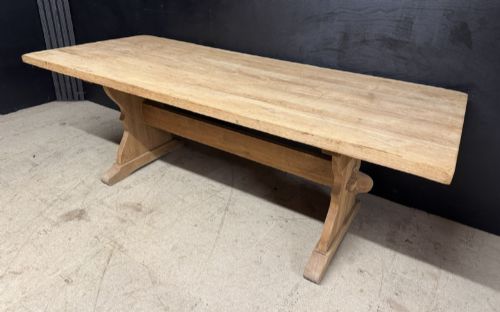
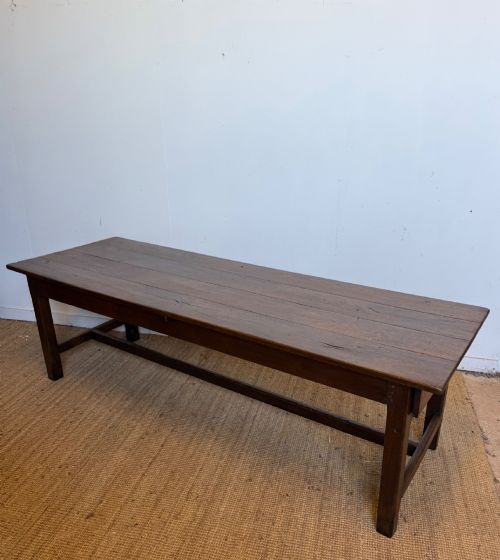
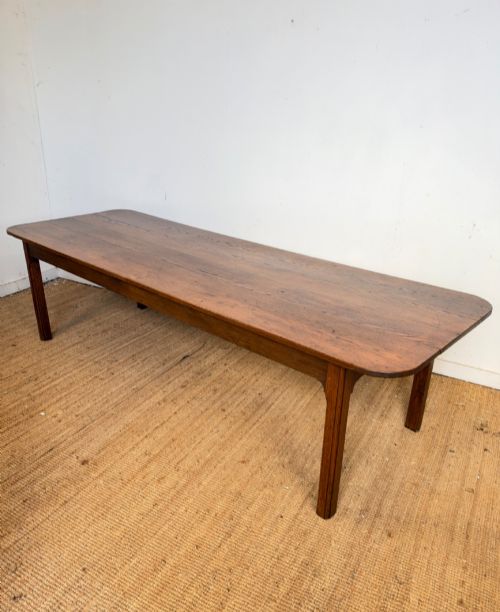
Country Oak Kitchen Table
A country oak kitchen table anchors the heart of a home with robust timber, sturdy construction, and decades of honest domestic use.
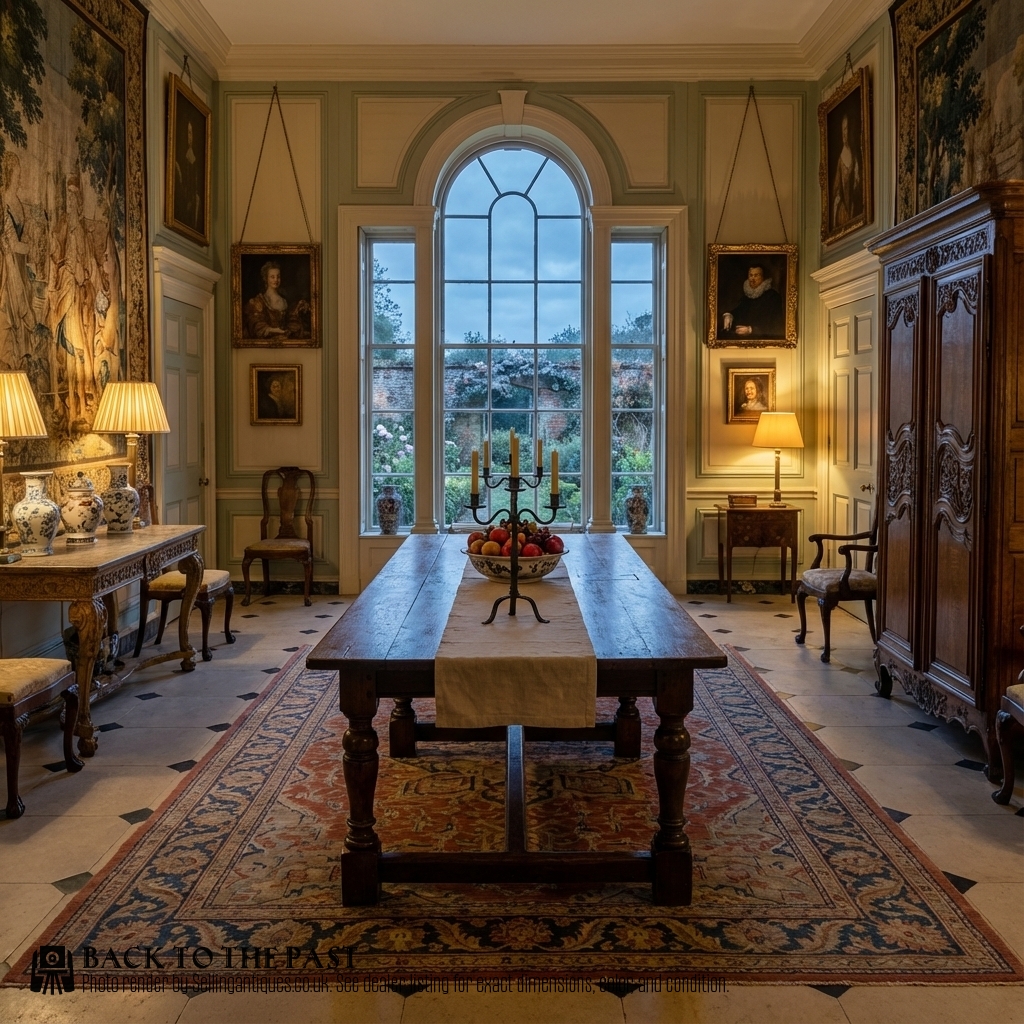
Country Oak Kitchen Table
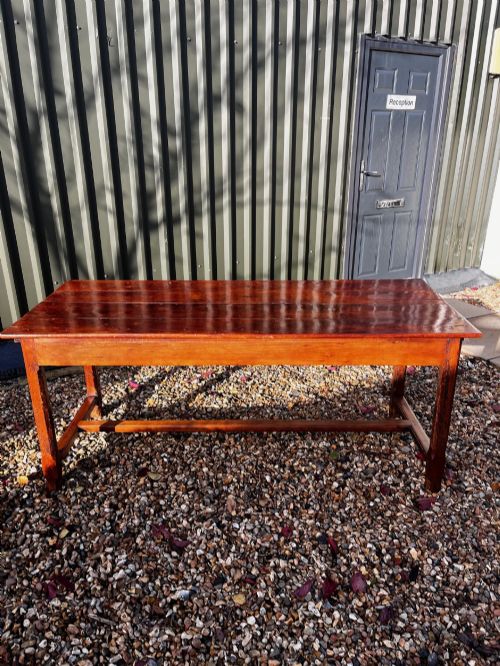
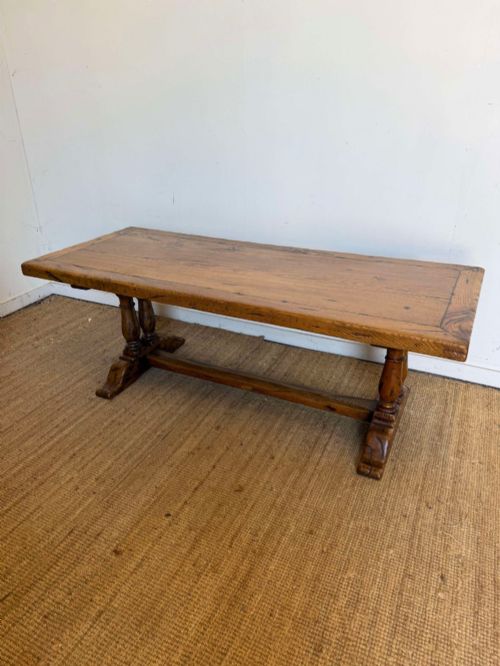
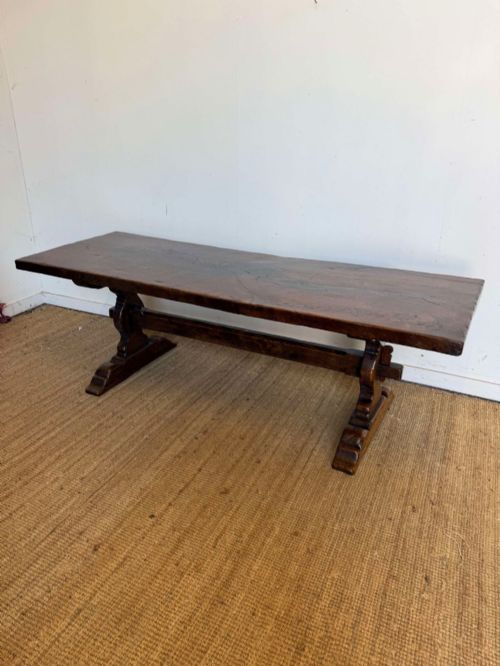
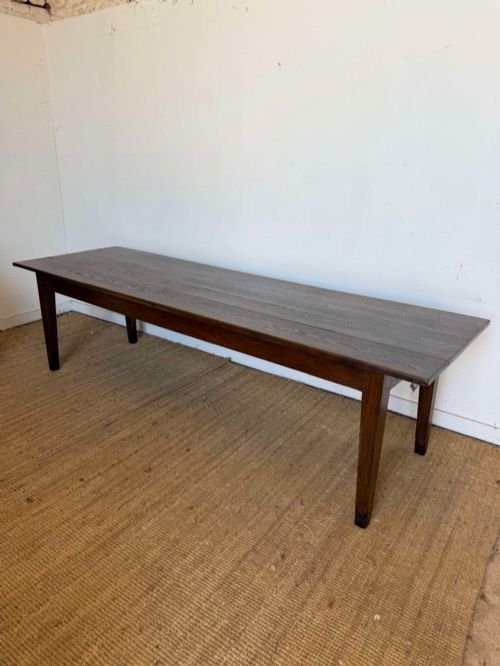
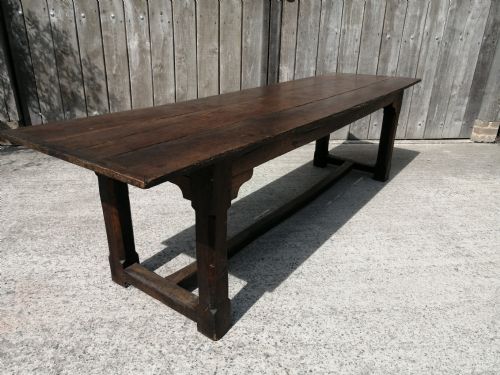
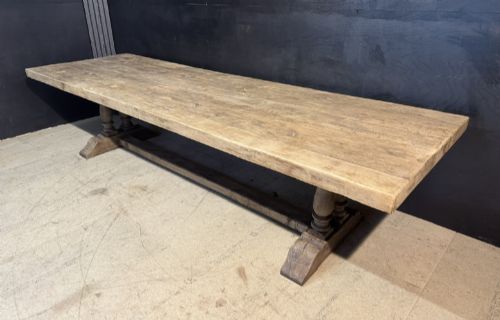
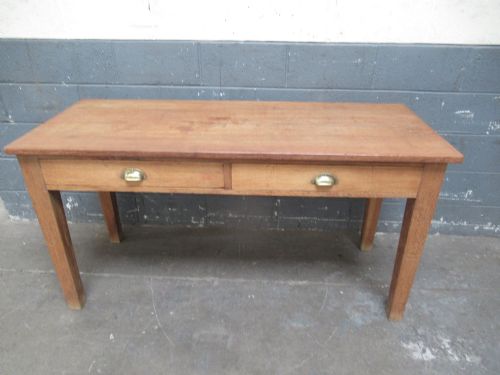
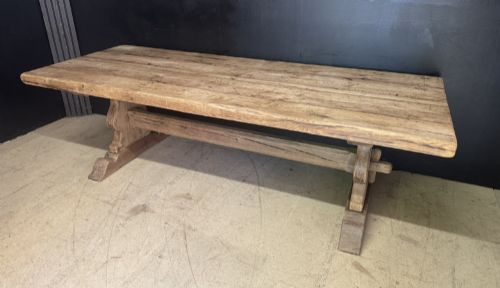
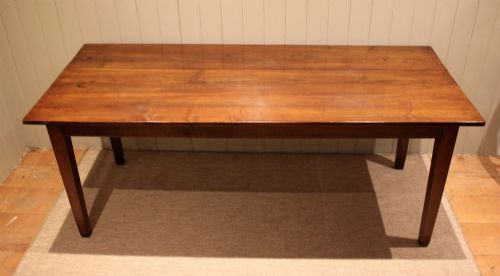
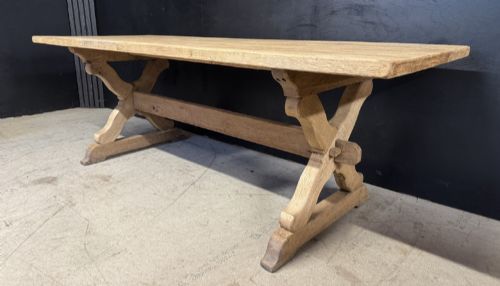
A country oak kitchen table is a utilitarian surface built to withstand daily communal meals and heavy domestic labour. These pieces predominantly appear in sturdy refectory, gate-leg, and farmhouse formats originating from the eighteenth and nineteenth centuries.
Buyers will frequently encounter nineteenth-century English and French examples showing the characteristic warmth of solid timber. Many surviving pieces incorporate secondary woods like beech or elm alongside their primary oak construction.
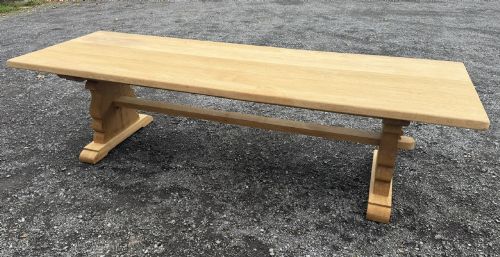
Forms range from long six-seater refectory boards to drop-leaf gate-leg tables designed for flexible spatial arrangements. The listings demonstrate a heavy concentration of provincial English and French vernacular furniture adapted for modern dining.
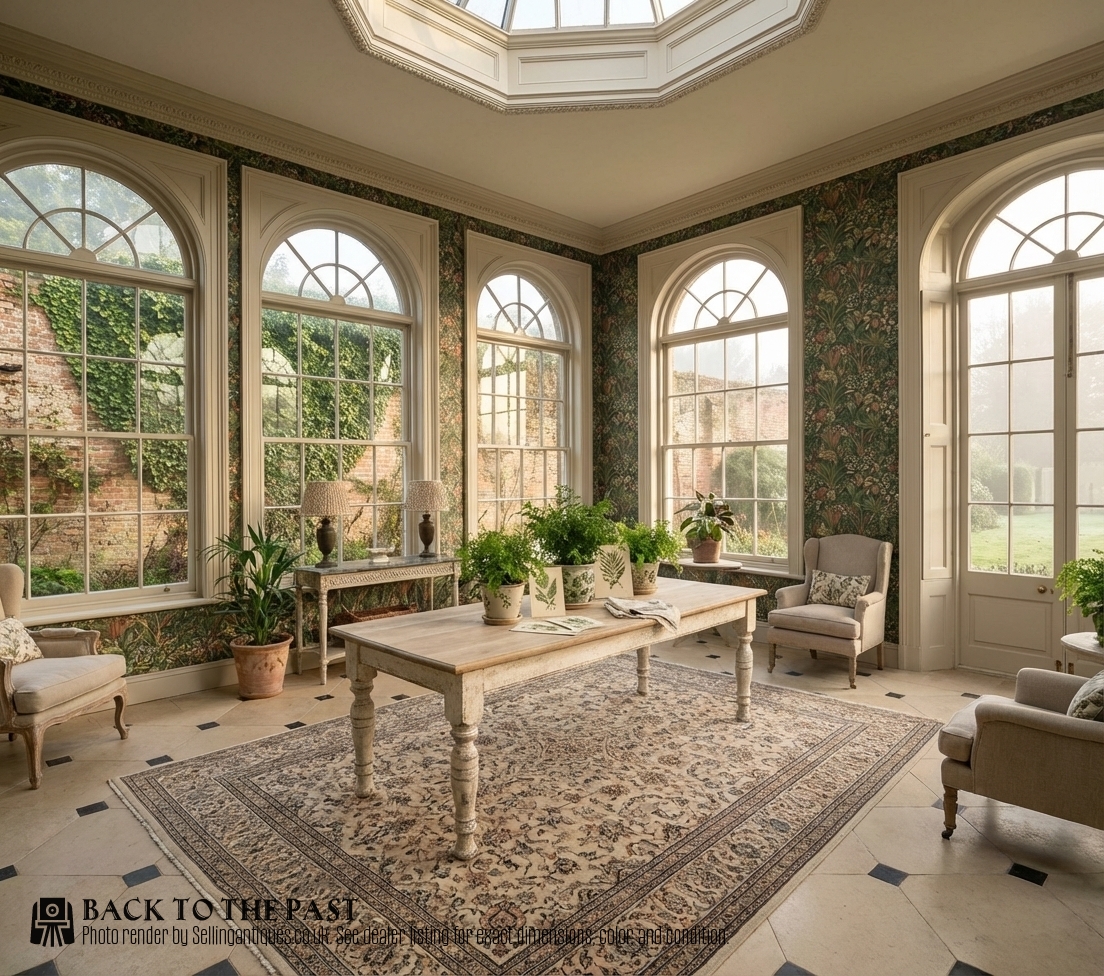
Materials and construction methods
Makers built these tables from solid local hardwoods, relying heavily on oak for tabletops and structural framing. Supplementary timbers such as pine, fruitwood, and beech appear in drawer linings, stretchers, and auxiliary supports.
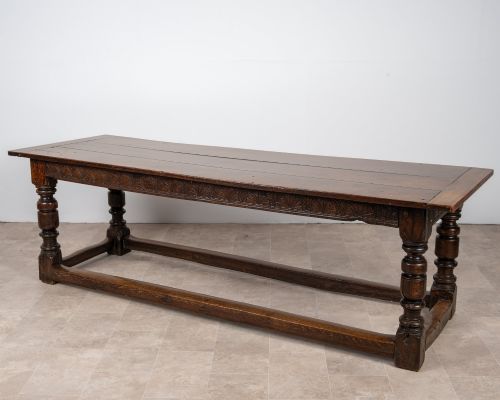
Joinery methods prioritize absolute strength through pegged mortise and tenon joints, substantial underframes, and thick single-plank or multi-board tops. Turned legs, tapered uprights, and sturdy stretchers distribute weight evenly across uneven flagstone floors.
Country Oak Kitchen Table Retail Price Guide 2026
Typical asking prices for country oak kitchen table among the pieces listed under this phrase on Sellingantiques today, from the lower quarter to the upper quarter. They describe what is for sale here now, not the wider market.
Assessing construction and timber quality
Quality separates tables built with dense, quarter-sawn oak boards and heavy framing from lighter constructions utilising thinner planks. Grain density, timber figuring, and the structural integrity of the underframe dictate the durability of each piece.
The degree of original surface preservation also dictates overall merit, distinguishing tables retaining honest patination from those stripped or overly restored. Superior examples maintain uncompromised joinery and timber surfaces shaped entirely by decades of manual use.

The Country Oak Kitchen Table Glossary
- Refectory table
- A long, narrow dining table originally built for communal monastic dining and later adapted for domestic use. These pieces typically feature substantial rectangular tops supported by heavy legs linked with low stretchers.
- Gate-leg table
- A drop-leaf table featuring hinged flaps supported by swing-out legs that resemble a opening gate. This clever design allows the surface area to expand or contract according to domestic requirements.
- Potboard
- A low slatted shelf positioned near the floor between the lower stretchers of a dresser base or table. Historically, cooks utilised this open platform to store heavy pots, pans, and earthenware.
- Single plank
- A tabletop fashioned from one wide board sawn from the full diameter of a mature tree. Such timber denotes older or higher-status construction due to the sheer size of the original oak trunk required.
- Patina
- The deep surface sheen and mellow colour developed by wood over centuries through repeated handling, waxing, and atmospheric exposure. This accumulation of age signals genuine historical use.
Country Oak Kitchen Table: Frequently Asked Questions
How do I seat eight people comfortably?
Look for refectory or farmhouse formats measuring over six feet in length, which provide adequate leg clearance between the structural stretchers.
Check the height from the floor to the underside of the frieze or apron to ensure standard dining chairs fit underneath without obstruction.
Can I use a antique table daily?
These domestic surfaces were originally engineered for rigorous daily labour and regular family meals, making them exceptionally resilient for modern living.
Routine maintenance involves utilising placemats for hot dishes and applying a natural beeswax polish to protect the historic surface from moisture.
What is a gate-leg table?
A gate-leg table is a drop-leaf design featuring hinged side flaps supported by hinged legs that swing outward like a gate to bear the load.
This ingenious mechanism allowed households to fold down the leaves and save valuable floor space when meals concluded.
How do I date an oak table?
Inspect the underside and joints for hand-cut tool marks, pegged joinery, and the width of the timber boards utilised in the top.
Older eighteenth-century examples often display irregular hand-planed surfaces and single-plank construction, whereas later nineteenth-century pieces may incorporate machine-sawn elements.