

Farmhouse Kitchen Table
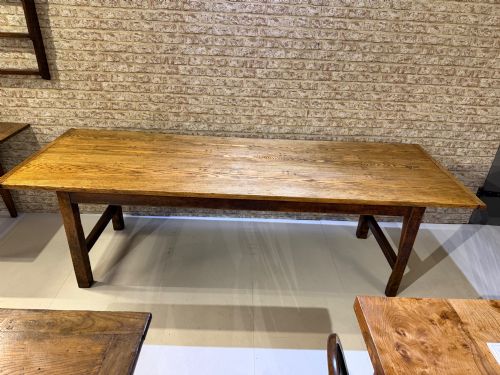
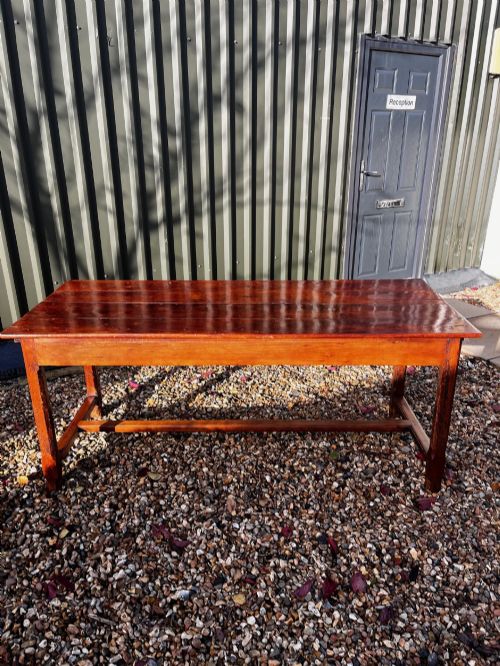
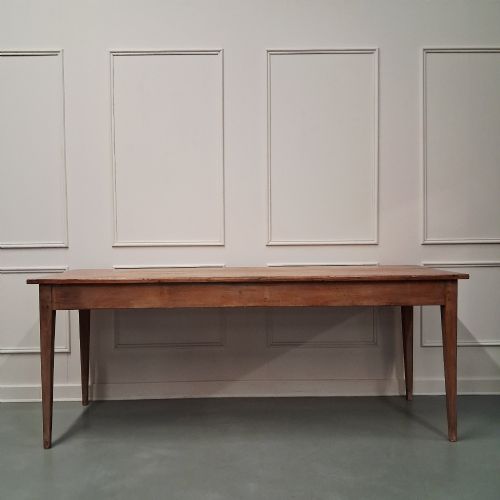
When you search for a farmhouse kitchen table, you encounter honest timber work built for daily meals and heavy domestic labour.

Farmhouse Kitchen Table
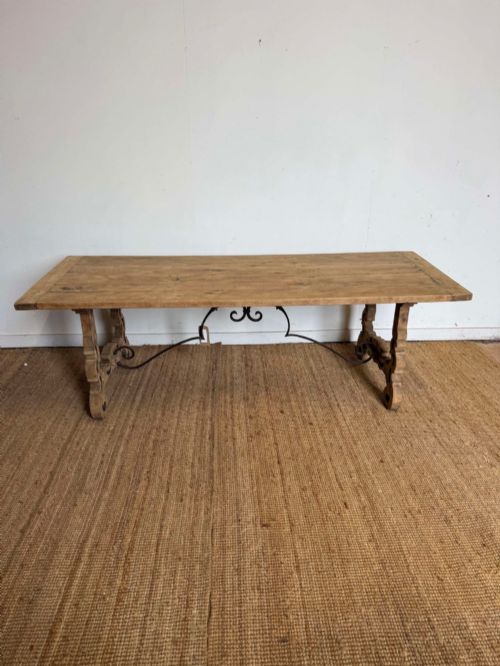
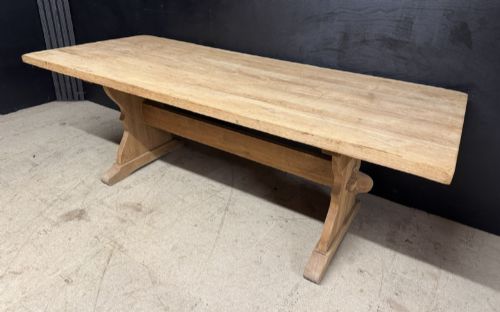
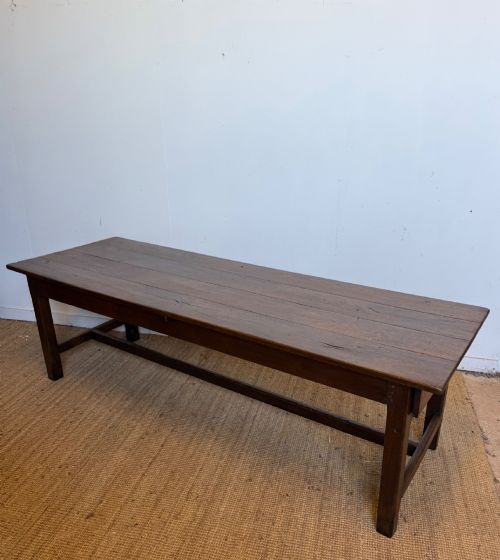
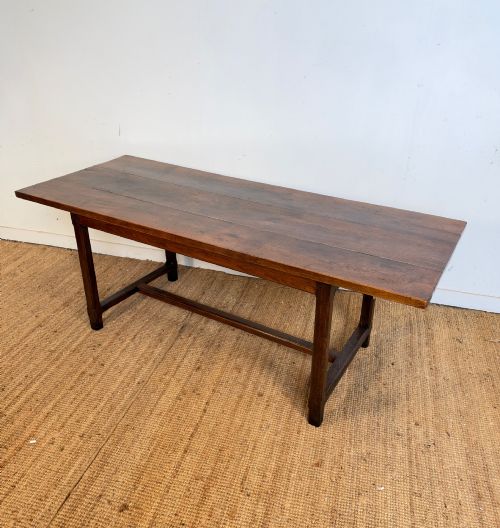
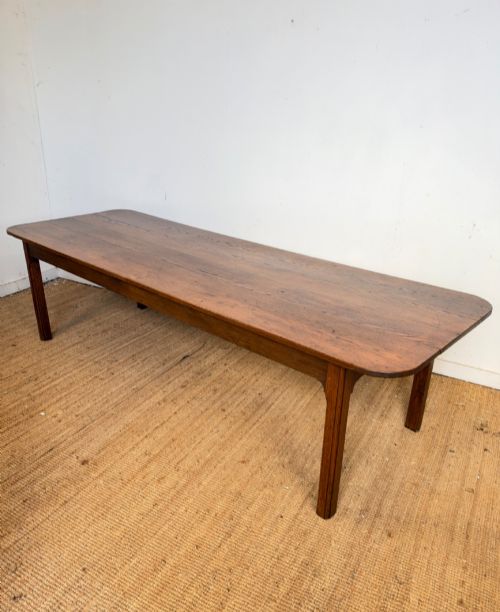
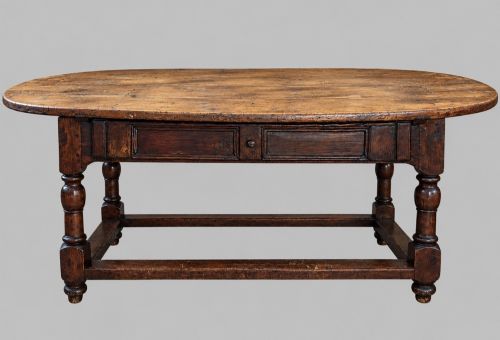
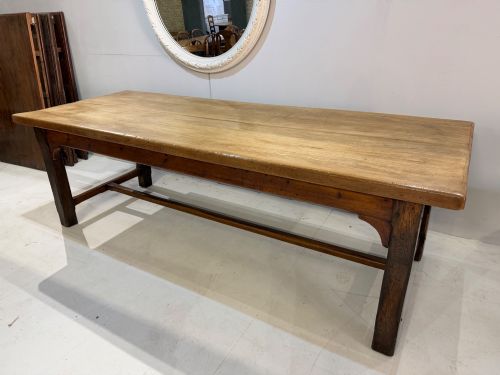
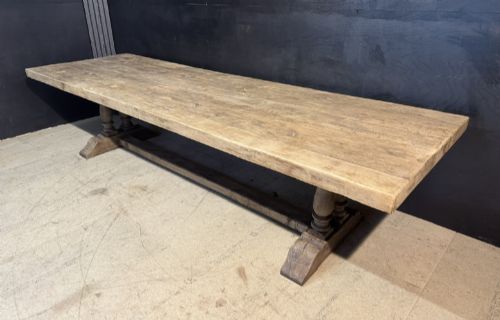
A farmhouse kitchen table serves as the traditional hub of domestic life, designed for rolling dough, preparing vegetables and gathering households for communal dining. When browsing this selection, you primarily encounter sturdy examples dating from the eighteenth century through to the early twentieth century.
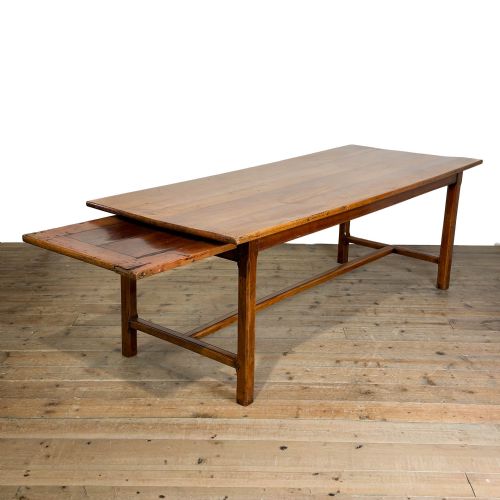
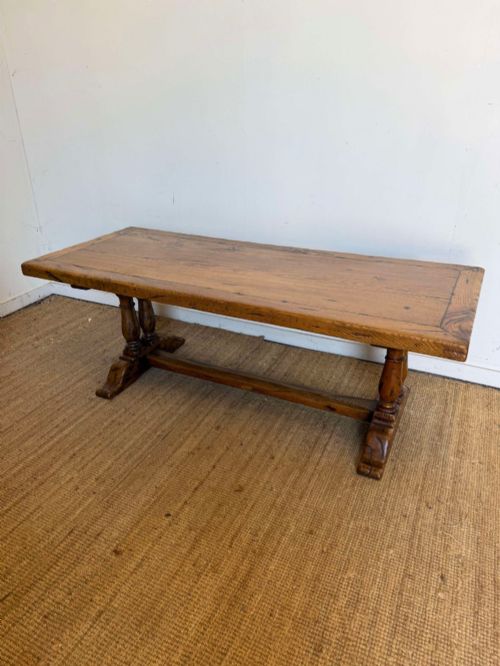
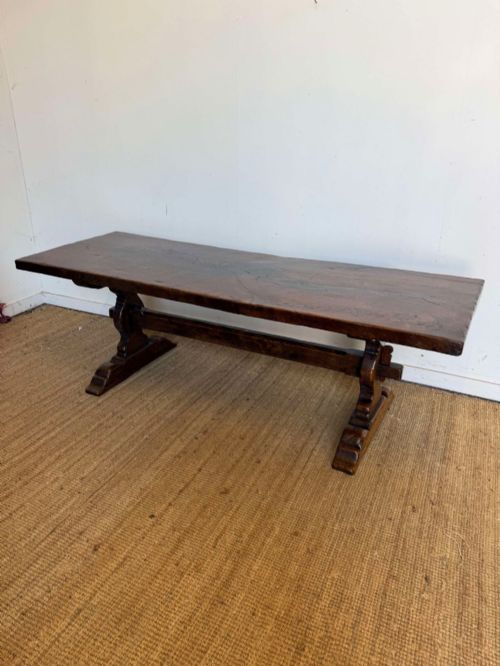
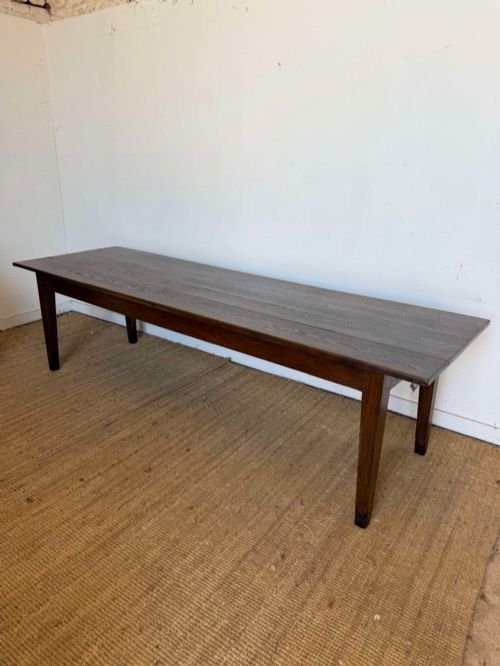
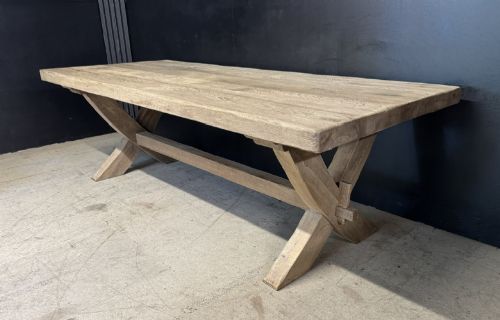
The prevalent forms span generous refectory designs, scrubbed pine harvest boards, and provincial oak or fruitwood tables featuring functional end drawers. Regional variations range from English oak classics to French and Welsh country iterations built with deep planks.
Most pieces display the marks of heavy utility, showing authentic patination across timber tops that developed through decades of hard use. Buyers seeking these tables generally want a genuine sense of domestic history coupled with everyday practicality.
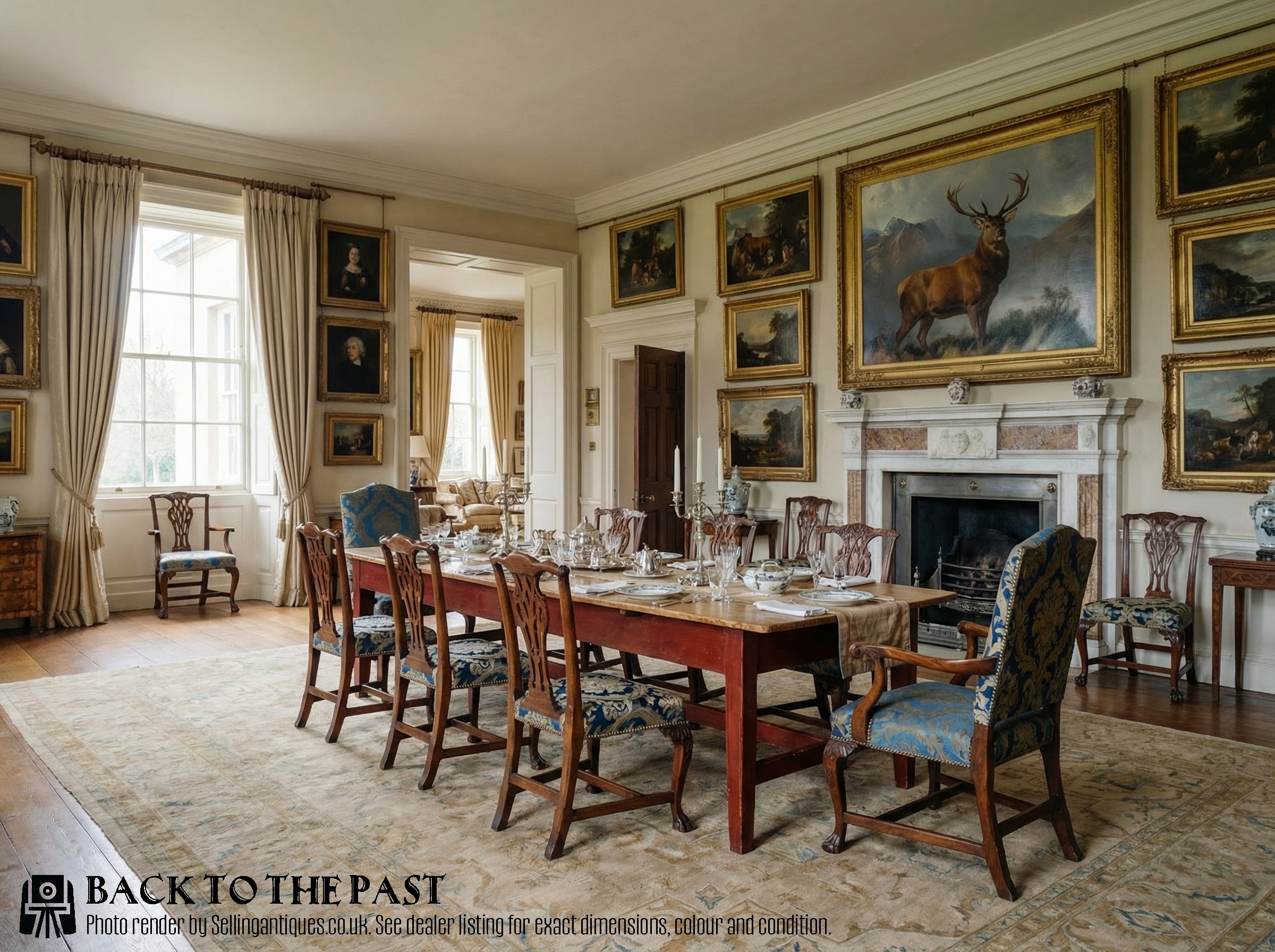
How they were made
Makers constructed these tables from durable native timbers, relying primarily on solid oak, pine, elm, and fruitwoods like cherry and pear. Planks were selected for thickness and strength to withstand daily pounding and moisture in busy kitchens.
Joinery methods focused on structural endurance rather than decorative flourish, utilising pegged mortise and tenon joints for frames. Legs were often turned or tapered directly from solid stock, occasionally complemented by stretchers or potboards beneath for added stability.
Farmhouse Kitchen Table Retail Price Guide 2026
Typical asking prices for farmhouse kitchen table among the pieces listed under this phrase on Sellingantiques today, from the lower quarter to the upper quarter. They describe what is for sale here now, not the wider market.
Listings feature woods spanning oak, pine, fruitwood, elm, and sycamore across Georgian, Victorian, and early twentieth-century periods.
What varies in quality
Quality in these tables rests upon the integrity of the timber selection and the degree of original construction remaining intact. Examples retaining their substantial original plank tops and honest surface wear sit firmly above pieces that have undergone heavy structural timber replacement.
The Farmhouse Kitchen Table Glossary
- Refectory table
- A long dining table traditionally built for monastic or communal dining halls, later adopted in domestic farmhouses. These pieces usually feature long uninterrupted top planks supported by substantial trestle or leg assemblies joined by stretchers.
- Potboard
- A lower shelf fitted beneath a table or dresser base, historically utilised for storing pots, pans, and heavy kitchen utensils. This addition provides extra structural rigidity to the base frame.
- Harvest table
- A long, narrow utility table traditionally used during seasonal agricultural gatherings for feeding large farm crews. They are frequently constructed with lightweight pine or fruitwood to allow easier movement around the working estate.
- Breadboard ends
- Transverse pieces of timber attached to the short ends of a solid wood table top to prevent warping and conceal end grain. This traditional technique accommodates the natural expansion and contraction of the main planks.
- Patina
- The surface sheen and colour depth developed on wood over decades through handling, waxing, and exposure to light. Collectors prize an undisturbed patina as an indicator of genuine age and continuous use.
Farmhouse Kitchen Table: Frequently Asked Questions
What defines a true farmhouse kitchen table?
A true farmhouse kitchen table is defined by its robust timber construction, utilitarian design, and evidence of domestic labour. These pieces were built to serve as the hardworking centre of the home.
They typically display solid wood tops made from oak, pine, or fruitwood, often showing decades of surface wear. Useful additions like side drawers or stretchers further identify their practical origins.
How do I care for an antique wood table top?
Caring for an antique wood top involves protecting the surface from excessive moisture, direct heat, and sudden temperature shifts. Regular gentle dusting and occasional waxing help preserve the historic finish.
Avoid harsh chemical cleaners that strip the natural oils and patination accumulated over generations. Using coasters and placemats protects the soft timber from everyday staining.
Were these tables used exclusively for dining?
These tables served multiple domestic purposes beyond simply gathering for meals, functioning as primary workstations for food preparation. People used them for kneading bread, chopping meat, and sorting garden produce.
Many examples include built-in drawers specifically designed to house cutlery, linens, or small culinary tools. Their heavy construction ensured they could withstand the rigours of continuous daily labour.
How can I tell pine tables from hardwood ones?
Pine tables generally exhibit a softer grain pattern with visible knots and a lighter natural colour that deepens to a golden hue over time. Hardwoods like oak, elm, and fruitwood feel noticeably heavier and display denser, tighter growth rings.
Hardwood surfaces resist scratching and denting far more readily than softer coniferous woods. Examining the underside or unexposed frame parts often reveals the true nature of the primary timber.