
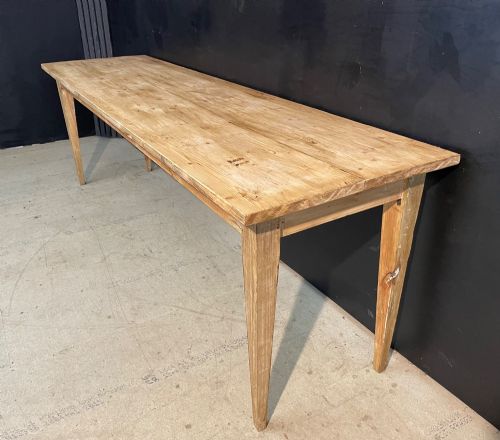
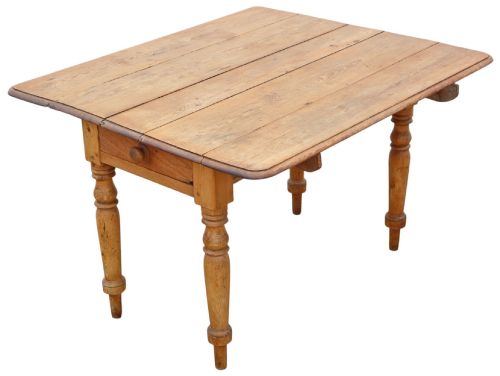
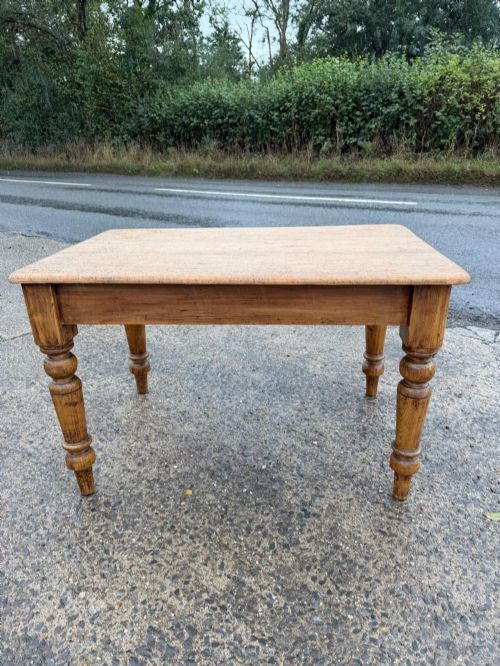
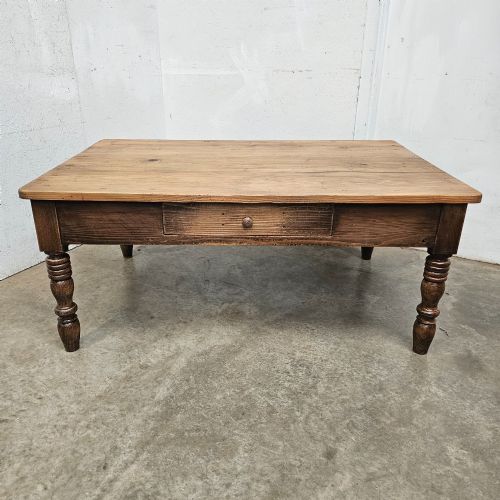
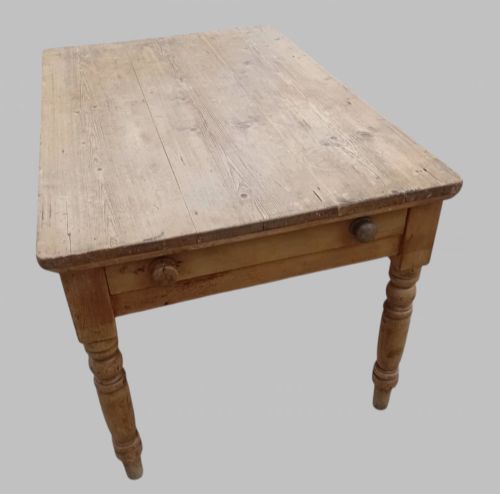
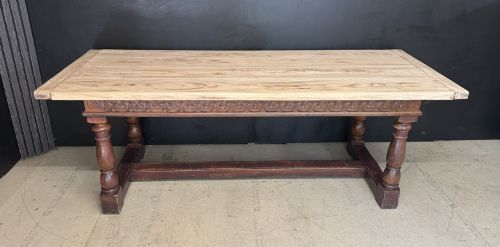
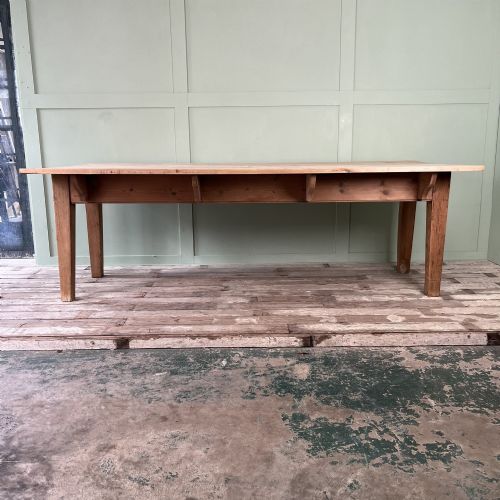
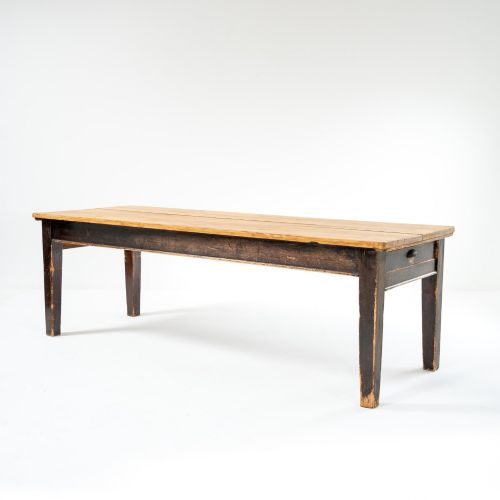
Natural Pine Table
A natural pine table brings warmth and honest utility to a room, offering sturdy charm through its simple wooden build.
Natural Pine Table
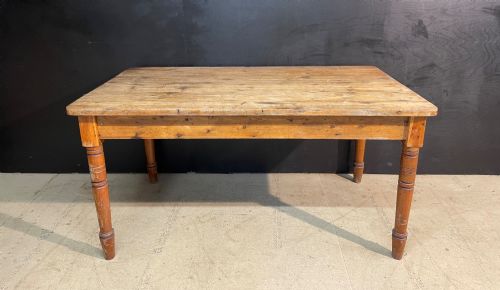
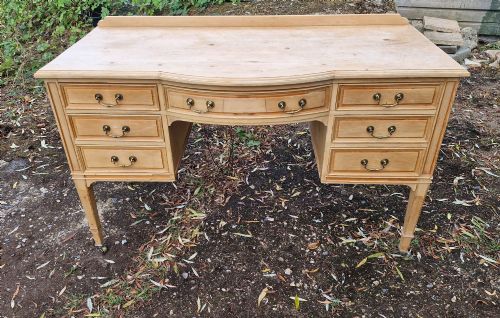
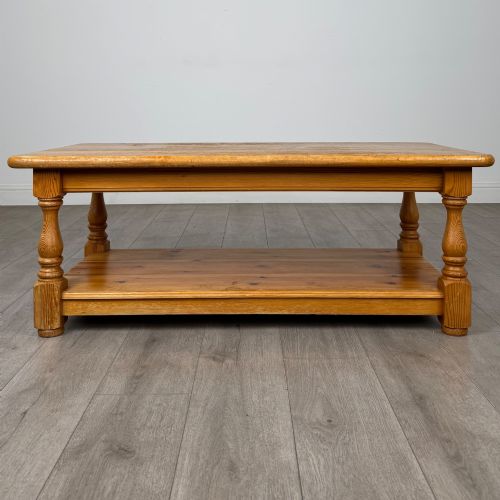
A natural pine table appears in forms such as dining tables, console tables, and kitchen tables. These pieces span the nineteenth century, the Victorian era, the Edwardian period, and around nineteen twenty.
The selection includes rustic farmhouse styles, Italian country designs, rustic Victorian examples, and Scandinavian country pieces. Buyers frequently encounter robust kitchen and dining versions designed for daily use.
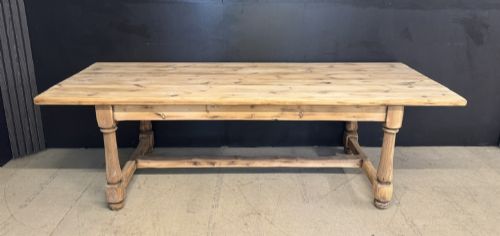
Origins range from British workshops to Italian and Swedish makers, showing diverse regional interpretations of the form. Each piece reflects the functional needs of its period, from large refectory tables to console variations.
Materials and Construction
Construction relies primarily on solid pine timber, selected for its workable nature and accessibility during the nineteenth and early twentieth centuries. Some examples incorporate painted wood finishes alongside bare timber surfaces.
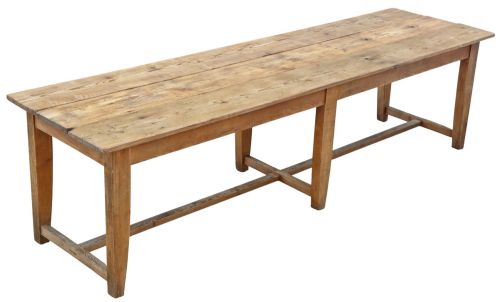
Joinery methods support heavy everyday service, evident in sturdy supports such as X frames and refectory bases. Surfaces show the character of pine through visible grain patterns and patinated finishes accumulated over decades.
Retail Price Guide 2026
Typical UK retail prices for natural pine table, calculated from the Sellingantiques database of over a million retail prices indexed since 2003. This retail price guide relies exclusively on Sellingantiques data; no external sources or auction records are used, so the figures do not describe the wider market.
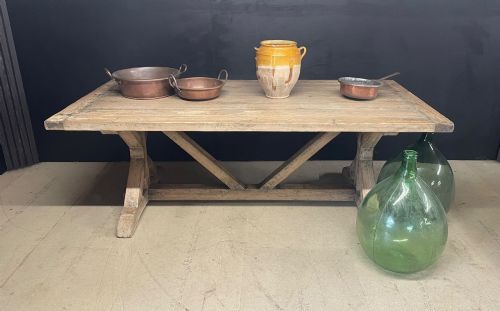
X frame kitchen tables bring an unexpected architectural geometry to the rustic dining room.
Judging Quality
Quality separates simple utility furniture from pieces possessing finer proportions and deliberate regional detailing, such as Swedish X frames or Italian console work. The character of the timber surface and the integrity of the original construction dictate the standing of a piece.
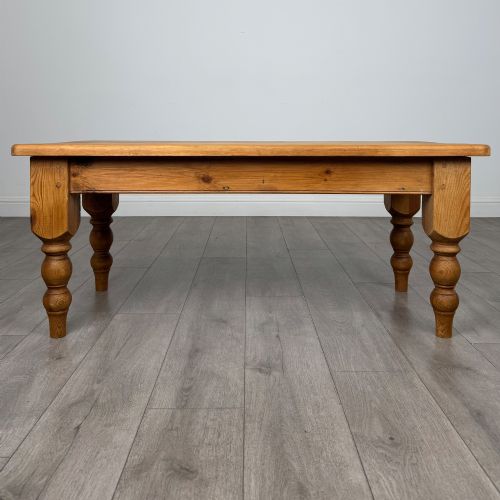
Subtleties in edge profiling, leg turning, and the balance of the overall form distinguish standard workshop output from more ambitious rustic design. Honest wear and undisturbed patination elevate an example above heavily altered surfaces.
The Natural Pine Table Glossary
- Pine
- A softwood commonly used in historical furniture making for its strength and accessibility. It yields a distinctive light grain that deepens in tone with age.
- Refectory table
- A long dining table historically used in communal dining halls. In domestic settings, this form provides generous seating length.
- Console table
- A table designed to stand against a wall, sometimes featuring slender proportions. These pieces function well in hallways and living spaces.
- X frame
- A structural base formed by intersecting diagonal timbers. This configuration offers robust support while adding architectural visual interest to a kitchen table.
Frequently Asked Questions
What is a natural pine table?
A natural pine table is a wooden item of furniture built primarily from pine timber, spanning styles from rustic farmhouse to Scandinavian country.
These pieces serve as practical surfaces for dining, kitchen work, or hallway placement, dating from the nineteenth and early twentieth centuries.
How do I date a pine table?
Dating relies on construction methods, timber characteristics, and stylistic clues typical of periods like the Victorian era or nineteen twenty.
Examining the fixings, tool marks, and overall wear helps place an item within its historical context.
Where were these tables made?
Surviving examples originate from various regions including Britain, Sweden, and Italy.
Each region applied local design preferences to the basic pine table form, resulting in distinct stylistic variations like Italian console tables or Swedish X frame designs.
How do I care for pine furniture?
Maintaining pine involves protecting the surface from excessive moisture and sudden temperature changes.
Regular gentle dusting preserves the natural timber and the accumulated patina without stripping historical character.