


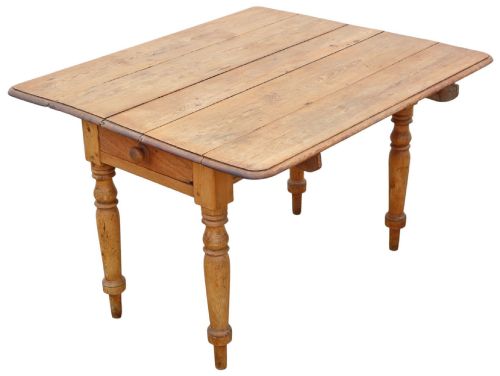
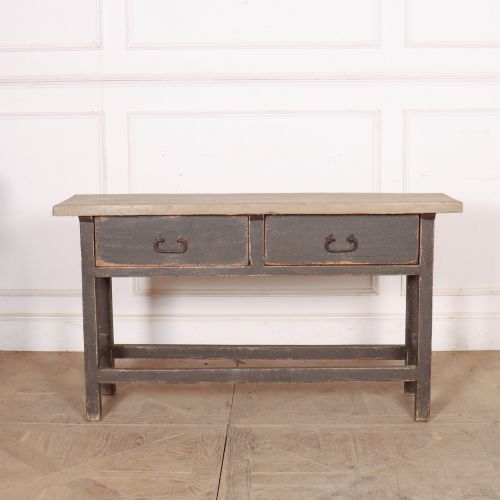
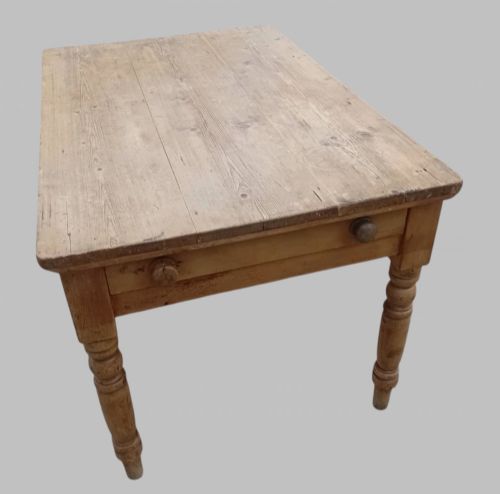
Rustic Pine Prep Table
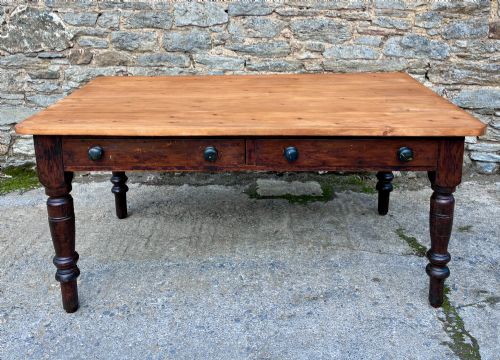
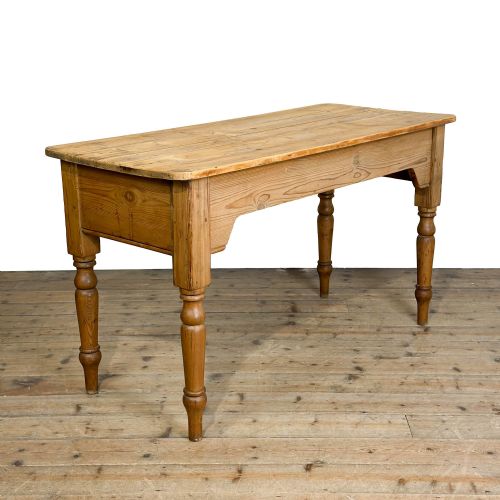
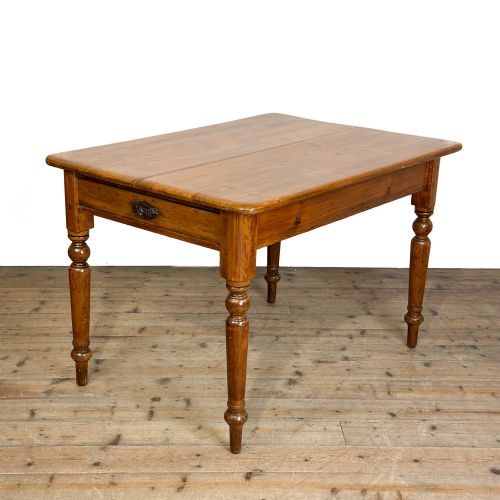
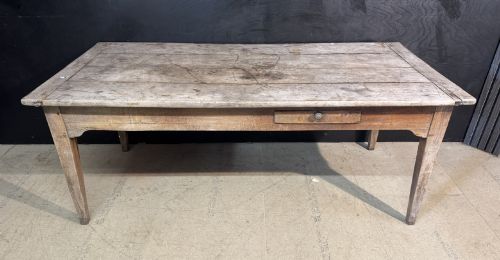
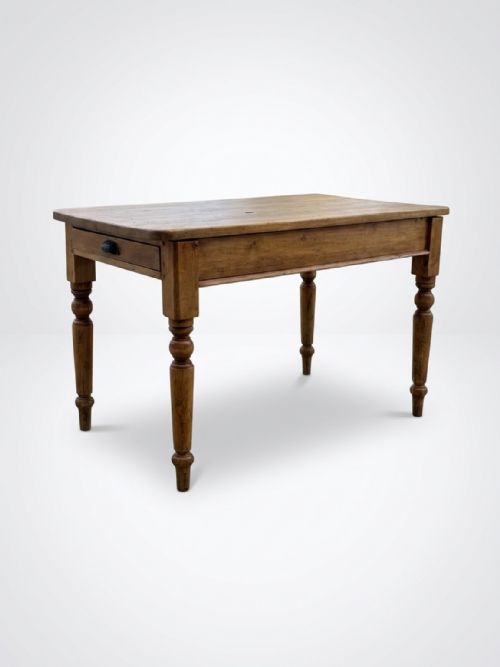
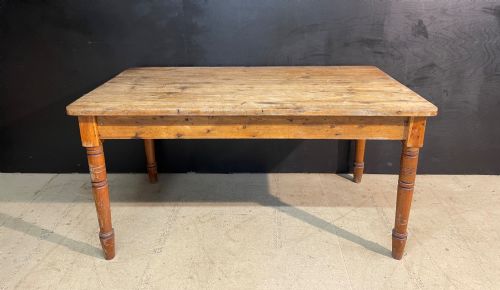
A rustic pine prep table brings honest utility and straightforward timber work to a domestic interior, functioning as a practical workspace or dining surface.
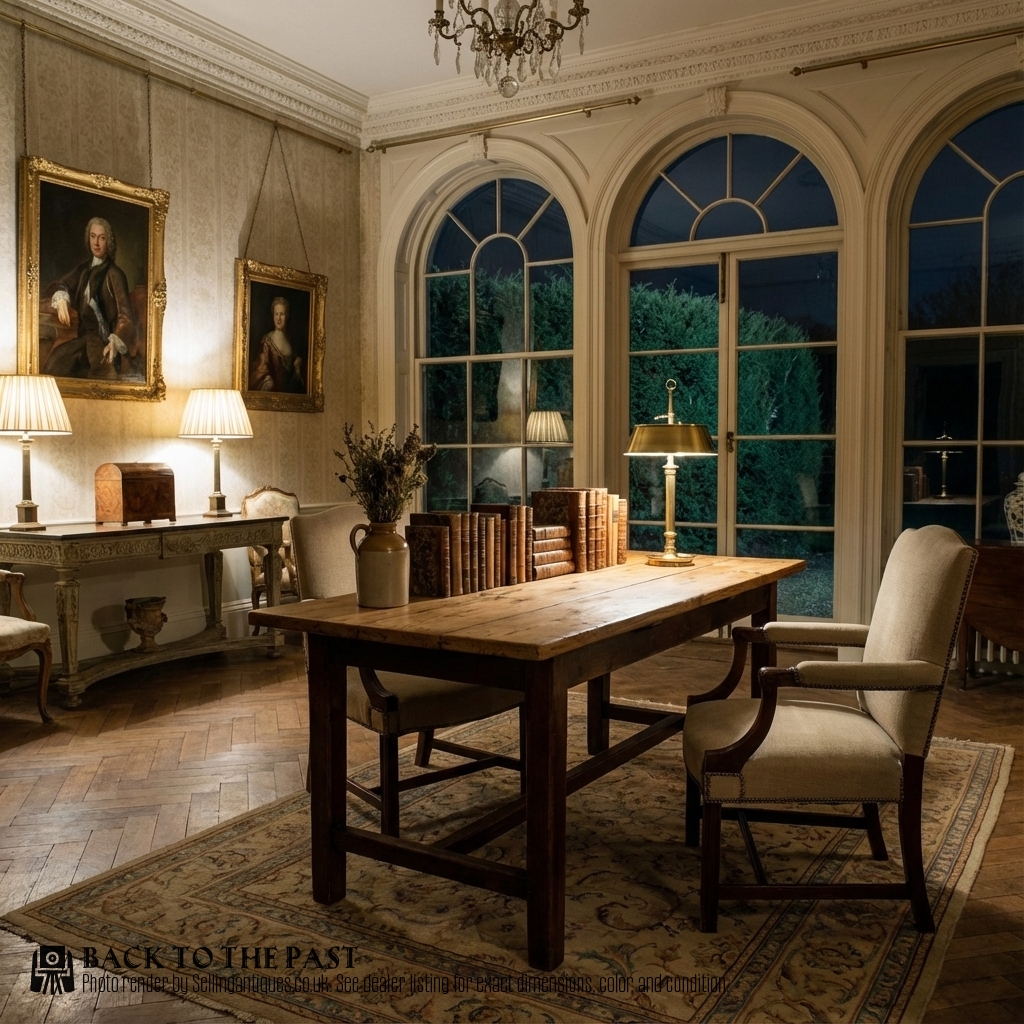
Rustic Pine Prep Table
When searching for a rustic pine prep table, buyers encounter sturdy utilitarian surfaces originating from kitchens, dairies, sculleries, and workshops. These pieces span the nineteenth century through the early twentieth century, encompassing Victorian and Edwardian domestic eras.
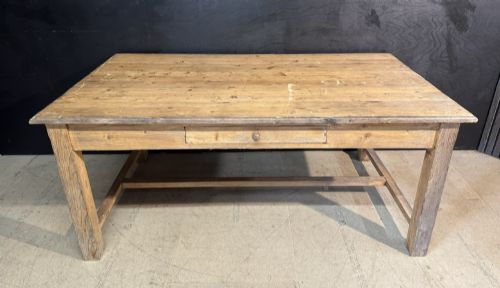
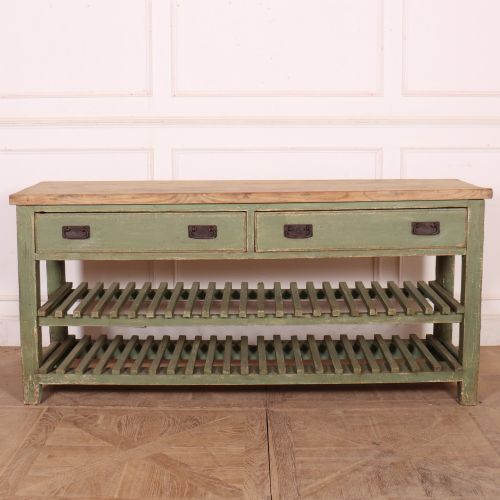
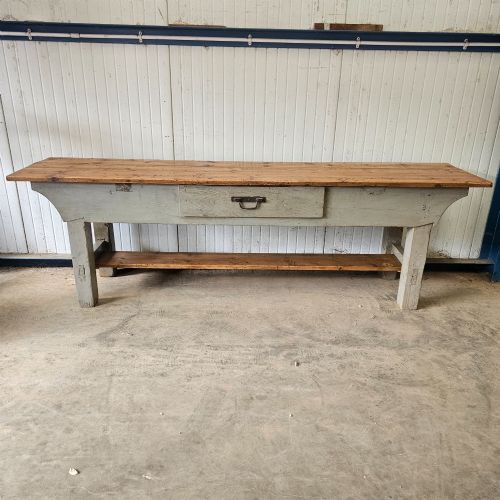
The most common formats on this page include farmhouse kitchen tables, bakers prep tables, and dairy tables featuring single or dual drawers. Many examples display the honest wear of daily labour, often constructed in regional English, French, Welsh, or Scottish styles.
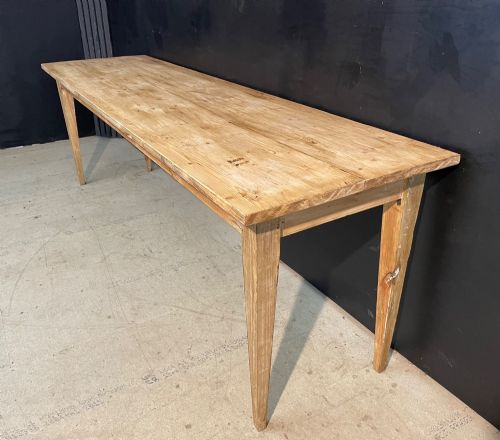
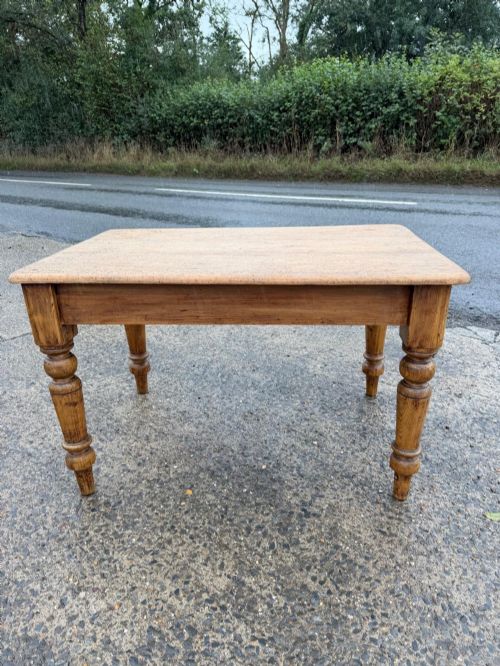
Forms vary from compact side tables and folding drop-leaf variants to grand harvest tables measuring several feet in length. Buyers select these tables for their functional proportions and the tactile warmth of scrubbed or painted timber.

How they were made
Construction relies primarily on solid pine and pitch pine timbers, frequently paired with secondary woods such as oak, fruitwood, sycamore, or metal hardware like brass and iron. Tables often feature thick scrubbed tops designed for heavy culinary tasks and scrubbing with water and sand.
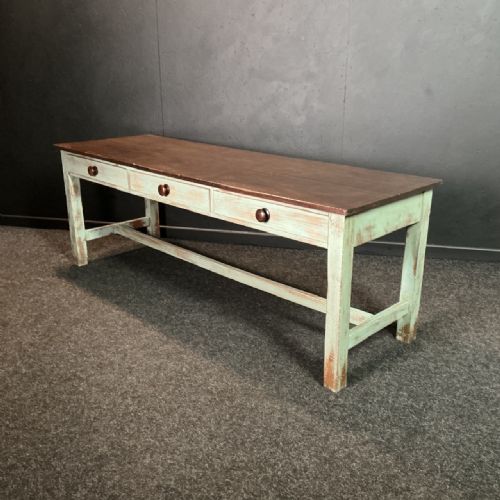
Frames incorporate traditional joinery techniques to support daily physical labour, combined with single or multiple drawers built into the front frieze. Surfaces frequently carry layers of original or later paint finishes, particularly on dairy, scullery, and server variants.
Rustic Pine Prep Table Retail Price Guide 2026
Typical asking prices for rustic pine prep table among the pieces listed under this phrase on Sellingantiques today, from the lower quarter to the upper quarter. They describe what is for sale here now, not the wider market.
Listings feature Victorian and nineteenth-century pieces alongside early twentieth-century examples up to the 1930s.
What varies in quality
Quality in these utility surfaces rests upon the integrity of the timber selection, such as dense pitch pine versus softer deal, and the retention of original structural framing. Unaltered proportions and honest surface patination elevate an example above standard workshop furniture.
The presence of original painted finishes or untouched scrubbed tops distinguishes superior specimens, alongside functional additions like deep frieze drawers and sturdy stretcher bases. Historical use marks that reflect genuine domestic service contribute positively to the character of the piece.
The Rustic Pine Prep Table Glossary
- Scrub top
- A wooden table top cleaned repeatedly with water and abrasives, leaving a pale, weathered grain. This finish results from rigorous historic kitchen maintenance.
- Frieze
- The horizontal structural band beneath the table top that typically houses one or more drawers. It provides essential framing stability.
- Pitch pine
- A resinous, durable pine variety prized for its strength and distinct grain pattern. It appears frequently in nineteenth-century utilitarian furniture.
- Dairy table
- A specialised work table utilised for milk processing and cheese making, often featuring scrubbed pine boards and slatted lower tiers.
- Harvest table
- An elongated dining or work table traditionally used during seasonal farm gatherings. These pieces accommodate larger groups with substantial seating capacity.
Rustic Pine Prep Table: Frequently Asked Questions
What is a rustic pine prep table?
A rustic pine prep table is a heavy-duty wooden work surface historically used in domestic kitchens, dairies, and sculleries for food preparation. These tables are defined by solid timber construction, practical proportions, and utilitarian drawers.
Today, they serve as versatile kitchen islands, dining tables, or console surfaces in contemporary homes, valued for their durability and historic character.
How do I care for a scrubbed pine top?
Scrubbed pine surfaces respond best to dry dusting and occasional cleaning with a slightly damp cloth rather than harsh chemical treatments. Maintaining the natural dry timber look preserves the historic texture of the wood.
Applying occasional clear beeswax helps protect the grain from modern spills without altering the matte appearance characteristic of antique work tables.
How do I date an antique pine table?
Dating relies on examining construction methods, tool marks, timber selection, and hardware types used within the frame and drawer assemblies. Nineteenth-century examples often display hand-cut joinery and aged patination accumulated through decades of domestic service.
Comparing regional styles, such as French provincial or Victorian country designs, further narrows the period of origin alongside any recorded provenance.
Can I use a prep table for dining?
These tables adapt readily to daily dining use because their original purpose required comfortable working heights and stable foundational frames. Generous overhangs and long formats accommodate chairs or benches comfortably.
Buyers should verify the knee clearance beneath the frieze drawers before pairing standard dining chairs with a heavy work table.