
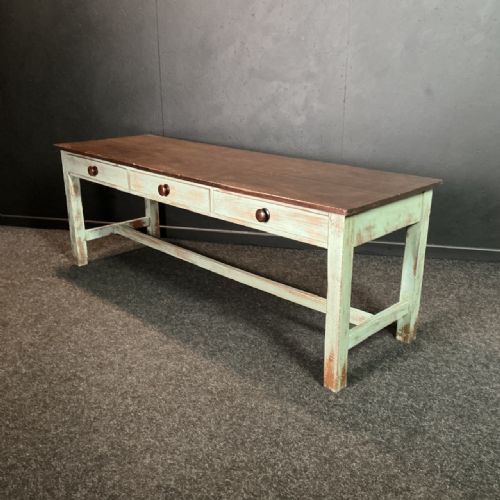
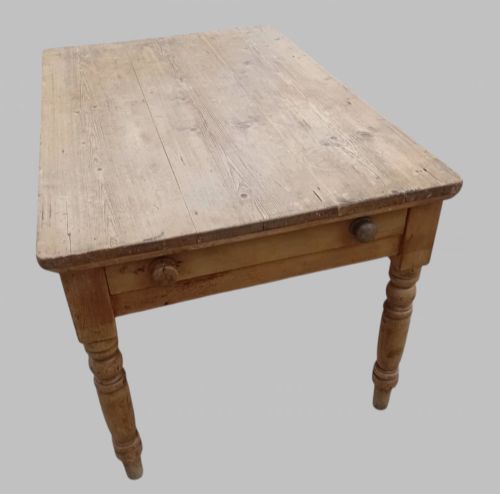
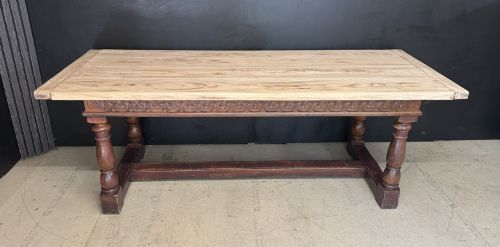
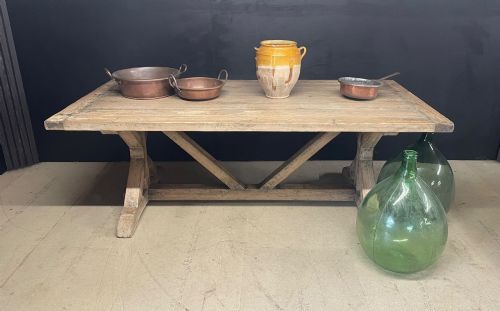

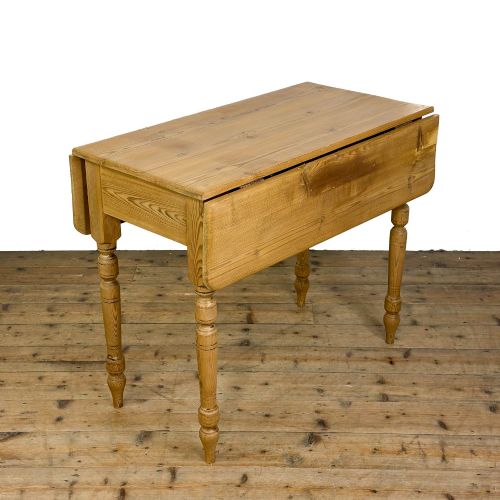
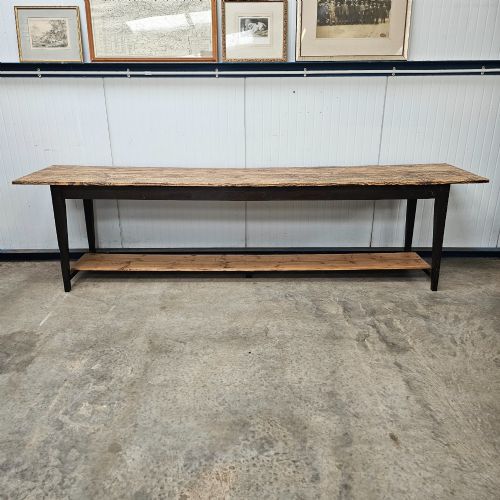
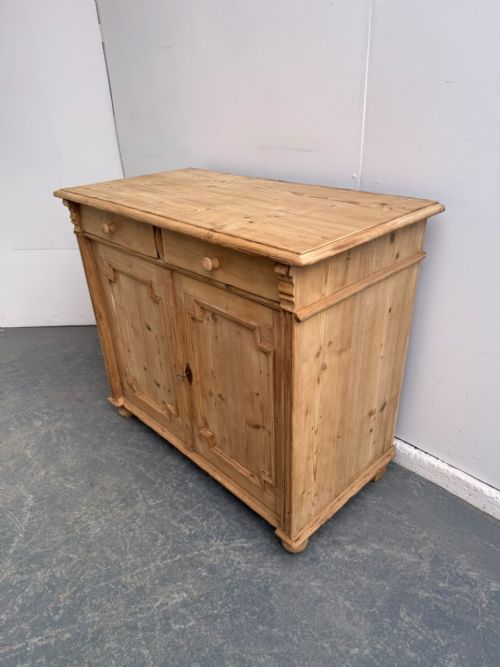
Traditional Pine Kitchen Table
A traditional pine kitchen table brings utilitarian domestic history and enduring daily utility straight into the heart of the home.
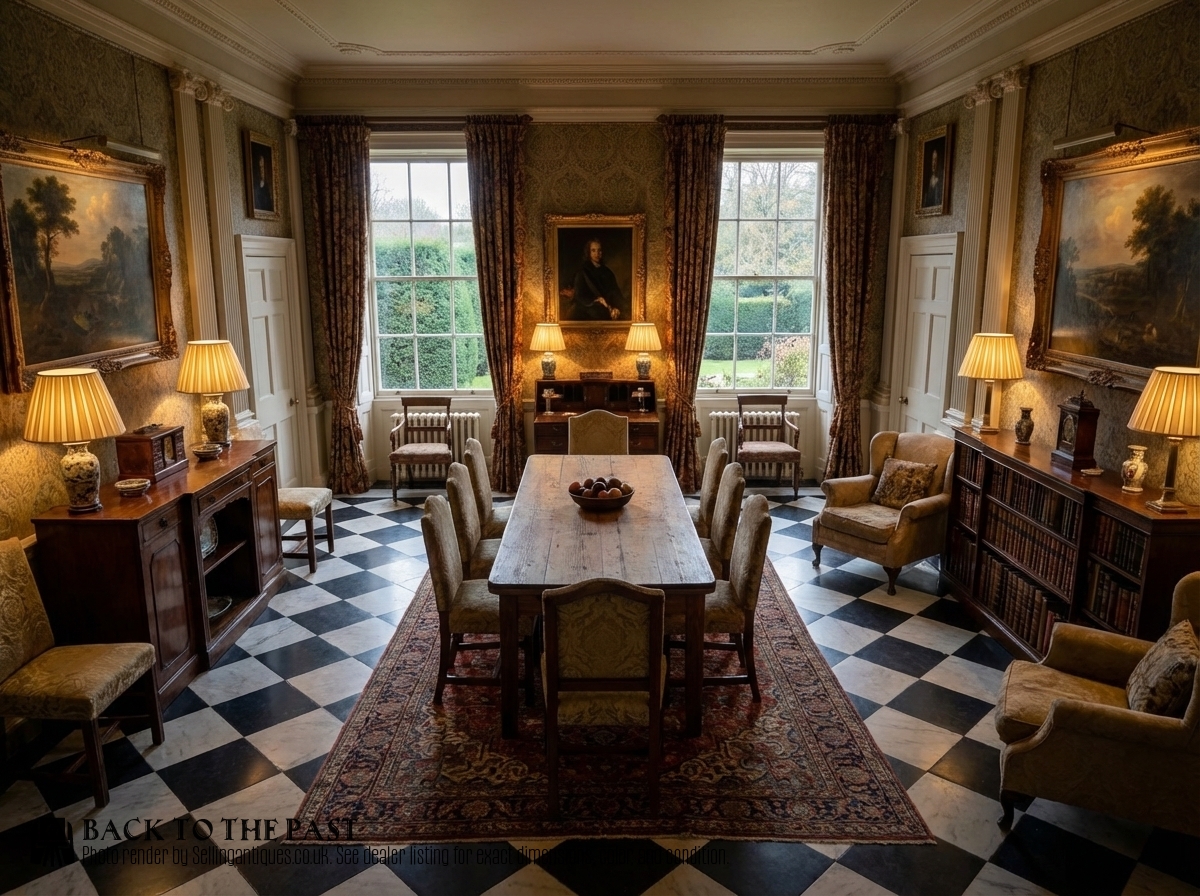
Traditional Pine Kitchen Table
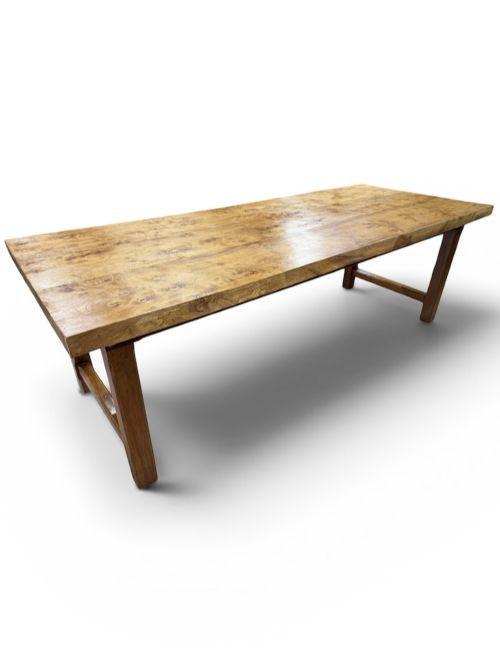
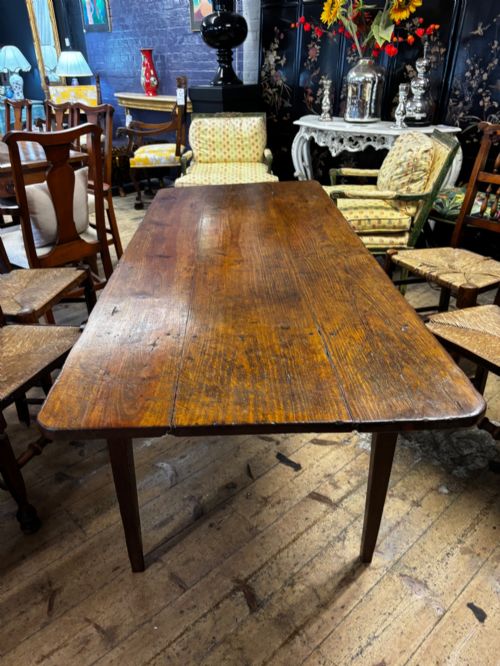
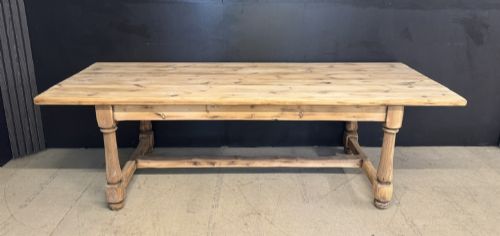
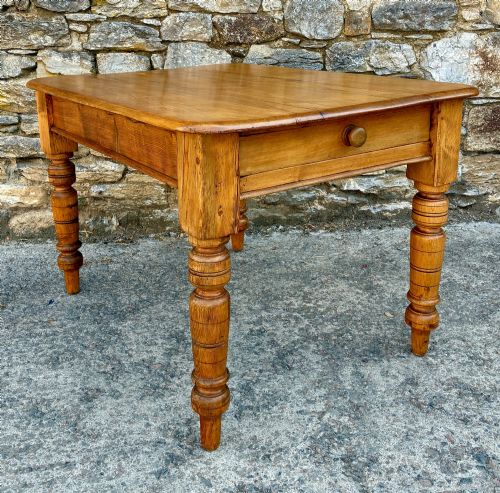
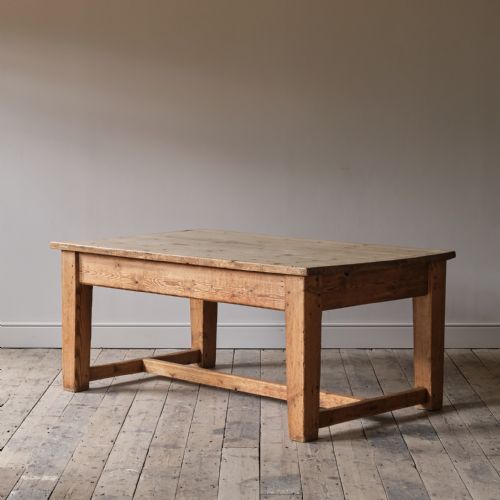
A traditional pine kitchen table serves as the focal point for domestic life, emerging primarily from nineteenth-century farmhouses and rural properties. These surfaces reveal decades of daily preparation, family meals, and communal gatherings through worn timber and seasoned boards.
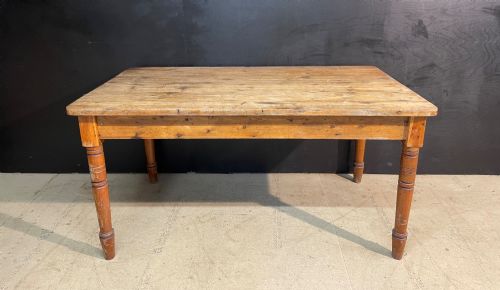
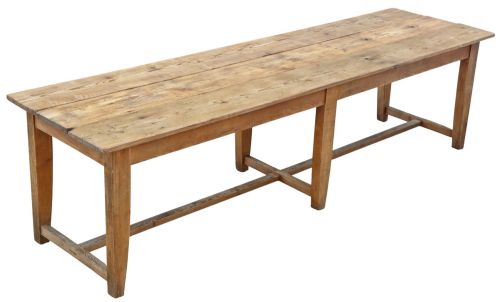
Buyers will most frequently encounter rectangular dining and farmhouse forms, alongside specialised regional variants like scrub-top dairy tables and harvest tables. Construction dates span the Victorian era, the wider nineteenth century, and early decades of the twentieth century.
The aesthetic leans heavily into rustic country and Victorian vernacular styles, often displaying original painted finishes or bare timber tops. Proportion and scale vary widely, from compact kitchen tables to large refectory formats seating six or more people.
Materials and construction methods
Makers relied principally on pine, timber, and fruitwood, occasionally pairing pitch pine or oak tops with sturdy softwood frames. Brass fixtures and iron hardware sometimes reinforce drawers and structural joints.
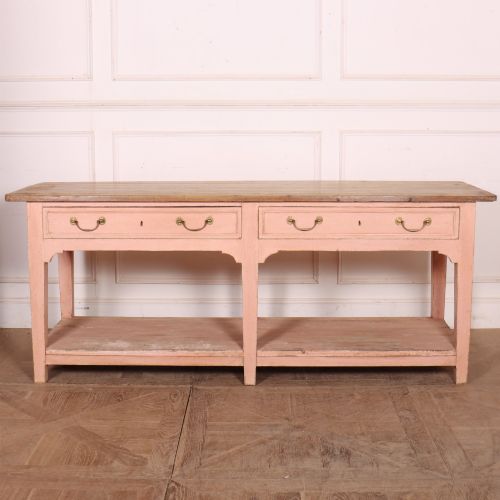
Surface treatments range from natural waxed timber to traditional painted finishes such as Swedish Falu paint. Scrub-top variants show the pale grain resulting from frequent scouring with water and sand to maintain hygiene.
Traditional Pine Kitchen Table Retail Price Guide 2026
Typical asking prices for traditional pine kitchen table among the pieces listed under this phrase on Sellingantiques today, from the lower quarter to the upper quarter. They describe what is for sale here now, not the wider market.
Several tables retain traces of historic flour, ink, and pastry rolled out by hands long gone.
Assessing quality and authenticity
Quality rests in the integrity of the timber and the honesty of the wear, distinguishing period pieces from later reproductions. Originality of finish, whether aged paint or warm historic wax, elevates a piece considerably.
Structural soundness in the legs, aprons, and stretcher base determines daily usability. Tables retaining original drawers, potboards, or distinctive regional proportions command greater interest among collectors.
The Traditional Pine Kitchen Table Glossary
- Scrub top
- A table top made from unvarnished softwood designed to be repeatedly scoured clean with water and sand. This process creates a pale, textured surface highly prized in country furniture.
- Potboard
- An open slatted lower shelf fitted between the legs of a dresser base or table. It was historically utilised for storing pots, pans, and heavy earthenware.
- Refectory table
- A long, narrow dining table originally built for monastic dining halls. Nineteenth-century interpretations adapt this generous proportions for domestic farmhouse settings.
- Falu red
- A deep red paint derived from copper mining waste in Sweden. It provides traditional timber surfaces with a durable, matte protective coating.
- Harvest table
- A narrow, elongated table designed to accommodate seasonal farm workers during communal meals. They frequently feature multiple legs for enhanced stability over long spans.
Traditional Pine Kitchen Table: Frequently Asked Questions
How do I date an old pine table?
Dating relies on examining construction techniques, tool marks, timber selection, and fastener types. Nineteenth-century examples often exhibit hand-planed boards and pegged joinery.
Secondary woods, patina, and wear patterns around the seating areas further help establish the approximate period of manufacture.
Are these tables suitable for daily use?
These tables were built for heavy domestic labour and family dining, making them exceptionally robust for modern living. Their sturdy frames easily handle everyday kitchen activities and gatherings.
Applying appropriate waxes or oils helps protect historic timber from moisture and heat marks without masking its character.
What styles of country tables exist?
The listings encompass several regional expressions, including Victorian country, English rustic, and Scandinavian country forms. Variations include drop-leaf spaces, compact dairy tables, and expansive harvest tables.
Finishes range from bare scrubbed pine and fruitwood to remnants of original paint or rich historical wax.