

Honey Pine Dining Table
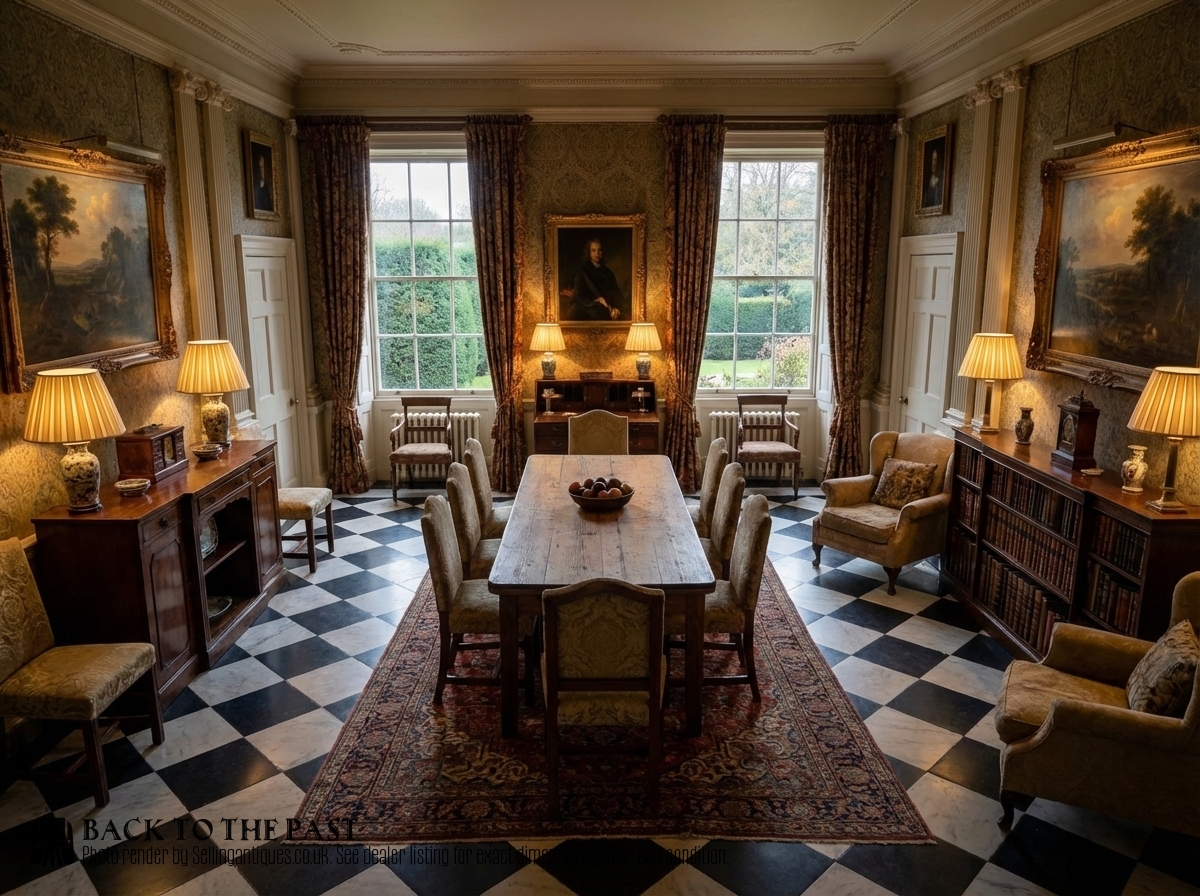
A honey pine dining table brings warmth to a room, offering a sturdy surface shaped by decades of daily family use.
Honey Pine Dining Table
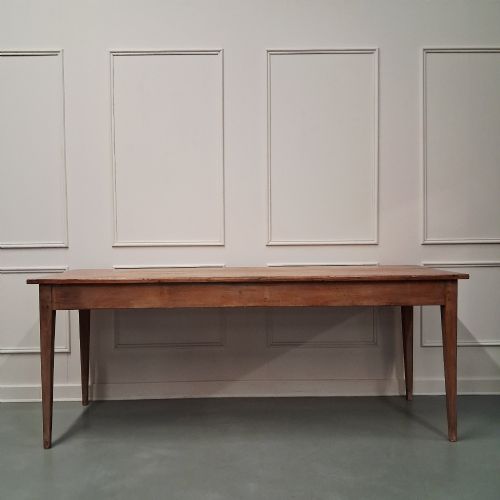
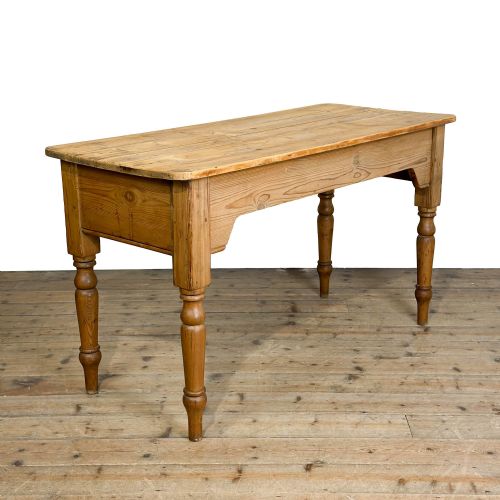
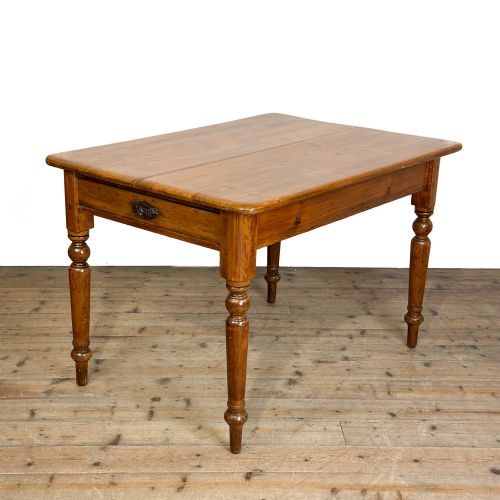
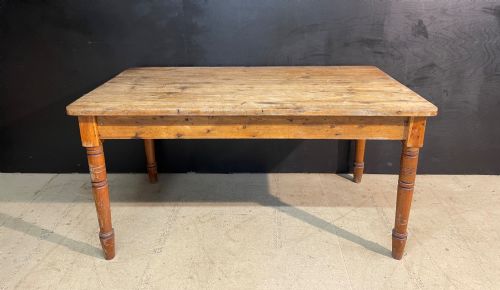
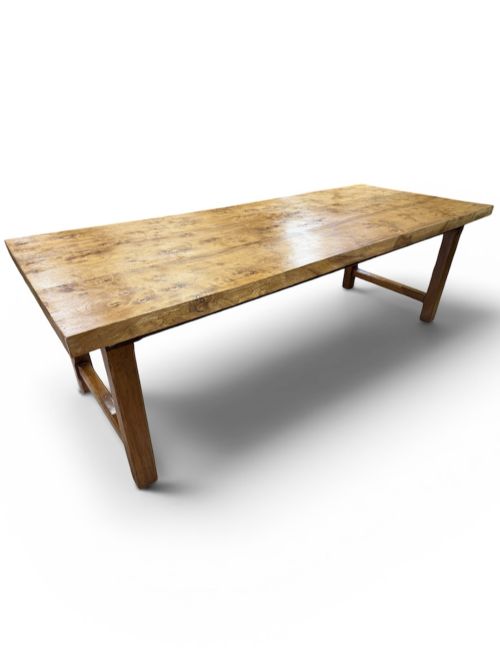
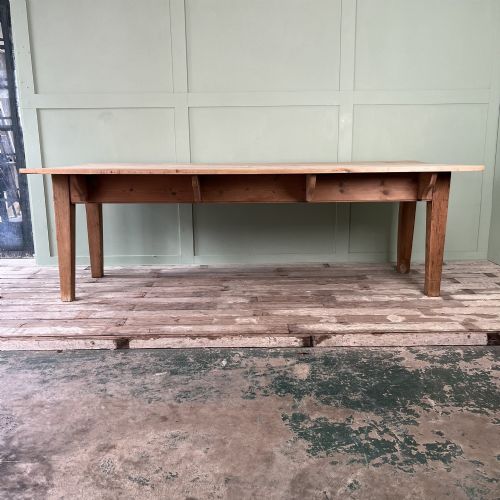
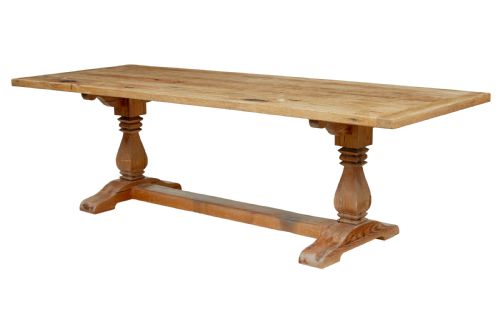
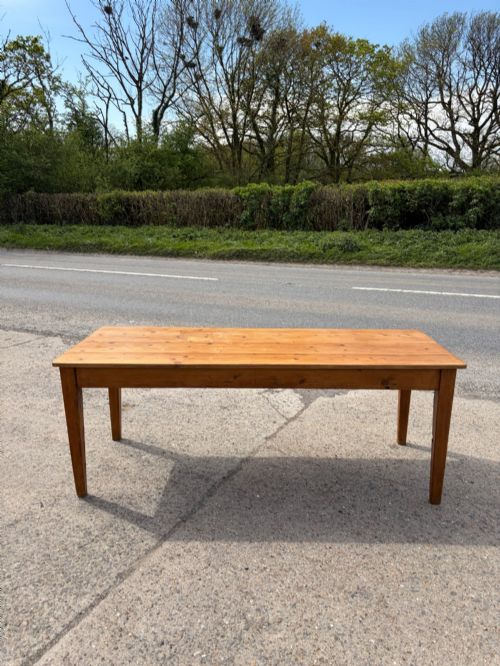
When you search for a honey pine dining table, you encounter practical domestic furniture spanning the nineteenth century and the early twentieth century. These pieces encompass farmhouse, kitchen, refectory, and tavern formats originating from British and continental traditions.
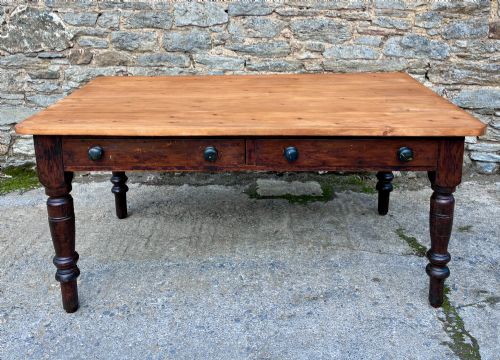
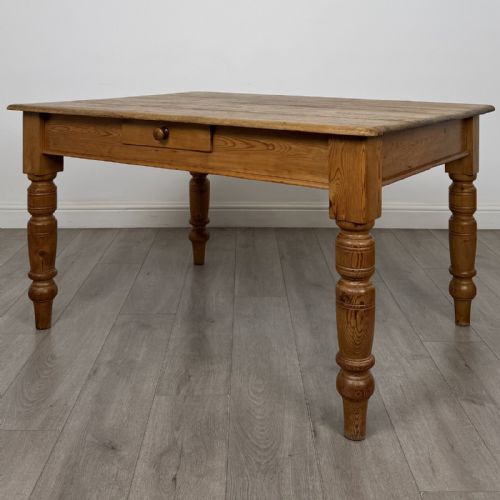
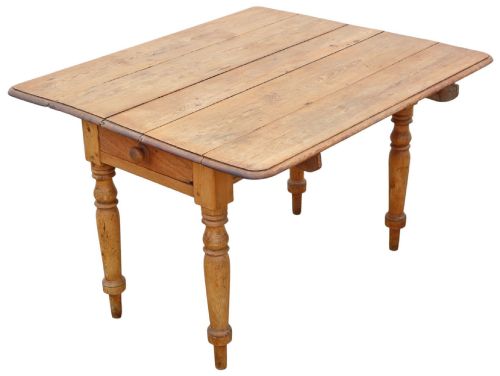
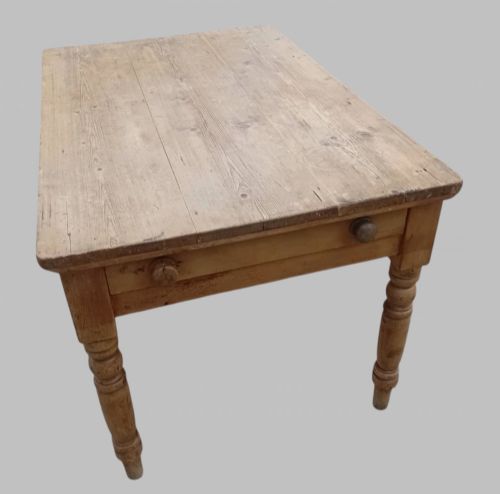
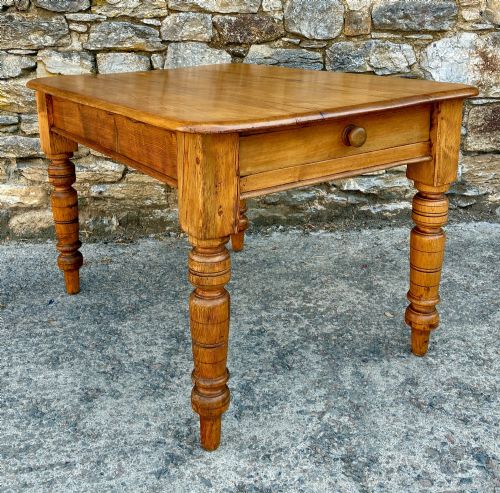
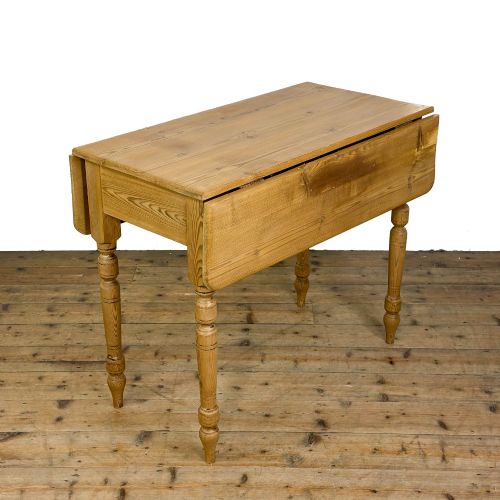
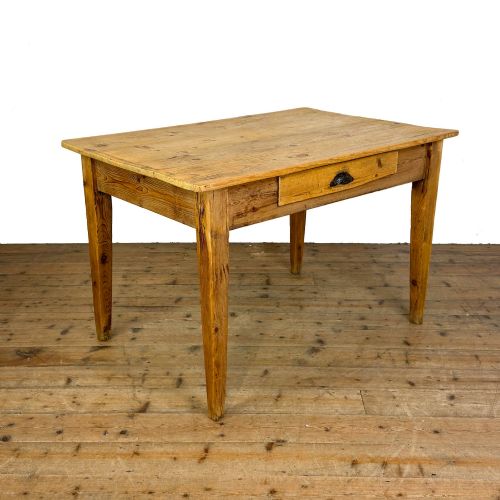
The most common examples on this page are Victorian farmhouse and kitchen tables, frequently constructed with single drawers to the front frieze or drop leaves for versatility. Timber selection spans standard pine, pitch pine, and occasional combinations with fruitwood.
Regional styles visible in the evidence include Irish, Scottish, and French provincial variants, alongside rustic Victorian designs. These tables served primarily as utilitarian workspace and dining hubs in historic homes.
Assessing quality in antique tables
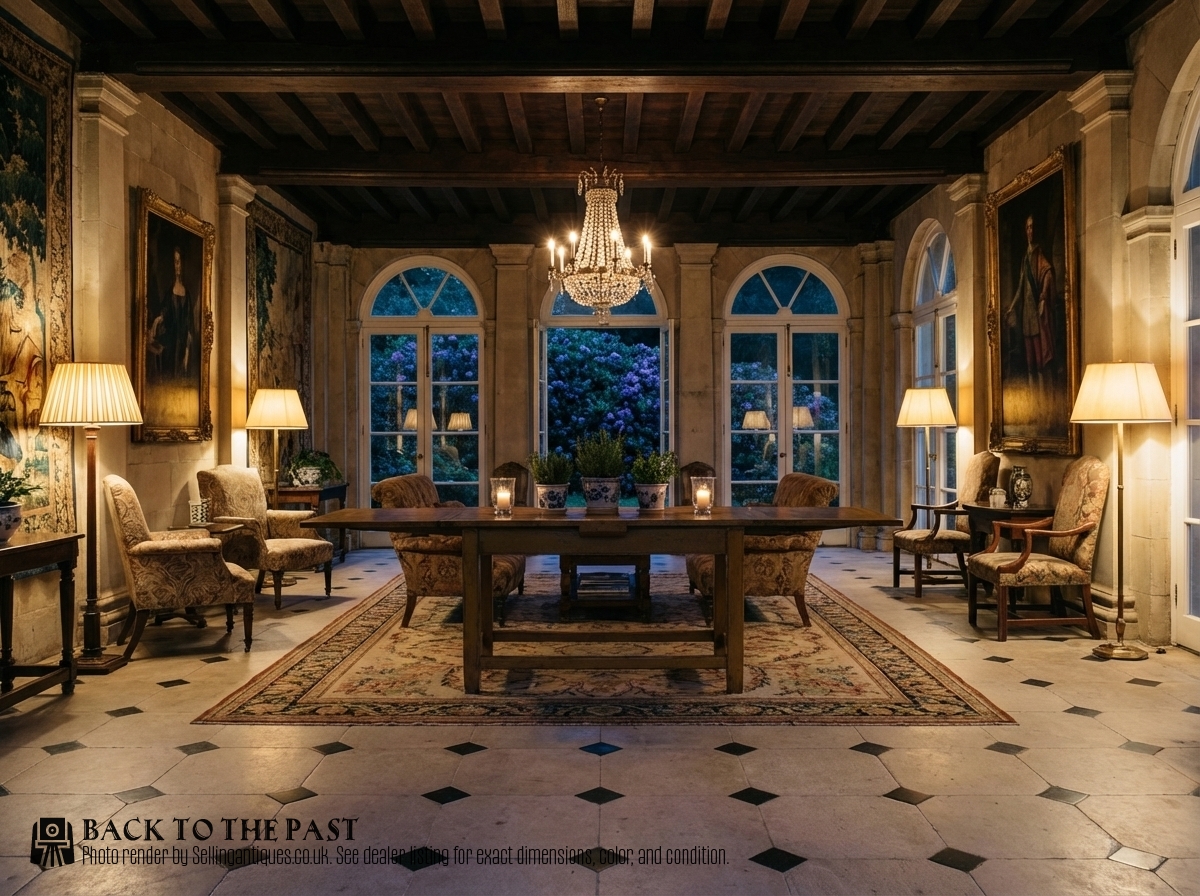
Quality rests upon the integrity of the timber, the thickness of the top boards, and the retention of original structural elements like frieze drawers. Tables that retain their native proportions and honest surface patination stand apart from heavily restored alternatives.
Subtle differences in leg turning, edge moulding, and the tightness of joints distinguish standard utility items from finer workshop pieces. The presence of dense pitch pine or native fruitwood elements elevates the material interest of a table.
Honey Pine Dining Table Retail Price Guide 2026
Typical asking prices for honey pine dining table among the pieces listed under this phrase on Sellingantiques today, from the lower quarter to the upper quarter. They describe what is for sale here now, not the wider market.
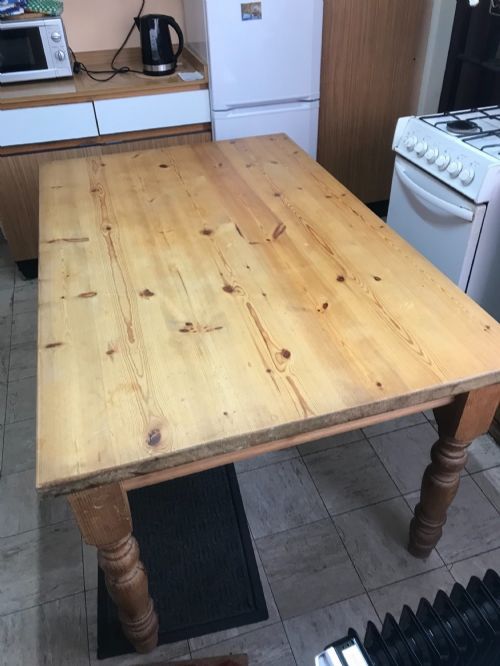
Several kitchen tables retain deep ink stains and flour knife marks from nineteenth-century meal preparation.
The Honey Pine Dining Table Glossary
- Pitch pine
- A dense, resinous variety of pine timber noted for prominent grain patterns and durability.
- Drop leaf
- A table design featuring hinged flaps that fold down to save space when not in use.
- Frieze drawer
- A storage compartment built directly beneath the top framework of the table.
- Refectory table
- A long, narrow dining table traditionally built for communal dining halls.
- Tilt top
- A mechanism allowing the table surface to pivot vertically for storage against a wall.
Honey Pine Dining Table: Frequently Asked Questions
How do I clean my table?
Wipe surfaces using a slightly damp cloth without harsh chemical detergents. Regular dusting keeps the timber free from grit.
Apply natural beeswax periodically to nourish the dry wood and maintain the natural lustre of the pine.
Can I use it daily?
These tables were built for heavy domestic labour and daily dining, making them robust for modern life. Use placemats and coasters to protect the historic timber from excessive moisture and heat.
Allow the surface to accumulate character through normal use without worrying about minor marks.
How do I date the table?
Examine the construction methods, tool marks beneath the top, and the type of fixings used in the frame. Nineteenth-century examples often display hand-sawn boards and older fastener types.
Compare the style of the legs and any drawer construction against known period vernacular designs.
Are these tables solid wood?
The pieces listed consist of solid timber construction throughout the tops, frames, and legs. Materials include standard pine, pitch pine, and occasional fruitwood elements.
Solid construction ensures the pieces can be sanded or maintained over generations.