

Wooden Farmhouse Dining Table
A wooden farmhouse dining table anchors the room with honest timber and decades of daily gatherings.
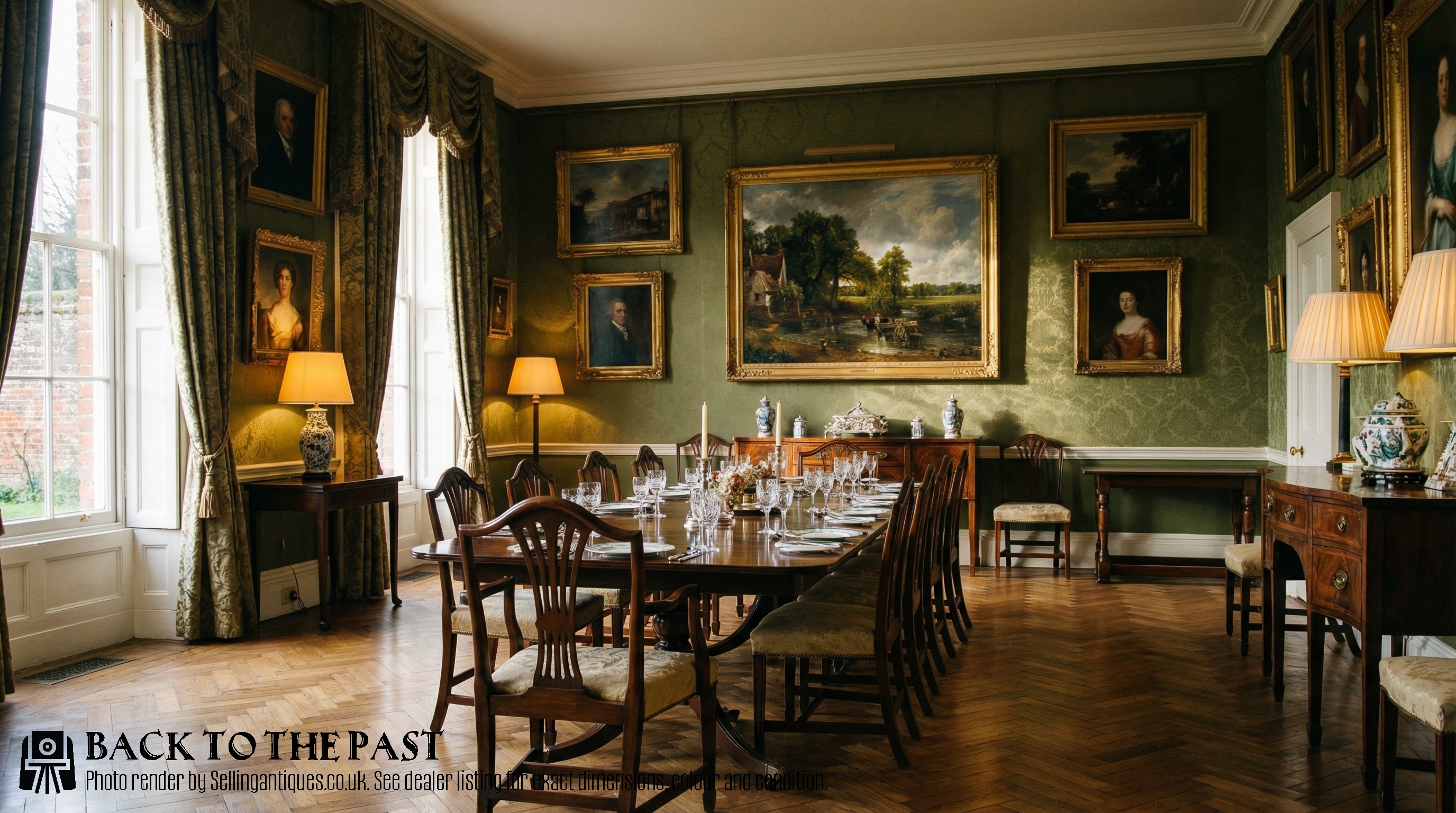
Wooden Farmhouse Dining Table
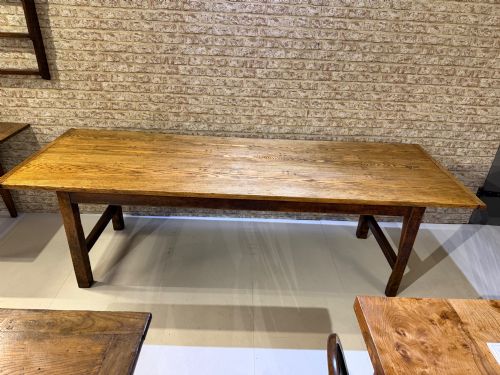
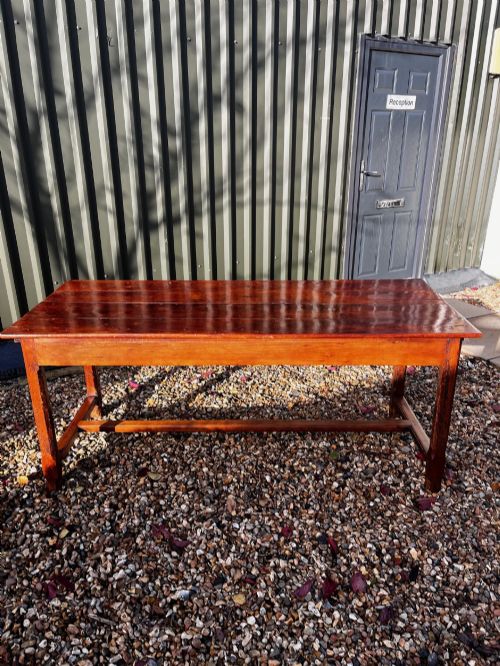
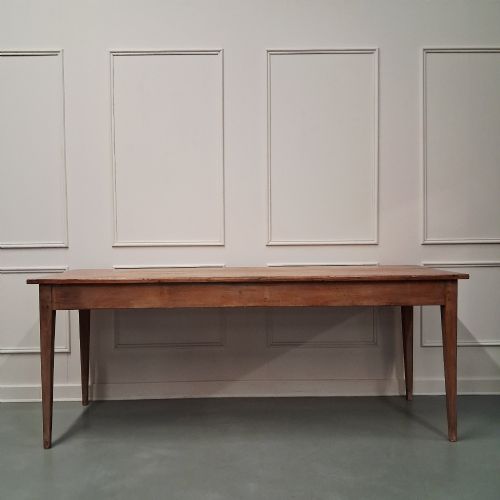
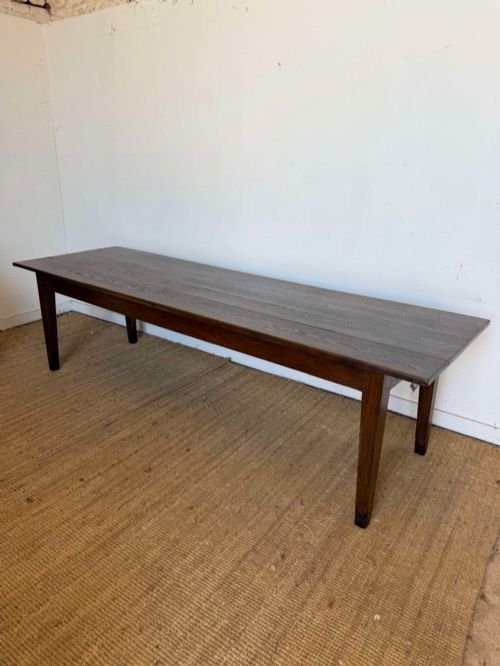
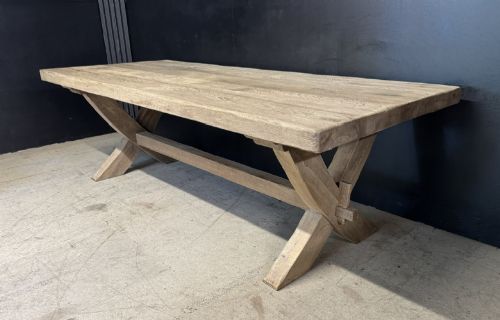
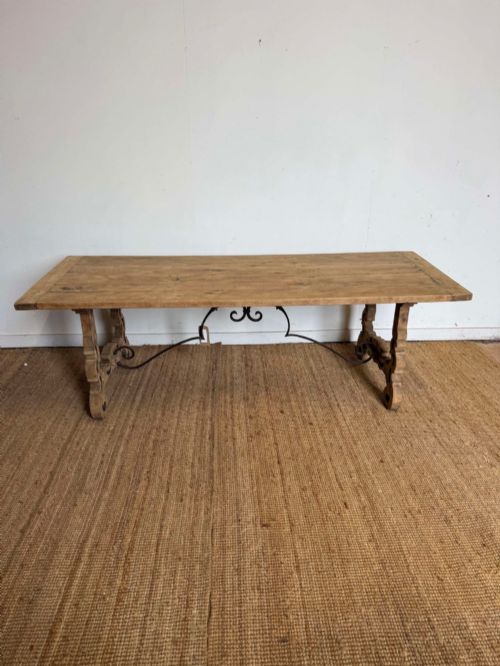
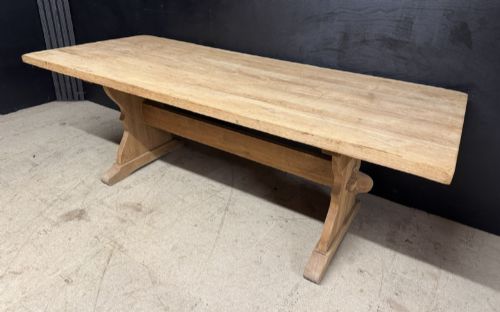
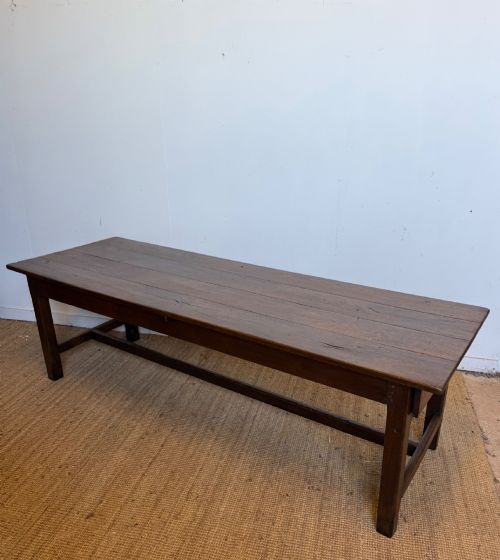
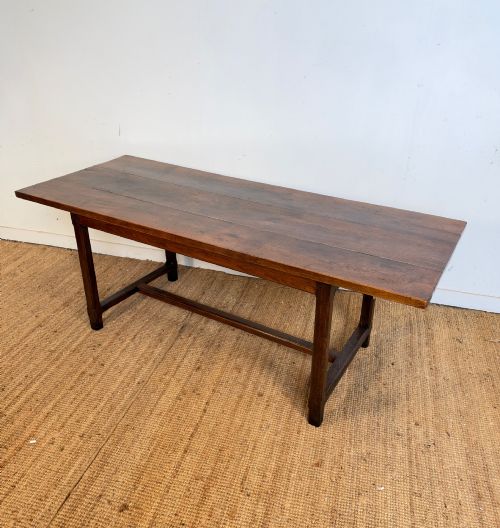
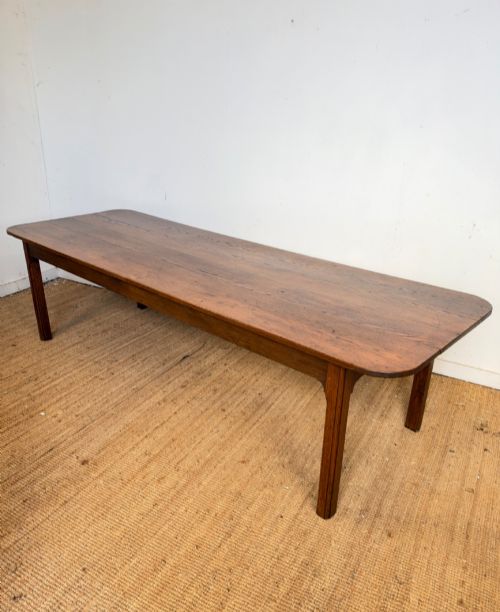
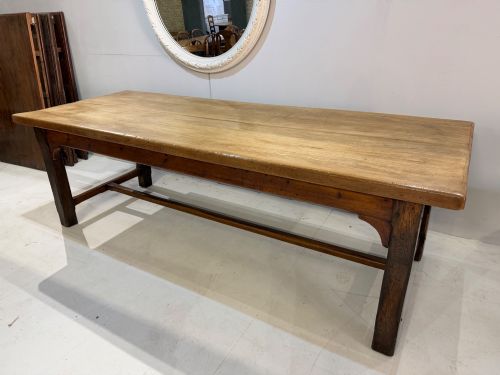
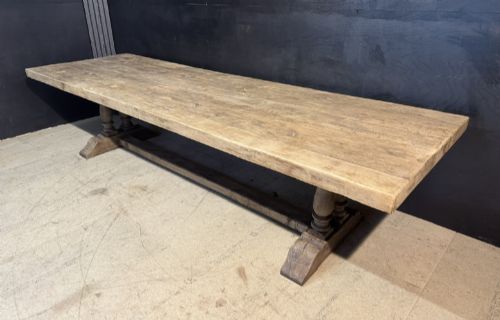
A wooden farmhouse dining table brings together utilitarian strength and domestic warmth, designed originally for the heart of the home. When you search for this phrase, you encounter large kitchen and dining boards meant to seat families and guests comfortably. The pieces seen here span centuries of daily use, offering generous proportions and sturdy construction.
You are most likely to meet examples fashioned from oak, pine, elm, or fruitwood. Styles range from French provincial and country designs to English Victorian pieces and refectory forms. These tables carry the marks of working kitchens and rural homes, showing timber chosen for resilience and longevity rather than mere decoration.
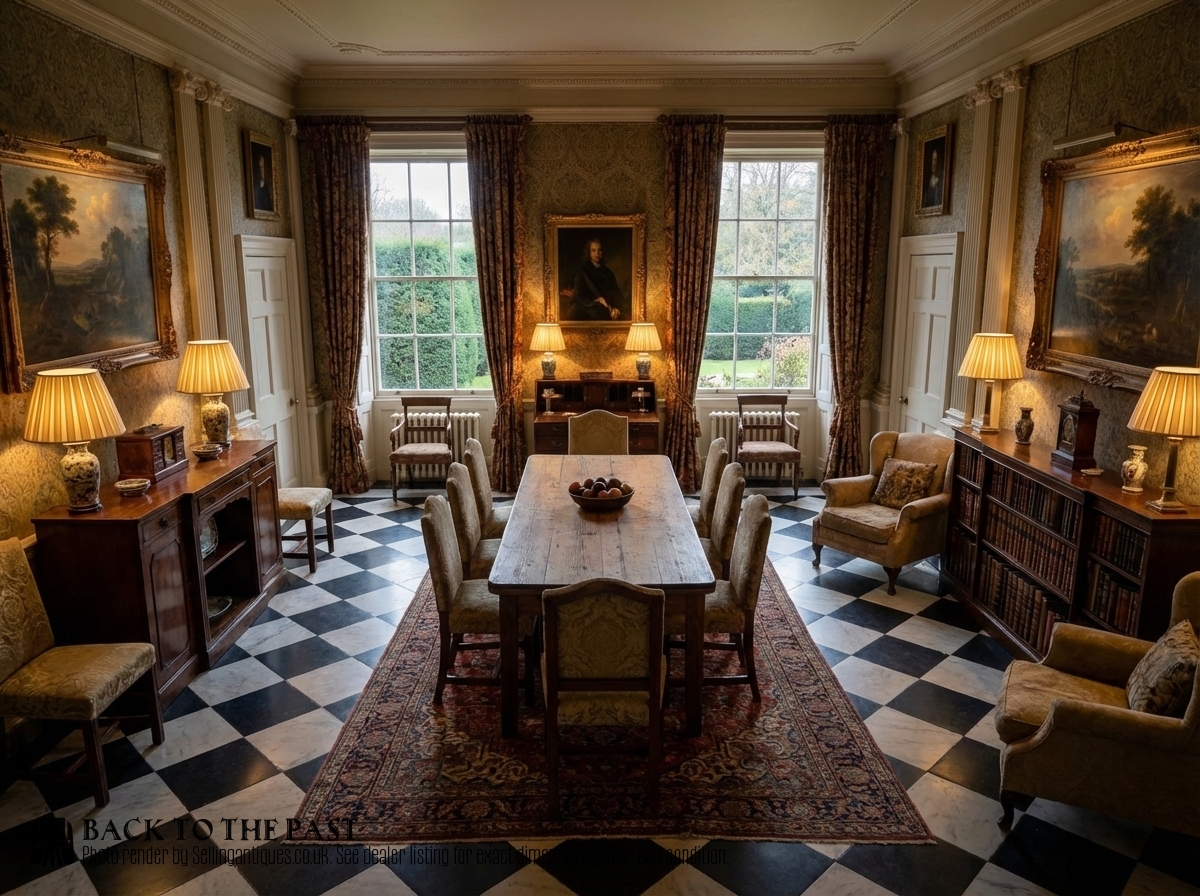
How they were made
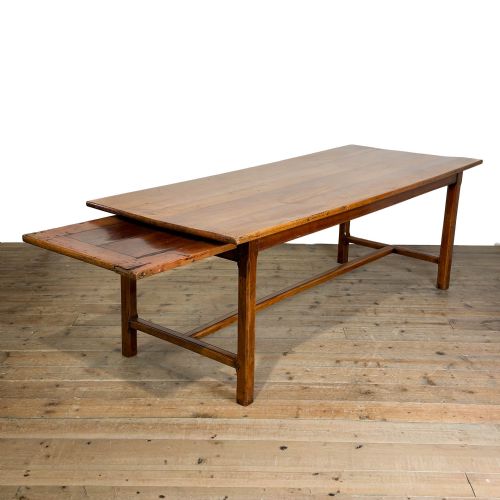
Makers constructed these tables using solid native timbers such as oak, pine, fruitwood, elm, and beech. Boards were often joined simply, sometimes utilising two-board tops or extended planks to create a generous surface for food preparation and communal meals.
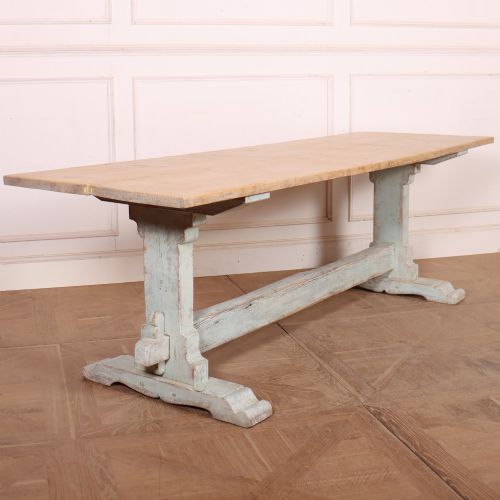
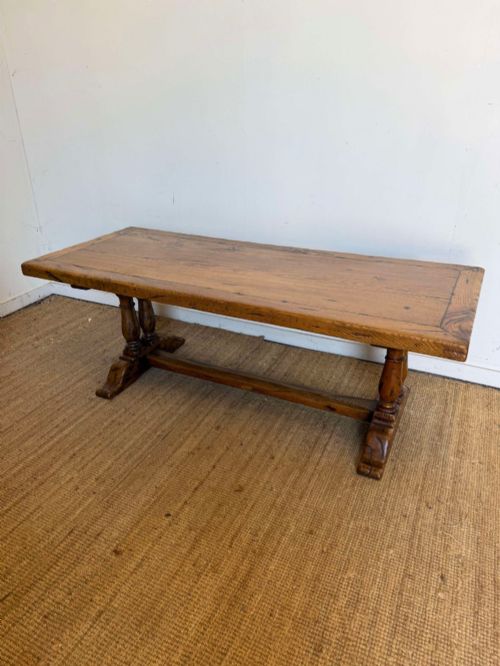
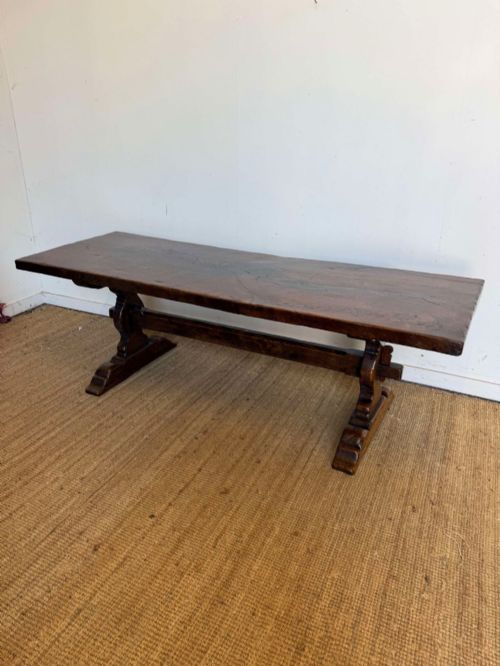
Leg supports varied from tapered and bobbin turned shapes to robust refectory bases and trestles. Joinery prioritized stability, accommodating the natural movement of large wooden planks over years of humidity and heavy use.
Wooden Farmhouse Dining Table Retail Price Guide 2026
Typical asking prices for wooden farmhouse dining table among the pieces listed under this phrase on Sellingantiques today, from the lower quarter to the upper quarter. They describe what is for sale here now, not the wider market.
Listings feature woods such as oak, pine, fruitwood, elm, beech, and cherrywood across various centuries.
What varies in quality
The character of the timber establishes the baseline for a table's distinction, separating dense native oaks and figured fruitwoods from utility softwoods. Grain patterns, depth of tone, and the choice of single or multi-board construction dictate visual weight.
Structural integrity and the preservation of original surfaces distinguish finer examples. Tables that retain their original patination and honest joints without excessive restoration carry greater authenticity than heavily altered pieces.
The Wooden Farmhouse Dining Table Glossary
- Refectory table
- A long narrow dining table traditionally used in monasteries and large halls. This form translates readily into farmhouse settings, offering substantial length and clear legroom.
- Fruitwood
- Timber derived from fruit-bearing trees such as cherry or pear. It provides a dense, fine-grained surface with warm colouration.
- Two board top
- A tabletop constructed from two wide planks joined lengthwise. This method showcases the width of mature trees used in earlier periods.
- Harvest table
- A long narrow table designed to accommodate seasonal farm labourers. These pieces often feature lightweight pine construction for ease of movement.
- Patina
- The surface sheen and colour developed through age, wax, and handling. It indicates decades of honest domestic use.
Wooden Farmhouse Dining Table: Frequently Asked Questions
How do I clean an antique wooden table?
Dust regularly with a dry soft cloth to remove grit that might scratch the surface.
Nourish the timber occasionally with a traditional beeswax polish, avoiding modern silicone sprays.
Are these tables suitable for daily family use?
These pieces were originally built for heavy domestic labour and daily meals, making them robust.
Using heat mats and coasters helps protect the historic finish from water rings and hot dishes.
How do I tell pine from oak tables?
Pine is a softwood with a lighter weight, softer grain, and often a paler or painted finish.
Oak is a heavy hardwood showing pronounced medullary rays and deep brownish tones.
What does refectory mean on a listing?
The term describes a long, narrow table format supported by stretchers or heavy legs.
This design allows diners to sit along the full length without obstruction from bulky corner legs.