
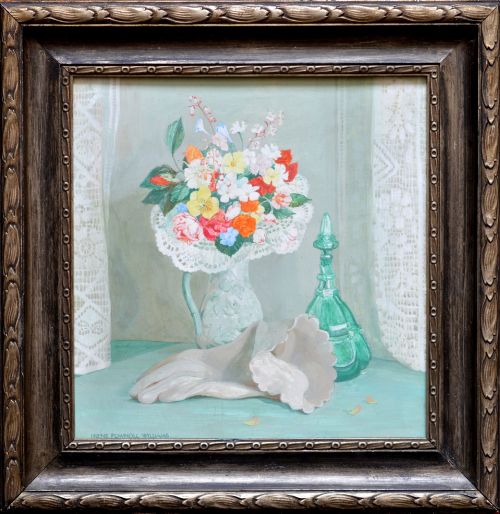
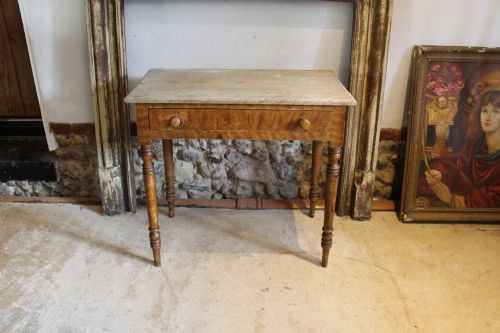

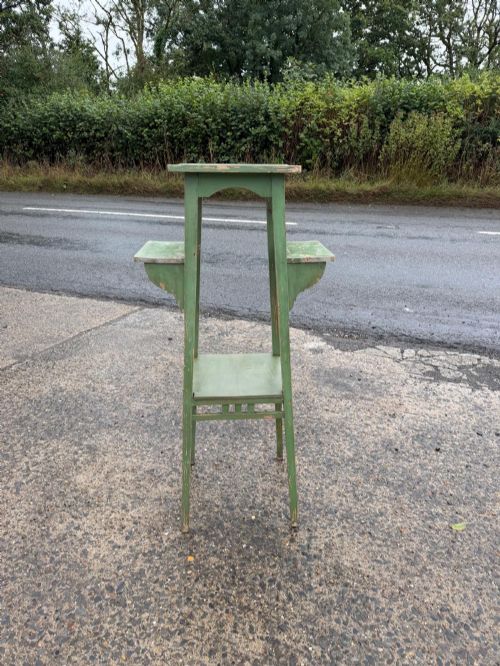
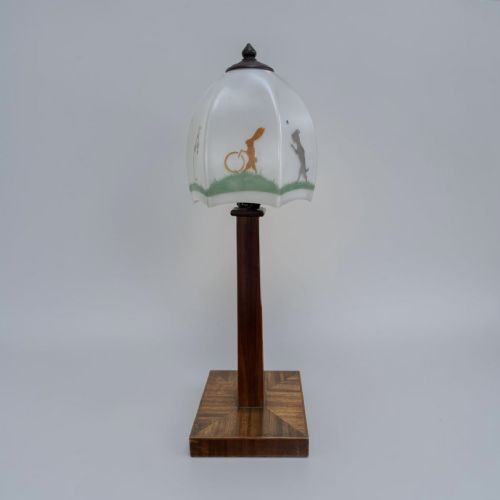

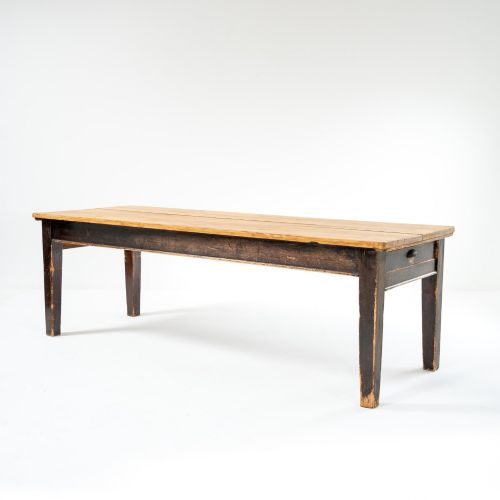
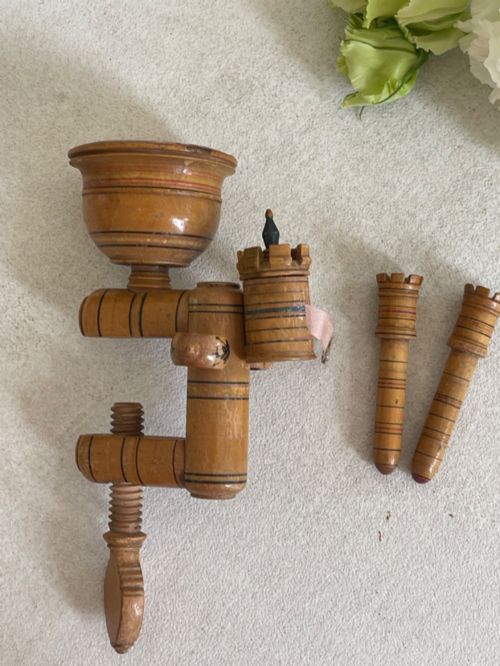
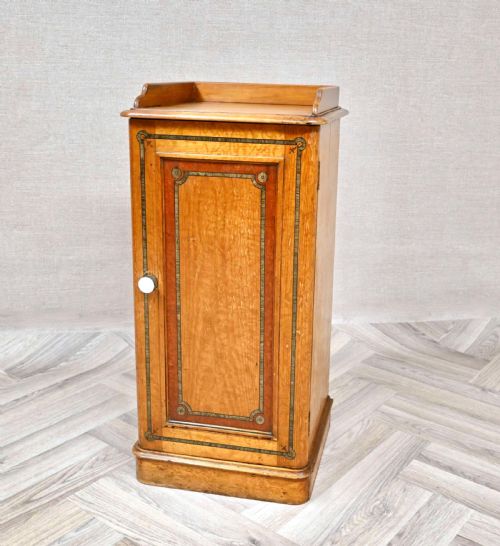
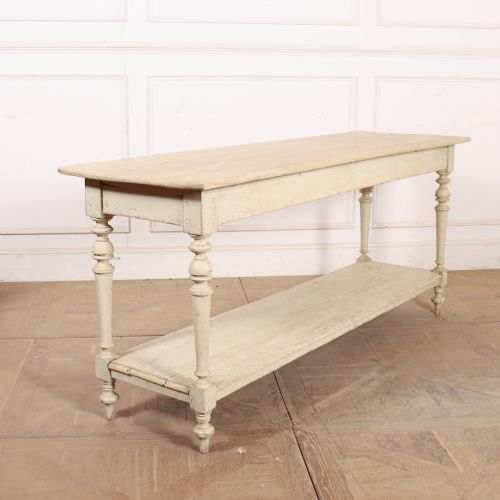
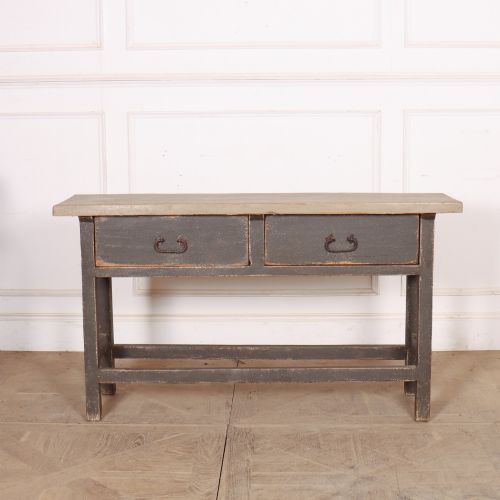
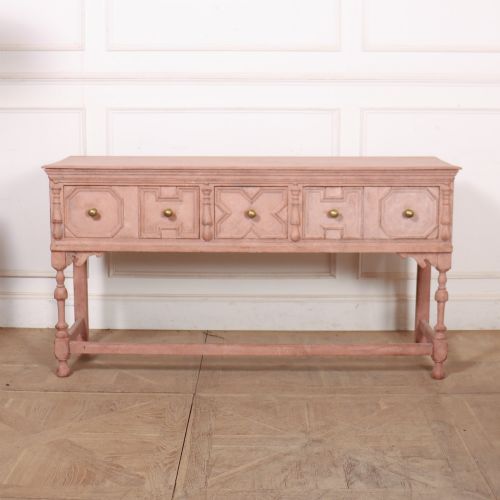
Vintage Painted Wooden Table
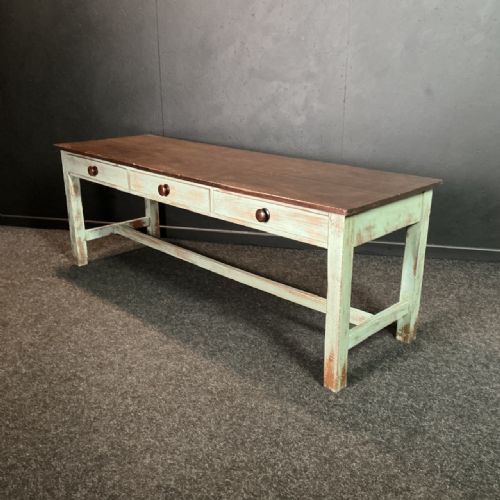
These vintage painted wooden table examples bring character and colour into a room through weathered surfaces and honest craftsmanship.
Vintage Painted Wooden Table
A vintage painted wooden table brings a distinct surface history into a room, carrying the marks of past decades through worn pigments and timber frames. When you search for a vintage painted wooden table, you encounter diverse forms ranging from compact side pieces to substantial kitchen and console tables.
The selection here draws on periods from the Georgian era through the Victorian period and into the early twentieth century, encompassing styles such as English Country, French Provincial, and Scandinavian Country.
Most pieces you meet on this page lean towards practical domestic furniture in pine, oak, and fruitwood, often coated in layers of historical paint that reveal their age and use.
Materials and construction
Makers built these tables primarily from accessible domestic timbers like pine and oak, relying on solid boards for table tops and sturdy framing for legs and aprons.
Surfaces received coats of oil- or water-based paint, sometimes finished with lacquer or scumble glazes to simulate more expensive woods or to provide hard-wearing colour.
Iron and brass fixings appear where hinges, drops, and brackets were needed to support drop-leaf mechanisms or drawers.
Several tables arrive with layers of old paint that stubbornly remember every kitchen supper from the reign of Victoria onward.
Assessing quality and finish
Quality rests heavily on the integrity of the original paint surface, where untouched layers and natural weathering hold more appeal than modern resprays.
Joinery standards dictate stability, separating utilitarian pieces hastily nailed together from those constructed with proper mortise and tenon joints.
Proportion and timber selection also play a part, as denser woods like oak and fruitwood endure heavier daily use better than softer deal.
The Vintage Painted Wooden Table Glossary
- Scumble
- A decorative painting technique involving layers of translucent glaze dragged over a paler base coat to create mottled or wood-grained effects. It gained popularity during the Victorian era for embellishing plain pine furniture.
- Dresser base
- A low, heavy sideboard or serving table featuring cupboards and drawers beneath a solid timber top. These items served busy kitchens and dining rooms.
- Console table
- A wall-mounted or freestanding table designed to stand flat against a vertical surface. They often feature decorative carving or painted finishes suitable for hallways.
- Cricket table
- A small, lightweight three-legged table with a round top, traditionally balanced on uneven flagged floors. The three-legged design prevents rocking.
- Potboard
- An open slatted lower shelf fitted between the legs of a dresser base or server. It provided ventilation for storing heavy kitchen pottery.
Vintage Painted Wooden Table: Frequently Asked Questions
How do I clean a painted wooden table?
Dust the surface regularly with a soft, dry cloth to prevent grit accumulation.
Avoid chemical sprays or excessive water, which can soften fragile historic paint layers.
Are these tables suitable for daily dining?
Sturdier harvest and kitchen tables handle regular meals well, provided you use protective mats.
Softer pine or antique pieces with delicate painted surfaces require more care against scratches and spills.
How can I tell original paint from later coats?
Original paint shows natural crazing, uniform wear patterns, and subtle craquelure accumulated over decades.
Under magnification, older surfaces reveal multiple underlying pigment layers rather than a flat, modern emulsion.
Where did English country style tables originate?
They emerged from rural farmhouses and cottages where local carpenters built functional furniture using available timber.
Parks and estates also commissioned utilitarian pieces for staff quarters and dairies.