




Swedish Blue Side Table
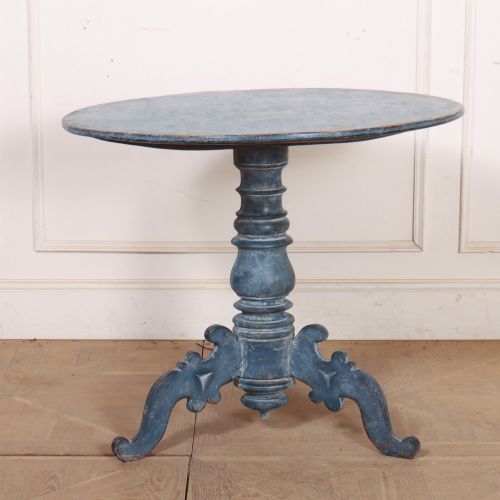
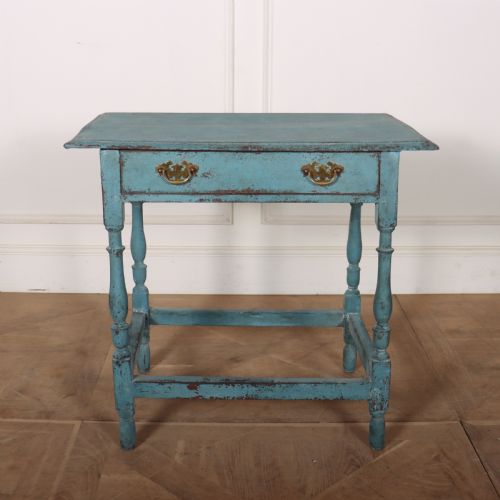
These pieces are a Swedish blue side table, bringing painted pine and traditional Scandinavian style into a room.
Swedish Blue Side Table
A swedish blue side table bridges the gap between functional surface and regional folk tradition. You encounter pieces spanning the eighteenth century through to the early twentieth century, taking the form of lamp tables, occasional tables, consoles, and bakers tables.
The aesthetic draws heavily on Gustavian elegance, Scandinavian country, and rustic folk art traditions. Most examples you meet on this page are constructed from pine, displaying the distinct blue surface treatments characteristic of the region.
Forms range from simple rustic country workbenches to refined lamp and occasional tables. The geographical origins are firmly rooted in Swedish workshops, utilising locally sourced softwoods finished with traditional paint.
Materials and construction
Carpenters relied primarily on pine and painted timber for the structural framework of these tables. Timbers were joined using traditional methods suited to softwood construction, ensuring stability across centuries of use.
Surfaces received layers of paint, often in blue hues, applied over wood or tree bark elements. This painted finish serves both as a decorative choice and a protective layer for the underlying timber.
Markers of distinction
Quality rests in the integrity of the original paint surface and the honesty of the pine construction. Tables retaining their early or original painted finishes command closer attention from collectors seeking authentic regional character.
The balance of proportions between the top and the supporting legs dictates the visual success of each piece. Finer examples display thoughtful joinery and harmonious proportions that elevate them above utilitarian work tables.
The Swedish Blue Side Table Glossary
- Gustavian
- A Swedish neoclassical style originating in the late eighteenth century, characterised by lighter proportions and restrained ornamentation. It influences many painted occasional and side tables from the region.
- Pine
- A softwood commonly utilised in Scandinavian furniture making due to its availability and workability. It forms the primary substrate for painted country tables.
- Console table
- A table designed to stand against a wall, frequently featuring a narrow profile suitable for hallways or side rooms. Examples appear in folk-made and rustic variations.
- Occasional table
- A smaller, movable table intended for specific, intermittent use within a room. These pieces often serve as lamp tables or convenient display surfaces.
Swedish Blue Side Table: Frequently Asked Questions
How do I date these painted tables?
Dating relies on observing construction techniques, tool marks, and the wear patterns on the pine timber. Earlier pieces from the eighteenth century often show hand-planed surfaces and distinct joinery methods compared to later nineteenth-century examples.
Paint analysis also assists in establishing age, as pigment compositions and application methods evolved from the Gustavian period into the early twentieth century. Comparing the structural form against documented styles helps narrow the timeframe.
Where were these tables used?
Historically, these tables functioned as everyday utility pieces in Scandinavian homes, serving as work surfaces, bakers tables, or bedside stands. Their modest scale allowed them to move easily between rooms as needed.
Today, buyers place them in living rooms as lamp tables or in hallways as console surfaces. Their compact footprints make them adaptable to contemporary interior layouts.
How do I care for original paint?
Preserving original painted surfaces requires maintaining stable indoor humidity and avoiding harsh chemical cleaners. Dusting gently with a dry or slightly damp cloth protects the delicate layers of historic pigment.
Keep these tables away from direct sunlight and excessive heat sources to prevent the pine from warping and the paint from flaking. Gentle handling ensures the surface finish survives for future generations.