



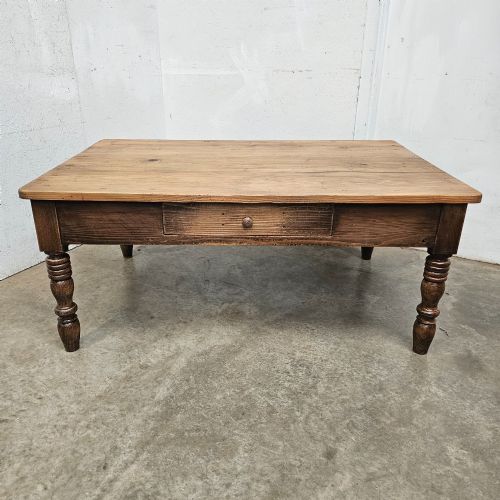
Antique Wooden Drawer Table
An antique wooden drawer table brings warmth and utility to a room, offering practical storage alongside period character.
Antique Wooden Drawer Table
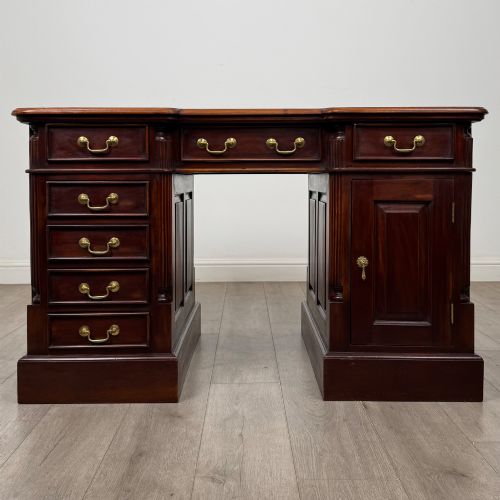
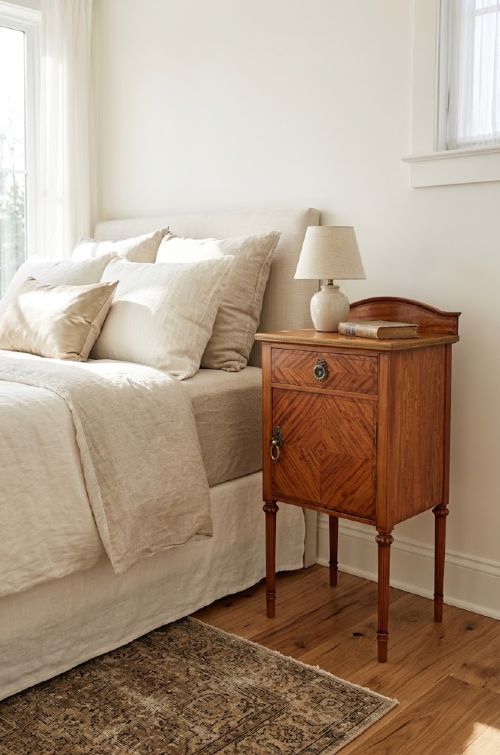
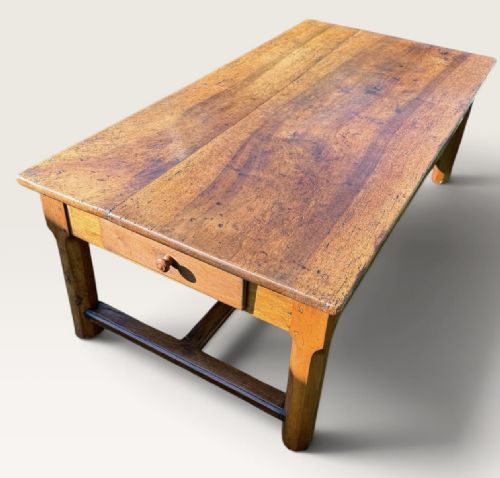
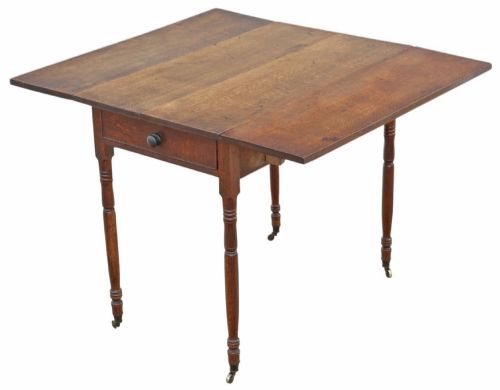
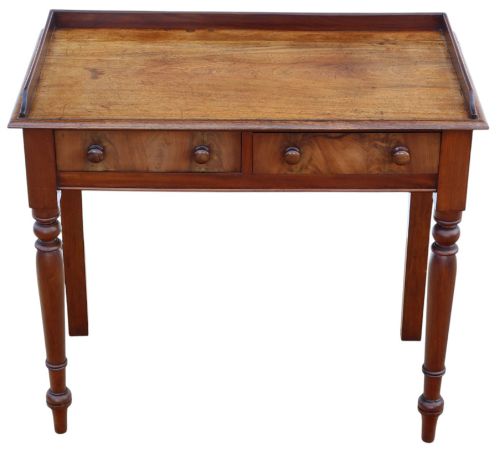
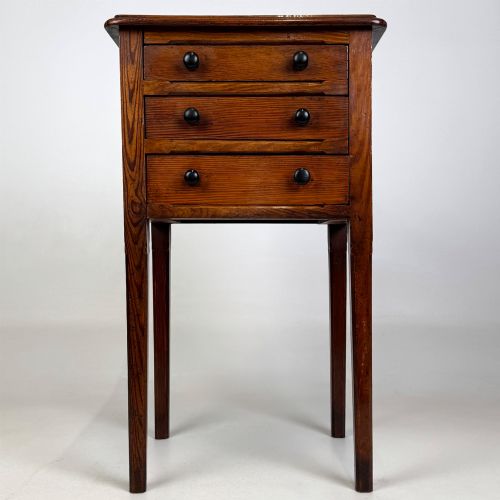
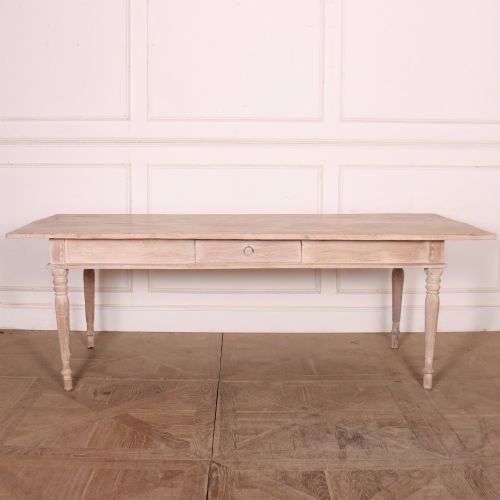
An antique wooden drawer table is a functional domestic piece designed for writing, bedside use, dining or general storage, spanning periods from the Georgian era through to the Edwardian years. Buyers searching for an antique wooden drawer table will encounter formats ranging from compact side tables and writing desks to larger farmhouse dining tables.
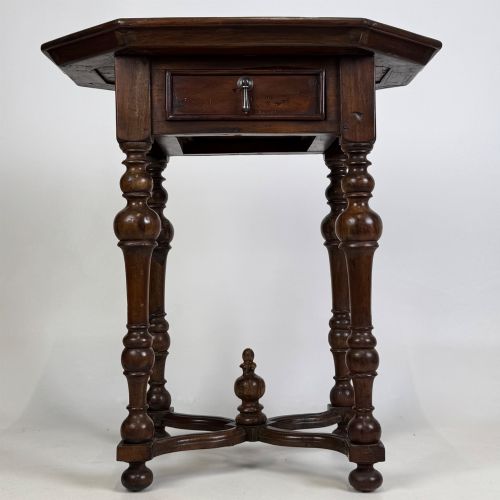
The selections span styles such as Victorian, Georgian, Rustic Farmhouse and Edwardian, reflecting the diverse domestic needs of past centuries. Many examples incorporate single or multiple drawers alongside turned legs, drop-leaf mechanisms or pedestal bases.
Materials and construction
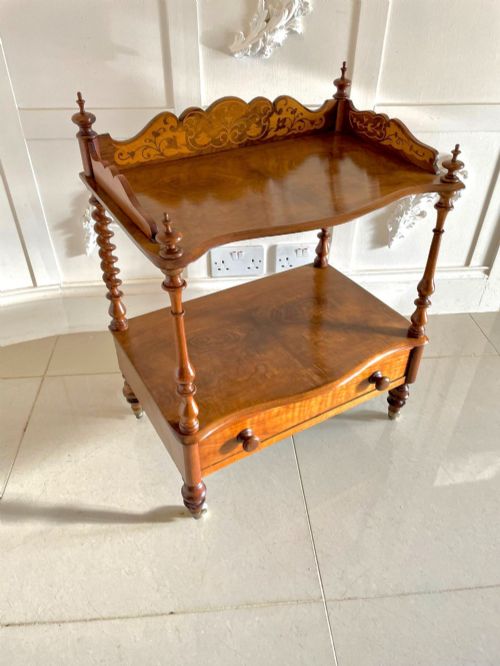
Cabinet makers utilised a variety of dense hardwoods and softwoods, including mahogany, walnut, oak, elm, pine and pitch pine. Burr walnut and flame mahogany veneers frequently appear on finer items, providing distinctive grain patterns across table tops and drawer fronts.
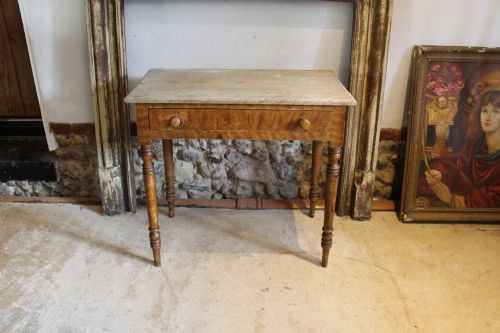
Joinery techniques relied on traditional methods suited to the timber used, alongside brass hardware for handles and drawer pulls. Painted finishes such as scumble work also occur, demonstrating surface decoration applied directly to the wood.
Listings feature items built from mahogany, walnut, oak, pine, elm and ash across Victorian, Georgian and Edwardian periods.
Factors of quality
Quality rests upon the choice of timber and the preservation of original surfaces, where figured grains and natural patination elevate a piece. Superior examples display precise joinery and matching drawer linings that remain structurally sound over generations.
The integration of brass handles, decorative inlay work and the retention of original paint or wax finishes differentiate standard utility items from finer parlour or library tables.
The Antique Wooden Drawer Table Glossary
- Drop-leaf
- A table with hinged flaps on either side that can be folded down to save space or raised up to extend the surface area.
- Pembroke
- A small rectangular table featuring two hinged drop leaves and typically one or more drawers.
- Pedestal desk
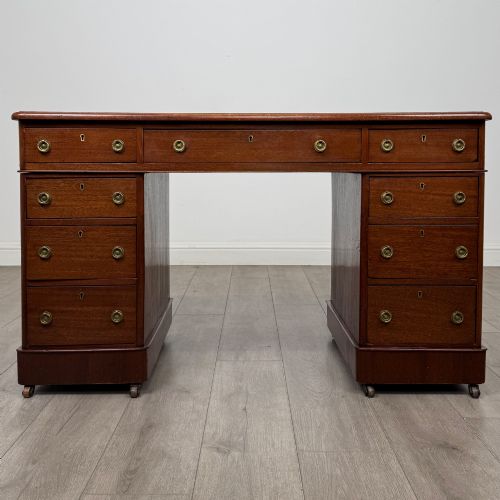
- A heavy freestanding writing table supported by two pillars or stacks of drawers.
- Scumble
- A decorative painting technique used to imitate the grain of more expensive woods over a cheaper softwood base.
Antique Wooden Drawer Table: Frequently Asked Questions
How do I date an antique wooden drawer table?
Dating relies on observing the timber species, construction joints, hardware styles and overall aesthetic characteristics. Examining drawer dovetails and timber seasoning helps determine whether a piece originates from the Georgian, Victorian or Edwardian eras.
Comparing the secondary woods used inside the drawers alongside stylistic markers provides further clues to the manufacturing decade.
Where should I place an antique wooden drawer table?
These tables adapt easily to various rooms, serving as bedside storage, hallway surfaces or compact writing desks in a study. Smaller side tables fit well beside seating areas while larger tables function effectively in dining spaces.
Placement should avoid direct sunlight and extreme temperature fluctuations to protect the timber and historic finishes.
How do I care for wooden antique tables?
Routine maintenance involves dusting with a dry or slightly damp cloth, followed by occasional application of quality beeswax to nourish the wood. Avoiding excessive moisture and using coasters helps preserve the historic polish.
Harsh chemical cleaners should be avoided entirely to prevent stripping the natural patination built up over centuries.
What is the difference between side tables and writing tables?
Side tables are generally designed for display and general placement against walls, featuring lighter construction and occasional drawer storage. Writing tables and desks prioritise workspace functionality, often incorporating deeper drawers and kneehole spaces.
Desk surfaces frequently show heavier utility use, whereas side tables tend to exhibit more decorative timber work.