
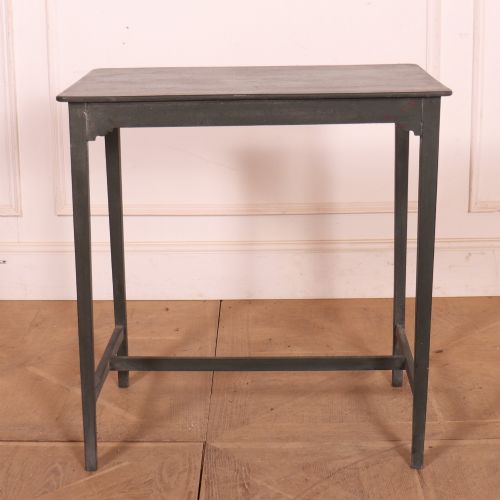


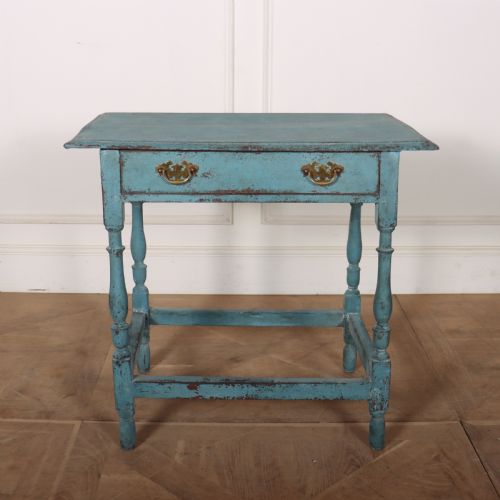


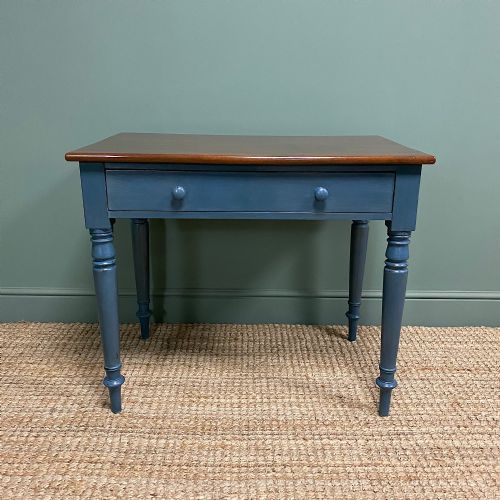
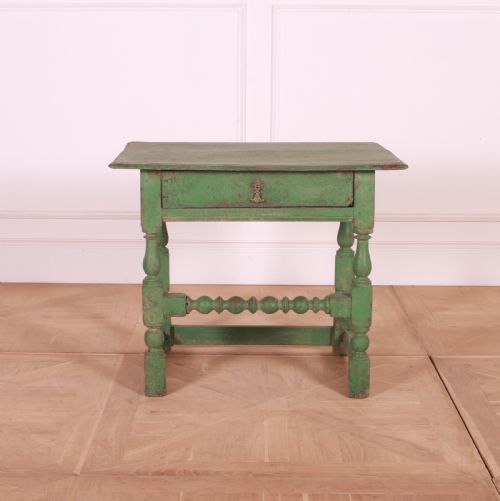

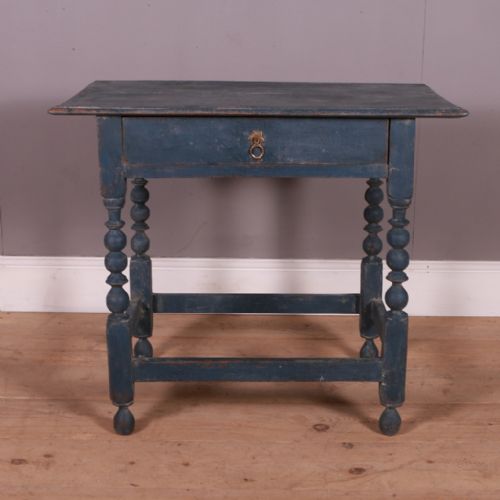
Georgian Painted End Table
A georgian painted end table brings charm to a corner, offering a compact surface layered with history and decorative pigment.
Georgian Painted End Table
When you search for a georgian painted end table, you encounter practical occasional surfaces designed for placement beside seating or against walls. The listings span 18th Century, 19th Century, and 1920 examples, alongside items dated specifically to 1890 and 1920. Forms here appear primarily as side tables, lamp tables, console tables, and dropleaf lamp tables.
The versions you are most likely to meet on this page hail from English country traditions, displaying straightforward proportions suited to domestic use. Alongside standard side tables, the selection includes matched pairs and console tables featuring distinctive D end shapes. These pieces bridge the gap between utilitarian furniture and decorative art through the application of historic surface colour.
How they were made
Cabinetmakers constructed these tables using native timbers such as oak, pine, and general wood substrates, frequently finishing the exterior with pigment or lacquer. The evidence records painted wood, painted oak, and lacquered wood surfaces, often paired with brass hardware components.
The application of paint ranged from simple protective coats to intricate decorative schemes. Chinoiserie examples demonstrate specialised ornamental painting techniques inspired by eastern motifs, applied over prepared wooden bases.
Listings span the 18th and 19th centuries alongside pieces from 1890 and 1920, utilising oak, pine, brass, and lacquered wood.
What varies in quality
The standard of these pieces rests upon the integrity of the timber framework and the sophistication of the decorative surface. Tables constructed from solid oak or pine possess structural longevity that simpler utility pieces lack.
The artistry applied to the painted or lacquered finish dictates the visual hierarchy of the range. Executions featuring detailed Chinoiserie work or balanced proportions command greater attention than utilitarian surfaces with straightforward coats of paint.
The Georgian Painted End Table Glossary
- Dropleaf lamp table
- A small occasional table featuring hinged flaps that fold down to save space when not in use. These versatile surfaces fit easily beside chairs.
- Chinoiserie
- A European decorative style reflecting Chinese artistic influences, typically characterised by motifs of figures, landscapes, and pavilions. This technique appeared on furniture surfaces through painted or lacquered decoration.
- Console table
- A table designed to stand against a wall, frequently supported by brackets or legs rather than a full four-legged freestanding frame. They often feature curved D end shapes.
- Lamp table
- A low occasional table specifically proportioned to hold a lighting fixture beside seating. They provide a sturdy surface at a convenient height.
Georgian Painted End Table: Frequently Asked Questions
Where should I place an end table?
These pieces suit positions beside armchairs, sofas, or in narrow hallways where surface space is required without blocking passage.
Their compact dimensions allow them to function effectively as bedside tables or decorative accent points in reception rooms.
How do I care for painted wood?
Protect painted and lacquered surfaces by keeping them away from direct sunlight and excessive moisture. Dust gently with a dry, soft cloth rather than using harsh chemical cleaning products.
Use coasters beneath cups and glasses to prevent rings from forming on the historic finish.
How do I identify country styles?
Country furniture typically displays simpler construction methods and utilitarian timbers like pine and oak compared to formal urban pieces. The decorative schemes rely on charming painted finishes rather than intricate mahogany veneers.
These items reflect regional domestic traditions rather than court fashions.