
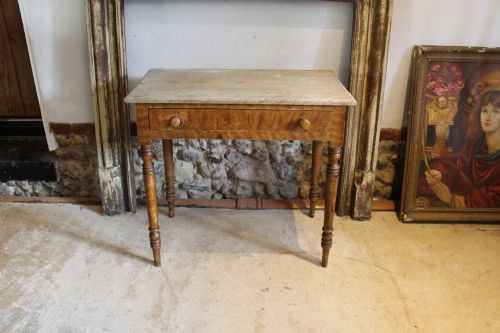

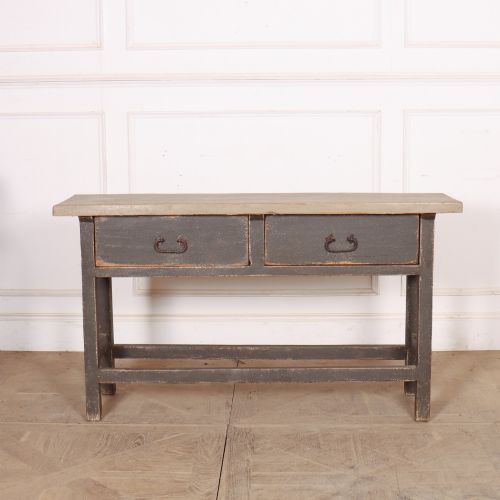
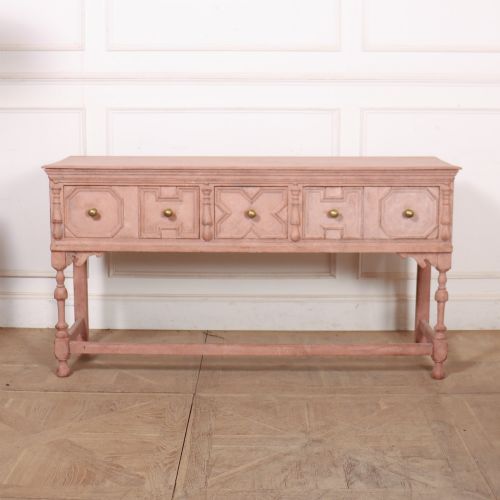
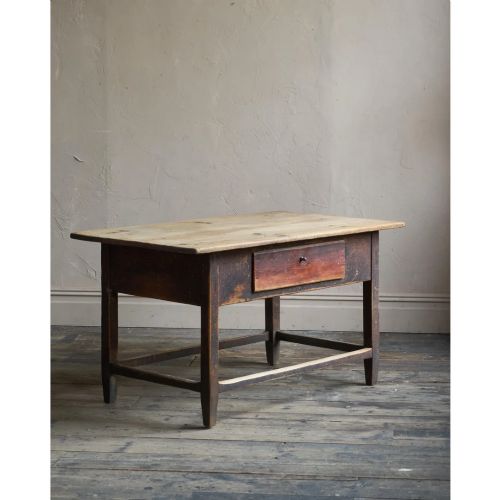

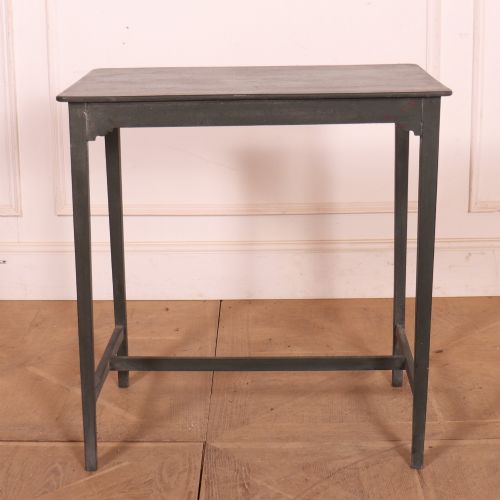

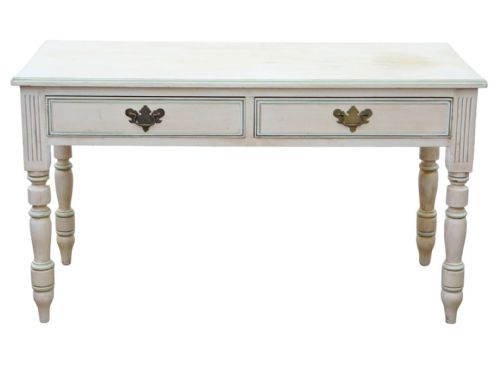
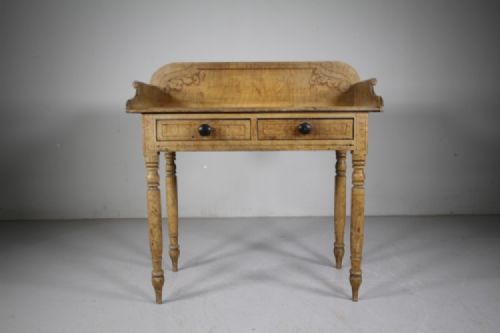


Rustic Painted Hall Table
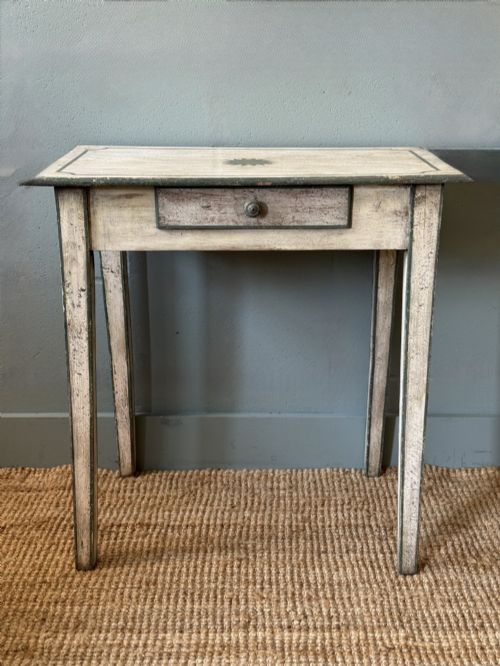
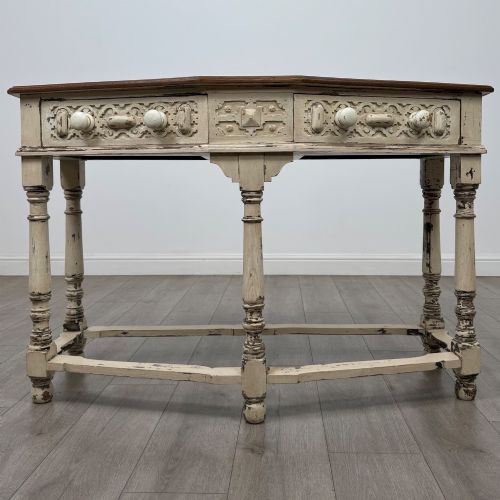
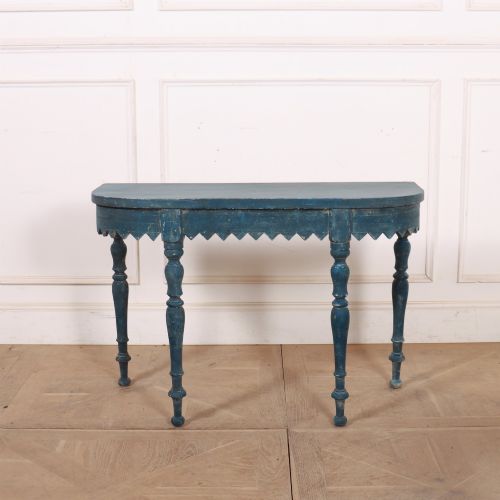
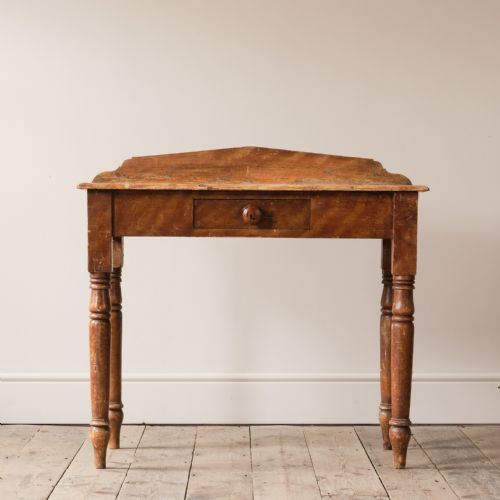
A rustic painted hall table brings practical surface space and country character to an entrance, crafted in pine, oak or fruitwood.
Rustic Painted Hall Table
A rustic painted hall table serves as a narrow surface for an entrance, hallway or corridor, designed to hold letters, lamps or small items without blocking a pathway. When exploring this selection of rustic painted hall table options, buyers encounter forms ranging from simple side tables and console tables to dresser bases and washstands.
The pieces hail from periods spanning the eighteenth century, the nineteenth century and the early twentieth century, encompassing Victorian and Edwardian examples. Styles lean towards English country, rustic farmhouse, Scandinavian country and French provincial aesthetics.
Pine and painted wood dominate the listings, frequently displaying original paint finishes or scumble effects. Dimensions tend to be compact, with narrow proportions suited to transitional spaces.
Materials and Construction
Makers utilised solid timbers such as pine, oak, fruitwood and mahogany for the foundational structure of these tables. Joinery relied on traditional methods appropriate for domestic furniture of the eighteenth and nineteenth centuries.
Surfaces received layers of paint, sometimes applied over older schemes to yield a textured, aged finish. Brass hardware occasionally appeared on drawers, whilst marble tops featured on specific washstand variants.
Rustic Painted Hall Table Retail Price Guide 2026
Typical asking prices for rustic painted hall table among the pieces listed under this phrase on Sellingantiques today, from the lower quarter to the upper quarter. They describe what is for sale here now, not the wider market.
Several tables retain generations of scuff marks on their box stretchers where muddy boots rested after long walks across country estates.
Assessing Quality and Finish
Quality rests significantly on the integrity of the surface treatment, distinguishing pieces with original or early paint layers from those subjected to modern re-painting. The survival of period characteristics, such as authentic scumble effects or historic wear, elevates a piece.
Structural stability and timber selection also divide the range, with dense native pine or figured oak outperforming lesser utility woods. Subtle details like box stretchers, dovetail drawers and untouched patination mark out superior examples.
The Rustic Painted Hall Table Glossary
- Scumble
- A decorative painting technique where a translucent glaze is dragged over a base coat to simulate wood grain or create mottled texture. It appears frequently on nineteenth-century country furniture.
- Potboard
- An open lower shelf fitted between the legs of a dresser base or serving table. Historically, it held heavy earthenware and kitchen pots.
- Console table
- A table designed to stand against a wall, often supported by brackets or legs at the front. These pieces suit narrow hallways where floor space is limited.
- Washstand
- A bedroom or dressing table fitted with a marble or timber top designed to hold a basin and jug. Many surviving examples have been repurposed for hall use.
- Box stretcher
- Intersecting wooden rails joining the lower legs of a table to provide rigidity. They reinforce the frame and often show characteristic wear from footwear.
Rustic Painted Hall Table: Frequently Asked Questions
What is a rustic painted hall table?
A rustic painted hall table is a narrow utility surface designed for entryways and corridors, combining practical storage with country decorative charm.
These pieces typically manifest as side tables, console tables or small servers finished in historic paint.
How do I style a hall table?
Place the table flat against an entryway wall to provide a landing spot for keys, post and small decorative lamps.
Pair it with a mirror or simple artwork above to anchor the furniture within the hallway space.
Are these tables original antiques?
The selection spans authentic eighteenth, nineteenth and early twentieth-century items originating from English, French and Scandinavian workshops.
Many retain their original painted surfaces or historic patination accrued over decades of domestic use.
Which woods were used?
Makers constructed these tables primarily using native softwoods like pine alongside hardwoods such as oak and fruitwood.
Surfaces were then painted, bleached or polished depending on the regional style and period fashion.