



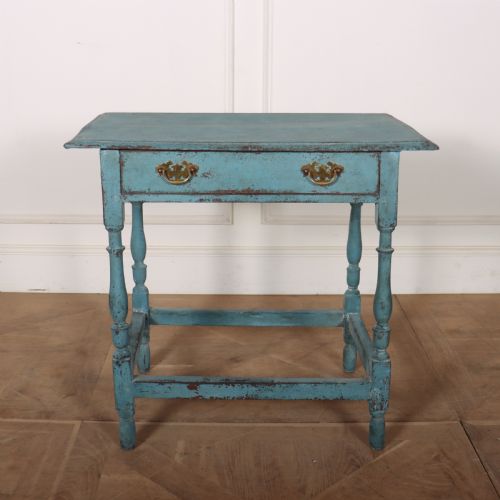

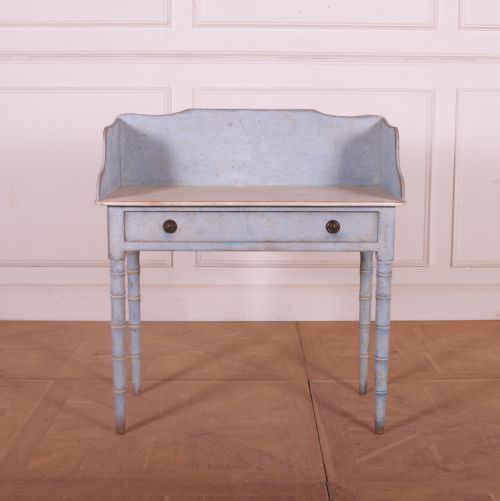


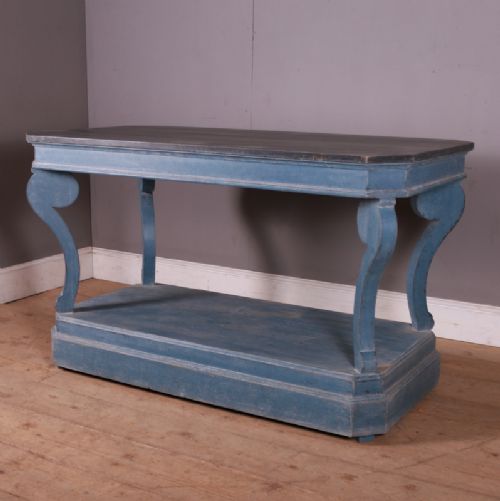
Antique Blue Hall Table
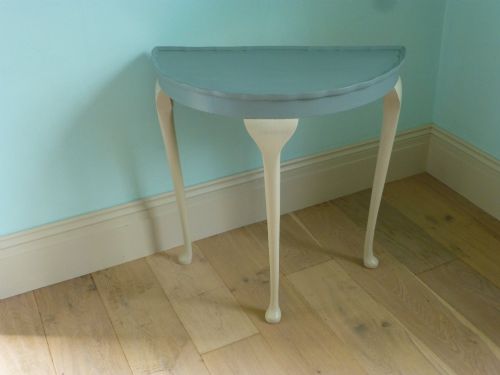
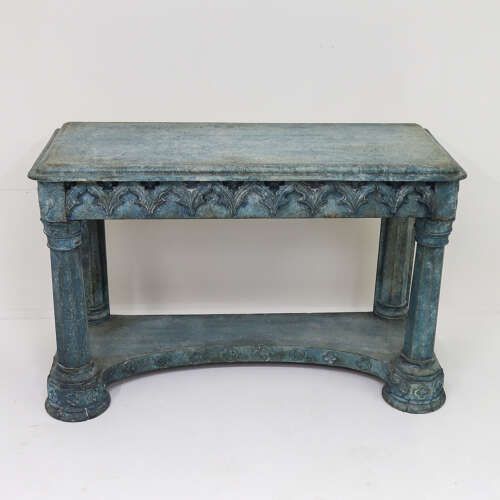
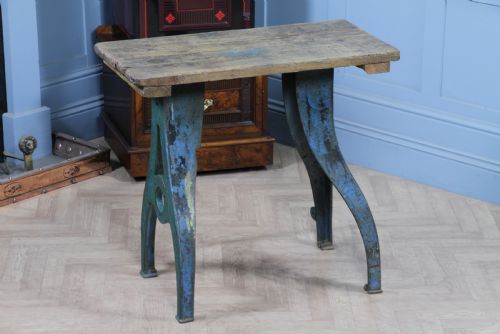
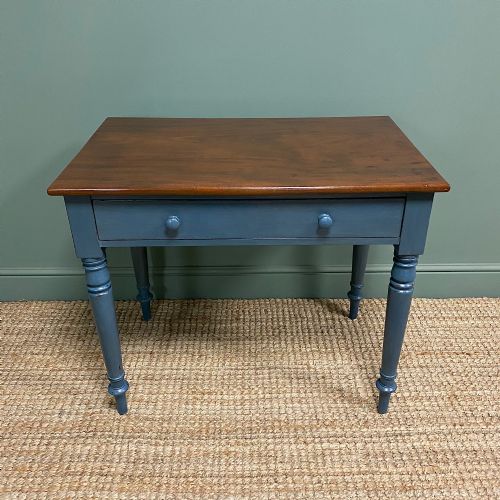
An antique blue hall table brings functional surface space and decorative colour to an entranceway, drawing on centuries of regional cabinet-making traditions.
Antique Blue Hall Table
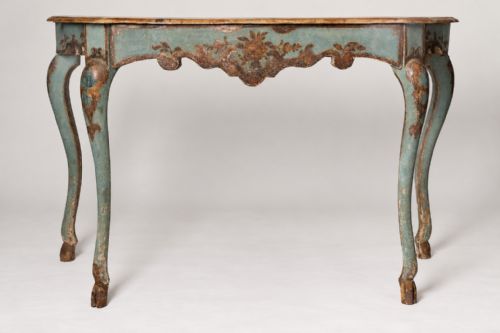
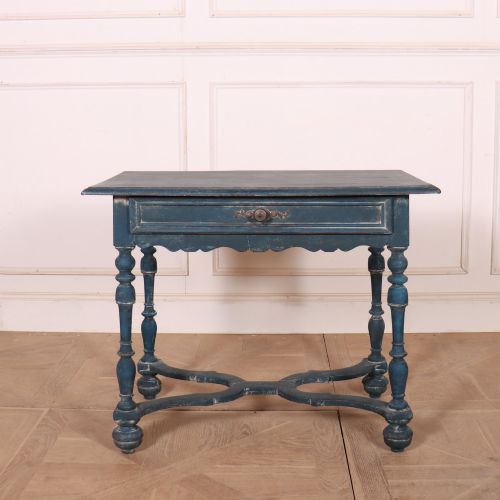
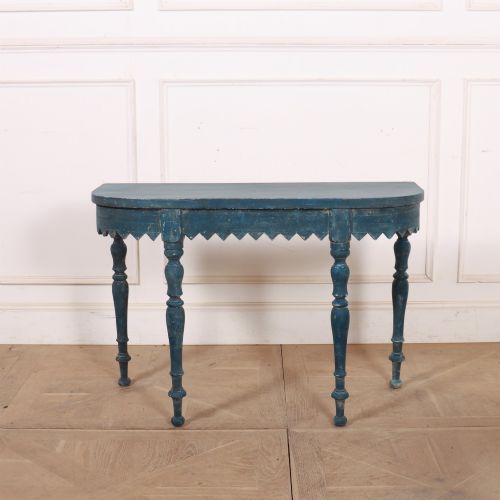
When searching for an antique blue hall table, buyers encounter a diverse selection of console tables, side tables, and washstands that serve as narrow furniture for entrance spaces. These pieces span periods from the eighteenth century through to the early twentieth century, including Georgian, Victorian, and Edwardian examples.
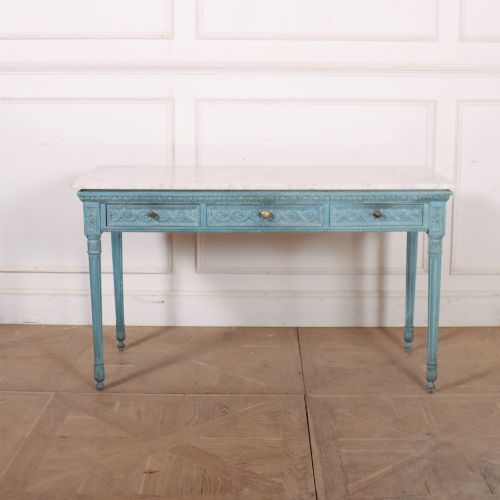
The assortment on this page is dominated by console tables and side tables shaped by English country, French provincial, and rustic farmhouse styles. Makers from various European regions adapted these forms for hallways, utilising painted wood and timber bases often paired with marble tops.
How they were made
Cabinet-makers constructed these tables primarily using solid timber and pine, shaping structures with traditional joinery before applying paint finishes. Many examples incorporate decorative elements such as brass fixtures and marble inserts fitted to the upper surfaces.
Surface treatments rely on layered paint, which defines the appearance of pieces ranging from folk-made Swedish items to Gothic revival consoles. The combination of structural woodwork and applied colour gives each table its distinct character.
Antique Blue Hall Table Retail Price Guide 2026
Typical asking prices for blue hall table among the pieces listed under this phrase on Sellingantiques today, from the lower quarter to the upper quarter. They describe what is for sale here now, not the wider market.
Some tables crossed borders before reaching the hallway, carrying layers of Swedish folk paint or Italian carving through quiet country houses.
What varies in quality
Quality across these tables depends on the execution of the woodwork and the integrity of the painted finish. Superior pieces exhibit refined proportions, such as well-balanced bow ends or serpentine fronts, alongside harmonious integration of secondary materials like marble.
The distinction between standard utility items and finer pieces lies in the subtlety of the surface decoration and the soundness of the underlying timber frame. Finer examples display deliberate styling, from Italian neoclassical lines to restrained English country proportions.
The Antique Blue Hall Table Glossary
- Console table
- A table designed to be fixed against a wall, often supported by two or four legs. These narrow tables suit hallways and reception spaces.
- Washstand
- A piece of furniture originally made to hold a washbasin and pitcher, frequently fitted with a marble top or a tray back. They now function well as narrow hall tables.
- Gueridon
- A small French table, often round, supported by a central column or multiple legs. They appear in various painted finishes.
- Dresser base
- The lower section of a traditional dresser featuring drawers and cupboards. These sturdy pieces provide substantial surface and storage space in an entrance.
Antique Blue Hall Table: Frequently Asked Questions
Where should I place a hall table?
A hall table fits naturally against an empty wall in an entranceway or corridor where surface space is needed without blocking foot traffic.
Its narrow profile allows it to hold small everyday items while establishing a decorative focal point as you enter the home.
How do I clean a painted wooden table?
Dust the surface regularly with a soft, dry cloth to prevent the accumulation of grit that can scratch the painted finish.
Avoid harsh chemical cleaners and excessive moisture, which can damage historic paint layers and underlying timber.
What is the difference between a console and a side table?
A console table is traditionally designed to stand against a wall, sometimes requiring fastening for complete stability.
A side table is a freestanding piece that can be moved easily around a room or positioned beside other furniture.
How do I identify a Georgian hall table?
Georgian pieces typically exhibit restrained proportions, classical geometric lines, and traditional timber construction reflecting eighteenth-century design standards.
Look for hand-finished details and structural joinery characteristic of the period before mass production.