


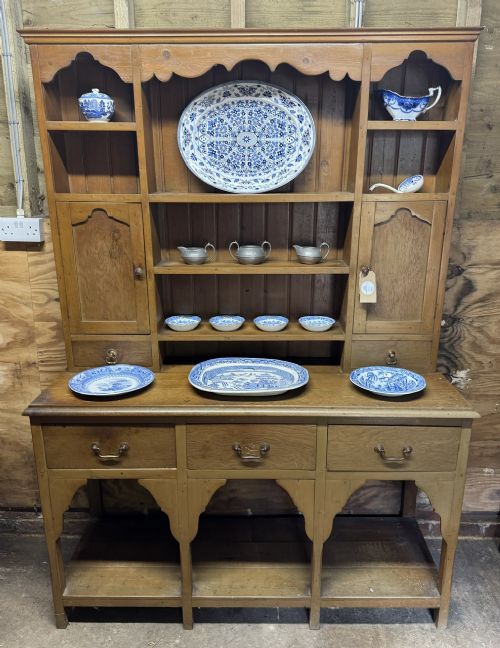
Georgian Country Dresser
A georgian country dresser brings domestic history into a modern interior with honest materials and practical storage.
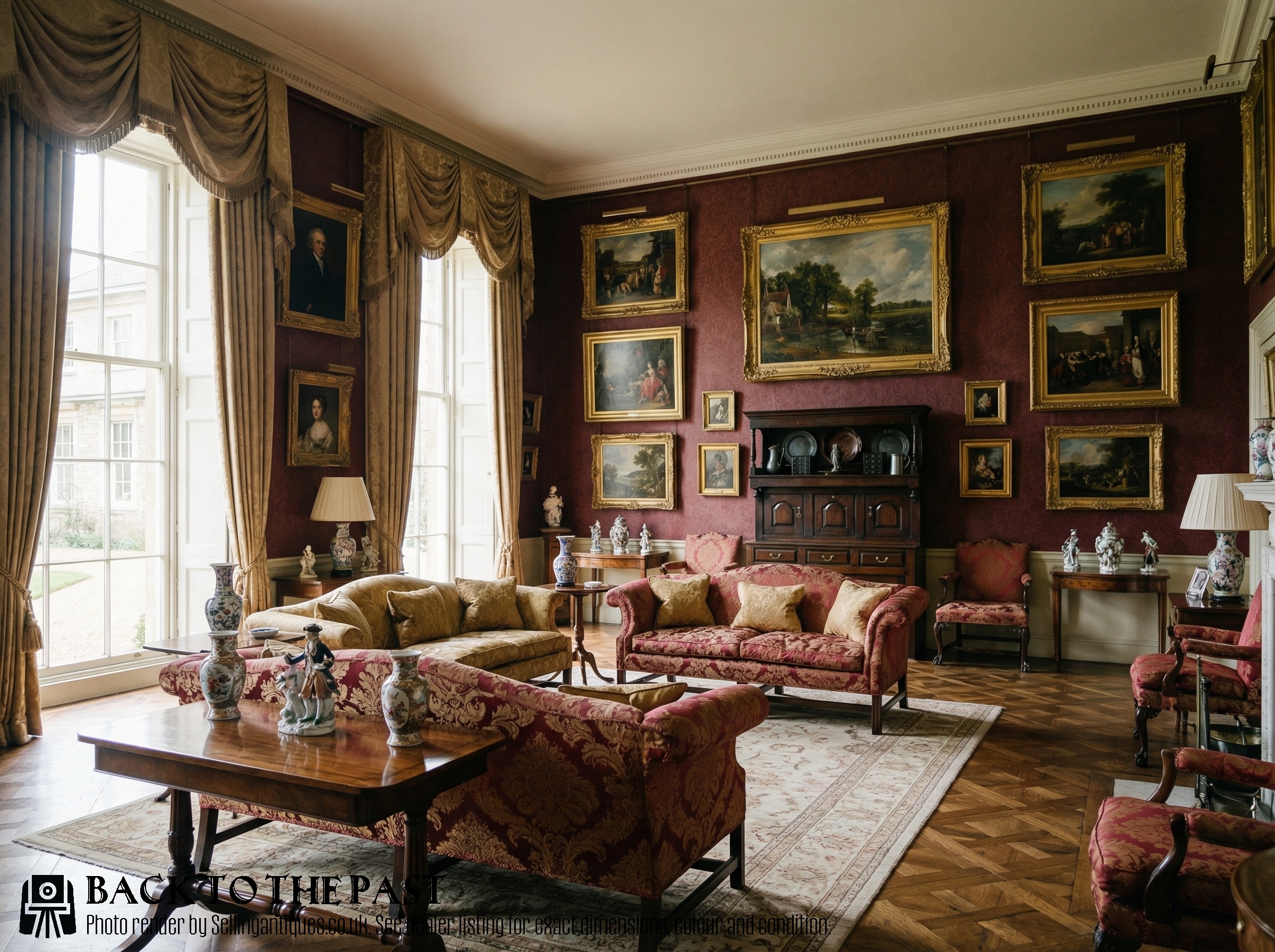
The Georgian Country Dresser
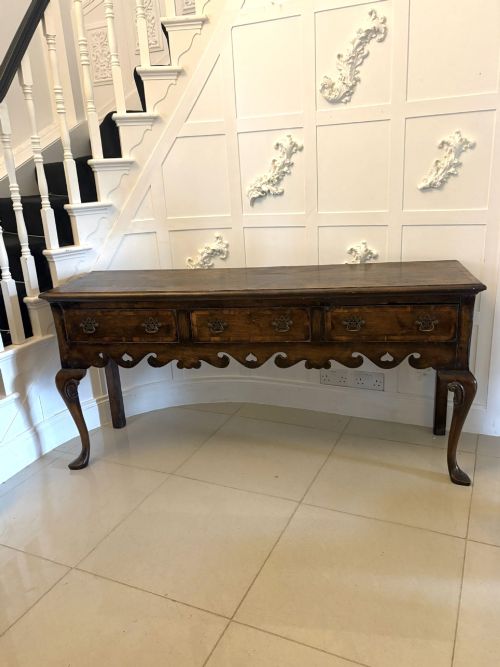
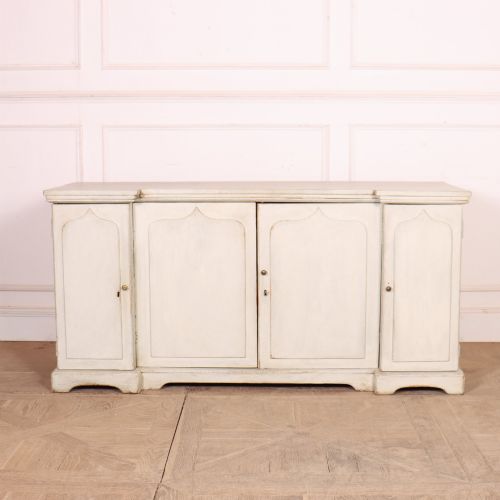
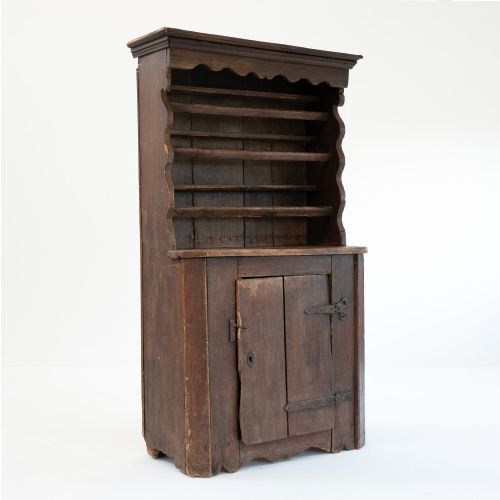
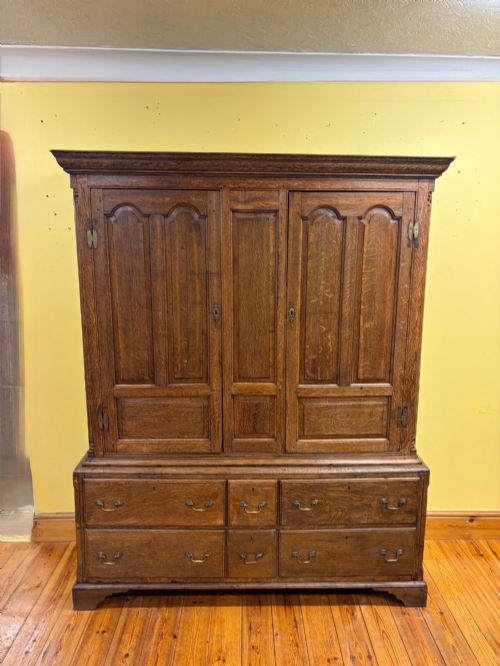
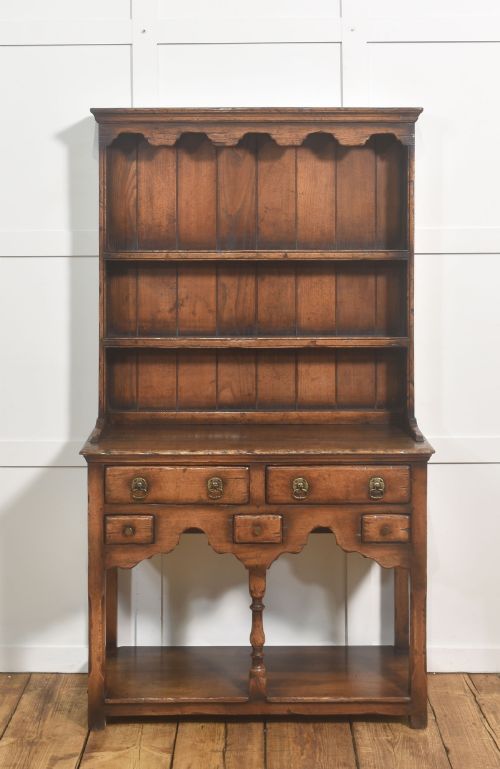
A georgian country dresser offers a foundational piece of furniture for kitchen or dining spaces, combining open display shelves or plate racks with deep base cupboards and drawers. These pieces reflect the utilitarian domestic needs of eighteenth and early nineteenth-century households across regional communities.
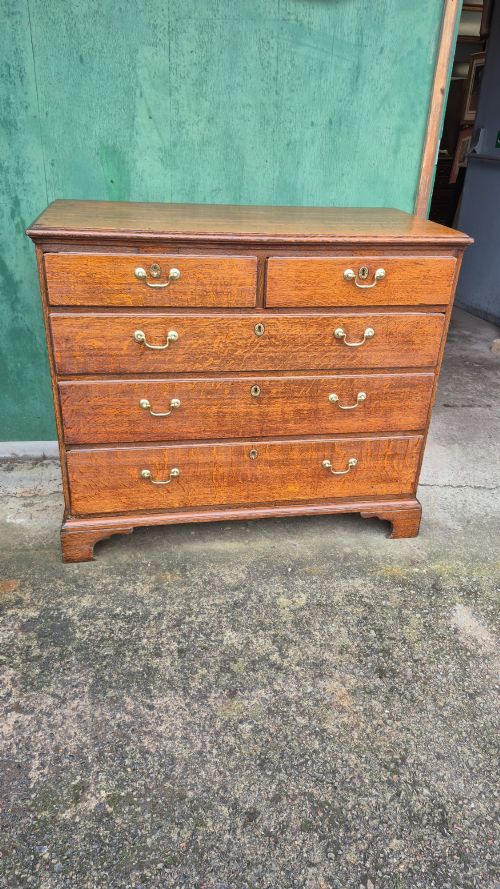
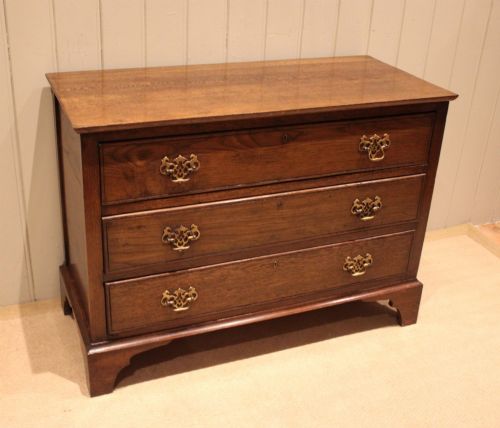
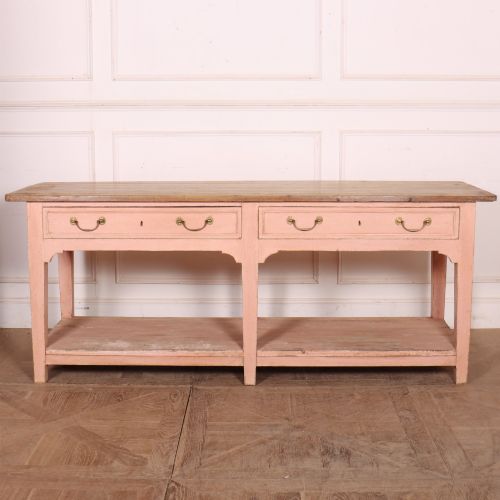
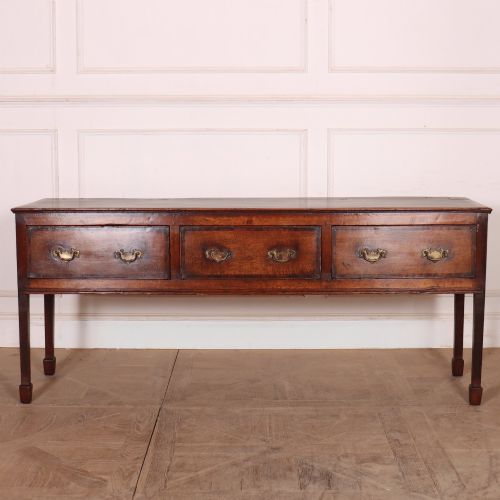
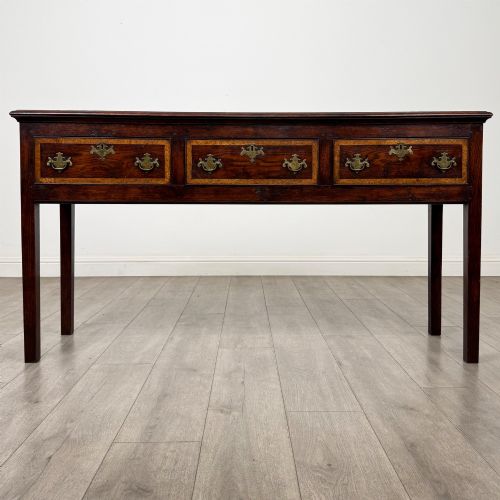
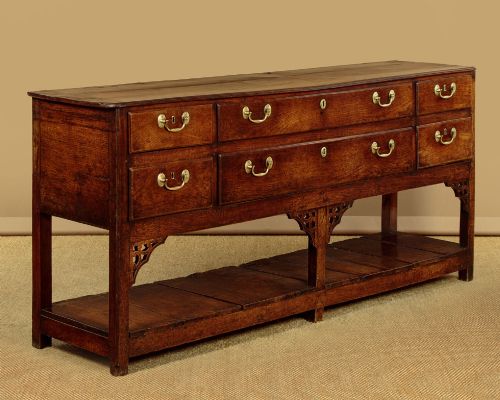
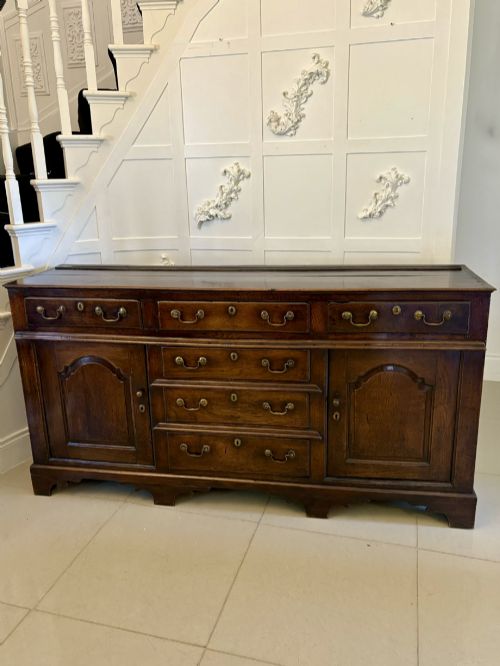
The version most commonly met on this page is constructed from robust oak, often paired with elm or pine, showing the local timber traditions of Wales, Ireland, and the English regions. Pieces appear both as complete dressers with upper plate racks and as lower dresser bases or servers suited to contemporary room layouts.
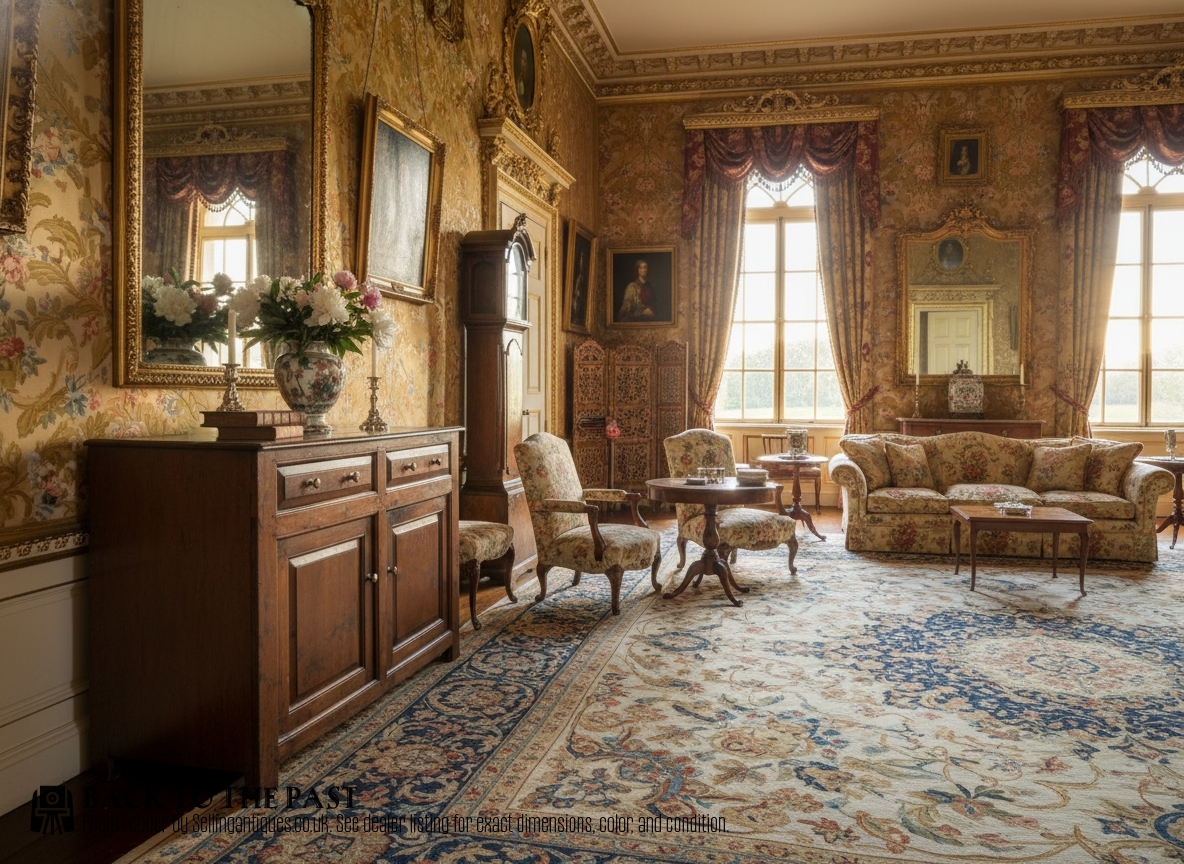
Construction and Materials
Makers utilised solid native timbers such as oak, elm, and pine, selecting woods that could withstand daily domestic wear in rural houses. Surfaces frequently display natural wax finishes or historical painted treatments that highlight the grain and construction methods of the period.
Joinery relies on traditional pegged mortise and tenon joints for structural stability in the bases and plate racks. Brass fittings or wooden knobs complete the hardware, reflecting the straightforward utilitarian approach of regional cabinet makers.
Retail Price Guide 2026
Typical UK retail prices for georgian country dresser, calculated from the Sellingantiques database of over a million retail prices indexed since 2003. This retail price guide relies exclusively on Sellingantiques data; no external sources or auction records are used, so the figures do not describe the wider market.
The inventory includes both complete two-piece dressers with plate racks and standalone dresser bases or servers.
Assessing Quality
The distinction between standard examples and finer pieces rests upon the choice of timber and the sophistication of the regional design. Grain configuration in the oak or elm, along with the retention of original surface treatments like early paint or deep wax, elevates a piece.
Proportion and structural integrity define the higher end of the range, particularly where plate racks are original to the base rather than married later. Clean lines in the drawer construction and minimal timber replacement indicate superior workshop execution.
The Georgian Country Dresser Glossary
- Dresser base
- The lower section of a dresser comprising cupboards and drawers without the upper plate rack. This form functions effectively as a sideboard or serving console in modern rooms.
- Tridarn
- A substantial regional cupboard and dresser combination featuring three tiers. This architectural form provides significant display and enclosed storage capacity.
- Plate rack
- The open shelving superstructure designed to sit atop a dresser base for displaying ceramic plates. These racks often include pegged plate rails for security.
- Dog kennel
- A central open recess positioned between lower cupboards in specific regional dresser bases. This distinctive architectural feature breaks up the solid expanse of lower doors.
- Pine
- A softwood utilised extensively in regional West Country and Welsh workshops. Waxed or painted pine surfaces offer a lighter alternative to dark oak.
Frequently Asked Questions
What is a georgian country dresser?
A georgian country dresser is a utilitarian storage and display unit made in regional workshops during the eighteenth and early nineteenth centuries. These pieces typically combine a lower section of drawers and cupboards with an open upper rack.
They served as the heart of domestic life in country houses and farmhouses for storing and displaying everyday tableware. Today, they function as practical storage furniture in kitchens and dining rooms.
Are the plate racks original?
Many dressers survive with their original open back plate racks intact, though some lower bases were originally paired with different upper sections over centuries of use. Examining the timber matching and construction joints helps determine if the base and rack belong together.
Separated dresser bases are also common, functioning independently as sideboards or servers. Both complete units and bases alone represent authentic forms from the period.
Which woods were used?
Makers relied on native timbers available locally, with oak being the primary material across English, Welsh, and Irish examples. Elm and pine also appear frequently, particularly in regional variations from the West Country.
Surfaces are finished with natural wax or historical paint layers rather than heavy modern varnishes. This honest use of timber gives each piece its distinct regional character.
How do I care for the wood?
Protect the antique wood surfaces by maintaining stable room humidity and avoiding direct placement near heat sources. Regular application of traditional beeswax helps nourish the dry grain and preserves the patina.
Clean surfaces gently with a soft, dry cloth rather than using harsh chemical polishes. This preserves the historical finish built up over centuries of domestic use.