
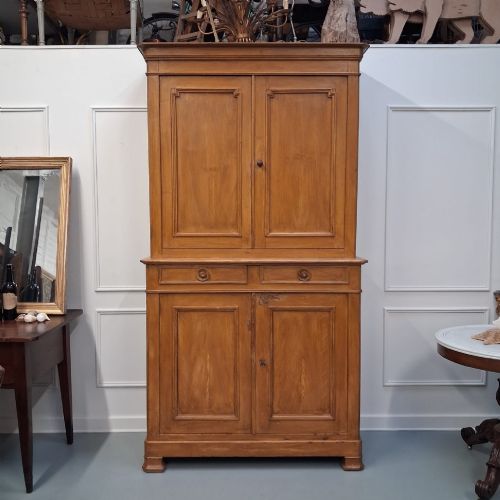
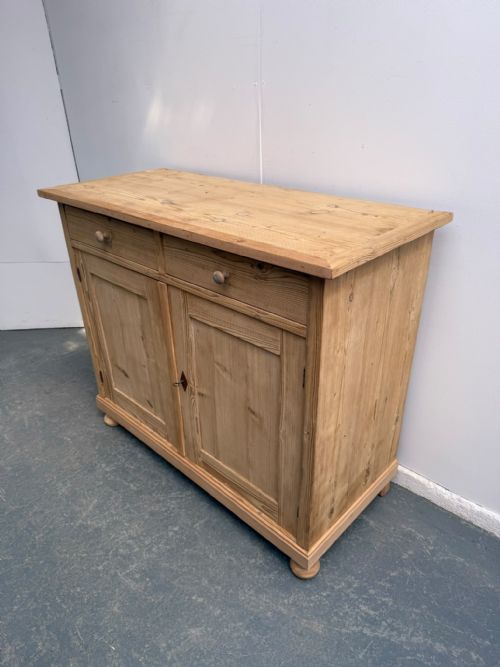
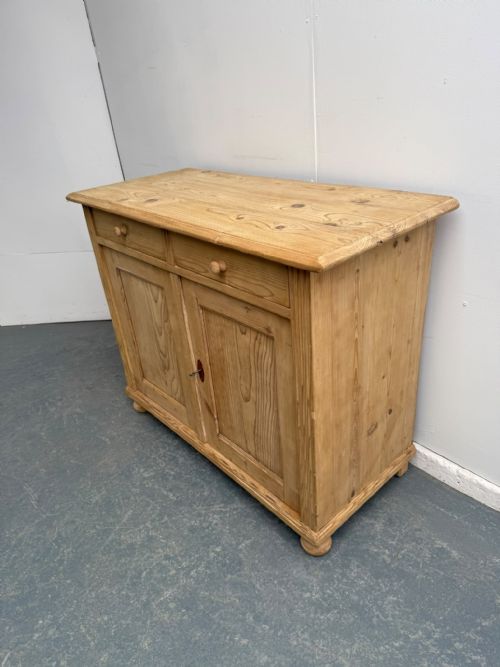
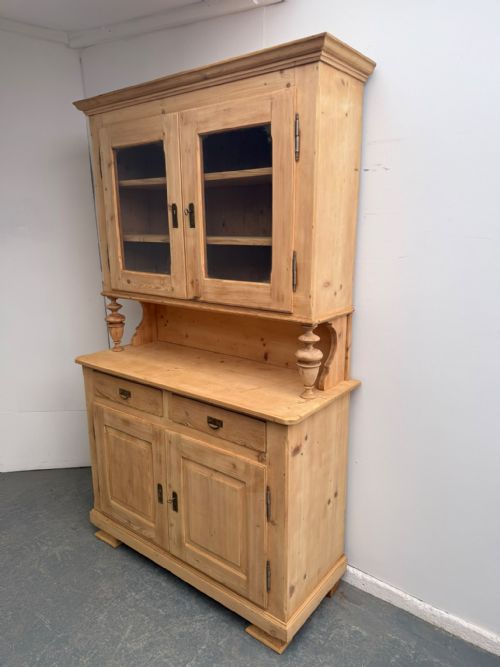

Painted Pine Dresser Base
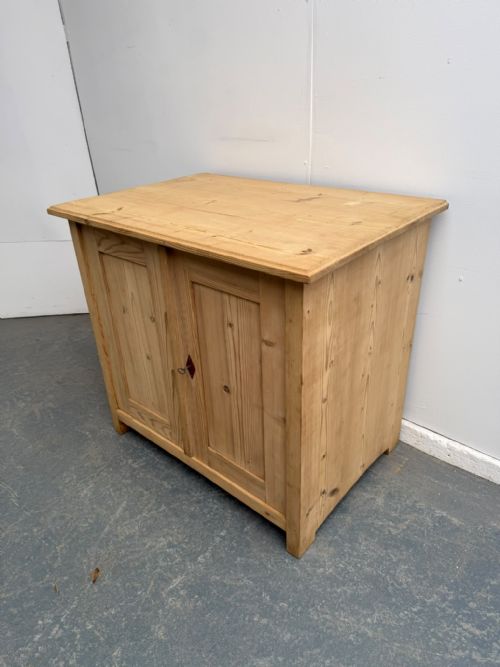
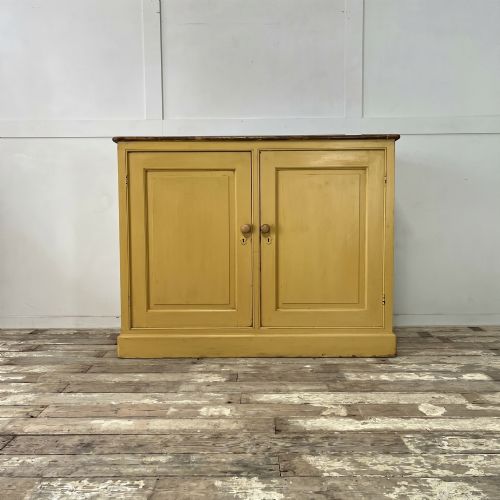
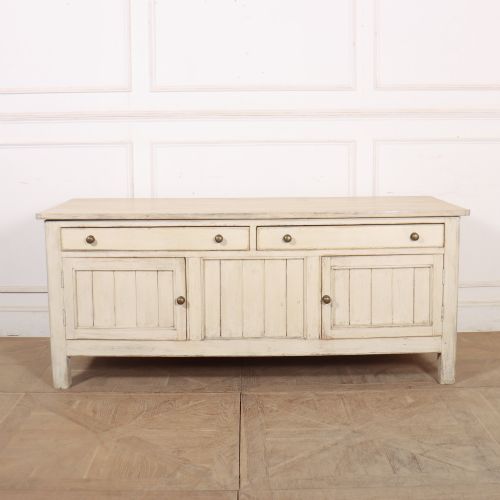
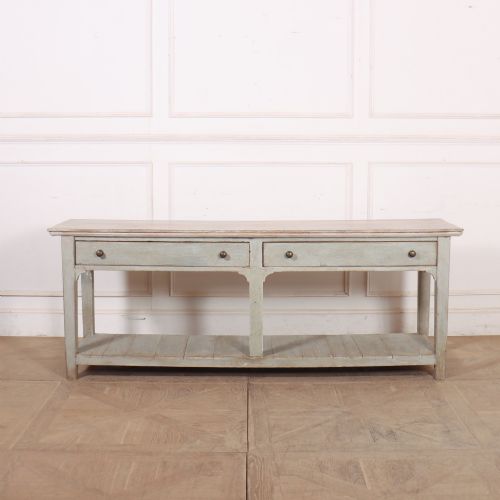
A painted pine dresser base brings working country character into a room, offering sturdy storage with the warm charm of layered historical surfaces.
The Nature of a Painted Pine Dresser Base
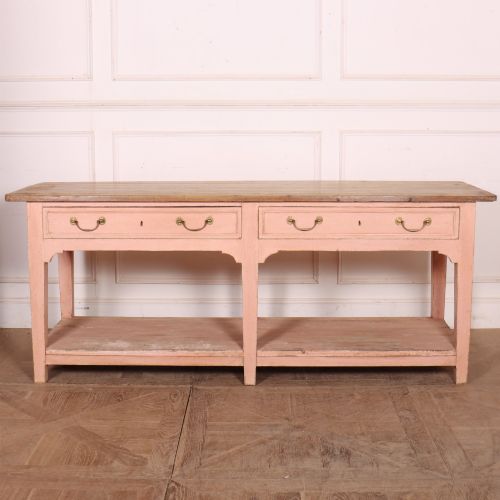
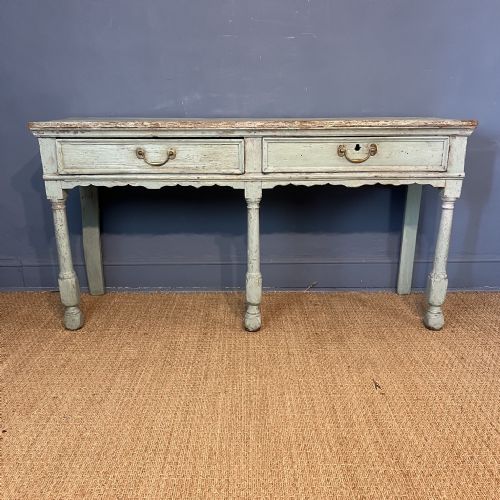
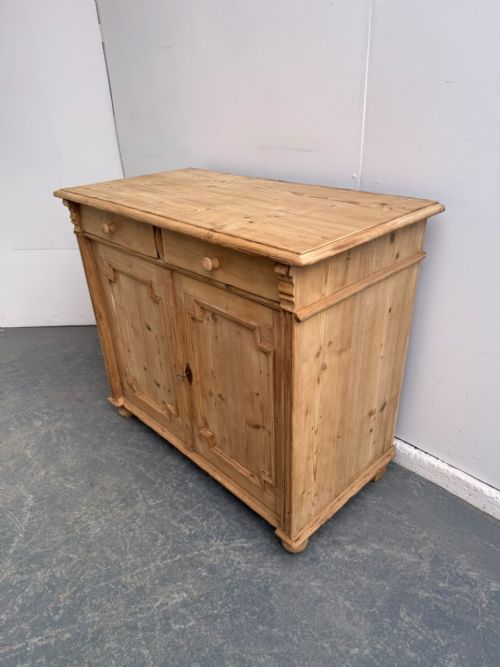
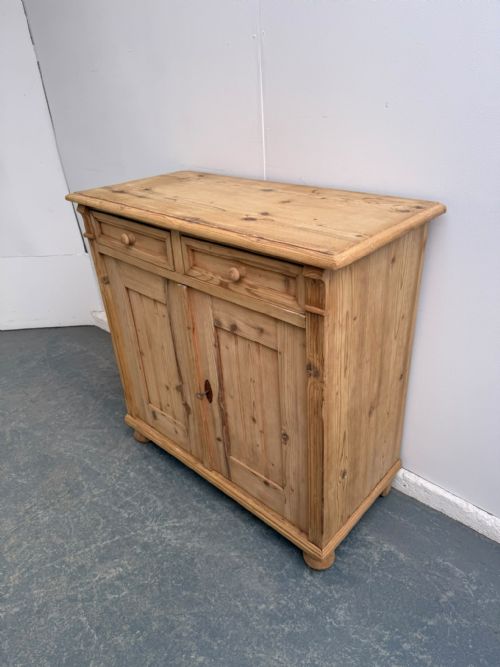
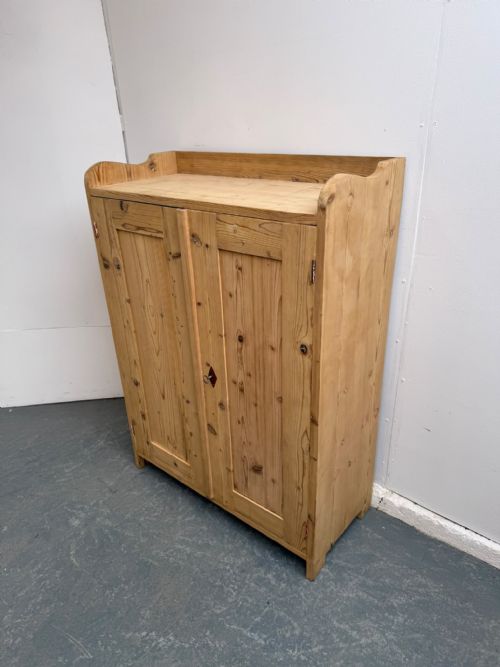
A painted pine dresser base provides a substantial low storage unit traditionally used in kitchens and sculleries for utility and food preparation. When you search for a painted pine dresser base, you encounter pieces originating from the eighteenth and nineteenth centuries, spanning Georgian, Victorian, and regional English country styles.
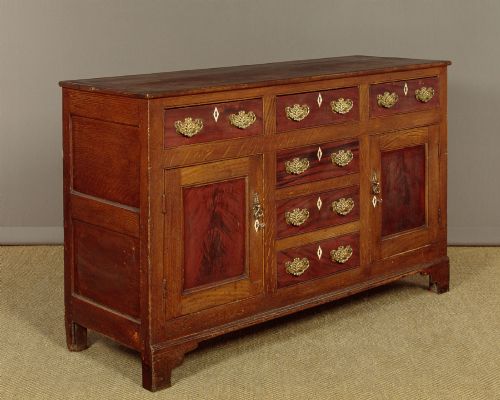
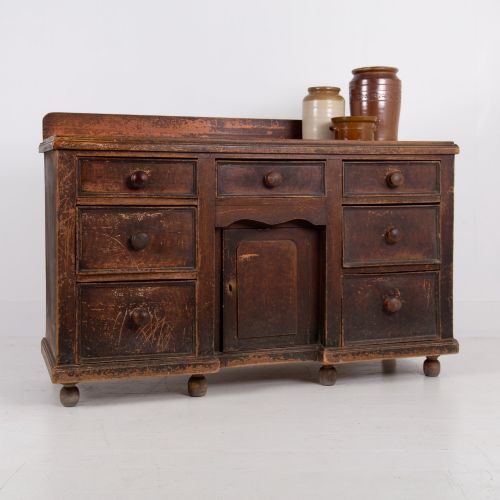
The form typically combines drawers across the top with cupboards or open space beneath, resting on bun feet, turned feet, or straightforward bracket bases. Many examples reflect vernacular traditions from Lancashire, Wales, Cumbria, and Cornwall, alongside occasional Scandinavian or Irish country pieces.
Most entries on this page show timber carcases finished in historical or later painted coats, ranging from muted neutrals to bold pigments accumulated over generations of domestic use.
Materials and Construction
Makers built these pieces primarily using solid pine, sometimes incorporating secondary woods such as oak, birch, or mahogany for drawer linings and internal framing. Brass hardware frequently appears on handles and escutcheons, while bone occasionally details keyhole surrounds.
Construction relied on traditional joinery methods including dovetail drawers and pegged tenon frames designed to endure heavy daily labour. Surfaces received successive layers of lead-based or oil paints that protected the soft softwood and developed deep patination through decades of cleaning and wear.
Retail Price Guide 2026
Typical UK retail prices for painted pine dresser base, calculated from the Sellingantiques database of over a million retail prices indexed since 2003. This retail price guide relies exclusively on Sellingantiques data; no external sources or auction records are used, so the figures do not describe the wider market.
Miniature dresser bases turn up occasionally, built perhaps as apprentice pieces or specialised display furniture for country homes.
Judging Quality and Character
Quality rests in the integrity of the original timber carcase and the honesty of the surface paint, distinguishing pieces with genuine accumulated history from recent decorative overpainting. Superior examples retain their original structural hardware, uncompromised drawer bottoms, and well-proportioned heights without excessive alterations.
Regional vernacular detail also elevates a piece, such as distinctive regional turnings on the feet or unusual configurations of drawers and cupboards that signal a bespoke local workshop rather than mass production.
The Painted Pine Dresser Base Glossary
- Dresser base
- The lower portion of a kitchen or dining room storage unit featuring drawers and cupboards without the upper plate rack. This configuration functions well as a sideboard in modern rooms.
- Vernacular furniture
- Domestic pieces made by local regional joiners using accessible regional materials rather than following strict metropolitan academic designs. This tradition explains the varied regional characteristics found in country furniture.
- Patina
- The surface sheen and textural complexity developed through age, use, handling, and repeated painting over decades or centuries. It remains a key indicator of historical authenticity.
- Secondary wood
- Timber utilised for internal or unseen components such as drawer linings, backboards, and framing. Pine dressers commonly employ harder timbers internally to strengthen points of friction.
Frequently Asked Questions
What is a painted pine dresser base?
A painted pine dresser base is a heavy low storage cabinet featuring drawers and cupboards, originally designed for utility work in kitchens.
Over time, these practical tables evolved into prominent decorative furniture appreciated for their distinct regional character.
How do I date a dresser base?
Dating relies on examining construction techniques, such as hand-cut dovetails on drawers, the type of timber used in secondary framing, and overall proportions.
Stylistic cues like turned feet, bracket styles, and the nature of the paint layers also provide reliable chronological markers.
Where were these dressers made?
These pieces originated across English counties like Lancashire, Cumbria, and Cornwall, alongside Welsh, Irish, and Scandinavian workshops.
Local joiners built them using locally sourced softwood to meet the specific storage needs of rural households.
How do I care for old painted wood?
Preserve painted surfaces by maintaining stable room humidity and avoiding harsh chemical cleaners that strip historical finishes.
Dust gently with a dry cloth and occasionally apply microcrystalline wax if the surface requires nourishment.