

Antique Swedish Cupboard
An antique Swedish cupboard brings calm proportion and muted painted surfaces to a room, offering practical storage with distinct regional character.
Antique Swedish Cupboard
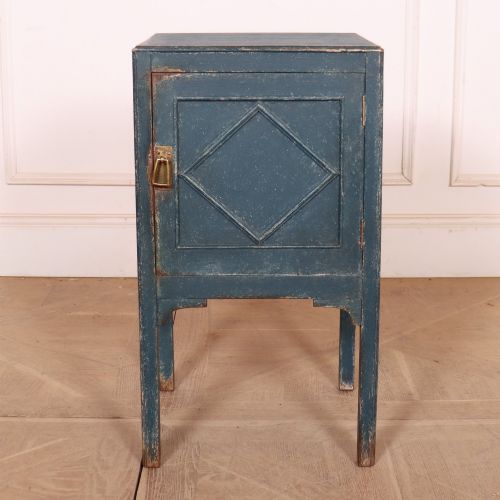
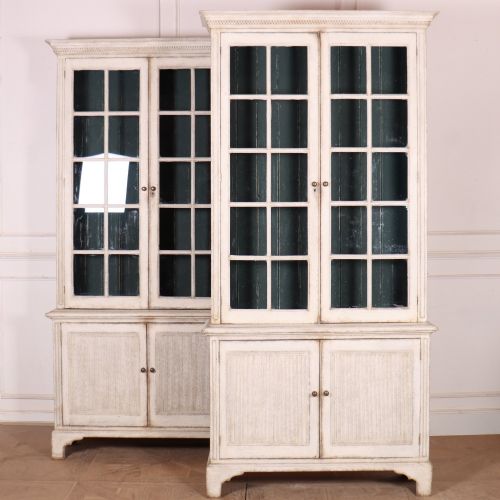
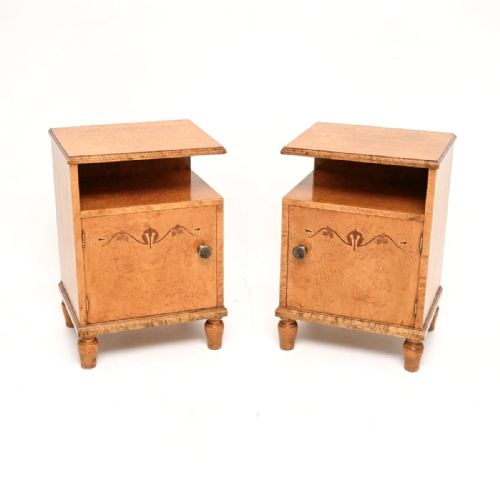
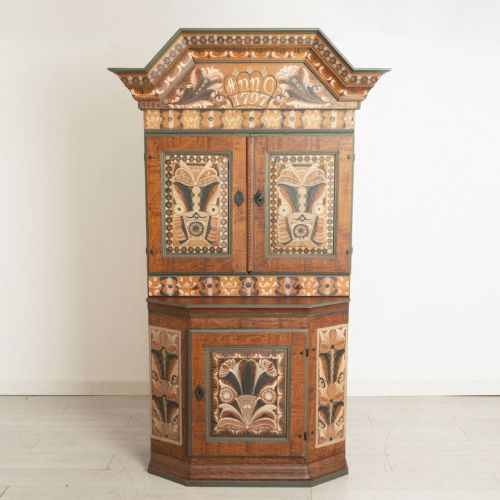
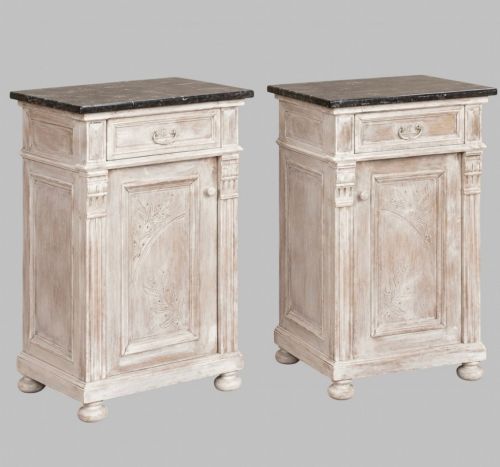
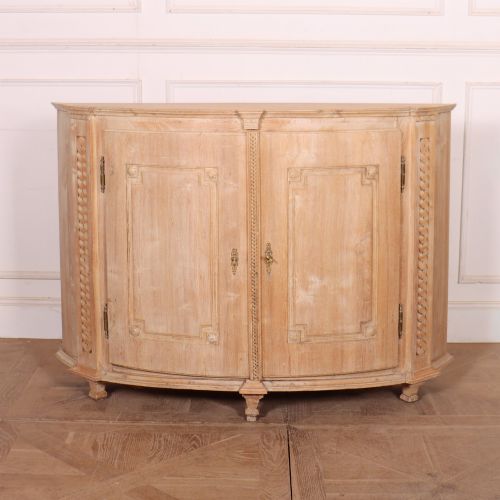
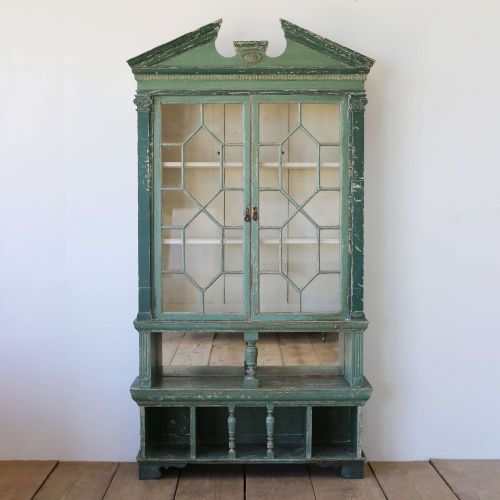
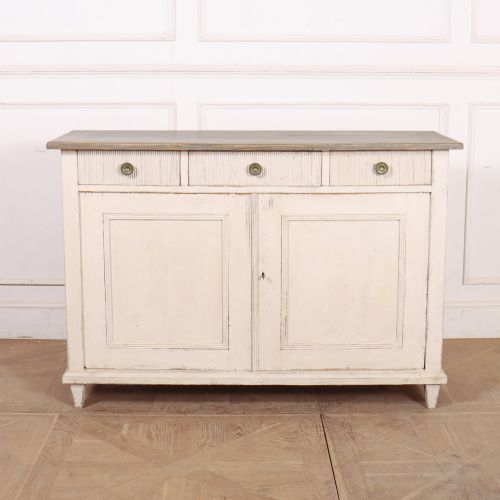
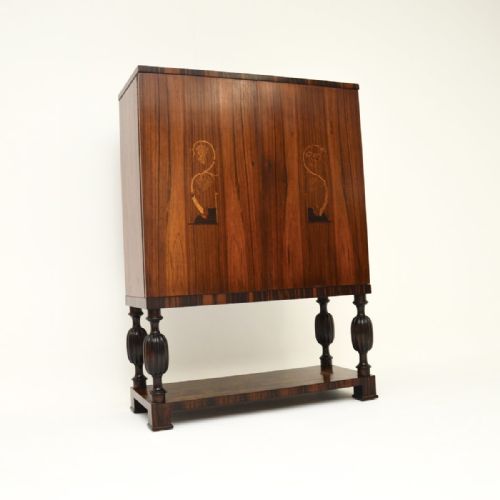
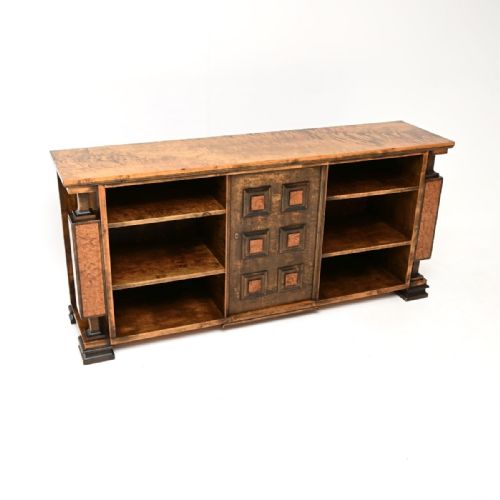
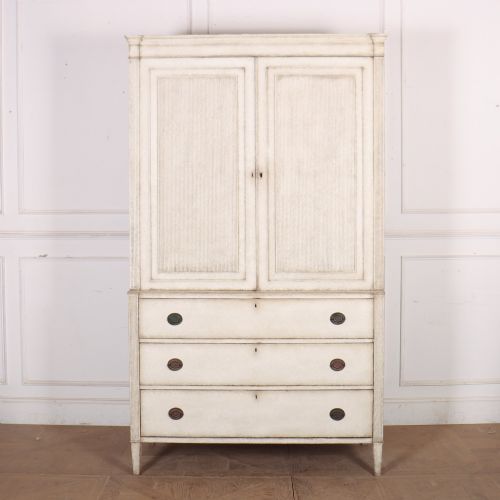
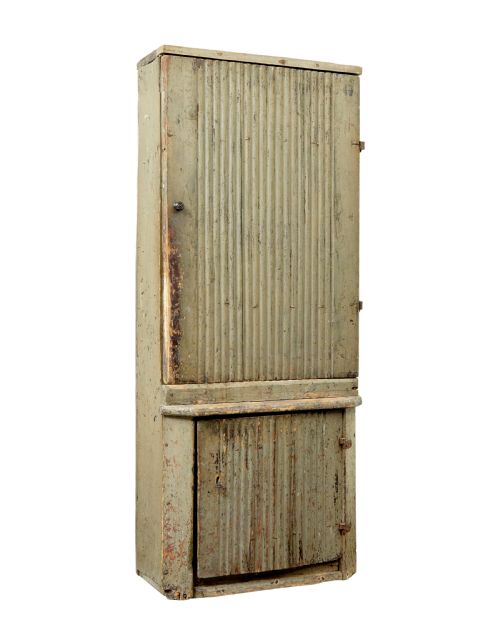
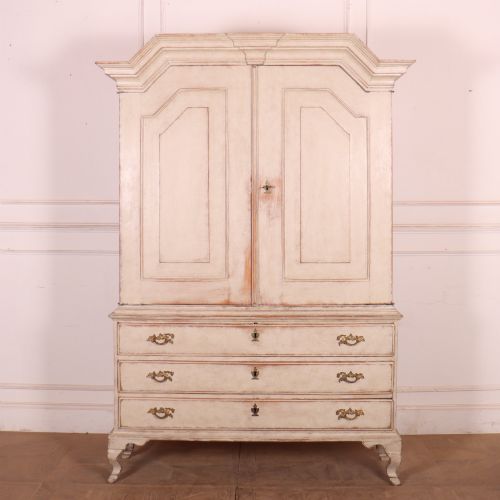
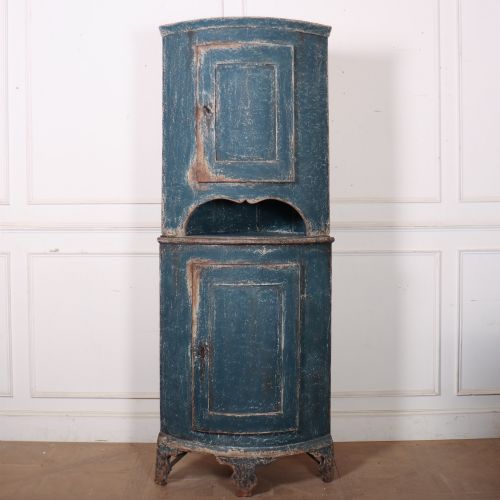
When you search for an antique Swedish cupboard, you encounter a range of storage forms spanning the eighteenth, nineteenth, and early twentieth centuries. These pieces originate from Scandinavian domestic traditions, appearing as tall linen cupboards, corner cabinets, wall-mounted units, and bedside tables. The selection here leans heavily towards nineteenth-century pine and birch examples finished with hand-applied paint or traditional ragwork.
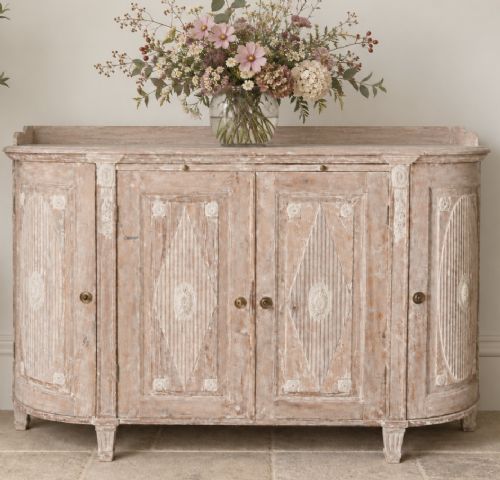
The regional styles represented reflect distinct design movements within Scandinavia, including Gustavian, folk art, and Biedermeier influences. Gustavian pieces offer restrained neoclassical lines, while folk art and country variations emphasise simpler joinery and decorative paint. Common configurations include single or double doors, bonnet tops, and fitted interior shelving designed for domestic utility.
How they were made
Makers built these pieces primarily using native softwoods and hardwoods such as pine, birch, and satin birch, often applying layered paint finishes over the wood. Construction relied on traditional joinery methods suited to regional workshops, combining durable pegged frames with hand-planed panels.
Surface decoration forms a defining characteristic, utilising hand-mixed pigments that range from scraped original paint to decorative ragwork and detailed folk motifs. Iron and brass hardware, including hinges and locks, complete the construction of doors and drawers.
Antique Swedish Cupboard Retail Price Guide 2026
Typical asking prices for swedish cupboard among the pieces listed under this phrase on Sellingantiques today, from the lower quarter to the upper quarter. They describe what is for sale here now, not the wider market.
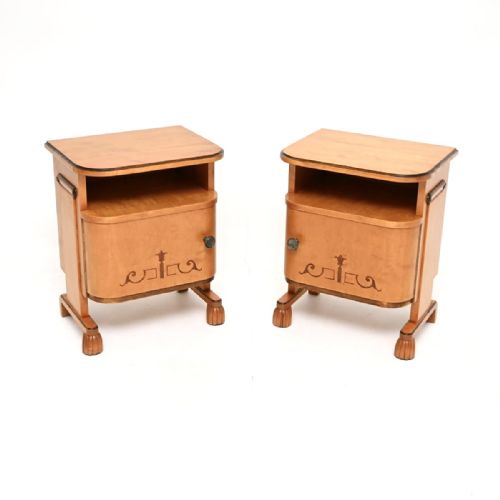
Object forms on this page include corner cupboards, bedside tables, wall cabinets, and large linen wardrobes.
What varies in quality
The distinction between ordinary and exceptional pieces rests on the preservation of original surface finishes and the integrity of the timber. Cupboards retaining untouched, scraped, or layered historic paint command greater interest than those stripped down or heavily repainted in modern times.
Proportion and detail also dictate quality, separating standard utilitarian furniture from pieces displaying refined Gustavian carving, balanced proportions, or high-grade satin birch and birds-eye maple veneers.
The Antique Swedish Cupboard Glossary
- Gustavian
- A Swedish neoclassical design style popularized during the reign of King Gustav III, characterised by restrained symmetry, fluted columns, and pale painted finishes.
- Ragwork
- A decorative painting technique where rags or cloths are used to apply or manipulate wet glaze, creating a mottled, textured surface pattern.
- Bonnet top
- A rounded or domed upper section on a cabinet or cupboard, adding height and architectural presence to the piece.
- Satin birch
- A timber derived from birch trees, known for a smooth, lustrous grain that catches the light when polished.
- Scraped paint
- A conservation term describing a painted surface where later overpaint has been carefully removed to reveal the original historic layers beneath.
Antique Swedish Cupboard: Frequently Asked Questions
What is a Gustavian cupboard?
A Gustavian cupboard is a piece of Swedish furniture influenced by neoclassical design, typically featuring straight lines, carved fluting, and pale painted surfaces.
These cabinets were created to bring classical elegance into domestic spaces during the late eighteenth century and subsequent revivals.
How do I identify original paint?
Original paint on these cupboards usually shows natural wear, subtle crazing, and multiple underlying layers visible beneath surface chips.
Modern repainting tends to appear uniform and lacks the accumulated patina developed through decades of domestic use.
Where were these cupboards used?
These cupboards served primarily in domestic interiors, ranging from country farmhouses to urban townhouses, for storing linen, kitchen provisions, and household goods.
Wall-mounted versions provided compact storage in smaller rooms, while large double-door cupboards anchored main living spaces.
How do I clean a painted surface?
Maintenance requires only a soft, dry cloth to remove dust, avoiding harsh chemical cleaners that can strip historic pigments.
Preserving the fragile surface layers ensures the original character and colour remain intact over time.
What is the difference between pine and birch pieces?
Pine cupboards were typically utilised for country and folk furniture, lending themselves well to painted and ragwork finishes.
Birch and satin birch pieces often represented finer urban furniture, showcasing the natural grain of the hardwood.