



19th Century Swedish Cabinet
These pieces are a 19th century swedish cabinet, bringing functional storage and distinct regional character to any interior.
19th Century Swedish Cabinet
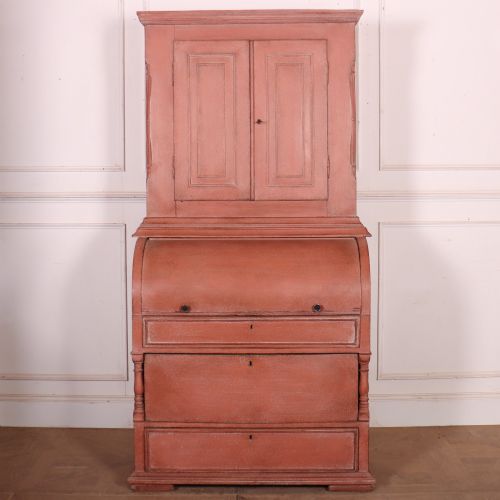
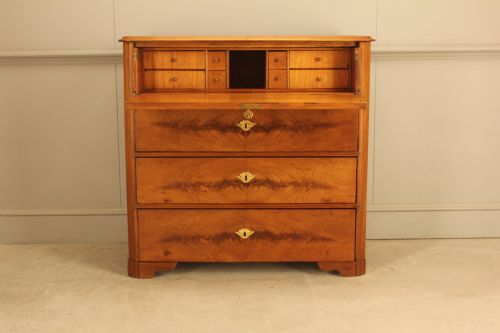
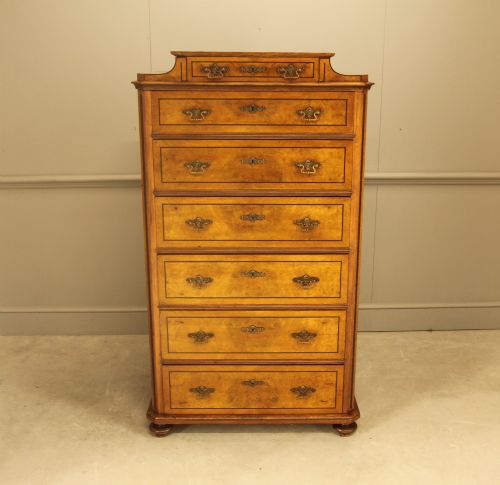
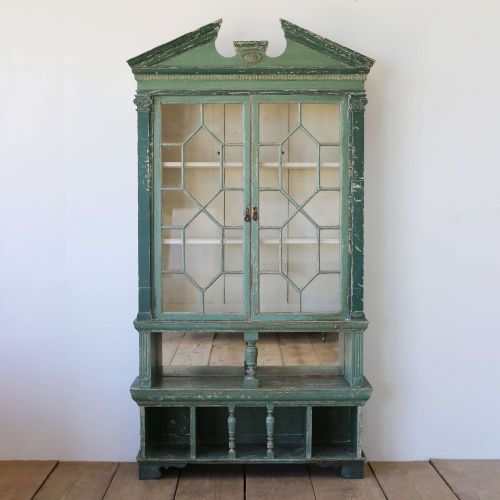
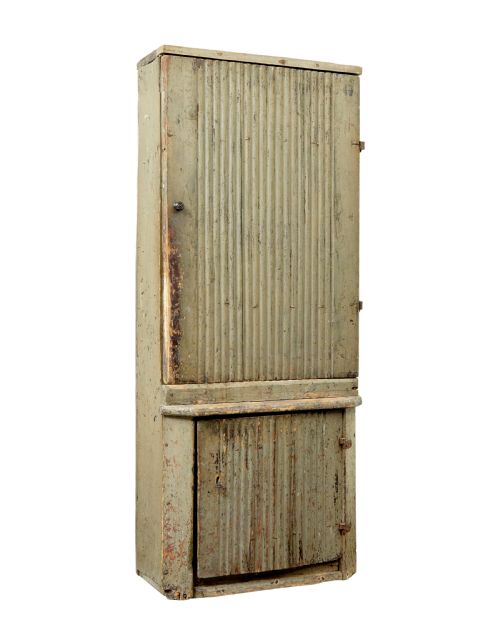
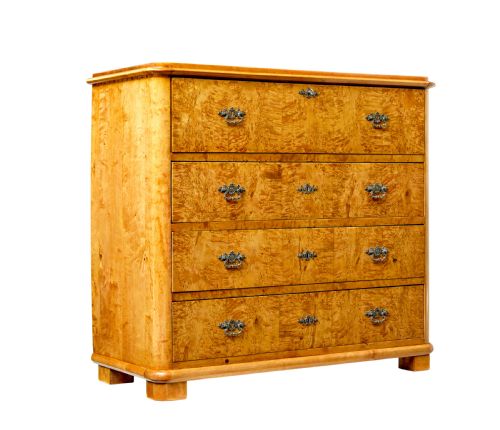
A 19th century swedish cabinet encompasses a diverse group of storage furniture, most frequently appearing as painted pine cupboards, wall cabinets, and birch secretaire chests of drawers. These utilitarian and decorative objects originate from Scandinavian households, spanning styles from rustic folk art to refined Gustavian and Biedermeier designs.
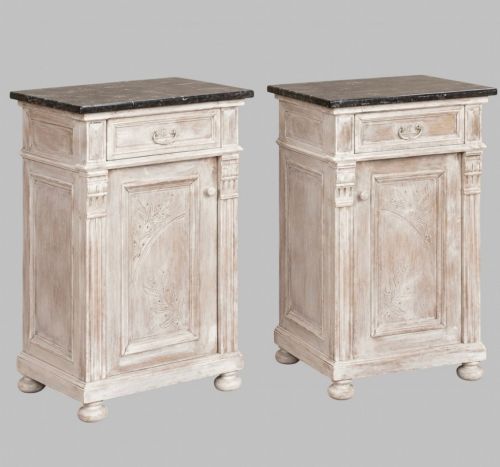
Buyers will encounter numerous variations, including double door cupboards, narrow cabinets, commodes, and bonnet top pieces. Pine and birch form the primary structural woods, often finished with hand painted surfaces or traditional scraped paint effects.
Materials and Construction
Makers utilised native Scandinavian timbers, predominantly selecting soft pine for painted country furniture and dense birch, including burr and masur variants, for polished case pieces. Iron and brass hardware such as hinges, escutcheons, and locks secure doors and drawers.
Surfaces receive layered treatments, ranging from hand painted finishes and traditional ragwork to clear varnishes that highlight the distinct grain of birch and satin birch.
19th Century Swedish Cabinet Retail Price Guide 2026
Typical asking prices for 19th century swedish cabinet among the pieces listed under this phrase on Sellingantiques today, from the lower quarter to the upper quarter. They describe what is for sale here now, not the wider market.
Listings feature pine and birch materials across styles including Gustavian, Biedermeier, and Scandinavian folk art.
Distinctions in Execution
Quality rests in the integrity of the timber selection and the retention of original surface treatments, such as scraped paint or hand painted folk art details. Pieces displaying refined proportions in Gustavian or Biedermeier styles demonstrate greater joinery skill than standard utilitarian items.
The sophistication of internal fittings, such as drawers within a secretaire or fitted shelving in a cupboard, separates standard storage pieces from higher-tier cabinetwork.
The 19th Century Swedish Cabinet Glossary
- Secretaire
- A cabinet or chest of drawers featuring a pull-down writing flap that conceals small compartments and pigeonholes.
- Gustavian
- A Swedish neoclassical style characterised by restrained symmetry, fluted columns, and pale painted finishes.
- Biedermeier
- A central European and Scandinavian style focusing on utilitarian comfort and clean lines, emphasising the natural grain of woods like birch.
- Ragwork
- A decorative paint technique using rags to apply colour and create mottled texture on wooden surfaces.
- Masur birch
- A decorative wood cut from birch trees featuring characteristic swirling patterns and dark knot formations.
19th Century Swedish Cabinet: Frequently Asked Questions
What is a 19th century swedish cabinet used for?
These cabinets serve as practical storage furniture for clothing, tableware, or household goods while adding distinct Nordic character to modern interiors.
Their varied configurations, from wall cupboards to large armoires, allow them to function effectively in kitchens, hallways, and living spaces.
How do I identify a Biedermeier cabinet?
Biedermeier pieces typically showcase polished birch veneers with minimal ornamentation, focusing attention on the natural grain of the wood.
They exhibit clean architectural lines that distinguish them from more heavily carved or painted folk art furniture.
Are painted finishes usually original?
Many pieces retain their original painted surfaces, often identified by layered wear patterns and traditional pigments applied over pine.
Scraped paint finishes show older layers beneath the surface, confirming the age and history of the decoration.
Where should I place a wall cupboard?
Wall cupboards suit compact spaces where floor area is limited, such as above a sideboard or in a hallway.
Secure fixings are necessary to support the weight of solid pine or birch construction safely against a wall.