

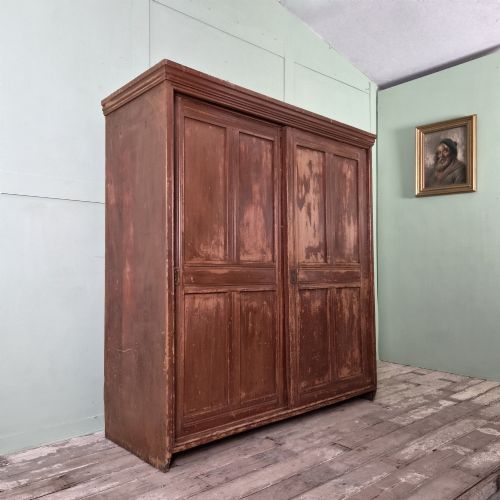
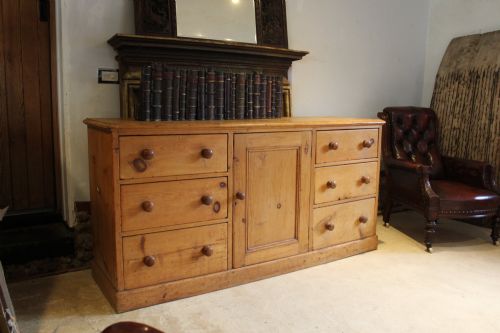
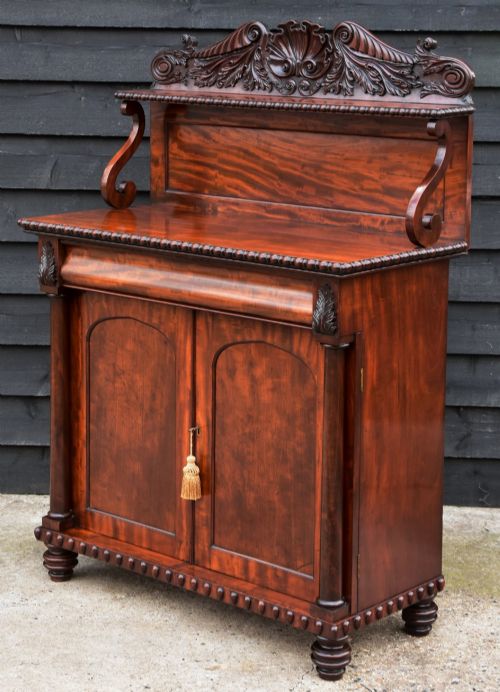
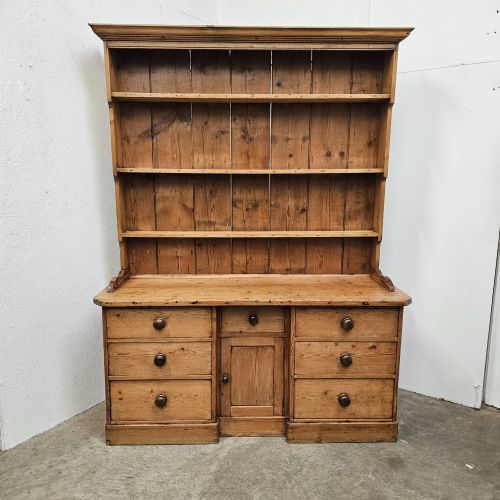
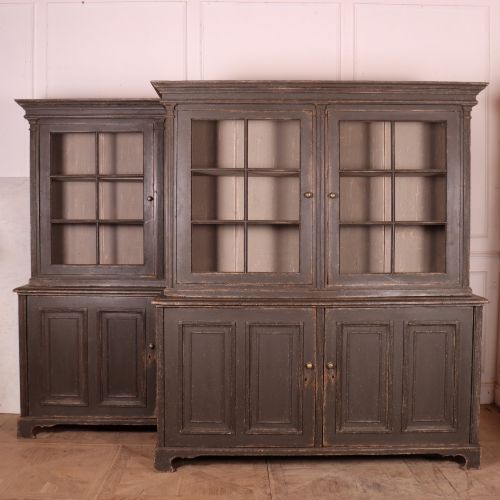
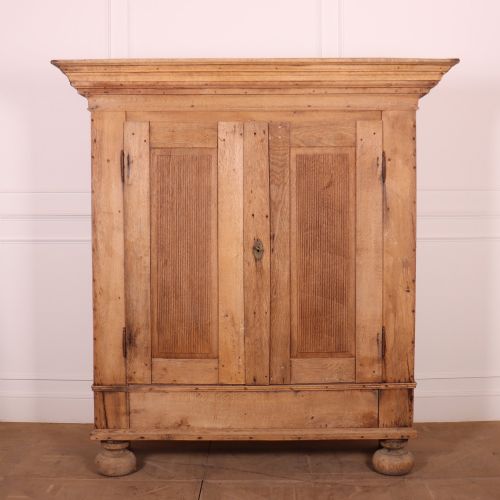
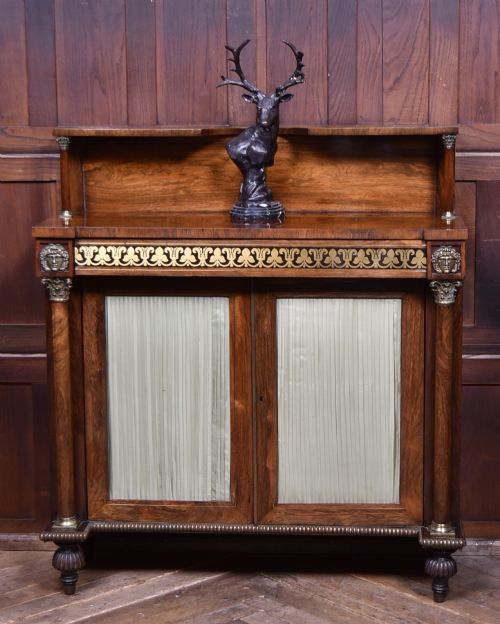
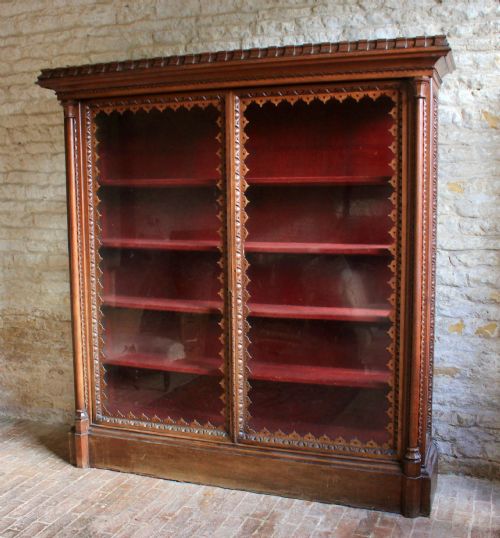
19th Century Cupboard
A 19th century cupboard offers practical storage through centuries-old joinery, bringing solid timber and period character into a modern room.
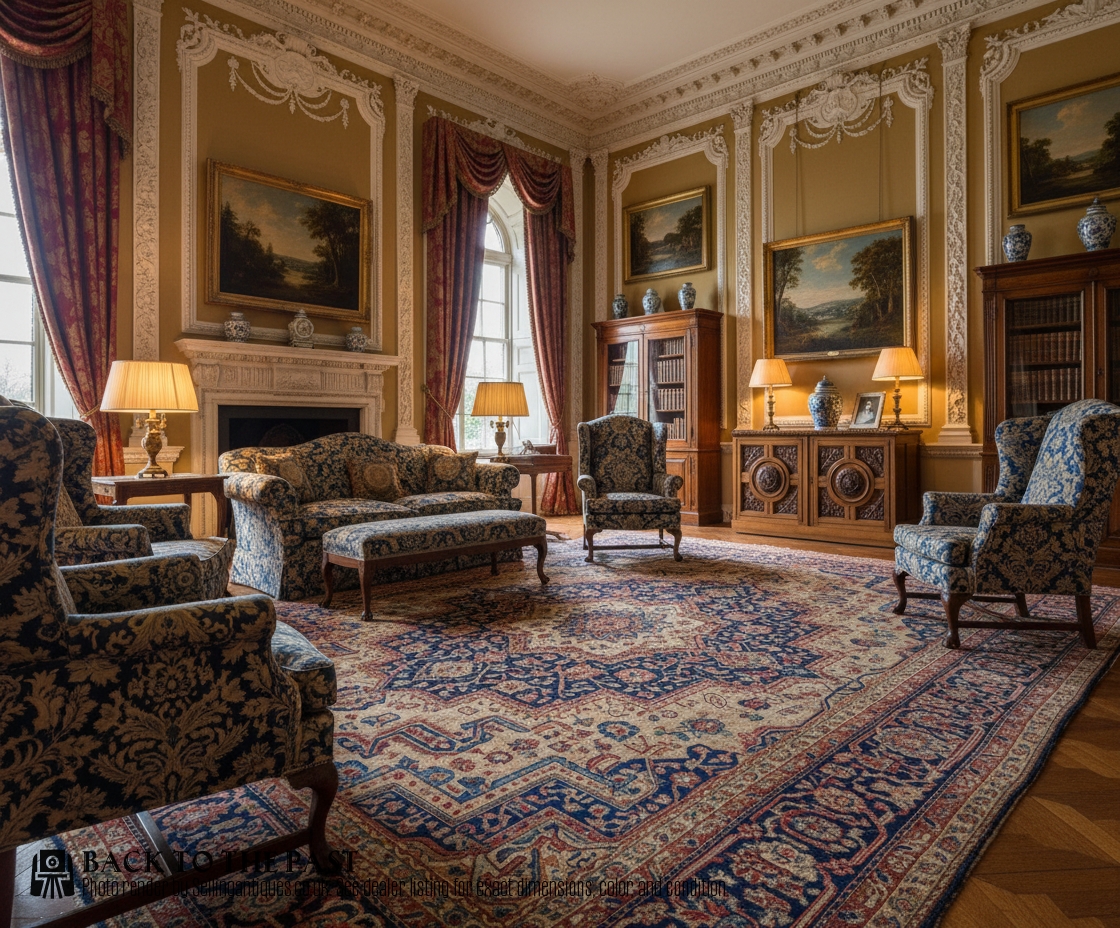
19th Century Cupboard
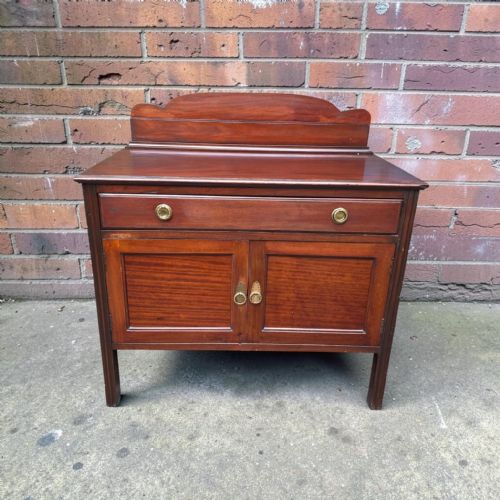
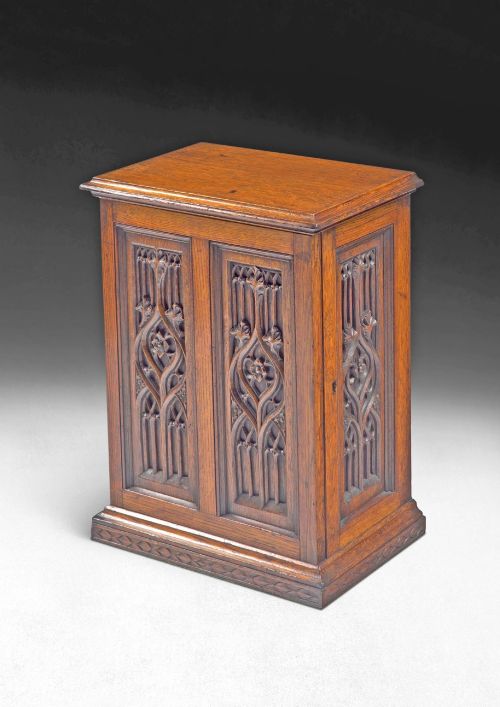
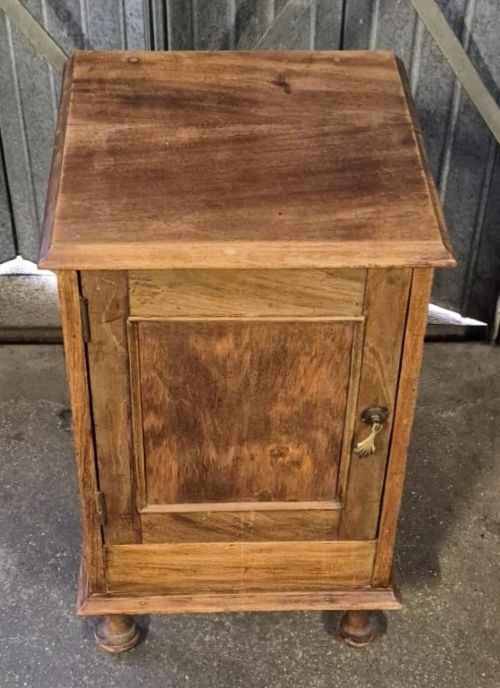
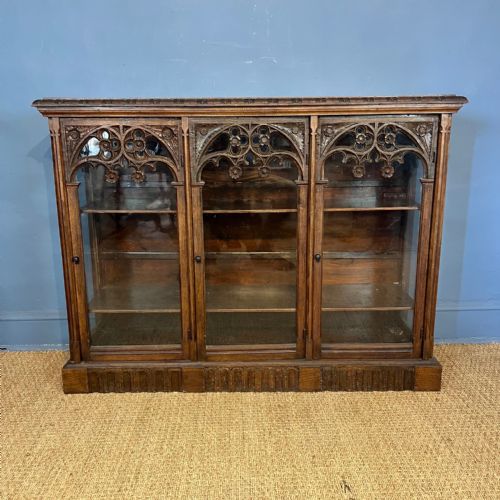
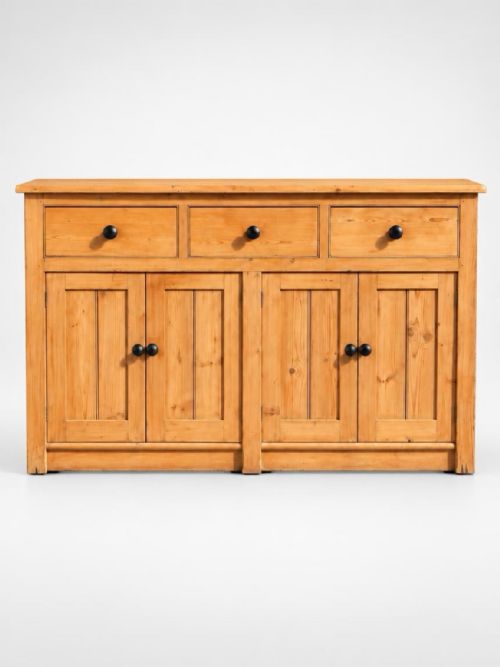
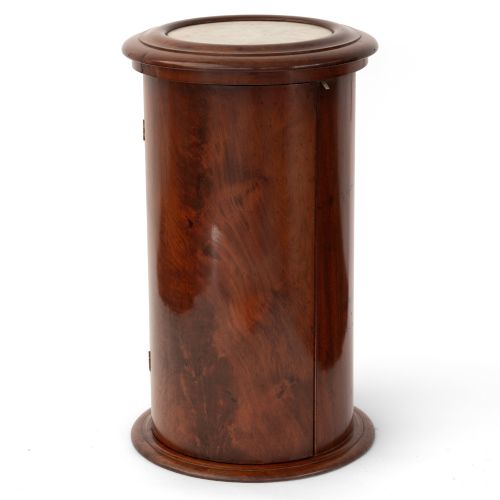
A 19th century cupboard encompasses diverse storage furniture from simple pine kitchen larders to grand mahogany breakfront bookcases and carved oak housekeeper's cupboards. Pieces from this era span Georgian origins through Regency elegance to ornate Victorian designs, reflecting the domestic needs of the period.
The selections on this page frequently include sideboards, chiffoniers, bedside cabinets, and display vitrines alongside tall kitchen cupboards. Oak and mahogany appear alongside painted pine finishes, reflecting both formal dining rooms and working country houses.
Materials and Construction
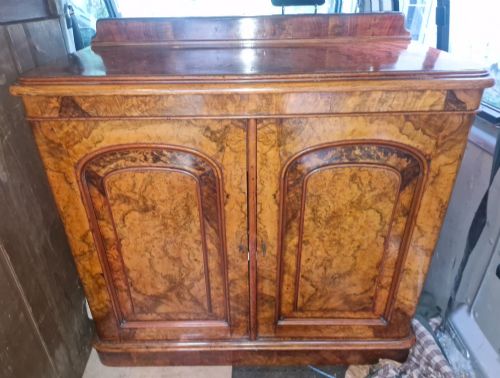
Cabinet makers utilised dense hardwoods like mahogany, walnut, and oak for formal pieces, while domestic storage often relied on native pine, sycamore, or fruitwood. Burr walnut and flame mahogany veneers provided decorative figured surfaces on statement furniture.
Joinery techniques included dovetailed drawer construction and panelled doors, sometimes accented with brass hardware, glass panels, or intricate marquetry and hand-carved details.
19th Century Cupboard Retail Price Guide 2026
Typical asking prices for 19th century cupboard among the pieces listed under this phrase on Sellingantiques today, from the lower quarter to the upper quarter. They describe what is for sale here now, not the wider market.
Keep an eye out for the occasional Green Man carving hiding among the oak leaves.
Assessing Quality
Quality rests in the selection of timber, where figured veneers and solid hardwoods demonstrate superior craftsmanship compared to simpler secondary woods. The crispness of carved mouldings and the precision of inlaid marquetry distinguish finer items.
Structural integrity, original hardware, and preserved surface treatments, such as original paint or polished patination, elevate the standing of a piece.
Maple and Co·Japy Frères
The 19th Century Cupboard Glossary
- Chiffonier
- A low sideboard or cabinet developed during the Regency and Victorian periods, often featuring enclosed shelving below and a raised superstructure above.
- Breakfront
- A piece of furniture featuring a central section that projects forward from the flanking sections, creating architectural depth.
- Marquetry
- The art of applying decorative veneer pieces in wood to form intricate patterns and pictures on a carcase.
- Compactum
- A large fitted wardrobe or multi-compartment storage unit designed to hold various types of clothing in designated sections.
- Vitrine
- A glass-fronted display cabinet used for showcasing porcelain, books, or collectible objects.
19th Century Cupboard: Frequently Asked Questions
What is a housekeeper's cupboard?
A housekeeper's cupboard is a large storage piece traditionally used in country houses to store linens, dry goods, and household supplies. These tall wooden units usually feature panelled doors opening to interior shelving and drawers.
Today, they function well as generous kitchen larders or hallway storage, bringing substantial historical character and deep shelving to a modern interior.
How do I care for a mahogany cupboard?
Caring for nineteenth-century mahogany involves keeping the timber away from direct heat sources and strong sunlight, which can dry and fade the polished surface. Regular dusting with a soft, dry cloth preserves the natural lustre of the wood.
Applying a traditional beeswax polish occasionally helps nourish the grain without building up heavy chemical layers over time.
Where should I place a corner cupboard?
A corner cupboard fits neatly into unused room angles, making efficient use of awkward spaces in dining rooms, living areas, or hallways. Double height or wall-hanging versions draw the eye upward and add architectural interest to plain walls.
These pieces work well for displaying glassware or books while keeping floor space open and uncluttered.
How do I identify Regency style?
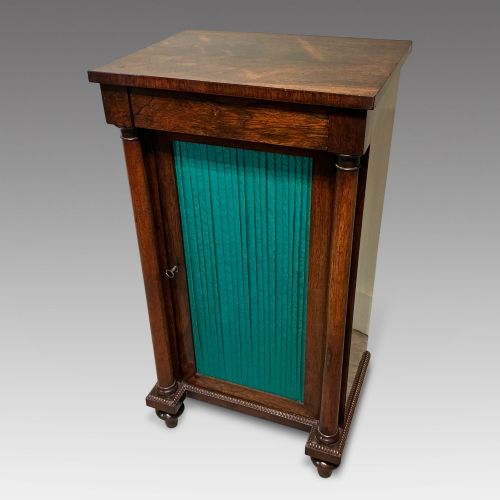
Regency style draws inspiration from classical antiquity, featuring clean lines, dark polished mahogany, and restrained brass mounts. Pieces from this era often display architectural elements like reeded columns and subtle brass inlay.
The aesthetic values balance simplicity of form with refined materials, distinguishing it from the heavier carvings of the later Victorian decades.