






Painted Pine Cabinet
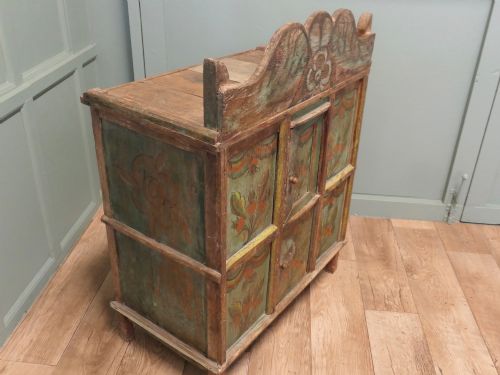
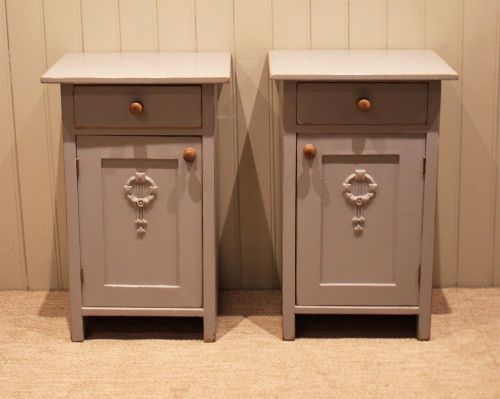
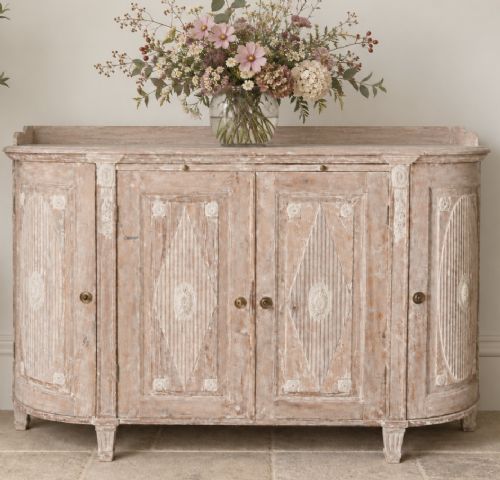
A painted pine cabinet offers practical storage wrapped in the rustic charm of regional craftsmanship, spanning simple domestic cupboards to grand provincial display pieces.
Painted Pine Cabinet
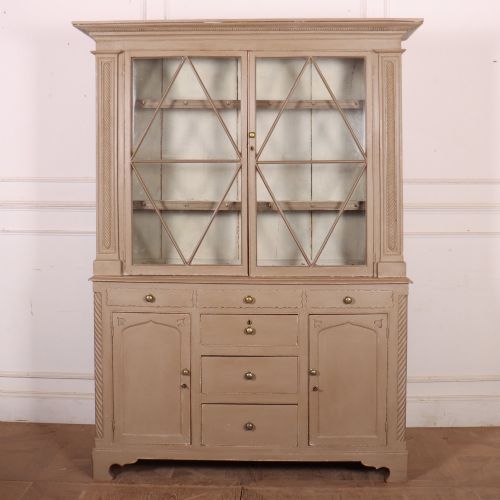
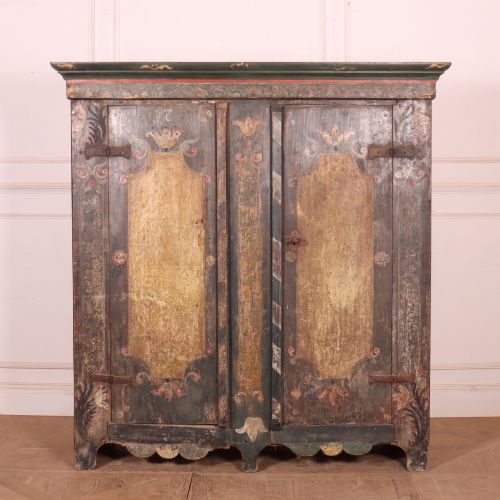
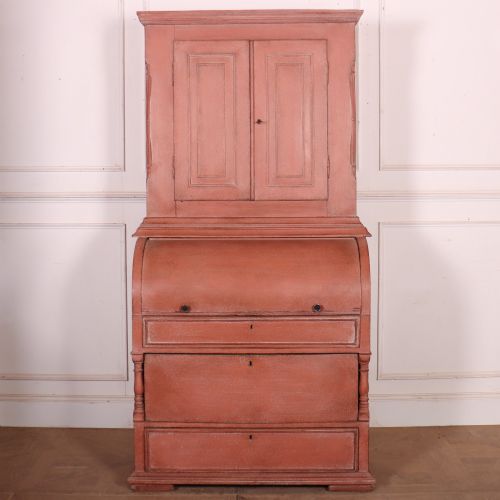
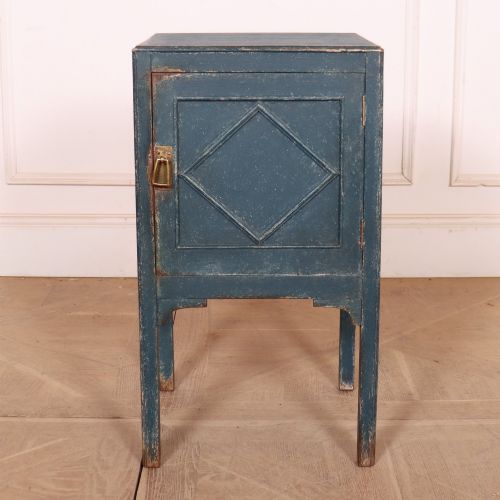
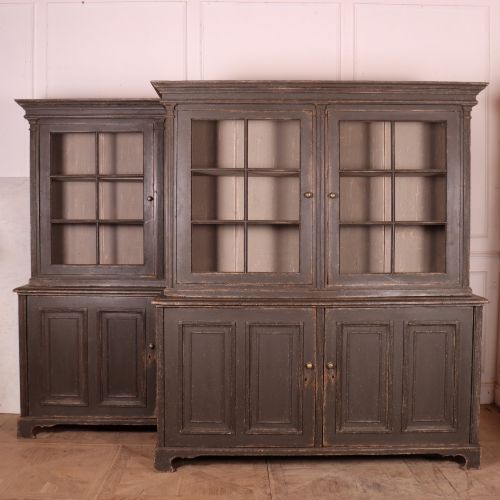
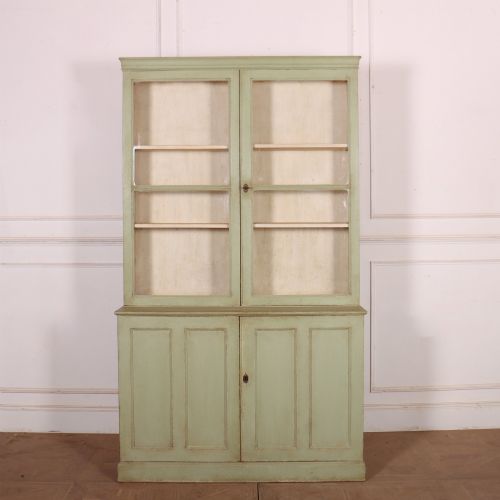
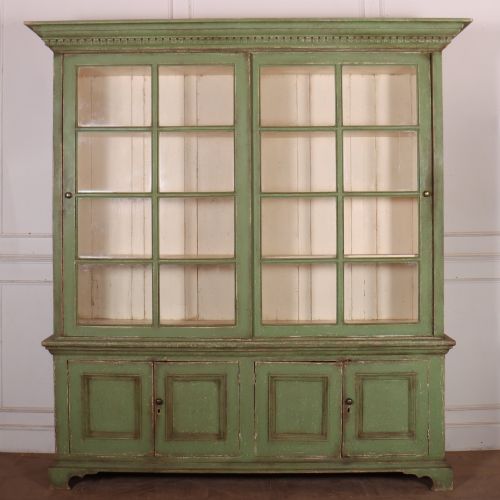
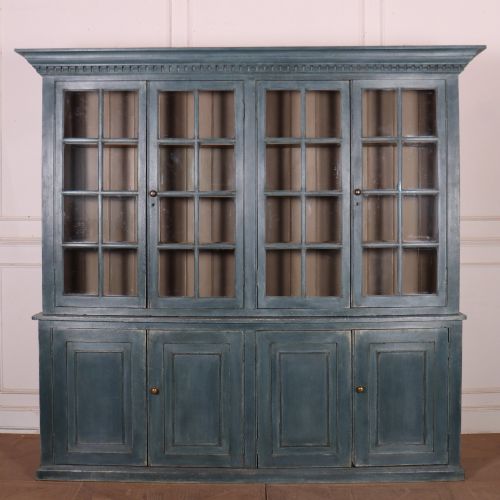
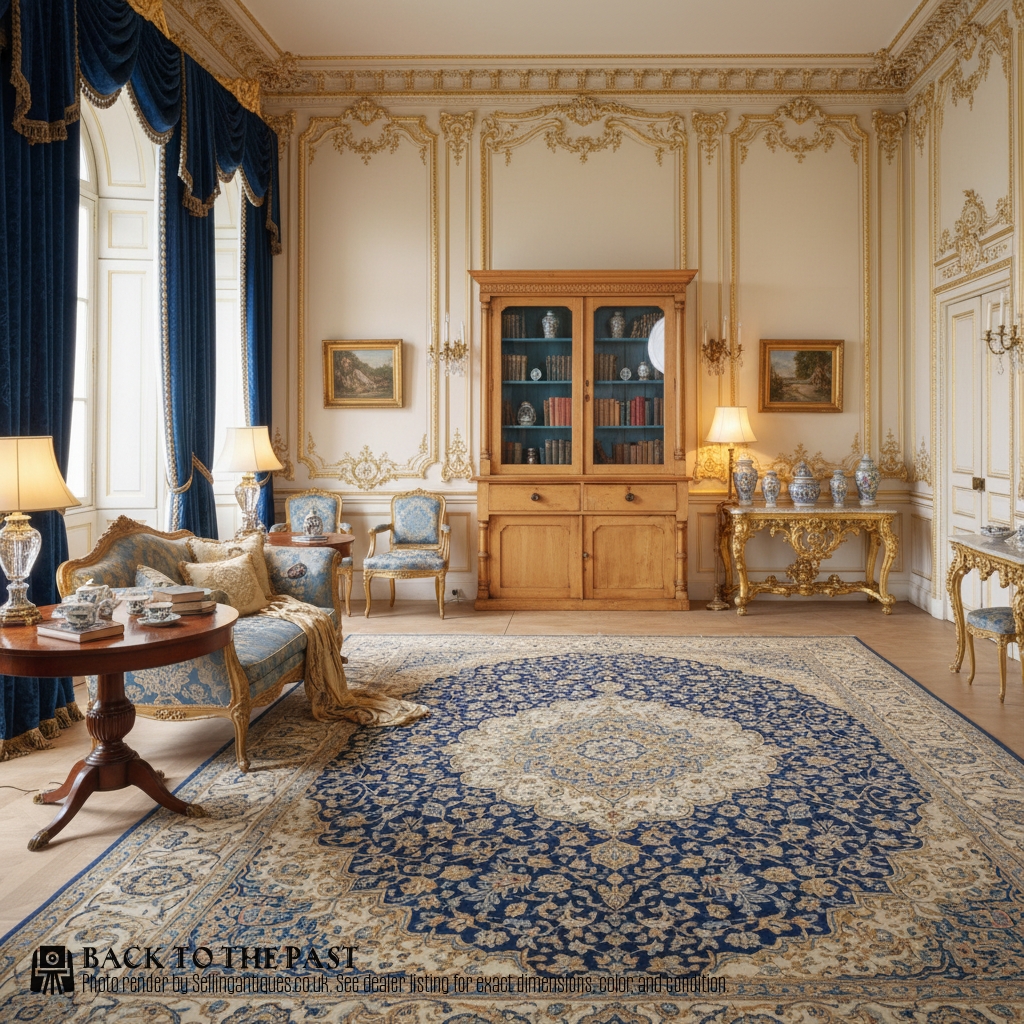
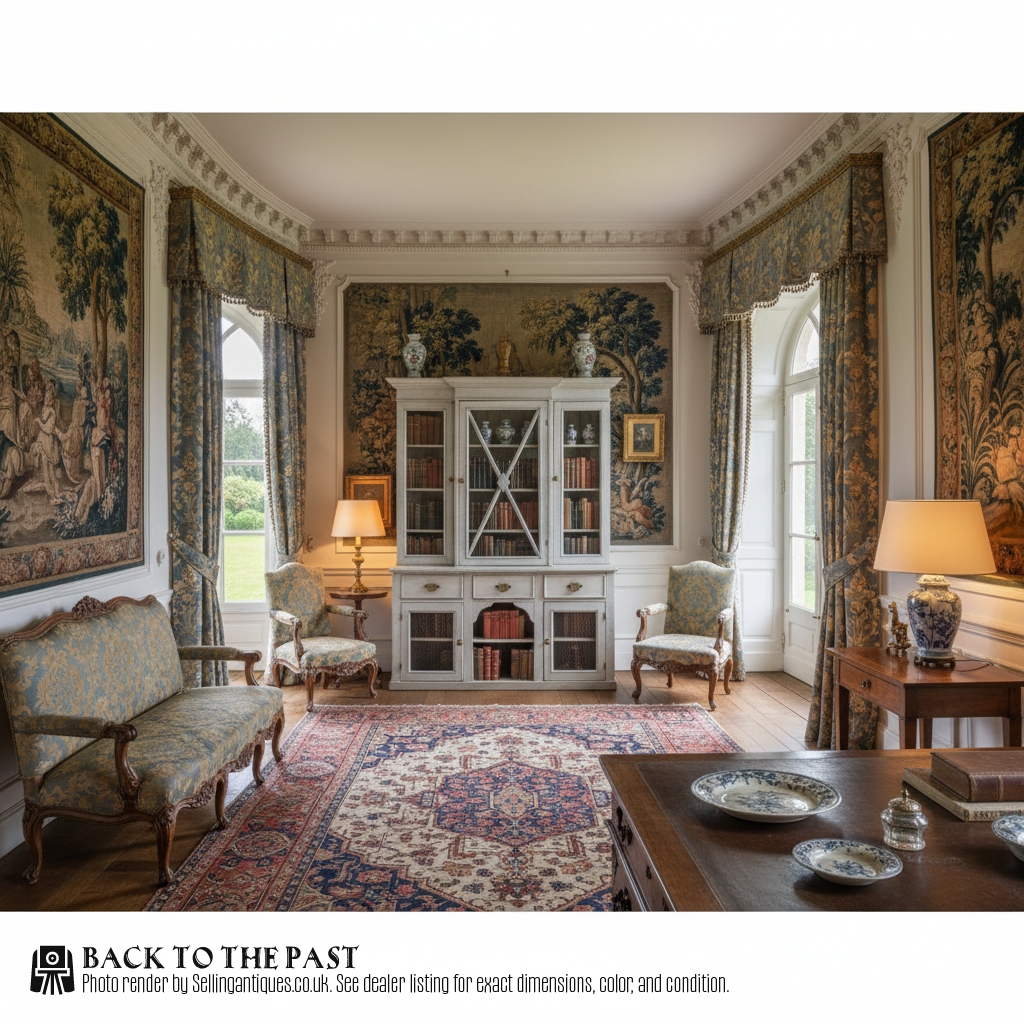
A painted pine cabinet encompasses a broad variety of utilitarian furniture designed for domestic storage, ranging from tall kitchen dressers and housekeeper cupboards to compact bedside units and corner cabinets.
Buyers browsing this selection encounter pieces originating from diverse regional traditions, including Scottish, Irish, Scandinavian, French, and English provincial workshops, each reflecting local vernacular design.
The forms vary significantly in scale and purpose, from multi-section wardrobes and glazed bookcases to simple single-door cupboards and wall-hung storage units built during the eighteenth, nineteenth, and early twentieth centuries.
How They Were Made
Construction relied primarily on solid pine timbers, joined using traditional techniques such as dovetailing for drawers and panel-and-frame methods for doors to accommodate natural wood movement.
Surfaces were frequently finished with layered oil paint, distemper, or scumble glazes, sometimes applied over successive generations to protect the softwood and impart colour to domestic interiors.
Hardware additions typically incorporate iron hinges, brass pulls, and occasionally glass panes for glazed display doors, reflecting the practical availability of materials during each period.
Painted Pine Cabinet Retail Price Guide 2026
Typical asking prices for painted pine cabinet among the pieces listed under this phrase on Sellingantiques today, from the lower quarter to the upper quarter. They describe what is for sale here now, not the wider market.
Listings feature pine cabinets spanning the Georgian, Victorian, and Edwardian eras, alongside regional styles from Sweden, France, and Britain.
What Varies in Quality
The distinction between tiers rests heavily on the integrity of the original surface, where untouched historic paintwork or patinated scumble finishes command greater interest than later, stripped, or heavily overpainted interventions.
Structural proportion and joinery finesse separate standard utilitarian workshop output from more ambitious provincial pieces, such as those featuring architectural cornices, arched tops, or well-executed glazing bars.
The Painted Pine Cabinet Glossary
- Scumble paint
- A decorative technique involving a translucent top coat manipulated with combs, rags, or brushes to imitate richer timber grains or create mottled textures over a pale base.
- Housekeeper's cupboard
- A large storage piece traditionally used in country houses for linens and dry goods, usually featuring multiple panelled doors and internal shelving.
- Bonnet top
- An arched or curved upper pediment characteristic of certain eighteenth and nineteenth-century provincial cabinets and dressers.
- Confiturier
- A small French storage cupboard, often single-doored, originally designed for the preservation and storage of pots of confit.
Painted Pine Cabinet: Frequently Asked Questions
Where were painted pine cabinets used?
These cabinets served primarily in domestic settings such as kitchens, pantries, and bedrooms for storing provisions, linens, and everyday utensils.
Their robust softwood construction suited utilitarian farmhouses, country estates, and provincial homes across Britain and continental Europe.
How do I care for historic painted surfaces?
Historic painted finishes require gentle cleaning with a soft, dry cloth to remove dust without introducing moisture that could damage delicate distemper or oil layers.
Avoiding direct sunlight and fluctuating humidity helps preserve the original pigment and prevents the underlying pine from splitting.
Are these cabinets easy to move?
Many larger examples, such as wardrobes and kitchen dressers, were constructed as knockdown pieces designed to be disassembled for transport between rooms or properties.
Smaller side cabinets and bedside units are typically solid, single-piece items that can be repositioned easily within a modern home.
What is original paint versus later decoration?
Original paint represents the earliest historic coating applied to the timber, often showing natural wear, craquelure, and subtle fading over decades of use.
Later decoration refers to subsequent layers applied during subsequent ownerships, which collectors sometimes distinguish by examining underlying pigment boundaries and surface wear patterns.