

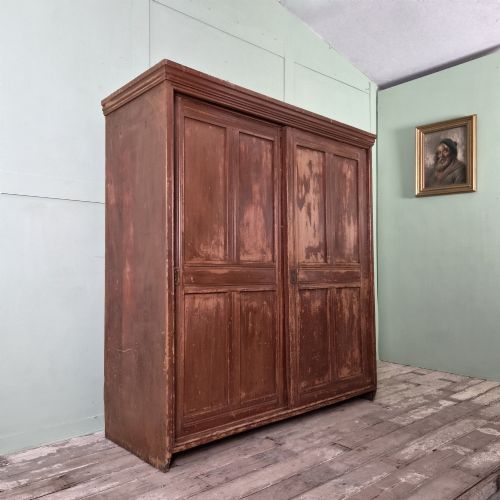
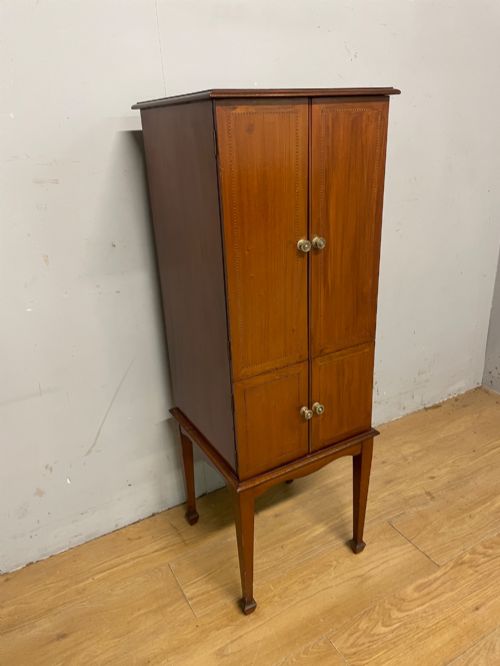

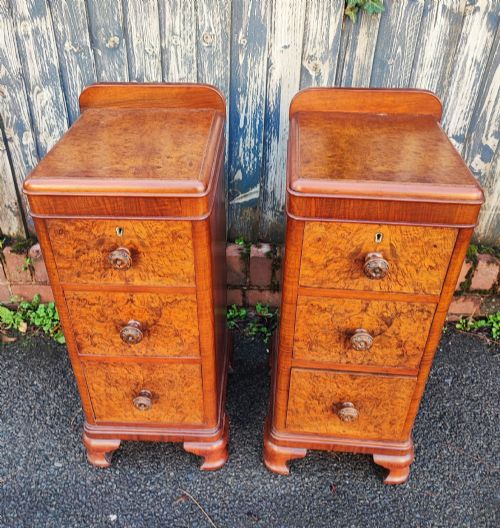
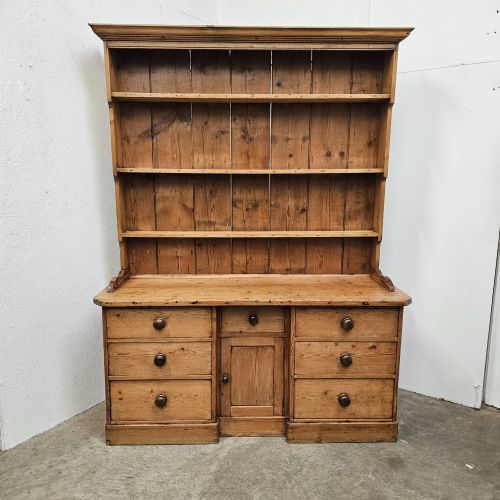
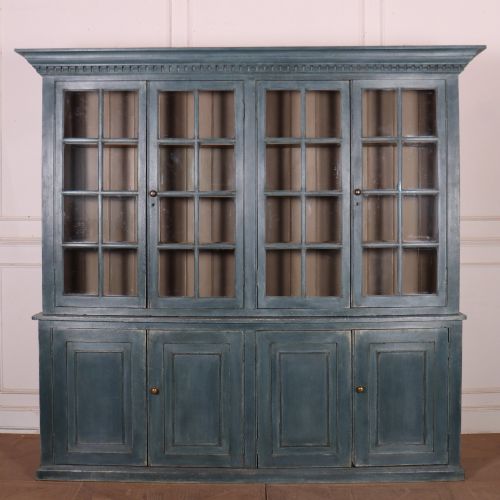
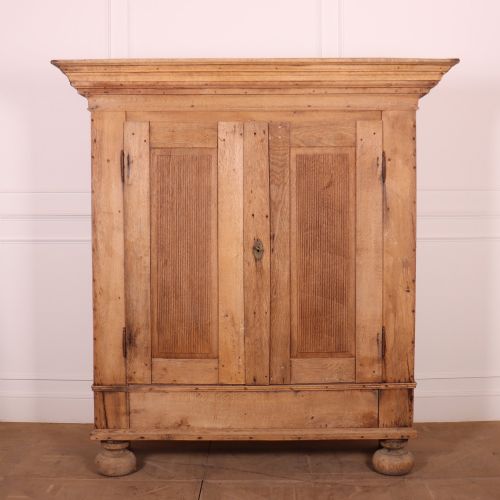
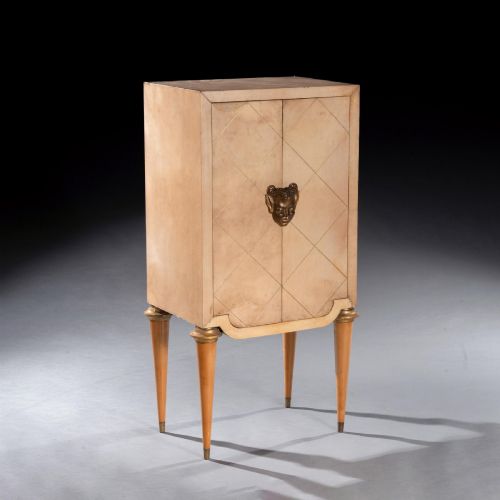
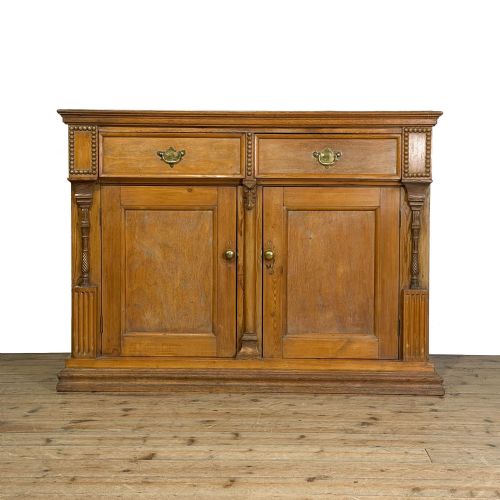
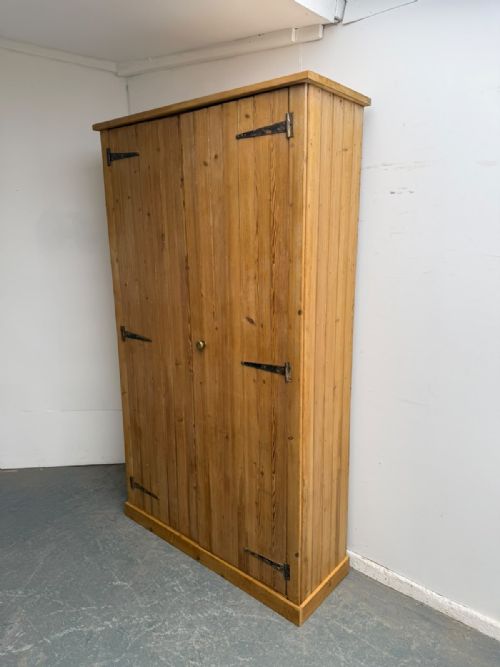
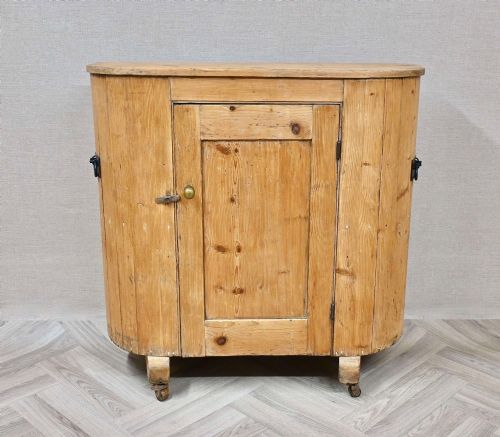
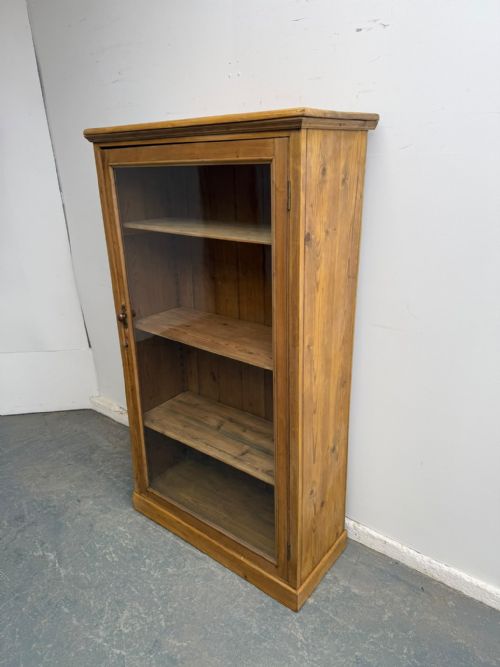
Vintage Storage Cupboard
A vintage storage cupboard offers practical utility combined with period craftsmanship, providing a reliable place to store household goods.
Vintage Storage Cupboard
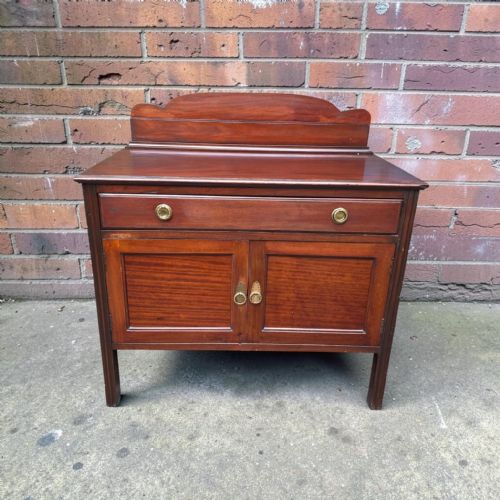
A vintage storage cupboard is a utilitarian and domestic piece designed to house household items, clothing, or provisions. When exploring a vintage storage cupboard selection, buyers encounter formats spanning the Edwardian era, the Victorian period, and the 1920s.
The assortment includes diverse forms such as tallboys, linen presses, sideboards, bedside cabinets, and larder cupboards. Oak, mahogany, and pine dominate the structural pieces found in this inventory.
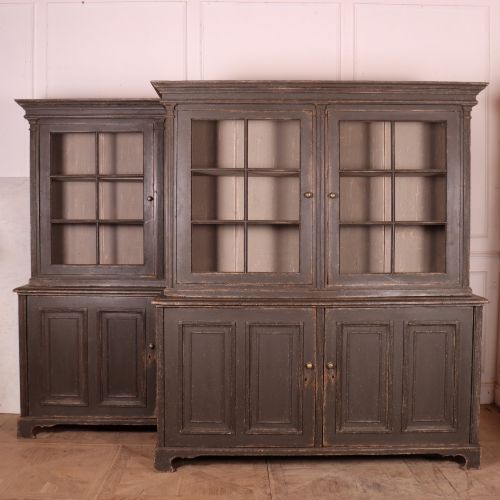
Edwardian oak examples and nineteenth-century pine pieces appear frequently alongside walnut chests and mahogany wardrobes. Each item reflects the domestic requirements of its respective decade, from compact bedside units to expansive kitchen cupboards.
How they were made
Construction relies heavily on solid hardwoods like oak and mahogany, alongside softer timbers such as pine for utilitarian kitchen and larder pieces. Joinery techniques from the nineteenth and early twentieth centuries ensure structural endurance across decades of daily domestic use.
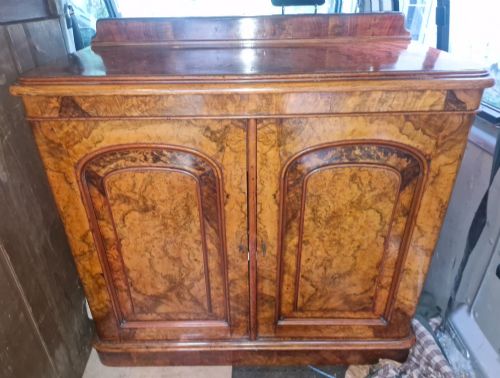
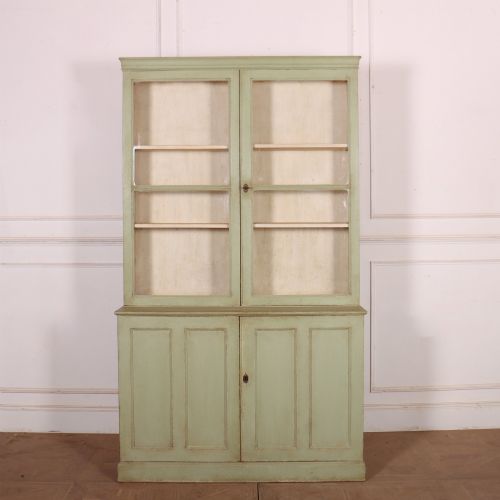
Surface treatments range from polished mahogany veneers and burr walnut to painted pine finishes and carved oak panels. Brass hardware frequently secures doors and drawers, while glass panels appear on glazed bookcases and display cabinets.
Vintage Storage Cupboard Retail Price Guide 2026
Typical asking prices for vintage storage cupboard among the pieces listed under this phrase on Sellingantiques today, from the lower quarter to the upper quarter. They describe what is for sale here now, not the wider market.
A fifteen-door locker cabinet provides ample opportunity to lose your keys in fifteen distinct places.
What varies in quality
The standard of timber selection largely dictates the caliber of a piece, with figured burr walnut and dense mahogany representing the upper tiers. Superior examples display careful grain matching and refined secondary woods within drawer linings.
Execution of decorative details such as linenfold carving, satinwood inlay, and brass mounts separates standard utility furniture from finer workshops. Original glass, intact hardware, and sound structural joinery indicate careful preservation.
Walker & Sons·GM Elwood for JS Henry·maples & co·Denby & Spinks
The Vintage Storage Cupboard Glossary
- Tallboy
- A tall chest of drawers standing upon another chest or a base stand. This vertical format maximises storage capacity while occupying a minimal floor footprint.
- Linen Press
- A tall cabinet originally designed for storing folded linen and garments, typically featuring sliding trays enclosed by upper doors above lower drawers.
- Chiffonier
- A compact sideboard or low cabinet developed during the nineteenth century, often equipped with a raised shelf or small superstructure on top.
- Marquetry
- Decorative veneer work arranged in intricate geometric or floral patterns using contrasting coloured woods. Artisans cut thin pieces of veneer to fit precisely into a prepared ground.
- Serpentine
- A furniture front characterised by a wavy contour featuring a convex centre flanked by concave curves. This shaping demands advanced cabinetmaking skill to execute cleanly.
Vintage Storage Cupboard: Frequently Asked Questions
How do I choose the right cupboard size?
Measure your available floor space and ceiling height carefully before selecting a tallboy or wardrobe. Consider the swing clearance required for doors in tighter hallways or bedrooms.
Take into account internal configurations such as fixed shelves, hanging rails, or sliding trays to ensure the piece accommodates your specific storage needs.
Are these cupboards suitable for modern kitchens?
Many pine larder cupboards and glazed kitchen cabinets integrate well into contemporary spaces for storing dry goods or tableware. Their traditional proportions bring functional character to modern interiors.
Ensure you check internal depths, as older storage furniture can feature shallower dimensions than modern fitted kitchen units.
How do I care for antique wood finishes?
Maintain polished hardwood surfaces by applying quality beeswax periodically to nourish the grain and protect the finish. Avoid placing furniture in direct sunlight or near heat sources to prevent timber splitting.
Clean painted or glazed sections gently with a dry or slightly damp cloth without using harsh chemical solvents.
What is the difference between an Edwardian and Victorian cupboard?
Victorian storage pieces often feature heavier proportions, darker polished mahogany, and robust walnut timbers with ornate carved details. These items reflect nineteenth-century preferences for substantial, formal domestic furniture.
Edwardian pieces generally exhibit lighter oak construction, simpler lines, and occasional inlay work, corresponding to an aesthetic shift toward brighter domestic spaces.