


English Country Cupboard
An English country cupboard brings honest provincial utility and time-worn character to any room.
What these pieces are
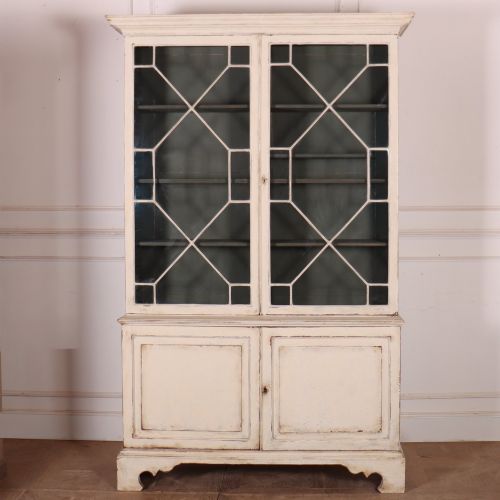
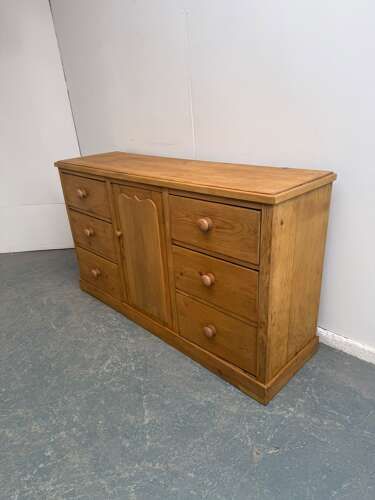
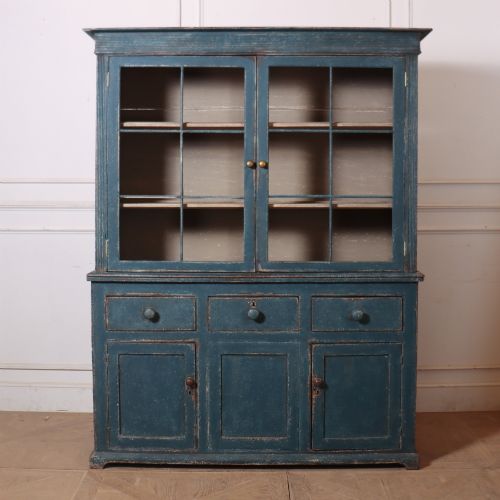
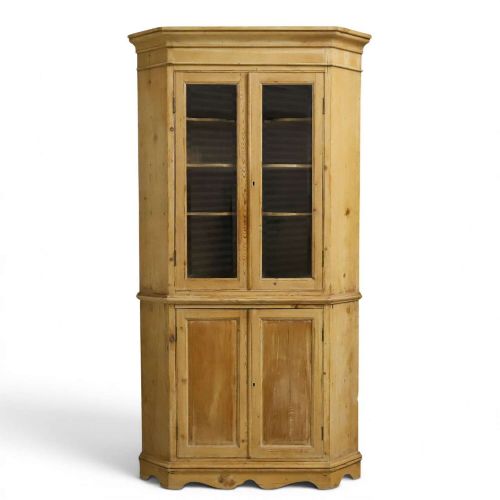
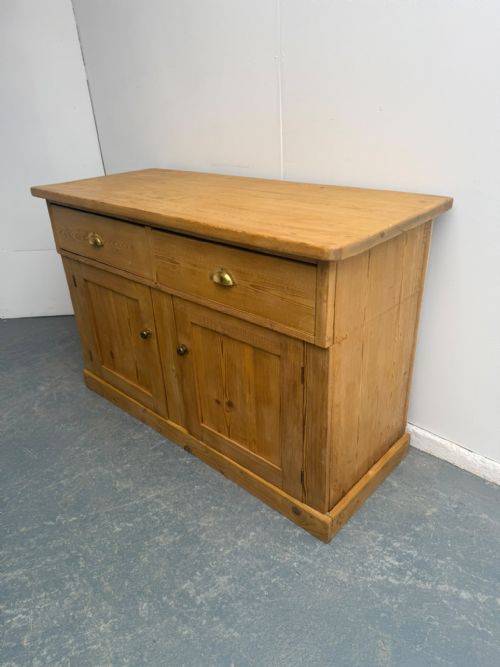
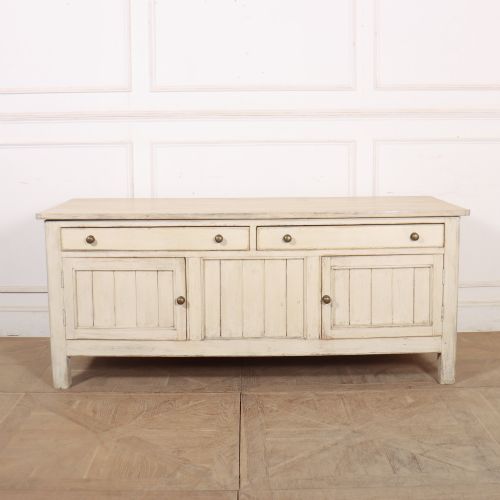
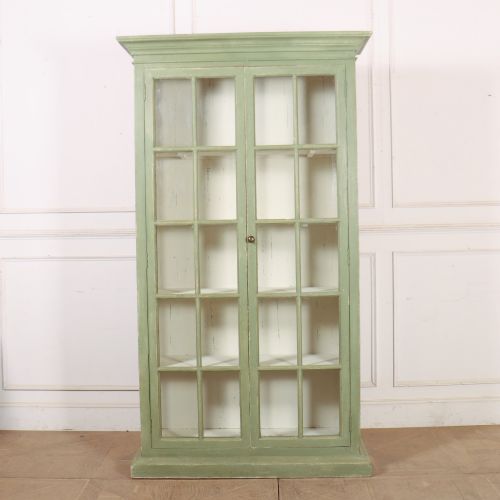
An English country cupboard represents the practical storage furniture built for provincial homes during the eighteenth and nineteenth centuries. These pieces encompass housekeepers cupboards, linen presses, armoires, and corner cupboards designed for everyday domestic use.
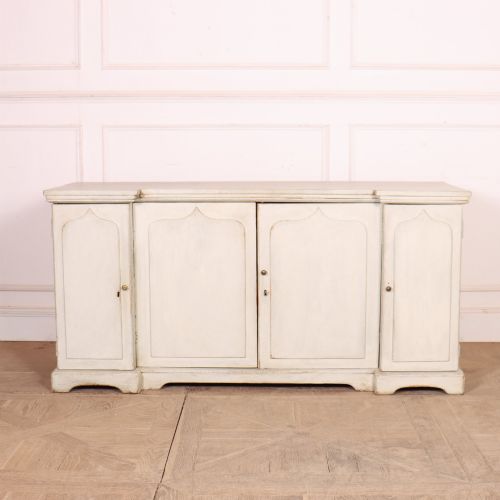
The versions most commonly met on this page span the eighteenth and nineteenth centuries, built from robust timber and often retaining their original painted surfaces. They range from large breakfront linen cupboards to small wall-hanging corner cabinets.
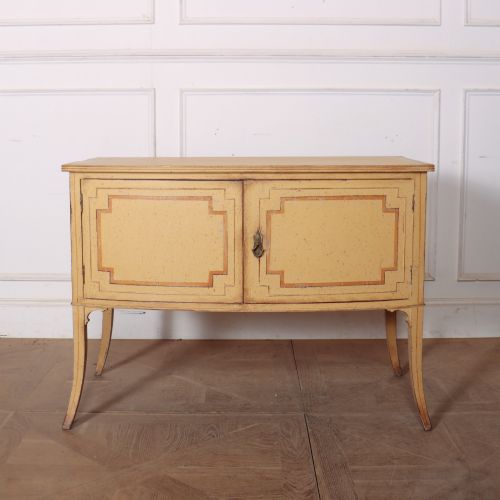
Rural cabinetmakers constructed these items to serve specific household needs, resulting in varied forms such as hall cupboards, side cabinets, and kitchen cupboards. Their functional origins give them an unfussy, straightforward presence.
How they were made
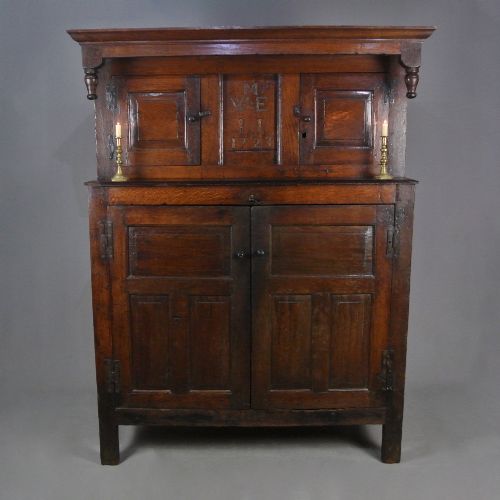
Makers built these pieces primarily using pine and oak, often selecting native timbers available to provincial workshops. Construction frequently incorporated fielded panels and simple joinery suited to daily wear.
Surfaces were either left as natural timber or finished with paint, while hardware typically included brass and metal fittings such as hinges and escutcheons. Carved details occasionally appeared on Georgian wall cabinets and corner cupboards.
Retail Price Guide 2026
Typical UK retail prices for english country cupboard, calculated from the Sellingantiques database of over a million retail prices indexed since 2003. This retail price guide relies exclusively on Sellingantiques data; no external sources or auction records are used, so the figures do not describe the wider market.
What varies in quality
The distinction between standard and superior pieces often lies in the survival of original painted surfaces and the choice of primary timber. Original paint layers that have aged naturally elevate a piece above later refinishing.
Proportion and architectural detail also separate standard utilitarian items from finer examples, such as those with breakfront configurations or well-executed fielded panels. The integration of period brass or metal hardware contributes to a cohesive appearance.
The English Country Cupboard Glossary
- Fielded panel
- A raised wooden panel with bevelled edges designed to fit within a frame, allowing the wood to expand and contract with humidity changes. This construction method is common in eighteenth-century doors.
- Housekeepers cupboard
- A large storage piece traditionally used in manor houses for linens and dry goods. These utilitarian items often feature multiple doors and drawers.
- Breakfront
- A cabinet design where the central section projects forward from the flanking wings. This configuration adds architectural depth to large linen cupboards.
- Corner cupboard
- A triangular cabinet built to fit neatly into the corner of a room, saving floor space. These occur in both floor-standing and wall-hanging formats.
Frequently Asked Questions
What is an English country cupboard?
An English country cupboard is a piece of provincial storage furniture made during the eighteenth or nineteenth centuries. These items include linen presses, housekeepers cupboards, and corner cabinets.
Built for practical domestic use in rural homes, they utilise native timbers like pine and oak. Their straightforward construction reflects the needs of period households.
Where were these cupboards used?
These cupboards served utilitarian roles across various rooms in provincial English houses, from kitchens to large halls. Housekeepers cupboards stored linens and provisions, while corner cabinets utilised neglected wall space.
Their sturdy construction made them ideal for heavy daily service in domestic environments. Over time, their roles shifted from working furniture to decorative storage.
How do I care for original paint?
Preserving original painted surfaces requires maintaining stable indoor humidity and avoiding harsh chemical cleaners. Dusting gently with a dry cloth protects the historic finish from unnecessary wear.
Keeping the timber away from direct heat sources prevents the paint from cracking or flaking. Simple preventative care ensures the surface patina remains intact.